What Happens When Ball Joints Go Bad: Warning Signs & Solutions
Have you ever noticed strange noises or unusual vibrations when you drive? It might be your ball joints going bad.
These small but crucial parts keep your wheels connected to your car’s suspension, and when they wear out, your safety and comfort are at risk. But what exactly happens when ball joints fail? And how can you spot the signs before it’s too late?
Keep reading to find out everything you need to know to protect your vehicle and stay safe on the road.
Role Of Ball Joints In Vehicles
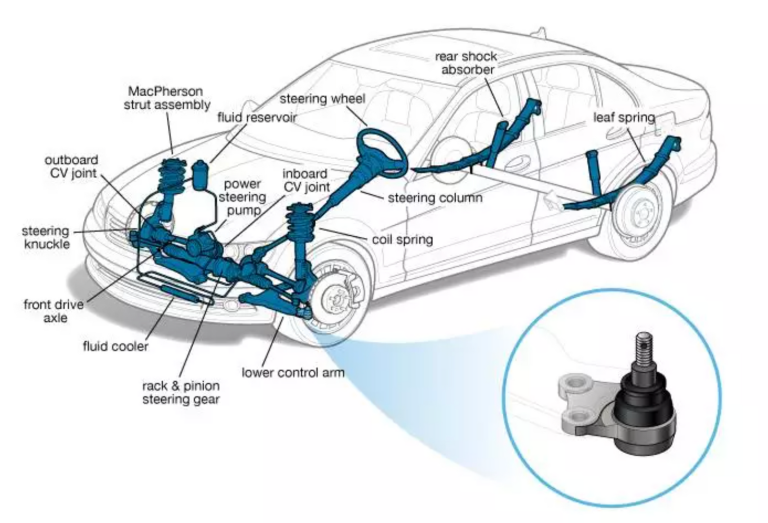
Ball joints play a crucial role in your vehicle’s overall performance and safety. They connect the control arms to the steering knuckles, allowing smooth movement and steering control. Understanding their role helps you recognize why worn ball joints can lead to serious driving issues.
Function In Suspension System
Ball joints act like pivot points for your vehicle’s suspension. They let the wheels move up and down independently while turning left or right.
This movement absorbs shocks from bumps and keeps your tires firmly on the road. Without properly functioning ball joints, your steering may feel loose or your vehicle might pull to one side.
Have you ever noticed uneven tire wear or strange noises while turning? These could be signs that your ball joints are failing and need inspection.
Types Of Ball Joints
There are mainly two types of ball joints used in vehicles:
- Load-bearing ball joints:These support the weight of the vehicle and are typically found in front suspension systems.
- Non-load-bearing ball joints:These mainly allow steering movement without carrying much weight.
Some ball joints are sealed and maintenance-free, while others require regular greasing. Knowing which type your vehicle uses can guide you in proper care and timely replacement.
Causes Of Ball Joint Failure
Understanding the causes of ball joint failure is crucial for vehicle safety. Ball joints connect the control arms to the steering knuckles. They allow smooth movement and flexible steering. But over time, these joints can wear out. Identifying causes of failure helps maintain vehicle performance.
Wear And Tear Factors
Ball joints endure constant stress during driving. This stress leads to material fatigue. Over time, the joint’s components degrade. Lubrication loss can speed up wear, causing metal-to-metal contact. This accelerates wear and reduces the ball joint’s lifespan.
Impact Of Road Conditions
Rough roads put extra pressure on ball joints. Potholes, bumps, and uneven surfaces cause abrupt movements. These conditions strain the ball joints, leading to quicker wear. Frequent exposure to such roads can significantly shorten their life.
Lack Of Maintenance
Regular maintenance is vital for ball joint health. Ignoring routine checks can hide early signs of damage. Without timely lubrication, joints dry out. This dryness increases friction and wear. Timely inspections help detect issues early, preventing costly repairs.
Signs Of Failing Ball Joints
Recognizing the signs of failing ball joints early can save you from costly repairs and ensure your safety on the road. These small but crucial parts connect your vehicle’s suspension to the wheels, allowing smooth movement and steering control. When ball joints begin to wear out, your car will show clear symptoms that you shouldn’t ignore.
Unusual Noises
Have you ever heard a clunking or knocking sound coming from your wheels, especially when going over bumps or turning? That noise often signals worn ball joints. These sounds occur because the loose joint allows metal parts to hit each other, which can worsen if left unchecked.
Steering Issues
If your steering feels loose or your car starts pulling to one side, your ball joints might be failing. You might notice the steering wheel wandering or responding sluggishly. These symptoms happen because the ball joints no longer keep the wheels aligned properly, affecting how you control the vehicle.
Uneven Tire Wear
Inspect your tires regularly—uneven or unusual wear patterns can be a red flag. When ball joints wear out, they cause misalignment in the suspension, leading to tires wearing more on one side. This not only shortens tire life but also impacts your car’s handling and safety.
Vibrations And Handling Problems
Feeling vibrations through the steering wheel or a shaky ride can indicate bad ball joints. The instability caused by loose joints affects your vehicle’s ability to absorb shocks and maintain smooth handling. If your car feels less stable on turns or rough roads, it’s time to have your suspension checked.

Credit: www.counterman.com
Diagnosing Ball Joint Problems
Diagnosing ball joint problems early can save you from costly repairs and unsafe driving conditions. Knowing what signs to look for helps you act before the issue worsens. Let’s break down how you can spot ball joint troubles, whether you’re checking yourself or visiting a professional.
Visual Inspection Tips
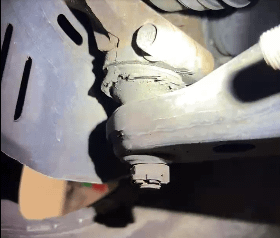
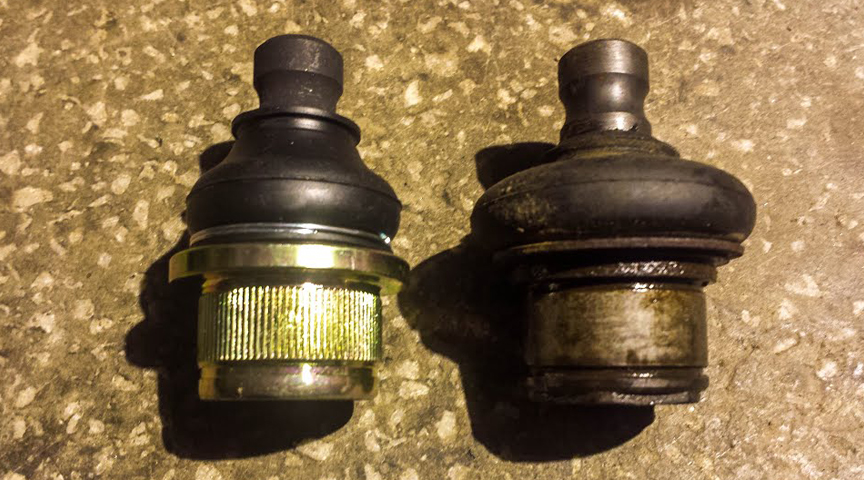
Start with a close look under your vehicle. Check the ball joints for torn or missing rubber boots, which protect the joint from dirt and moisture.
Look for grease leaks around the joint area. Grease loss often leads to faster wear and failure.
Notice any rust or corrosion on the ball joint—it’s a sign the joint might be compromised. Also, pay attention to uneven tire wear, which can indicate suspension problems linked to ball joints.
Have you tried gently shaking the wheel while the car is lifted? Excessive movement or clunking sounds can mean the ball joint is loose.
Professional Diagnostic Methods
Mechanics use specialized tools to test ball joint play precisely. A dial indicator measures movement within the joint, detecting looseness that’s hard to see with the naked eye.
They also perform a “lift and shake” test, lifting the vehicle and checking for side-to-side or up-and-down play in the wheel assembly. This method reveals worn ball joints impacting steering and stability.
Some shops use computerized alignment systems to identify suspension issues caused by bad ball joints. These systems highlight misalignments that might not be obvious during a casual inspection.
Would you trust a quick visual check alone, or prefer a thorough professional assessment? Understanding these diagnostic steps helps you decide the best path for your vehicle’s safety and your peace of mind.
Risks Of Ignoring Bad Ball Joints
Ignoring bad ball joints in your vehicle isn’t just a matter of inconvenience—it poses serious risks that can affect your safety and your car’s health. Ball joints connect your wheels to the suspension, so when they wear out, the consequences can escalate quickly. Understanding these risks helps you make better decisions about timely repairs.
Safety Hazards
Worn ball joints can cause your steering to become loose or erratic. This makes it harder to control your vehicle, especially during turns or emergency maneuvers.
Have you ever felt your car pull to one side or noticed unusual vibrations? These might be signs your ball joints are failing, increasing the chance of accidents.
In extreme cases, a bad ball joint can break, causing your wheel to collapse. Imagine losing control of your car on a busy road—this risk is very real if you ignore the problem.
Potential Damage To Vehicle
Bad ball joints don’t just affect safety; they can also lead to costly damage in other parts of your vehicle.
Worn joints place extra stress on tires, causing uneven wear that shortens their lifespan. This means you’ll spend more on tire replacements than necessary.
Suspension components like control arms and shocks can also wear out faster if ball joints aren’t fixed. This domino effect can turn a small repair into a major expense.
Have you noticed unusual noises like clunking or squeaking when driving over bumps? These sounds often indicate that other parts are being damaged by failing ball joints.
Credit: finntrail.com
Repair And Replacement Options
Repairing or replacing bad ball joints is crucial for your vehicle’s safety and performance. Understanding your options helps you make the best choice without overspending or risking further damage. Let’s break down when to repair or replace, what to consider if you want to do it yourself, and how cost factors play into your decision.
When To Repair Vs Replace
If the ball joint shows minor wear and no signs of severe damage, a repair might be enough. Some vehicles allow replacing just the ball joint itself, which can save money and time. However, if the ball joint is severely worn, rusted, or has caused damage to surrounding parts, replacement of the entire control arm or suspension component is safer and more reliable.
Ask yourself: Is the issue isolated to the ball joint, or has it affected other parts? A quick inspection by a mechanic can clarify this and prevent multiple visits.
Diy Replacement Considerations
Replacing ball joints yourself can save labor costs but requires the right tools and mechanical skills. You’ll need a ball joint press, jack stands, and sometimes special socket sets. If you don’t have these or aren’t confident with suspension work, hiring a pro is smarter.
Think about your safety and the risk of improper installation. A poorly installed ball joint can lead to steering problems or even accidents. Have you worked on suspension parts before? If not, it might be best to get expert help.
Cost Factors
| Expense | Typical Cost Range | Notes |
|---|---|---|
| Ball Joint Part | $20 – $100 | Depends on brand and vehicle model |
| Control Arm Replacement | $150 – $400 | Includes ball joint if integrated |
| Labor | $100 – $300 | Varies by shop and complexity |
Costs can add up quickly, especially if multiple parts need replacement. Budgeting ahead helps you avoid surprises. Could investing in quality parts now save you from more expensive repairs later?
Preventing Ball Joint Issues
Preventing ball joint issues keeps your vehicle safe and running smoothly. These small parts bear a lot of stress and wear out over time. Taking steps to protect them saves money and avoids sudden breakdowns. Simple care and smart habits extend their life and maintain good vehicle control.
Regular Maintenance Practices
Check ball joints during routine vehicle inspections. Look for looseness or unusual noises around the suspension. Grease ball joints if your vehicle has grease fittings. Clean off dirt and debris that can cause wear. Replace worn ball joints immediately to avoid further damage.
- Inspect suspension parts every 6,000 miles or at oil changes
- Keep ball joints lubricated where applicable
- Watch for uneven tire wear as a sign of joint problems
- Have a mechanic check joints during brake or tire service
Driving Habits To Protect Ball Joints
Drive carefully on rough or uneven roads. Avoid hitting potholes, curbs, or obstacles at high speed. Slow down over speed bumps and rough terrain. Carry only necessary weight to reduce stress on suspension. Smooth driving reduces impact and extends ball joint life.
- Maintain steady speeds on bumpy roads
- Avoid sharp turns at high speed
- Do not overload your vehicle
- Steer gently and avoid sudden jerks

Credit: www.reddit.com
Frequently Asked Questions
What Are The Signs Of Bad Ball Joints?
Bad ball joints cause uneven tire wear, clunking noises, and steering issues. You may feel vibrations or loose steering. Early detection prevents further damage and ensures vehicle safety.
How Do Bad Ball Joints Affect Car Handling?
Worn ball joints lead to poor steering response and instability. The vehicle may pull to one side or feel loose. This compromises control, increasing accident risk.
Can I Drive With Bad Ball Joints?
Driving with bad ball joints is unsafe and not recommended. It can cause sudden steering failure. Replace them promptly to avoid accidents and costly repairs.
How Often Should Ball Joints Be Inspected?
Ball joints should be inspected at least every 30,000 miles or during routine maintenance. Frequent checks help detect wear early and maintain vehicle safety.
Conclusion
Bad ball joints can cause serious car problems. They make steering shaky and noisy. Driving with worn ball joints is unsafe. Check them regularly to avoid accidents. Replacing bad ball joints keeps your car smooth. Don’t wait for big damage to happen.
Stay alert to signs like clunking or uneven tires. Taking care of ball joints saves money later. A safe car means a safer drive every day.

Automotive Specialist & Expert Writer
Tyler Kingston is a passionate automotive writer with a wealth of knowledge in all things cars. With years of experience in the automotive industry, Tyler specializes in everything from vehicle maintenance to the latest car technologies and innovations. He is known for his ability to break down complex automotive concepts into easily digestible, engaging content for both novice and experienced car enthusiasts. Whether it’s detailing car repair techniques, reviewing new car models, or diving into the world of auto accessories, Tyler’s articles provide valuable insights to readers. His hands-on experience, combined with a genuine love for cars, allows him to deliver expert advice, tips, and news that keeps readers coming back for more.