

What is the Blue Air Line on a Tractor Trailer: Essential Guide
Have you ever wondered what the blue air line on a tractor trailer does and why it’s so important? If you’re involved in trucking or just curious about how these massive vehicles work, understanding this simple-looking part can make a big difference.
The blue air line isn’t just a random cable—it plays a key role in keeping your trailer safe and running smoothly. Keep reading to discover exactly what the blue air line is, how it works, and why you should never overlook it.
This knowledge could save you time, money, and even prevent dangerous situations on the road.

Credit: qsctruckparts.com
Blue Air Line Basics
Understanding the basics of the Blue Air Line on a tractor trailer is crucial for anyone in the trucking industry. This essential component plays a vital role in ensuring safety and efficiency on the road. Let’s dive into what the Blue Air Line is all about and how it integrates into the air brake system.
Purpose Of The Blue Air Line
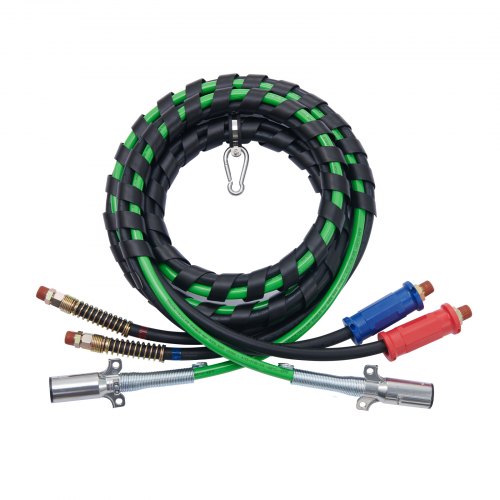
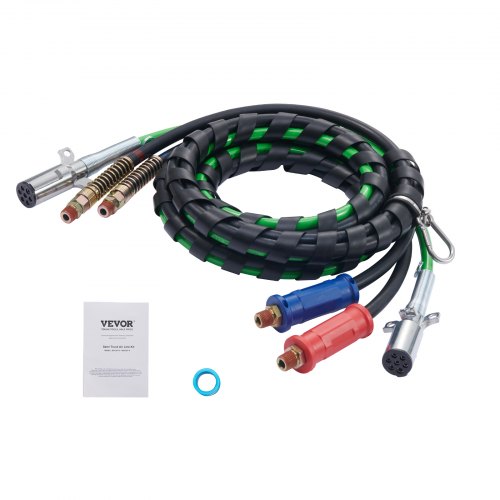
The Blue Air Line, often referred to as the service line, is a critical part of a tractor trailer’s air brake system. Its primary purpose is to carry compressed air from the tractor to the trailer, enabling the brakes to function effectively. Without it, the brakes would not receive the necessary air pressure to engage properly, compromising safety.
Think of the Blue Air Line as the lifeline of your braking system. It ensures that when you hit the brakes, the trailer responds instantly. This synchronization is vital, especially when hauling heavy loads.
How It Fits In The Air Brake System
The air brake system in a tractor trailer is a complex network, and the Blue Air Line plays a pivotal role. It connects the tractor’s air compressor to the trailer, working alongside the Red Air Line, which serves as the emergency line. Together, they create a reliable braking mechanism.
When you apply the brakes, the Blue Air Line transmits air pressure to the trailer, activating the service brakes. This dual-line system ensures that in the event of a failure, the trailer can still be brought to a safe stop using the emergency line. Ever wondered what would happen if one of these lines failed? This redundancy is what keeps you safe.
Have you ever faced a situation where the brakes seemed unresponsive? Understanding the role of the Blue Air Line can help diagnose such issues, ensuring you remain safe and sound on your journeys.
Components Connected To The Blue Air Line
The blue air line on a tractor trailer plays a vital role in the vehicle’s air brake system. It carries air pressure from the tractor to the trailer, ensuring the trailer brakes work properly. Various components connect to this blue air line on both the tractor and trailer sides. These connections ensure safe and efficient braking during transport.
Tractor Side Connections
On the tractor side, the blue air line connects to the service port. This port controls the air pressure sent to the trailer brakes. The main components connected here include:
- Gladhands – quick-connect fittings that link the blue air line to the tractor’s air supply.
- Air brake valves – regulate air pressure to activate trailer brakes when the driver applies the brake pedal.
- Air reservoirs – store compressed air used for the braking system.
These parts ensure the blue air line receives constant, controlled air pressure. The tractor’s system manages how much air flows into the trailer’s brake system.
Trailer Side Connections
The blue air line reaches the trailer through a corresponding gladhand. On the trailer side, it connects to:
- Trailer brake chambers – convert air pressure into mechanical force to apply brakes.
- Control valves – regulate air flow within the trailer’s braking system.
- Air tanks – hold compressed air to maintain brake pressure during stops.
These components work together to activate the trailer brakes safely. The air pressure delivered by the blue line triggers braking action and stops the trailer efficiently.
Function During Normal Operation
The blue air line on a tractor trailer plays a vital role during normal driving. It carries compressed air from the tractor to the trailer’s brake system. This airflow allows the brakes to work correctly and keeps the trailer safe on the road.
Understanding how this line functions can help drivers maintain their vehicles better. The blue air line is part of a complex system that manages air pressure and brake performance. It ensures smooth operation every time the driver applies the brakes.
Air Pressure Control
The blue air line controls air pressure between the tractor and trailer. It sends compressed air to the trailer’s brake chambers. The pressure must stay within a specific range to activate the brakes properly.
If the pressure drops too low, the brakes may not engage. If it is too high, it can damage the brake components. The blue air line acts as a conduit to balance this pressure, maintaining safe brake operation.
Maintaining Brake Performance
Brake performance relies on consistent air supply through the blue line. It ensures the trailer brakes respond instantly when the driver presses the pedal. Proper airflow helps avoid brake lag and uneven stopping.
Regular inspections of the blue air line prevent leaks and blockages. A well-maintained air line supports efficient braking and reduces wear on brake parts. This keeps the trailer stable and secure during transit.
Credit: www.vevor.ca
Common Issues And Troubleshooting
Understanding the common issues with the Blue Air Line on a tractor trailer can save you time and prevent costly repairs. This vital component controls air pressure for the braking system, so any problem can impact your safety. Let’s look at typical troubles you might face and how to address them effectively.
Leaks And Damage
Leaks in the Blue Air Line often occur due to wear and tear or accidental damage. You might notice a hissing sound or reduced air pressure, signaling a leak. Regularly inspect the line for cracks, holes, or loose connections to catch issues early.
Sometimes, debris on the road or sharp turns can cause physical damage. If you find visible wear, replace the damaged section immediately rather than trying to patch it. Small leaks can escalate quickly, affecting your truck’s performance.
Impact On Brake Efficiency
The Blue Air Line directly influences how well your brakes respond. A compromised line can cause delayed braking or uneven pressure, putting you and others at risk. Have you ever experienced your brakes feeling “spongy” or less responsive? That’s often a sign of air line problems.
Maintaining proper air pressure is crucial for safe stopping distances. If you detect any irregularities, test your brakes under controlled conditions and address air line issues right away. Remember, effective braking depends on a well-functioning air system.
Maintenance Tips
Keeping the Blue Air Line in top shape is essential for your tractor trailer’s safety and performance. Regular maintenance prevents costly breakdowns and keeps your air brake system responsive. Small efforts in upkeep can save you from big headaches on the road.
Regular Inspection
Check the Blue Air Line regularly for cracks, leaks, or signs of wear. Even tiny damage can cause air pressure loss, leading to brake failure. Use a flashlight to get a clear view and listen for hissing sounds that indicate leaks.
Feel the line for softness or brittleness by gently squeezing it. If it feels weak, replace it immediately. Don’t forget to inspect connections and fittings—they should be tight and free from rust or dirt.
Proper Handling And Storage
Handle the Blue Air Line with care to avoid kinks or sharp bends that can weaken it. When disconnecting, avoid pulling or twisting the line harshly. Instead, gently release fittings to preserve the line’s integrity.
Store spare air lines in a cool, dry place away from direct sunlight and chemicals. UV rays and harsh environments can degrade the rubber material quickly. Have you noticed how a small crack can lead to a sudden failure? Proper storage helps prevent that.
Safety Importance Of The Blue Air Line
The blue air line on a tractor trailer plays a vital role in maintaining safety on the road. This line carries compressed air to the trailer’s braking system, ensuring it works properly every time you hit the brakes. Ignoring its condition can lead to dangerous situations, so understanding its safety importance is crucial for any driver or fleet manager.
Preventing Brake Failures
The blue air line supplies the trailer with the necessary air pressure to activate the brakes. If this line leaks or gets damaged, the trailer’s brakes may not respond as expected. Have you ever thought about how a small leak could lead to a complete brake failure? Regularly inspecting and maintaining the blue air line helps prevent such failures, keeping you and others safe on the road.
Simple checks, like listening for hissing sounds or feeling for air leaks, can save lives. Even a tiny crack in the line can reduce braking efficiency drastically. Don’t wait for a warning light—make air line maintenance part of your routine before each trip.
Compliance With Regulations
Regulatory bodies require all tractor trailers to have fully functional air brake systems, including the blue air line. Failing to comply with these rules can lead to hefty fines and even take your vehicle off the road. Are you aware that regular inspections are not just recommended but legally required?
Keeping your blue air line in top shape ensures you meet safety standards and avoid unnecessary penalties. It also helps maintain your vehicle’s insurance coverage and protects your reputation as a responsible driver or operator. Don’t let small negligence turn into big legal troubles.
Credit: www.vevor.ca
Frequently Asked Questions
What Is The Blue Air Line On A Tractor Trailer?
The blue air line controls the trailer’s service brakes. It carries air from the tractor to apply the brakes when the driver presses the brake pedal. This line is crucial for safe braking during transport.
Why Is The Blue Air Line Important For Braking?
The blue air line ensures the trailer’s brakes function properly. Without it, the trailer’s service brakes won’t engage, risking safety. It maintains air pressure needed to activate the brakes efficiently.
How Does The Blue Air Line Differ From The Red Line?
The blue line controls service brakes, while the red line manages emergency brakes. The red line supplies air to keep the emergency brakes released. Both lines are vital for safe trailer operation.
Can The Blue Air Line Cause Brake Failure?
Yes, if the blue air line leaks or disconnects, the trailer brakes may fail. Regular inspection prevents air loss, ensuring brakes engage correctly and maintain safety on the road.
Conclusion
The blue air line on a tractor trailer plays a key role in braking. It carries air to the trailer’s brakes, helping them work properly. Without it, the trailer cannot stop safely. Knowing about this line helps drivers keep their trucks safe on the road.
Always check the blue air line for damage or leaks. A well-maintained system means better control and fewer accidents. Understanding simple parts like this makes driving a tractor trailer easier and safer. Safety starts with knowing how your truck works.

Automotive Specialist & Expert Mechanic
Noah Brooks is a skilled automotive expert with a passion for both the technical and creative aspects of the automotive world. With years of experience in repairing, restoring, and enhancing vehicles, Noah is known for his deep knowledge of car mechanics, parts, and accessories. His expertise extends to welding, troubleshooting, and offering advice on the latest car technologies and trends. Whether it’s diagnosing complex issues or guiding readers through DIY car repairs, Noah’s blog posts are filled with hands-on insights that appeal to both novice and experienced car enthusiasts. When he’s not writing, Noah is working on his own car projects, continually learning and sharing his automotive passion with the world.


