What Tires Did Nascar Use on Dodge Daytonasin 1971: Unveiled
Imagine yourself at the heart of a roaring NASCAR race in 1971, surrounded by the thunderous sound of engines and the smell of burnt rubber. You’re captivated by the sleek Dodge Daytonas speeding around the track, and you can’t help but wonder: what tires are gripping the asphalt beneath these iconic machines?
You’re about to uncover the secret that gave these legendary cars their edge. By understanding the tire technology and choices made back then, you’ll gain unique insights into the world of high-speed racing. Get ready to delve into the fascinating details that make these tires more than just rubber—they’re a vital piece of racing history.
Keep reading to discover the story behind the tires that powered the Dodge Daytonas to victory in NASCAR’s thrilling races of 1971.
Credit: erp.irs.kg.gov.ng
Historical Context Of 1971 Nascar
The 1971 NASCAR season marked a period of exciting change. NASCAR was expanding its reach and influence. New rules and regulations shaped the races. Dodge Daytona emerged as a significant player. Teams pushed the limits of speed and performance.
Nascar’s Evolution In The 1970s
The 1970s saw NASCAR evolve rapidly. Technology advanced, impacting car designs and performance. Safety became a priority, leading to new standards. Fans flocked to the tracks, eager to see thrilling races. NASCAR’s popularity soared during this era.
Television coverage expanded, bringing races to a broader audience. More viewers meant more interest in the sport. Sponsorships increased, fueling the competition. Teams invested in better equipment and talent. The industry grew as new opportunities emerged.
Dodge Daytona’s Role In Racing
Dodge Daytona made a strong impact on NASCAR. Known for its sleek design, it turned heads. Its aerodynamic features gave it an edge. Drivers found it thrilling to race. Fans admired its power and speed.
In 1971, Dodge Daytona used specific tires for performance. These tires helped it achieve impressive speed on the track. The combination of design and tires made it a formidable competitor. The car’s performance left a lasting legacy in racing history.

Credit: ve.ebay.com
Tire Technology Of The Era
In 1971, tire technology was evolving rapidly in motorsports. Nascar was at the forefront of these advancements. The Dodge Daytona was a popular model in Nascar races. Understanding tire technology is key to appreciating the Daytona’s performance.
Tires in the 1970s were quite different from today’s models. They were designed for durability and speed. Tire manufacturers aimed to improve traction and handling. This was crucial for high-speed racing.
Advancements In Racing Tires
The 1970s saw significant advancements in racing tire technology. Tire designs focused on maximizing contact with the track. Engineers experimented with different rubber compounds. These compounds enhanced grip and stability. Tire durability was also a major focus. Longer-lasting tires meant fewer pit stops.
Racing tires needed to handle extreme conditions. High speeds, sharp turns, and varied track surfaces posed challenges. Tire technology aimed to address these challenges effectively.
Key Manufacturers In The 1970s
Several key manufacturers dominated the tire market in the 1970s. Goodyear was a major player in Nascar racing. They supplied tires that offered excellent performance. Firestone was another leading manufacturer. Their tires were known for their reliability.
These companies invested heavily in research and development. Innovation was crucial to stay ahead in the competitive field. Tire manufacturers worked closely with racing teams. Collaboration ensured that tires met the demands of the track.
Dodge Daytona’s Tire Specifications
In 1971, Dodge Daytonas used Goodyear tires during NASCAR races. These tires were designed for high-speed performance and durability on the track. They played a crucial role in the vehicle’s racing capabilities, ensuring optimal grip and stability.
The Dodge Daytona’s tire specifications in 1971 were crucial to its performance on the NASCAR circuit. These tires were more than just rubber on a rim; they were a key factor in the vehicle’s speed and handling. Understanding the specifics can give you a deeper appreciation of the engineering feats that powered this legendary car.Design And Performance Features
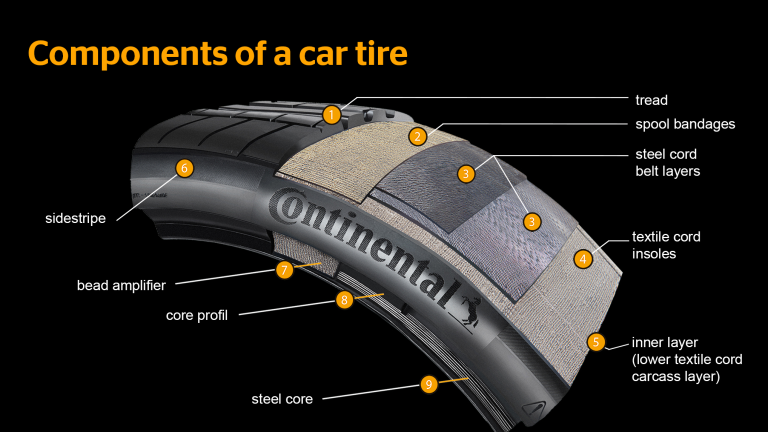
The tires used on the Dodge Daytona in 1971 were designed with precision. They featured a robust tread pattern to enhance grip on the track. This was essential for maintaining stability during high-speed turns. Their construction included materials that offered both durability and flexibility. This combination allowed the tires to withstand the intense demands of NASCAR racing. You can imagine the confidence drivers felt knowing their tires could handle the pressure. Tire size also played a role in performance. The dimensions were meticulously chosen to optimize speed and control. If you ever pondered what gives a race car its edge, tire design is a significant part of the equation.Impact On Racing Strategy
Tire choice directly influenced racing strategy. Teams had to consider tire wear and pit stop frequency. A tire that lasted longer could reduce the number of stops, saving precious seconds. Handling was another critical factor. A well-chosen tire improved cornering ability, allowing drivers to push the limits. This could be the difference between a podium finish and falling behind. Think about the competitive edge these tires provided. They were not just about speed; they were a strategic tool. As you reflect on the importance of tires, consider how they shaped the race outcomes of the era. Engage with these insights next time you watch a NASCAR race. Notice how tire choices continue to play a pivotal role. Would you trust your race strategy to anything less?
Credit: erp.irs.kg.gov.ng
Influence On Racing Performance
The tires on a racing car can greatly affect its performance. In 1971, Dodge Daytonas used specific tires that made a difference. These tires were crucial for achieving the car’s full potential on the track. Let’s explore how they influenced speed, handling, and the drivers’ experiences.
Speed And Handling Improvements
The tires used in 1971 enhanced the Daytona’s speed significantly. They offered better grip, allowing drivers to push the car to its limits. This grip was essential for sharp turns and quick accelerations. The tires’ design contributed to smoother handling on the track. This improvement helped reduce lap times and increased overall race performance.
Racers noticed a marked difference in cornering speeds. The enhanced traction provided confidence in high-speed maneuvers. Stability was another area where these tires excelled. This gave drivers the assurance needed to maintain speed without skidding.
Driver Feedback And Experiences
Drivers shared positive feedback about the 1971 tires. Many felt a more direct connection with the car. This connection allowed for precise control and better race strategy. The tires provided a consistent performance throughout the race.
One driver noted the improved durability. This reduced the need for frequent pit stops. Another driver praised the tires’ ability to maintain performance in different conditions. Whether it was a dry or slightly wet track, the tires held firm. This reliability was crucial for maintaining competitiveness during races.
Legacy Of 1971 Dodge Daytona Tires
The legacy of the 1971 Dodge Daytona tires remains significant in NASCAR history. These tires showcased resilience and adaptability, crucial for high-speed racing. They were designed for performance, enhancing the car’s speed and handling. Their contribution to racing technology paved the way for future tire innovations.
Long-term Impact On Nascar
The 1971 Dodge Daytona tires influenced NASCAR’s tire standards. They set benchmarks for durability and speed, impacting race strategies. Teams adapted their tactics based on tire performance. This led to a focus on tire quality in racing. The Daytona’s tires inspired improvements in safety and efficiency.
Evolution Of Tire Technology
Tire technology evolved significantly after the 1971 Daytona. Engineers focused on material enhancements. The development of radial tires followed. These offered better grip and stability. Racing teams adopted new tire designs for competitive advantage. Tire innovation became a key aspect of car performance.
Frequently Asked Questions
Why Was The Dodge Charger Daytona Banned From Nascar?
The Dodge Charger Daytona was banned from NASCAR due to its aerodynamic advantage. Its design improved speed significantly, which led to unfair competition. NASCAR introduced new rules in 1971 to limit aerodynamic enhancements, effectively banning cars like the Daytona to ensure a level playing field for all competitors.
Who Won The 1971 Daytona 500?
Richard Petty won the 1971 Daytona 500. This victory marked his third win in this prestigious race. Petty drove the iconic Plymouth Road Runner, showcasing his exceptional racing skills. His win was a significant moment in NASCAR history, further solidifying his legacy as a racing legend.
What Brand Of Tires Do They Use In Nascar?
NASCAR uses Goodyear tires exclusively for all its races. Goodyear has been the official tire supplier since 1954, providing tires specifically designed for high-speed and performance. These tires offer exceptional grip and durability, essential for the demanding conditions of NASCAR racing.
How Fast Did The 1970 Dodge Daytona Go?
The 1970 Dodge Daytona reached speeds up to 200 mph on NASCAR tracks. Its aerodynamic design enhanced performance. This iconic muscle car symbolized speed and power during its era.
Conclusion
The 1971 Dodge Daytona used specific tires for Nascar races. These tires provided the grip needed for high-speed tracks. Performance and durability were key factors. Engineers and drivers worked together to select the best options. Different tire brands competed for the top spot.
Each brand aimed to offer the best balance of speed and safety. This choice impacted race outcomes significantly. Understanding tire history helps fans appreciate racing strategies. The right tires made a difference in thrilling NASCAR races. They still play a crucial role in modern motorsports today.

Automotive Specialist & Expert Writer
Tyler Kingston is a passionate automotive writer with a wealth of knowledge in all things cars. With years of experience in the automotive industry, Tyler specializes in everything from vehicle maintenance to the latest car technologies and innovations. He is known for his ability to break down complex automotive concepts into easily digestible, engaging content for both novice and experienced car enthusiasts. Whether it’s detailing car repair techniques, reviewing new car models, or diving into the world of auto accessories, Tyler’s articles provide valuable insights to readers. His hands-on experience, combined with a genuine love for cars, allows him to deliver expert advice, tips, and news that keeps readers coming back for more.