Who is Responsible for Rock Hitting Windshield: Explained
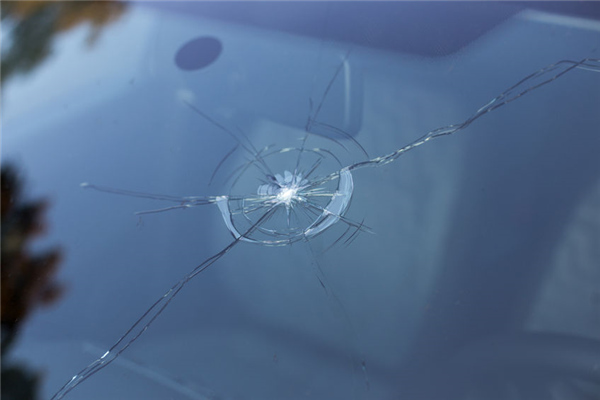
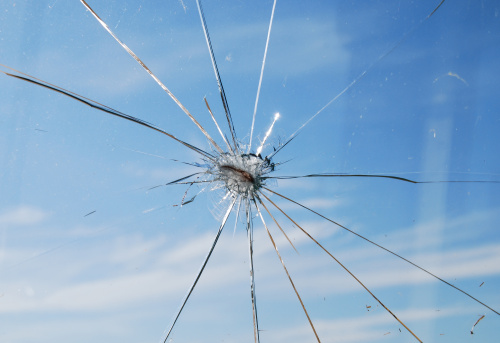
Picture this: you’re driving down the highway, enjoying your favorite tunes, when suddenly, a loud crack shatters the moment. A rock has struck your windshield, leaving an unsightly chip or even a crack.
It’s a situation that can happen to anyone, and the question that likely races through your mind is, “Who is responsible for this? ” Understanding who bears the responsibility can save you time, money, and a lot of frustration. We’ll dive into the details and help you make sense of this common problem.
We’ll explore who might be liable, what steps you can take, and how to prevent future incidents. Stay with us as we unravel this mystery and give you the tools you need to handle the situation with confidence. Your windshield’s story doesn’t end with that unfortunate rock hit; it begins here.
Credit: www.amco.net
Common Causes Of Rocks Hitting Windshields
Driving can be unpredictable. Sometimes, your windshield gets hit by a rock. This can be frustrating and costly. Various reasons cause rocks to fly toward windshields. Understanding these causes can help avoid such incidents. Here are some common scenarios where rocks hit windshields.
Construction Zones
Construction zones are notorious for loose debris. Trucks carry materials, often spilling small rocks. These rocks easily fly when vehicles pass. Construction equipment can also kick up rocks. Driving slowly can reduce the risk.
Gravel Roads
Gravel roads are rough. Small stones are everywhere. Tires can easily fling them. Fast driving increases the chances of rocks hitting your windshield. Keeping a safe distance from other vehicles helps. Slower speeds can minimize the impact.
Highway Debris
Highways are busy and fast-paced. Trucks often drop debris. Loose rocks can quickly become airborne. Other vehicles kick them up without noticing. Maintaining a safe following distance is key. Keeping an eye out for road debris can save your windshield.
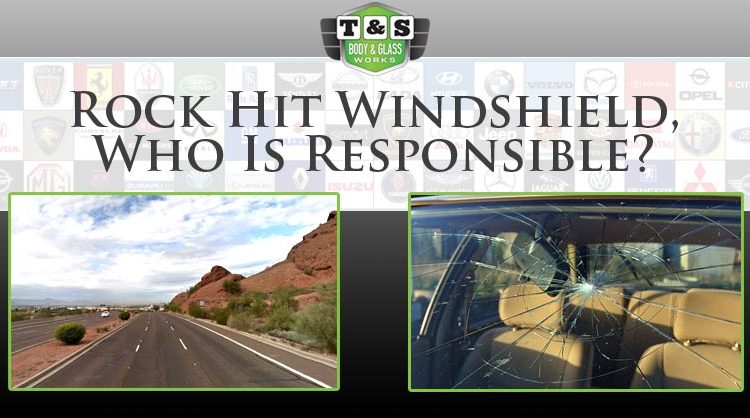
Credit: tsautoglass.com
Legal Liability For Windshield Damage
Determining responsibility for a rock hitting your windshield can be tricky. Generally, the driver of the vehicle causing the debris is not liable. Insurance may cover the damage, but it’s wise to check your policy details.
Legal Liability for Windshield Damage can be a confusing topic. Picture this: you’re cruising down the highway, and suddenly, a rock catapults from the road, leaving a glaring crack in your windshield. Who’s responsible? Understanding the legal aspects can save you time and stress.Driver Responsibility
As a driver, you might feel frustrated when a rock damages your windshield. Yet, determining responsibility isn’t straightforward. If you’re tailgating a vehicle, you could be held liable for the damage. Always maintain a safe distance to reduce risks and potential liability.Vehicle Owner Liability
If you’re driving a company car or a friend’s vehicle, who pays for the damage? The vehicle owner typically needs insurance to cover such incidents. Ensure that the car’s insurance policy is up-to-date and understand what it covers. Ask yourself: Have you checked the fine print of your insurance policy lately?Role Of Road Maintenance Authorities
Road maintenance authorities play a crucial part in preventing debris-related accidents. If poor road conditions contribute to a rock hitting your windshield, these agencies might be liable. However, proving such liability can be challenging. Always report hazardous road conditions to local authorities to help improve road safety for everyone. Understanding these aspects can empower you to take the right steps when faced with windshield damage. Have you ever had a similar experience? How did you handle it? Let’s dive into the details and equip ourselves with the knowledge to navigate these tricky situations.Insurance Coverage For Windshield Damage
Insurance coverage can be a lifesaver when a rock hits your windshield. Understanding your policy is crucial. Different insurance types offer varying levels of protection. It’s essential to know what your insurance covers. Let’s dive into the specifics of insurance policies that cover windshield damage.
Comprehensive Insurance Policies
Comprehensive insurance often covers windshield damage. It includes protection from non-collision incidents. Examples are theft, vandalism, and natural disasters. Rocks hitting your windshield fall under this category. Checking your policy details is important. Some policies might exclude certain types of damage.
Filing A Claim
Filing a claim for windshield damage is straightforward. First, contact your insurance company. Provide details of the incident. They may request photos or documentation. Follow their instructions carefully. Quick action can lead to faster resolutions. This ensures you get your car back on the road soon.
Deductibles And Coverage Limits
Deductibles play a role in windshield claims. This is the amount you pay before insurance kicks in. Coverage limits define the maximum payout. Knowing these details helps in financial planning. Sometimes, windshield repairs are less than the deductible. In such cases, paying out of pocket might be best.
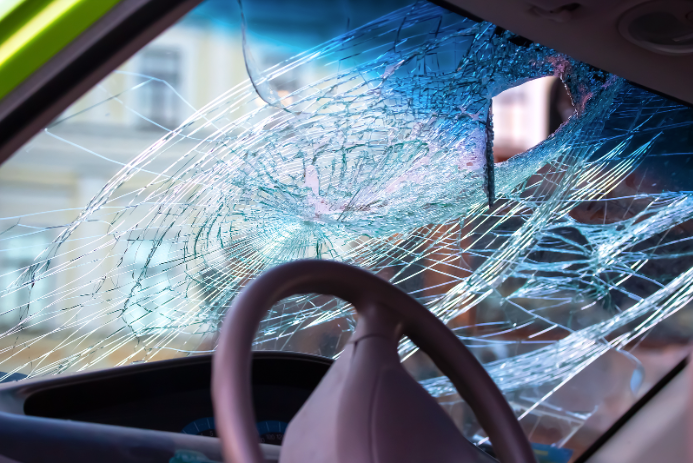
Credit: www.habbaspilaw.com
Preventive Measures For Windshield Protection
Windshield damage from rocks can be frustrating and dangerous. Protecting your windshield is essential. Prevention is key to avoiding costly repairs. By adopting preventive measures, drivers can minimize risks. This section explores effective strategies for windshield protection.
Safe Driving Practices
Maintain a safe distance from other vehicles. This reduces the chance of rocks hitting your windshield. Drive at moderate speeds on gravel roads. High speeds increase the risk of flying debris. Stay vigilant and avoid tailgating. Tailgating can lead to more rock impacts.
Using Windshield Protectors
Consider installing a windshield protector. These can shield your glass from minor impacts. Protectors are easy to apply and remove. They act as a barrier against rocks and debris. Regularly check the protector for damage. Replace it if necessary to ensure maximum protection.
Avoiding High-risk Areas
Avoid construction zones whenever possible. These areas have loose gravel and debris. Choose alternate routes if construction is ongoing. Driving on paved roads reduces the risk of rock damage. Be cautious in rural areas with unpaved roads. Rocks are more prevalent in these locations.
Steps To Take After Windshield Damage
Experiencing a rock hitting your windshield can be alarming. Knowing the steps to take after windshield damage is crucial. Acting quickly can prevent further issues and ensure safety. This guide covers immediate actions, insurance contact, and deciding between repair and replacement.
Immediate Actions
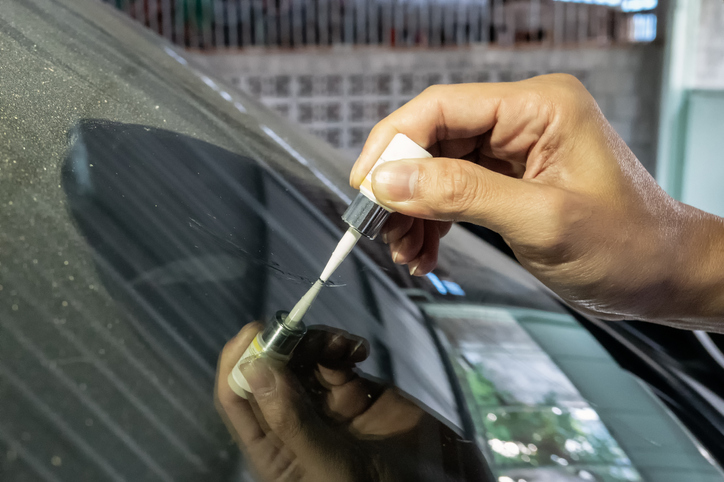
First, assess the damage carefully. Look for cracks or chips. Small chips are easier to fix. Large cracks may need more attention. Next, clean the affected area. Use a soft cloth to remove dirt. Avoid applying pressure. This prevents worsening the damage.
Consider covering the chip or crack. Use clear tape to protect it. This keeps out moisture and dirt. Avoid washing the car until it’s repaired. Water can worsen the crack. Drive cautiously to prevent further impact.
Contacting Insurance Providers
Once the damage is assessed, contact your insurance provider. Check your policy for coverage details. Some policies cover windshield repairs. Others may require a deductible. Provide clear information about the damage. Take photos if possible. This helps with the claim process.
Ask about preferred repair shops. Some insurers have partnerships with specific companies. Inquire about the claims process timeline. Knowing the steps can ease your stress. Confirm any costs involved before proceeding.
Repair Vs. Replacement
Deciding between repair and replacement depends on the damage. Small chips are often repairable. This is quicker and cheaper. Large cracks may require replacement. Safety is a priority. A damaged windshield can obstruct vision.
Consult a professional for advice. They can assess the damage accurately. Repairing promptly prevents further damage. Replacement ensures structural integrity. Consider the costs and benefits of each option. Make an informed decision.
Frequently Asked Questions
Are You Responsible If A Rock Hits Your Windshield?
You’re generally not responsible if a rock hits your windshield. Insurance may cover the damage. Check your policy for details. Contact your insurer to file a claim.
Does Insurance Cover Rock Hitting The Windshield?
Most comprehensive auto insurance plans cover windshield damage from rocks. Coverage often includes repair or replacement. Check your policy details for specifics. Deductibles may apply, impacting out-of-pocket costs. Contact your insurance provider for clarity on coverage and claims process.
How Much Does It Cost To Repair A Rock Hit Windshield?
Repairing a rock hit windshield typically costs between $50 to $150, depending on damage severity. Insurance may cover some costs. Local repair shops might offer competitive pricing. Prompt repairs prevent further damage, ensuring safety. Always compare estimates before proceeding.
Is It Worth Filing A Claim For A Windshield?
Filing a windshield claim is worth it if repair costs exceed your insurance deductible. Check your policy details. Small chips might not be worth claiming due to potential premium increases. Consider repair costs and potential future impacts on your insurance rates before deciding.
Conclusion
Understanding who is responsible for rock damage is essential. Drivers often face this issue unexpectedly. Responsibility can vary by situation. Sometimes, it’s the vehicle in front. Other times, it’s unavoidable road debris. Always drive cautiously and maintain safe distances. Check your insurance for coverage details.
This can ease repair costs. Stay informed about local laws. They can influence liability. Regular windshield checks can help spot damage early. Protect your vehicle and drive safely.

Automotive Specialist & Expert Mechanic
Noah Brooks is a skilled automotive expert with a passion for both the technical and creative aspects of the automotive world. With years of experience in repairing, restoring, and enhancing vehicles, Noah is known for his deep knowledge of car mechanics, parts, and accessories. His expertise extends to welding, troubleshooting, and offering advice on the latest car technologies and trends. Whether it’s diagnosing complex issues or guiding readers through DIY car repairs, Noah’s blog posts are filled with hands-on insights that appeal to both novice and experienced car enthusiasts. When he’s not writing, Noah is working on his own car projects, continually learning and sharing his automotive passion with the world.