Why are Some Fuel Rails Rectangular in Shape: Design Insights
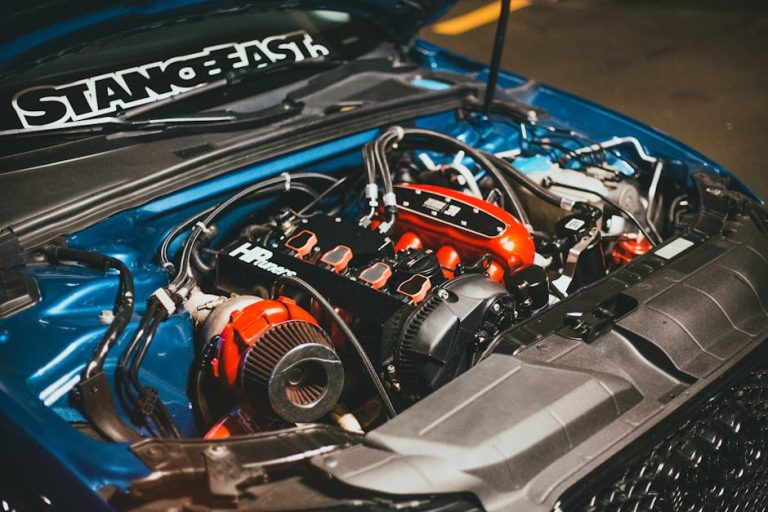
Have you ever popped the hood of a car and noticed that some fuel rails are rectangular? You might be wondering why they aren’t all the same shape.
This isn’t just a design choice; there’s a fascinating reason behind it. Understanding the shape of fuel rails can give you insights into their functionality and efficiency. By the end of this article, you’ll not only know why some fuel rails are rectangular but also how this impacts your vehicle’s performance.
Stay with us as we unveil the secrets behind this essential car component. Your curiosity is about to be rewarded!
Fuel Rail Basics
Some fuel rails are rectangular to optimize space in the engine bay. This shape allows for easier installation and alignment. It also helps distribute fuel evenly to injectors for better engine performance.
Understanding the basics of fuel rails is essential for anyone curious about how modern engines work. These components play a crucial role in delivering fuel to the engine efficiently. Their design can significantly impact performance and efficiency, which is why some fuel rails are rectangular in shape.What Is A Fuel Rail?
A fuel rail is a pipe-like component that delivers fuel to the injectors in an engine. Think of it as a highway for fuel, ensuring each injector receives the right amount of fuel at the right time. The shape and design of the fuel rail can affect how efficiently this process occurs.Why Shape Matters
The shape of a fuel rail can influence the flow and pressure of the fuel. Rectangular fuel rails often provide better distribution compared to round ones. This design can help minimize pressure fluctuations, leading to more consistent fuel delivery.Efficiency And Performance
Rectangular fuel rails can enhance engine performance. By providing uniform fuel distribution, they help optimize combustion, which can improve power output and fuel efficiency. This can be particularly beneficial for high-performance vehicles or those seeking better fuel economy.Personal Insights
I once upgraded my car’s fuel rail to a rectangular design. The difference in performance was noticeable almost immediately. The engine ran smoother, and I even observed a slight improvement in fuel consumption. Have you ever considered what changes might make your vehicle run better?Are Rectangular Rails Right For You?
Consider your vehicle’s needs and your driving style. If you’re looking for improved performance or efficiency, a rectangular fuel rail might be a worthwhile investment. However, it’s crucial to ensure compatibility with your engine setup. Understanding why some fuel rails are rectangular can enhance your knowledge about vehicle performance. Next time you pop the hood, take a moment to appreciate the engineering that goes into these essential components.Rectangular Shape Benefits
The rectangular shape of fuel rails offers several distinct advantages. These benefits contribute to the overall efficiency and durability of fuel systems. Understanding these advantages can provide insights into why many manufacturers choose this design for their vehicles.
Space Efficiency
Rectangular fuel rails maximize space within the engine compartment. Their shape allows for a snug fit alongside other components. This efficient use of space helps in compact vehicle designs. Engineers can design engines with tighter layouts without compromising functionality. This space-saving design is crucial in modern, smaller vehicles.
Structural Integrity
Rectangular fuel rails offer enhanced structural integrity. Their shape provides a robust framework to withstand pressure. High-pressure environments need sturdy components to prevent leaks. The rectangular design ensures that fuel rails maintain their shape and function. This durability is essential for reliable engine performance.
Manufacturing Considerations
When it comes to the design of fuel rails, you might wonder why some are rectangular. The answer lies in the realm of manufacturing considerations. From material selection to production techniques, every detail plays a crucial role in shaping these components. Let’s dive into the specifics and uncover the reasons behind these choices.
Material Selection
Choosing the right material for fuel rails is like picking the best tool for a job. Manufacturers need materials that offer strength, durability, and resistance to corrosion. Aluminum is a popular choice due to its lightweight nature and excellent thermal conductivity. This means it can effectively dissipate heat, a crucial factor for engine efficiency.
Imagine driving your car on a hot summer day. The fuel rail must withstand high temperatures without deforming. That’s where stainless steel comes into play. It’s known for its robustness and ability to resist rust, making it an ideal choice for environments exposed to moisture and varying temperatures.
Production Techniques
How are these rectangular fuel rails produced? It’s all about precision and efficiency. Manufacturers often use CNC machining, a process that allows for high accuracy and consistency. This technique ensures that each fuel rail meets the exact specifications required for optimal engine performance.
Think about a time when you assembled a model kit. Precision was key to ensuring all parts fit perfectly together. Similarly, in the world of automotive engineering, every millimeter counts. CNC machining allows for tight tolerances, which means the fuel rail can fit seamlessly with other engine components, reducing the risk of leaks or malfunctions.
Another interesting technique is extrusion, where heated material is pushed through a shaped die. This process can create complex profiles, including rectangular shapes, with minimal waste. It’s like squeezing toothpaste out of a tube, but with much more control and precision.
Manufacturing considerations go beyond mere aesthetics. They impact functionality and performance. Next time you pop open the hood of your car, take a moment to appreciate the engineering marvels that fuel your ride. What other design elements have you noticed that seem influenced by manufacturing choices?
Performance Impact
Rectangular fuel rails often surprise car enthusiasts with their design choice. These shapes are not just for aesthetics. They have a significant impact on performance. The structure of a fuel rail influences how fuel is delivered to the engine.
Understanding the reasons behind this design can shed light on its advantages. From pressure management to flow dynamics, each aspect plays a crucial role.
Pressure Management
Rectangular fuel rails help in maintaining consistent pressure. This design allows uniform fuel distribution. It reduces the chances of pressure drops. Engines need stable fuel pressure for optimal performance.
A rectangular shape offers more surface area. This helps in heat dissipation. Controlled pressure ensures efficient fuel delivery. It leads to better engine performance and reliability.
Flow Dynamics
Flow dynamics play a vital role in fuel rail design. Rectangular rails provide a more organized flow path. This shape reduces turbulence inside the rail.
Smoother flow leads to better combustion. With consistent flow, engines achieve peak efficiency. The even distribution of fuel enhances engine response. It ensures every cylinder gets the right amount of fuel.
Comparative Analysis
Fuel rails are essential in delivering fuel to an engine’s injectors. Their shape can impact performance, efficiency, and installation. This comparative analysis explores why some fuel rails are rectangular, focusing on design and application scenarios.
Rectangular Vs. Circular Designs
Rectangular fuel rails offer unique benefits. Their flat sides allow for easy mounting. This can make installation straightforward in tight engine compartments.
They also provide uniform fuel distribution. The design minimizes pressure fluctuations, ensuring consistent fuel flow.
Circular designs are also common. They are often easier to manufacture. Their curved shape helps withstand high pressure.
Yet, they might require additional support. This can complicate installation in some engines.
Application Scenarios
Rectangular fuel rails are often used in high-performance engines. These engines demand precise fuel delivery. The consistent flow can enhance engine efficiency.
They are also suitable for compact engine designs. Their shape fits well in limited spaces.
Circular fuel rails are versatile. Many everyday vehicles use them. They can handle varying pressure levels effectively.
Their durability makes them ideal for long-term use. Especially in engines where pressure fluctuations are common.
Understanding these designs helps in choosing the right one. It depends on engine needs and space limitations.
Future Trends
Some fuel rails are rectangular to ensure even fuel distribution. This shape helps in maintaining consistent fuel pressure. It also supports better fuel atomization, leading to efficient engine performance.
Future trends in automotive engineering are shaping fuel rail designs. Rectangular fuel rails are becoming more common. Their design offers distinct advantages in modern engines. As technology advances, new trends emerge in fuel rail design.Innovation In Fuel Rail Design
Manufacturers explore innovative designs for better performance. Rectangular fuel rails enhance fuel distribution. They provide uniform pressure across the rail. This shape helps in optimizing engine efficiency. Engineers focus on improving fuel delivery systems. Design improvements contribute to cleaner emissions. The rectangular shape allows for flexible installations. It offers more options in engine configurations.Advanced Materials
Materials play a crucial role in fuel rail development. Advanced materials improve durability and performance. Lightweight materials reduce overall engine weight. High-strength alloys ensure longevity and reliability. These materials withstand high pressure and temperature. They minimize wear and tear on the fuel system. New materials lead to improved fuel efficiency. Manufacturers aim for sustainable and eco-friendly options. Better materials mean reduced maintenance costs.Frequently Asked Questions
What Are The 4 Types Of Fuel Systems?
The four types of fuel systems are carbureted, electronic fuel injection (EFI), direct fuel injection, and throttle body injection. These systems manage fuel delivery in vehicles, ensuring optimal performance and efficiency. Each type has its unique design and functionality, catering to different engine requirements.
Do Fuel Rails Increase Hp?
Upgraded fuel rails can improve fuel flow and pressure, potentially increasing horsepower. Enhanced fuel delivery supports engine performance and efficiency. Improved combustion can result in noticeable power gains. Ensure compatibility with other engine components for optimal results. Investing in quality fuel rails may enhance overall driving experience and engine responsiveness.
Do Fuel Injectors Use Special O Rings?
Yes, fuel injectors use special O-rings to ensure a tight seal and prevent leaks. These O-rings are made from materials resistant to fuel and heat. Proper installation and regular inspection of O-rings are crucial for engine performance and efficiency.
What Happens If I Unplug The Fuel Rail Pressure Sensor?
Unplugging the fuel rail pressure sensor causes inaccurate readings. The engine may run rough or stall. Fuel efficiency decreases, and the check engine light may illuminate. Reconnecting the sensor usually resolves issues. Always consult a professional for repairs to ensure safety and proper vehicle function.
Conclusion
Rectangular fuel rails offer specific benefits. Their shape aids in uniform fuel distribution. This ensures consistent engine performance. They fit well in tight engine spaces. Engineers design them for efficiency and practicality. Their shape is not just aesthetic. It plays a functional role in vehicles.
Understanding their design helps in making informed automotive choices. Not all fuel rails are the same. Each design serves a unique purpose. Rectangular ones are just one example. They meet specific automotive needs. So next time, observe the details. They matter for engine efficiency.

Ethan Montgomery is the administrator of carweldhub.com and an expert in the automotive industry. With hands-on experience in welding and a deep understanding of automotive parts and accessories, Ethan brings a wealth of practical knowledge to his work. His passion for the automotive field extends to blog writing and editing, where he shares valuable insights and tips with enthusiasts and professionals alike. Whether you’re looking for detailed technical advice or the latest trends in automotive technology, Ethan’s expertise makes him a trusted resource in the automotive community.