

Why Vacuum Pump Oil Triumphs Over Refrigerant Oil?
Have you ever wondered why your refrigeration system isn’t just filled with refrigerant oil? If you’re curious about what goes on behind the scenes to keep your cooling systems running smoothly, you’re not alone.
There’s a hidden hero in this process that often goes unnoticed—vacuum pump oil. This specialized oil plays a crucial role in ensuring your refrigeration systems operate efficiently and without a hitch. By understanding why vacuum pump oil is preferred over refrigerant oil, you can make informed decisions about maintaining your cooling systems.
Prepare to dive into this intriguing aspect of refrigeration technology and discover how it impacts your everyday life. Stay with us, and we’ll unravel the mystery together.
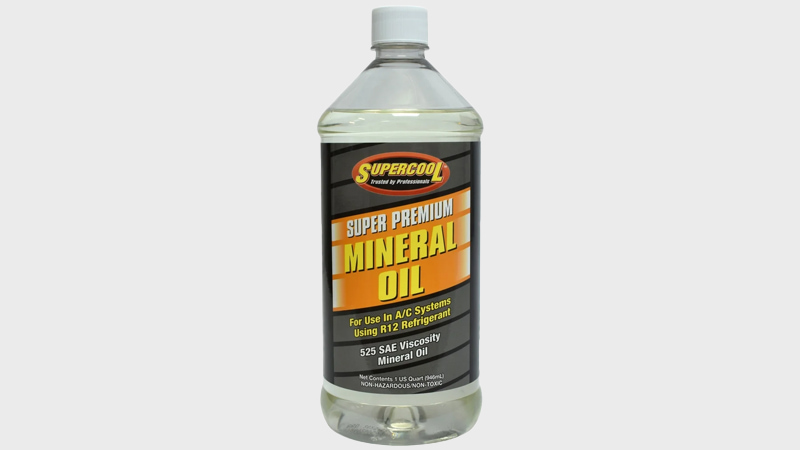
Credit: hvacolink.com
Purpose And Functionality
Vacuum pump oil is essential due to its low vapor pressure, ensuring effective air removal in vacuum systems. It differs from refrigerant oil, which lubricates compressors, highlighting its unique role in maintaining system efficiency and performance.
Vacuum pump oil and refrigerant oil serve crucial roles in their respective systems. Each oil has distinct purposes and functionalities that impact the performance and longevity of the systems. Understanding why vacuum pump oil is used instead of refrigerant oil hinges on comprehending these roles.
Role In Vacuum Systems
Vacuum pump oil is the lifeline of vacuum systems. It ensures efficient operation by creating a seal within the pump, allowing it to maintain a vacuum. This oil reduces friction between moving parts, preventing wear and tear. Imagine your car engine running smoothly because of good quality oil. Similarly, vacuum pump oil keeps the pump running efficiently and extends its life. Its unique properties allow it to operate at high temperatures without breaking down. Vacuum pump oil also helps in maintaining a clean system. It traps impurities, preventing them from damaging the internal components. Without this oil, your vacuum system could fail prematurely.
Role In Refrigeration Systems
Refrigerant oil plays a different role in refrigeration systems. It is specifically designed to mix with refrigerants, ensuring smooth circulation and effective heat transfer. This oil helps in lubricating compressors, which are the heart of refrigeration systems. Consider how your refrigerator keeps your food fresh. Refrigerant oil is part of this process, ensuring the compressor functions optimally. It has a chemical compatibility with refrigerants, allowing them to work together seamlessly. Unlike vacuum pump oil, refrigerant oil must resist chemical reactions with refrigerants. This ensures the system remains efficient without any blockages or damage. Would you use vacuum pump oil here? No, because it lacks this compatibility. Understanding these roles can help you make informed choices about the oils used in different systems. Next time you face a maintenance issue, ask yourself: Is the right oil being used for the right purpose?

Credit: www.amazon.com
Performance Characteristics
Performance characteristics are key in choosing vacuum pump oil over refrigerant oil. Each has unique traits that impact machinery function. Understanding these traits helps make informed choices. Let’s explore some crucial characteristics.
Viscosity And Flow
Viscosity affects how oil flows through a system. Vacuum pump oil has lower viscosity. This ensures smooth flow and reduces wear and tear. Refrigerant oil is thicker. It is not ideal for vacuum environments. Lower viscosity in vacuum pump oil enhances efficiency. It ensures machines run smoothly and efficiently.
Thermal Stability
Thermal stability is vital for maintaining oil performance. Vacuum pump oil offers excellent thermal stability. It withstands high temperatures without breaking down. Refrigerant oil may degrade under similar conditions. This leads to potential system failures. Stable thermal properties in vacuum pump oil ensure reliability. It keeps machinery running without interruptions.
Contamination Resistance
Vacuum pump oil plays a crucial role in preventing contamination. It is designed to maintain the purity of the vacuum environment. This oil protects the vacuum system from external pollutants. Using vacuum pump oil ensures the longevity and efficiency of the equipment. Vacuum systems are sensitive to impurities, which can cause damage. Preventing contamination is essential for optimal performance.
Moisture Absorption
Vacuum pump oil is less likely to absorb moisture. Moisture can cause corrosion and damage to the system. The oil’s low moisture absorption keeps the system dry. This feature is vital in maintaining the system’s integrity. Refrigerant oil may not offer the same level of protection. Choosing the right oil helps avoid costly repairs.
Particulate Filtration
Vacuum pump oil filters out particulates effectively. These particles can clog and damage the system. The oil traps and removes these impurities. This process helps in maintaining a clean system. Refrigerant oil might not filter particulates efficiently. Using vacuum pump oil reduces the risk of contamination. Clean systems operate more efficiently and last longer.
Lubrication Properties
Vacuum pump oil serves an essential role in lubrication. It provides superior lubrication compared to refrigerant oil. Its design caters specifically to the demands of vacuum pumps. This oil enhances smooth operation and reduces friction. The unique composition of vacuum pump oil ensures efficient performance.
Wear And Tear Reduction
Vacuum pump oil minimizes wear and tear. It forms a protective layer over moving parts. This layer reduces direct contact between metal surfaces. Less contact means less wear. It helps prevent damage to components. This reduction in wear extends the life of the pump.
Longevity Of Equipment
Using vacuum pump oil increases equipment longevity. It resists high temperatures and maintains viscosity. This consistency ensures stable operation. It minimizes the risk of overheating. Equipment runs smoothly for longer periods. Regular use of vacuum pump oil keeps machinery in good condition.
Operational Efficiency
Operational efficiency in machinery is crucial for performance. Vacuum pump oil plays a vital role in enhancing this efficiency. It offers unique benefits compared to refrigerant oil. These benefits include energy savings and improved reliability.
Energy Consumption
Vacuum pump oil reduces energy consumption significantly. It provides better lubrication compared to refrigerant oil. This smooth operation decreases the energy required to run the system. Lower energy usage leads to cost savings. It also minimizes environmental impact. Efficient energy use is a priority in industrial applications. This makes vacuum pump oil an ideal choice.
System Reliability
System reliability is essential for consistent operations. Vacuum pump oil enhances system reliability through superior lubrication. This reduces wear and tear on components. Reliable systems experience fewer breakdowns. This means less downtime and lower maintenance costs. Vacuum pump oil’s stability ensures long-term performance. This contributes to overall operational efficiency.
Cost Effectiveness
Choosing the right oil for a vacuum pump is vital. Cost effectiveness plays a major role in this decision. Many industries prefer vacuum pump oil over refrigerant oil. The reason is simple: it saves money in the long run. Understanding the cost benefits can help make informed decisions.
Long-term Savings
Vacuum pump oil offers significant long-term savings. It maintains efficiency for a longer time. This reduces the need for frequent replacements. Over time, less money is spent on oil changes. This adds up to substantial savings. Industries can allocate these savings to other vital areas.
Maintenance Costs
Maintenance costs are lower with vacuum pump oil. It protects pump components effectively. This reduces wear and tear. Refrigerant oil might require more frequent maintenance. This can increase costs significantly. Vacuum pump oil ensures fewer breakdowns. This leads to fewer repair expenses. Efficient performance means less downtime, saving money and resources.
Environmental Impact
Vacuum pump oil and refrigerant oil play distinct roles. Each has a unique impact on the environment. Understanding these differences can help make eco-friendly choices. Choosing the right oil can reduce environmental harm.
Eco-friendly Options
Vacuum pump oil is often less harmful to the environment. It typically degrades more easily than refrigerant oil. Many brands offer biodegradable options. These are designed to break down quickly. This reduces long-term environmental impact.
Disposal And Recycling
Proper disposal of vacuum pump oil is crucial. It should not be poured down drains. Many facilities provide oil recycling services. This helps prevent pollution. Recycling can reclaim useful components from the oil.
Refrigerant oil requires careful handling too. It can contain harmful chemicals. These chemicals can damage ecosystems. Always follow local guidelines for disposal. Safe disposal protects the environment from contamination.
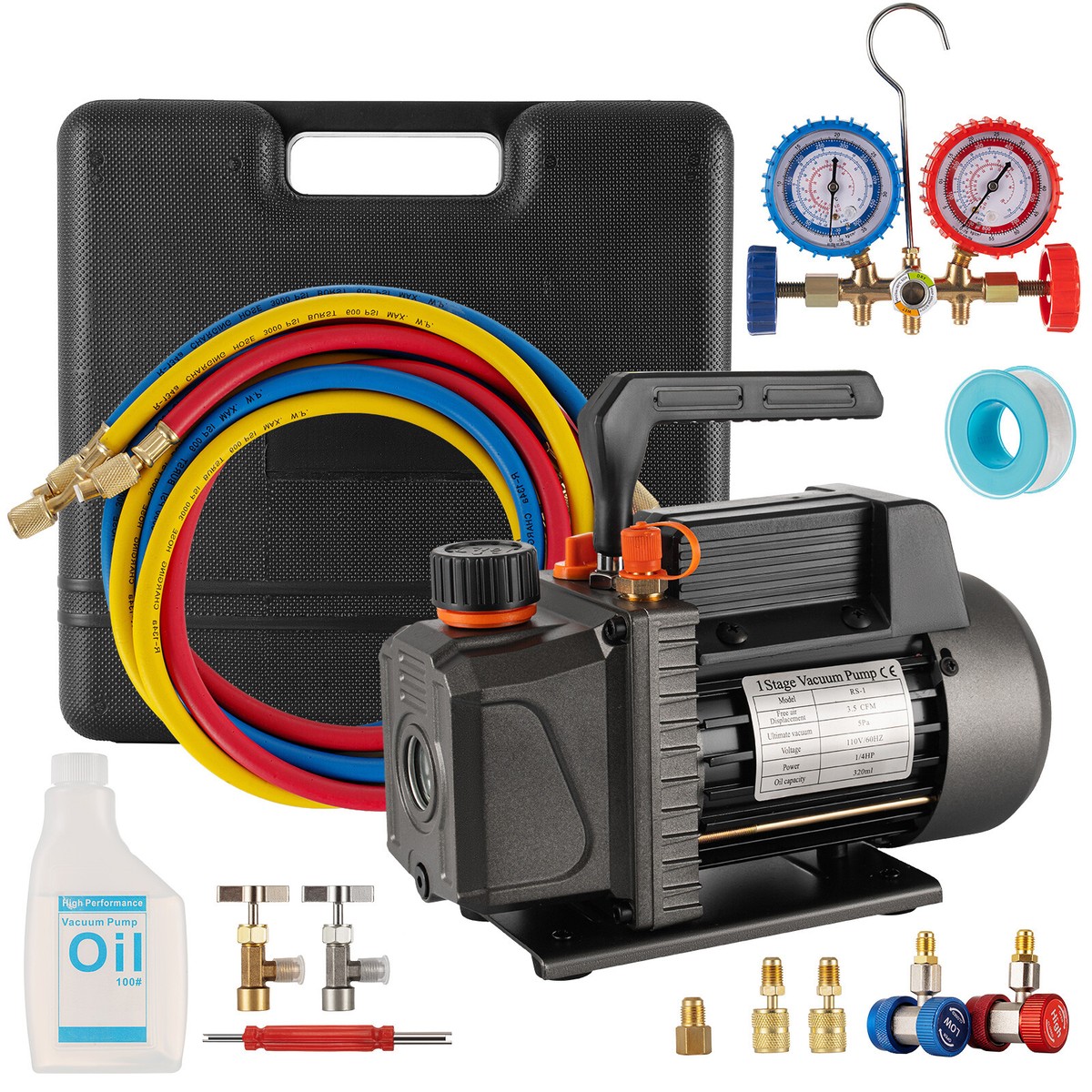
Credit: www.ebay.com
Frequently Asked Questions
Why Is Vacuum Pump Oil Used In A Vacuum Pump Instead Of Refrigerant Oil?
Vacuum pump oil is specifically formulated to maintain low vapor pressure and lubricate pump components. Refrigerant oil lacks these properties, compromising performance and potentially causing damage. Using the right oil ensures efficient pump operation and longevity, while preventing contamination and maintaining optimal vacuum levels.
Why Must Vacuum Pump Oil Only Be Used For A Deep Vacuum?
Vacuum pump oil ensures optimal performance and longevity by reducing friction and wear during deep vacuum operations. Its low vapor pressure prevents contamination and maintains the vacuum’s efficiency, safeguarding the system. Regular oils lack these properties, risking damage and reduced vacuum levels.
Always use specified vacuum pump oil for best results.
Can I Use A Vacuum Pump To Evacuate Refrigerant?
No, you shouldn’t use a vacuum pump to evacuate refrigerant. Vacuum pumps are designed for removing air and moisture, not refrigerants. Use a dedicated refrigerant recovery machine to safely evacuate and handle refrigerants.
Can I Use Pag Oil In A Vacuum Pump?
PAG oil is generally not recommended for vacuum pumps. It’s designed for AC systems. Using it might damage your pump. Always check the pump manufacturer’s guidelines for the correct oil type. Proper maintenance ensures efficient pump performance and longevity.
Conclusion
Choosing vacuum pump oil over refrigerant oil is crucial. It ensures optimal performance and longevity of vacuum systems. Vacuum pump oil has specific properties that refrigerant oil lacks. It provides better lubrication and reduces wear. The right oil prevents contamination and maintains system efficiency.
Using the wrong oil can cause damage and costly repairs. Always select the correct oil for your equipment. This decision protects your investment and ensures smooth operation. Understanding these differences is vital for system health. Proper maintenance with suitable oil ensures reliable performance.
Keep your system running efficiently and effectively.

Ethan Montgomery is the administrator of carweldhub.com and an expert in the automotive industry. With hands-on experience in welding and a deep understanding of automotive parts and accessories, Ethan brings a wealth of practical knowledge to his work. His passion for the automotive field extends to blog writing and editing, where he shares valuable insights and tips with enthusiasts and professionals alike. Whether you’re looking for detailed technical advice or the latest trends in automotive technology, Ethan’s expertise makes him a trusted resource in the automotive community.