Does a Golf Cart Have a Vin Number: Essential Facts Revealed
Have you ever wondered if your golf cart has a VIN number? It’s a question many golf cart owners and buyers ask but don’t always find clear answers to.
Knowing whether your golf cart has a Vehicle Identification Number can affect everything from registration to resale value. If you want to avoid surprises and make smart decisions about your golf cart, keep reading. This article will clear up the confusion and give you the facts you need.

Credit: carts-and-parts.com
What Is A Vin Number
A VIN number is a unique code used to identify vehicles. Some golf carts have VIN numbers, especially those made for street use. This helps track ownership and registration details.
Understanding the concept of a VIN (Vehicle Identification Number) is essential for anyone owning or considering purchasing a vehicle, including golf carts. This unique code serves as a fingerprint for your vehicle, offering a treasure trove of information. But what exactly does this number reveal, and why is it important?What Is A Vin Number?
A VIN number, or Vehicle Identification Number, is a 17-character string of letters and numbers that uniquely identifies a vehicle. It acts as a unique identifier, akin to a social security number for cars, trucks, and yes, even some golf carts. Think of it as a key to accessing a vehicle’s history, specifications, and much more.The Structure Of A Vin Number
Each segment of a VIN number holds specific information about the vehicle. – First character: Reveals the country of manufacture. – Second and third characters: Indicate the manufacturer. – Fourth to eighth characters: Describe the vehicle type, engine size, and model. Understanding this structure can help you interpret the VIN with greater ease. It’s fascinating how much information is packed into just 17 characters!Why Vin Numbers Matter
VIN numbers are crucial for several reasons. They assist in tracking recalls, registrations, warranty claims, thefts, and insurance coverage. When buying a used vehicle, checking the VIN can reveal any past accidents, giving you peace of mind. Would you buy a used car without knowing its history? Probably not. The same logic applies to golf carts and other vehicles.Do Golf Carts Have Vin Numbers?
Not all golf carts come with a VIN number, but many models do, especially those intended for street use. Street-legal golf carts require registration and insurance, necessitating a VIN. Manufacturers may issue an alternative number for non-street-legal carts, often called a serial number. It’s essential to know what you’re looking for when purchasing or registering a golf cart.How To Locate The Vin Number
Finding the VIN on a golf cart can be a bit tricky. Common locations include: – The dashboard, visible through the windshield. – Under the seat or on the frame near the steering column. – On the cart’s paperwork or owner’s manual. Knowing where to look can save you time and frustration. It’s like going on a little treasure hunt for crucial information!The Importance Of Vin Verification
Verifying the VIN is a step you should never skip. It ensures that the vehicle matches the documents provided by the seller. Imagine the headache of discovering a mismatch after purchase. Double-checking the VIN against official records can prevent potential fraud and costly errors. Understanding VIN numbers empowers you as a consumer. Whether you’re buying a car or a golf cart, this knowledge can save you time, money, and stress. So, next time you’re in the market, take a closer look at that string of 17 characters—it’s more important than you might think!Vin Numbers On Golf Carts
VIN numbers on golf carts help identify each vehicle uniquely. They work like a fingerprint for cars, but not all golf carts have them. Understanding when a golf cart has a VIN number is important for registration and resale. This section explains the scenarios with and without VINs on golf carts.
When Golf Carts Have Vins
Golf carts get VIN numbers mainly if they are street-legal. Street-legal carts must meet safety standards and registration rules. These carts need a VIN for identification by the Department of Motor Vehicles (DMV). Electric and gas-powered carts designed for roads often have VINs. Some manufacturers assign VINs to all models for tracking and warranty purposes. Custom-built or modified golf carts may also receive a VIN during inspection.
Situations Without Vins
Many golf carts used only on private property do not have VINs. Off-road or recreational carts often lack this number. These carts do not require registration or licensing. Older models, especially vintage carts, might never have had a VIN assigned. Golf carts used exclusively on golf courses or resorts usually do not carry VINs. Without VINs, it can be harder to prove ownership or value in some cases.
How To Find A Golf Cart Vin
Finding the VIN on a golf cart can be simple with the right guidance. The VIN is a unique code that identifies the vehicle. It helps with registration, insurance, and tracking. Knowing where to look saves time and effort. This section explains common spots and how to verify the information from the manufacturer.
Common Vin Locations
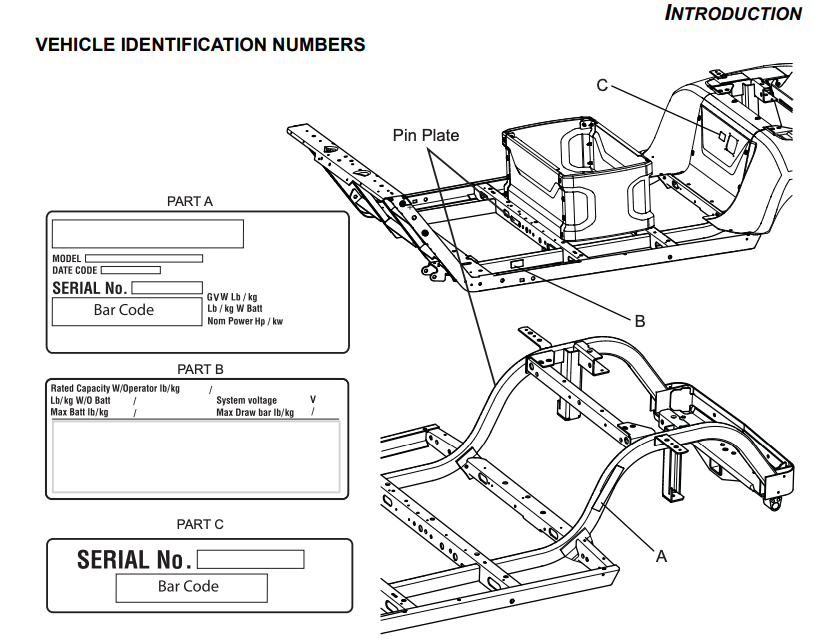
VINs on golf carts are usually in easy-to-see places. Check these areas:
- Near the steering column, often under the dashboard
- On the frame, near the front or rear wheels
- Under the seat or inside the battery compartment
- On a metal plate attached to the cart’s body
Look carefully for a series of letters and numbers. The VIN may be stamped or printed on a sticker. Clean the area if dirt covers it. Some carts have the VIN in more than one spot.
Checking Manufacturer Details
Every golf cart maker has a specific VIN format. You can confirm the VIN by checking the manufacturer’s records. Visit the manufacturer’s website or contact their support. Provide the VIN and ask for details about your cart. This helps confirm the cart’s model, year, and origin. It also ensures the VIN is valid and not duplicated.
Credit: www.gowithgarretts.com
Importance Of Vin For Golf Carts
Vehicle Identification Numbers (VINs) play a key role in identifying golf carts. They act as a unique fingerprint for each cart. This number helps track the cart’s history and ensures proper documentation. Understanding the importance of VINs helps golf cart owners stay organized and legal.
Legal And Registration Needs
A VIN helps in the legal registration of golf carts. Many states require a VIN for official registration. This number allows authorities to verify ownership and compliance. It also aids in ensuring the cart meets safety standards. Without a VIN, registering the cart can become difficult or impossible.
Resale And Ownership Tracking
VINs provide a clear history of ownership for golf carts. They help buyers confirm the cart is not stolen or involved in disputes. A VIN also records past accidents or repairs. This information builds trust between buyers and sellers. Tracking ownership through VINs simplifies the resale process and protects both parties.
Golf Cart Identification Alternatives
Golf carts may not always have a Vehicle Identification Number (VIN) like cars. Identifying them requires other details. These details help track ownership and verify the cart’s history. Knowing these alternatives is useful for buyers, sellers, and owners.
Serial Numbers
Every golf cart has a unique serial number. It acts as its fingerprint. This number is usually stamped on the frame or chassis. It helps identify the cart’s production details. Serial numbers are essential for registration and repairs.
Manufacturers use these numbers to track warranty claims. Service centers rely on them for ordering parts. Always check the serial number before buying a used cart. It confirms the cart’s identity and authenticity.
Model And Make Information
The model and make provide important clues about a golf cart. They tell the brand and design type. This information is often found on a metal plate inside the cart. Sometimes it is under the seat or near the dashboard.
Knowing the model helps find the right parts and accessories. It also shows the cart’s age and features. Make and model data assist in comparing different golf carts. This helps in making informed decisions.

Credit: carts-and-parts.com
Tips For Buying A Golf Cart
Buying a golf cart can be exciting, but it requires careful attention to details you might easily overlook. Knowing what to check ensures you get a reliable cart that fits your needs. Let’s look at some practical tips that will help you make a smart purchase.
Verifying Vin Or Serial Number
Not all golf carts have a VIN, but many come with a serial number that acts like an ID. Always ask the seller for this number and verify it with the manufacturer or a trusted database.
This step helps confirm the cart’s history and legitimacy. It can also reveal if the cart was ever reported stolen or damaged. Don’t skip this—imagine buying a cart only to find out it has a questionable past.
Inspecting Cart Condition
Take a close look at the cart’s body, tires, and battery. Small rust spots or worn tires might mean future repairs. Check the battery charge and ask how old it is; replacing batteries can be costly.
Test drive the cart to feel how it handles and listen for unusual noises. Pay attention to brakes, steering, and acceleration. Remember, a cart that looks good but doesn’t run smoothly can cost you more in the long run.
Frequently Asked Questions
Does Every Golf Cart Have A Vin Number?
Not all golf carts have VIN numbers. Street-legal golf carts usually have VINs for registration. Recreational carts often lack VINs, as they are not required by law.
Where Can I Find A Golf Cart’s Vin Number?
The VIN number is typically on the frame near the front or under the seat. It may also be on the cart’s registration or title documents.
Why Do Some Golf Carts Lack A Vin Number?
Non-street legal golf carts don’t require VINs. These carts are mainly used on private property and don’t need official vehicle identification.
Can A Golf Cart’s Vin Number Help With Theft Recovery?
Yes, a VIN number helps identify and recover stolen golf carts. It provides unique identification for law enforcement and insurance purposes.
Conclusion
Golf carts sometimes have a VIN number, depending on their use. Street-legal carts usually require a VIN for registration. Off-road or private property carts might not have one. Knowing this helps with buying or registering your cart. Always check local laws before making a decision.
VIN numbers help track ownership and ensure safety compliance. This small detail can save you trouble later. Stay informed and choose wisely for your golf cart needs.

Ethan Montgomery is the administrator of carweldhub.com and an expert in the automotive industry. With hands-on experience in welding and a deep understanding of automotive parts and accessories, Ethan brings a wealth of practical knowledge to his work. His passion for the automotive field extends to blog writing and editing, where he shares valuable insights and tips with enthusiasts and professionals alike. Whether you’re looking for detailed technical advice or the latest trends in automotive technology, Ethan’s expertise makes him a trusted resource in the automotive community.