How to Grease Ball Joints: Easy Steps for Lasting Performance
Are you hearing strange noises when you turn your steering wheel? Or maybe your ride feels rougher than usual?
These could be signs that your ball joints need attention. Greasing ball joints is a simple but crucial step to keep your vehicle running smoothly and safely. If you want to avoid costly repairs and enjoy a smoother drive, learning how to grease your ball joints properly is a skill you don’t want to miss.
Keep reading, and you’ll discover easy, step-by-step tips to protect your car and save money.
Tools And Materials Needed
Greasing ball joints requires the right tools and materials for a smooth process. Having everything ready makes the job easier and safer. This section covers the key items needed to grease ball joints effectively.
Types Of Grease
Choose grease that fits your vehicle’s needs. Common types include:
- Lithium-based grease: Good for general use and water resistance.
- Calcium sulfonate grease: Offers strong protection and lasts longer.
- Polyurea grease: Works well in high-temperature conditions.
Check your vehicle manual to find the recommended grease type.
Grease Gun Options
A grease gun delivers grease to the ball joint easily. Options include:
- Manual grease gun: Hand-powered, affordable, and simple to use.
- Lever grease gun: Provides more pressure for tight fittings.
- Battery-powered grease gun: Fast and less effort, best for frequent use.
Pick one that fits your comfort and the task size.
Safety Gear
Protect yourself during the greasing process. Important safety gear includes:
- Gloves: Keep your hands clean and safe from chemicals.
- Safety glasses: Protect eyes from grease splashes.
- Work clothes: Wear clothes that you don’t mind getting dirty.
Safety gear helps avoid injuries and keeps the work area clean.
Credit: erp.irs.kg.gov.ng
Locating Ball Joints
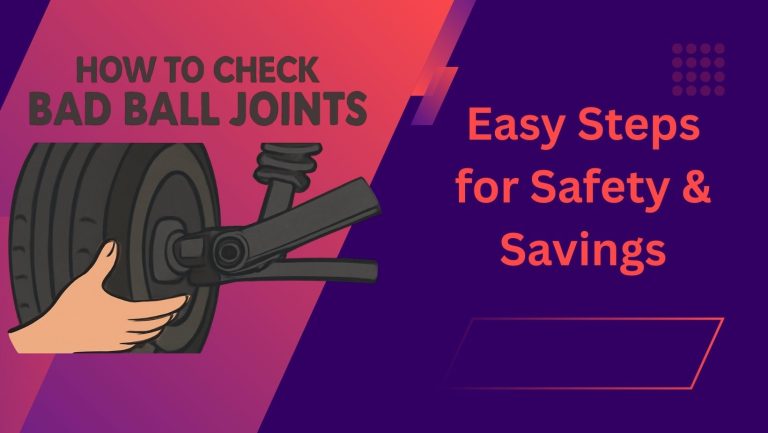
Locating ball joints in your vehicle can seem daunting, but it’s easier than you might think. Understanding their location is crucial for maintenance and can save you from costly repairs down the line. Let’s dive into where these essential components are found.
Front Vs Rear Ball Joints
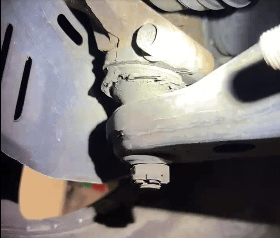
Ball joints are typically found in the front suspension system of most vehicles. They connect the control arms to the steering knuckles, allowing for smooth wheel movement and steering. In some vehicles, especially those with independent rear suspension, you’ll also find ball joints at the rear.
To locate the front ball joints, look beneath the front fender. You’ll spot them near the hub assembly. For rear ball joints, if your vehicle has them, you’ll find them similarly positioned near the rear wheels.
Signs Of Wear
Recognizing wear in ball joints is crucial for vehicle safety. Common signs include unusual noises like clunking or squeaking, especially when turning. Another indicator is uneven tire wear or a feeling of looseness in the steering wheel.
If you notice any of these signs, it’s time to check your ball joints. Ignoring them can lead to further damage and even dangerous driving conditions. Have you ever felt a strange vibration while driving? That could be your vehicle’s way of telling you to inspect those ball joints.
Understanding the location and condition of your ball joints empowers you to maintain your vehicle effectively. Are you confident in identifying these critical components? Remember, timely maintenance can be the difference between a smooth ride and unexpected breakdowns.
Preparing For Greasing
Preparing your ball joints for greasing is a crucial step that many overlook. It sets the stage for effective lubrication and extends the life of your vehicle’s suspension. Taking the time to prepare properly ensures that the grease reaches the parts that need it most without contamination.
Cleaning The Area
Before you start greasing, clean the area around the ball joints thoroughly. Dirt and grime can easily get pushed inside if the surface is not clean. Use a wire brush or a clean rag to remove loose dirt.
Pay special attention to crevices where dirt tends to accumulate. This prevents contamination and helps the grease perform its job better. Have you ever noticed how a little dirt can cause big problems later on?
Removing Dirt And Debris
After brushing off loose dirt, use a degreaser or brake cleaner spray to remove stubborn grime. Spray it generously, then wipe the area with a clean cloth. This step ensures that no particles interfere with the grease’s ability to protect the ball joint.
If you skip this, dirt can mix with the grease and create abrasive paste, which damages the joint. A clean surface means the grease flows smoothly and protects effectively. Remember, a clean workspace often leads to a better outcome.
Greasing Process
Greasing ball joints is essential to keep your vehicle running smoothly and avoid costly repairs. The greasing process might seem straightforward, but doing it correctly ensures the longevity of the ball joints and improves overall vehicle safety. Let’s walk through the key steps that make this task effective and hassle-free.
Attaching The Grease Gun
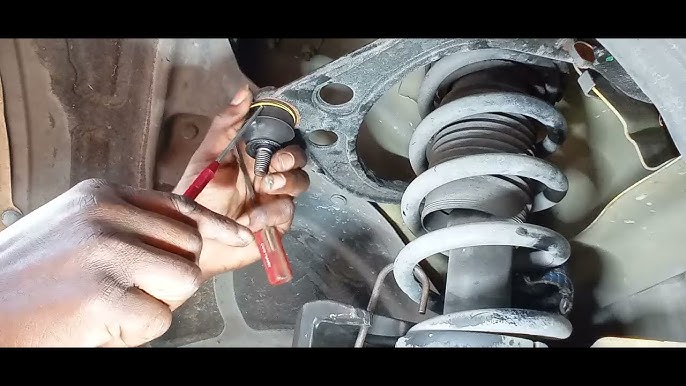
First, you need to securely attach the grease gun to the ball joint’s grease fitting. Make sure the fitting is clean—dirt can contaminate the grease and damage the joint. Firmly connect the grease gun coupler to the fitting until it clicks or feels tight.
If the connection isn’t tight, grease can leak out, reducing the amount that actually reaches the joint. Have you ever noticed grease squirting everywhere? That’s usually because the gun wasn’t attached properly.
Applying The Right Amount
Next, pump the grease gun slowly and steadily. Adding too much grease can cause seals to burst, while too little means insufficient lubrication. Watch for fresh grease oozing out of the joint’s edges—that’s a good sign you’ve added enough.
Think about how often you should grease the joints—overdoing it isn’t better. Tailor the amount to your vehicle’s specific needs, which you can find in its manual or maintenance guide.
Checking For Leaks
After greasing, inspect the area around the ball joint for any grease leaks. Leaks might indicate damaged seals or incorrect greasing technique. Wipe away any excess grease and monitor the joint over the next few days to ensure no fresh leaks appear.
Have you noticed grease stains on your driveway? That could mean a leak from your ball joints or another part. Addressing leaks early prevents bigger problems down the road.
Post-greasing Checks
After greasing ball joints, some checks ensure proper function and durability. These checks help spot any issues early. They prevent damage and keep your vehicle safe.
Testing Ball Joint Movement
Move the ball joint by hand or with a tool. It should move smoothly without stiffness or noise. Too much play means the joint is worn out. Little or no movement shows it is tight and well lubricated. Check for any grinding or rough feeling. These signs suggest more maintenance or replacement is needed.
Inspecting Boots And Seals
Look closely at the rubber boots around the ball joint. They protect grease from dirt and water. Boots must be free of cracks, tears, or holes. Damaged boots let contaminants in, causing wear. Seals should fit tightly and hold grease inside. Replace any damaged boots or seals to keep the joint healthy.
Maintenance Tips
Keeping your ball joints well-greased is key to extending their life and ensuring smooth vehicle operation. Proper maintenance isn’t just about applying grease; it’s about knowing when and how often to do it. Paying attention to maintenance tips can save you from costly repairs and keep your ride safe and comfortable.
Greasing Frequency
How often should you grease your ball joints? It depends on your driving conditions and vehicle type. For most vehicles, greasing every 5,000 to 10,000 miles works well, but tougher conditions like off-roading or frequent exposure to dirt and water demand more frequent attention.
Check your vehicle’s manual for specific recommendations. If you drive in harsh environments, consider greasing your ball joints every 3,000 miles. Regular checks can prevent unexpected wear and tear.
Signs To Re-grease
Can you tell when ball joints need more grease? Look for signs like unusual noises, such as squeaking or clunking when turning or going over bumps. These sounds often indicate the grease has worn off or dried out.
Another sign is visible dirt or rust around the ball joint boot. If the boot looks cracked or damaged, grease can escape and contaminants can enter. Don’t wait for failure—inspect the joints regularly and act quickly if you notice these warning signals.
Common Mistakes To Avoid
Greasing ball joints might seem straightforward, but many people make avoidable mistakes that can reduce the lifespan of these critical components. Knowing what to watch out for helps you save time and money in the long run. Here are some common errors to avoid that often catch even experienced DIYers off guard.
Over-greasing Issues
Adding too much grease can be just as harmful as using too little. Excess grease puts pressure on the seals, causing them to wear out or fail prematurely. This lets dirt and water enter the joint, which speeds up corrosion and damage.
Think about a time you pumped grease until it started oozing out—did you wonder if that was too much? It probably was. A good rule is to add grease until you see a slight bead at the seal, then stop. Over-greasing can also create a mess that attracts debris, making maintenance harder.
Using Incorrect Grease Types
Not all greases are the same, and using the wrong type can undermine your work. Ball joints require a high-quality, lithium-based or synthetic grease that withstands pressure and heat. Using cheap or general-purpose grease can cause premature wear or even failure.
Have you ever grabbed whatever grease was handy and later faced joint squeaks or stiffness? That’s a sign the grease wasn’t right for the job. Always check your vehicle’s manual or product label to confirm the recommended grease type before you start.
Credit: www.ssrfanatic.com

Credit: www.oreillyauto.com
Frequently Asked Questions
What Tools Are Needed To Grease Ball Joints?
You need a grease gun, jack stands, and the correct grease type. Also, have gloves and a rag for cleanliness. These tools help you apply grease safely and effectively to the ball joints.
How Often Should You Grease Ball Joints?
Grease ball joints every 5,000 to 10,000 miles, or as per your vehicle’s manual. Frequent greasing ensures smooth operation and prolongs ball joint life. Check them during regular maintenance for wear or dryness.
Can I Use Any Grease On Ball Joints?
No, use high-quality lithium-based or synthetic grease made for automotive joints. The right grease prevents wear, rust, and maintains lubrication under pressure. Avoid household or general-purpose greases for best results.
What Are Signs Ball Joints Need Greasing?
Listen for clunking noises, uneven tire wear, or steering issues. Visible dirt or rust on joints also indicates the need for lubrication. Regular checks help spot these signs early and prevent damage.
Conclusion
Greasing ball joints helps keep your vehicle running smoothly. It stops wear and tear on parts that move a lot. Regular greasing can save money on repairs later. Use the right grease and tools for best results. Check your ball joints often to catch problems early.
Simple care goes a long way in vehicle safety. Keep your ride steady and quiet by greasing ball joints well. Small steps make a big difference in car maintenance.

Automotive Specialist & Expert Writer
Tyler Kingston is a passionate automotive writer with a wealth of knowledge in all things cars. With years of experience in the automotive industry, Tyler specializes in everything from vehicle maintenance to the latest car technologies and innovations. He is known for his ability to break down complex automotive concepts into easily digestible, engaging content for both novice and experienced car enthusiasts. Whether it’s detailing car repair techniques, reviewing new car models, or diving into the world of auto accessories, Tyler’s articles provide valuable insights to readers. His hands-on experience, combined with a genuine love for cars, allows him to deliver expert advice, tips, and news that keeps readers coming back for more.