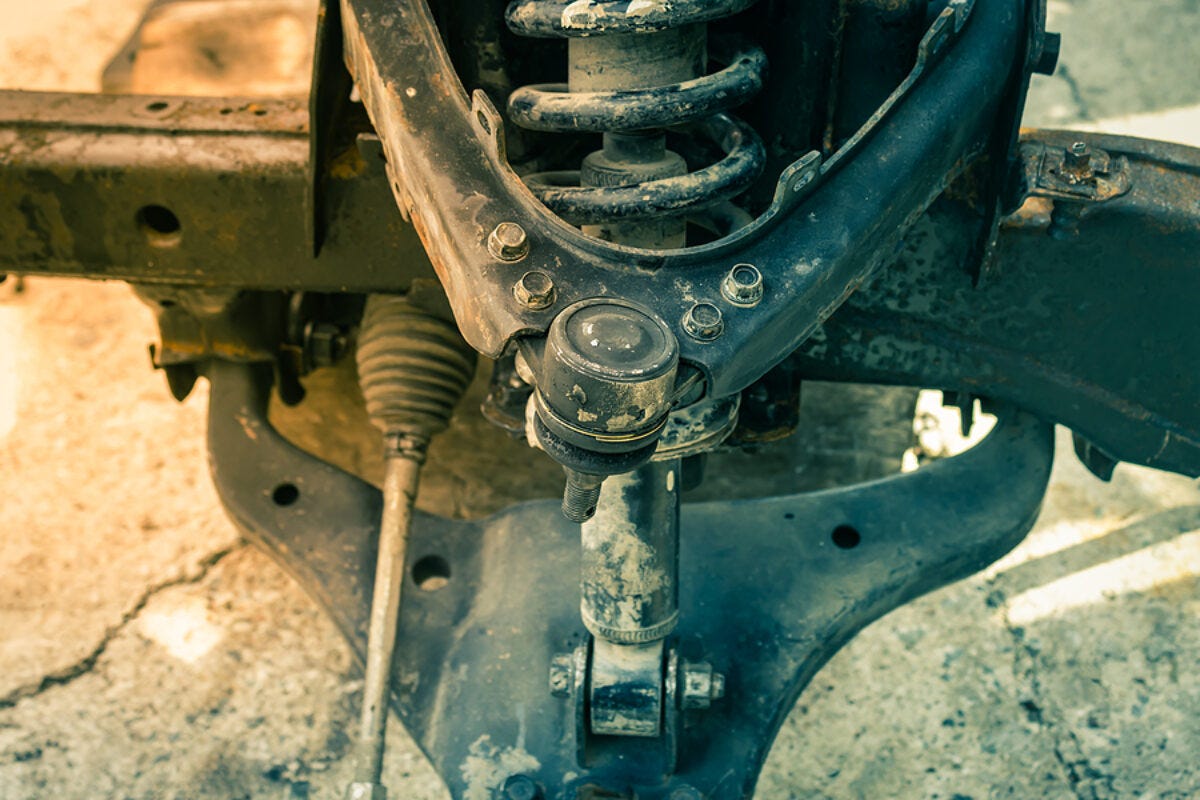
What are Bad Ball Joints: Signs, Causes, and Fixes Explained
Have you ever felt a strange clunk or wobble while driving? That unsettling feeling might be a sign of bad ball joints in your vehicle.
These small parts play a big role in keeping your car’s suspension steady and your ride smooth. Ignoring worn-out ball joints can lead to serious problems, even putting your safety at risk. You’ll discover what bad ball joints are, how to spot the warning signs, and why fixing them quickly is crucial for you and your car.
Keep reading to learn how to protect your ride and avoid costly repairs down the road.
Bad Ball Joints Symptoms
Bad ball joints cause several warning signs while driving. These symptoms affect your vehicle’s safety and performance. Recognizing these signs early can prevent serious damage and costly repairs. Here are common symptoms that indicate bad ball joints.
Unusual Noises
Clunking or knocking sounds near the front wheels often point to worn ball joints. These noises get louder when going over bumps or turning corners. Such sounds mean the ball joints are loose or damaged. Ignoring these noises can lead to more serious suspension problems.
Steering Issues
Bad ball joints make steering feel loose or shaky. You might notice the steering wheel wandering or pulling to one side. This happens because the ball joints no longer hold the suspension tight. Poor steering control reduces driving safety and comfort.
Uneven Tire Wear
Uneven or rapid tire wear can signal bad ball joints. The tires may wear more on one edge than the other. This happens as the suspension alignment shifts due to faulty ball joints. Uneven tires decrease grip and increase the risk of blowouts.
Vibrations While Driving
Feeling vibrations in the steering wheel or floor while driving can indicate bad ball joints. These vibrations often worsen at higher speeds. They result from loose suspension components moving more than usual. Vibrations affect ride quality and vehicle control.

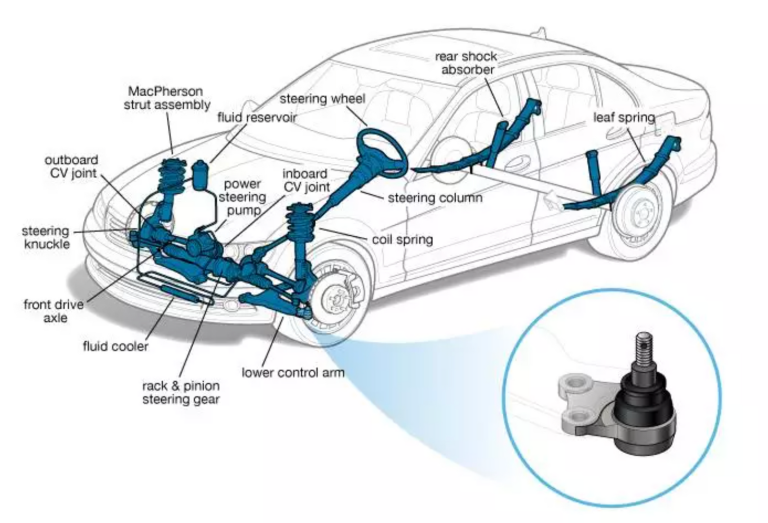
Credit: www.counterman.com
Common Causes Of Ball Joint Failure
Wear and tear over time cause ball joints to fail. Dirt, moisture, and lack of lubrication speed up damage. Sudden impacts or rough driving also lead to bad ball joints.
Ball joints are crucial components in a vehicle’s suspension system. They allow for smooth steering and suspension movement. Over time, these components can fail, leading to serious driving issues. Understanding the common causes of ball joint failure can help prevent costly repairs and ensure safety.Wear And Tear
Ball joints undergo constant pressure and movement. This leads to natural wear over time. Regular driving and road conditions can gradually degrade them. Frequent inspections help detect early signs of wear.Lack Of Lubrication
Proper lubrication is vital for ball joint longevity. Without it, they can grind and wear out quickly. Always check for signs of insufficient lubrication. Grease fittings should be maintained regularly.Exposure To Harsh Conditions
Harsh weather and road conditions can damage ball joints. Salt, water, and debris are common culprits. They cause corrosion and reduce joint effectiveness. Protecting joints from these elements extends their life.Improper Installation
Incorrect installation can lead to premature failure. It affects alignment and causes uneven wear. Always ensure professional installation to avoid issues. Proper alignment checks are crucial after installation.Diagnosing Faulty Ball Joints
Diagnosing faulty ball joints is crucial for maintaining your vehicle’s safety and performance. Ignoring signs of wear can lead to costly repairs and dangerous driving conditions. Knowing how to spot problems early lets you address them before they escalate.
Visual Inspection Tips
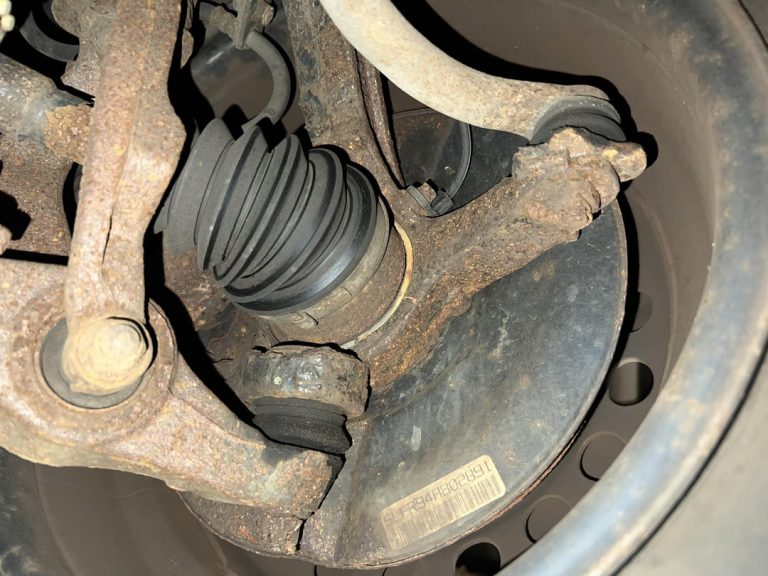
Start by looking at the ball joints closely. Check for torn or missing rubber boots, which protect the joint from dirt and moisture. Any grease leakage or rust around the ball joint is a red flag.
Look for uneven tire wear or any unusual gaps between the ball joint and control arm. These visual clues can hint at internal damage even if the joint looks intact at first glance.
Physical Tests For Play
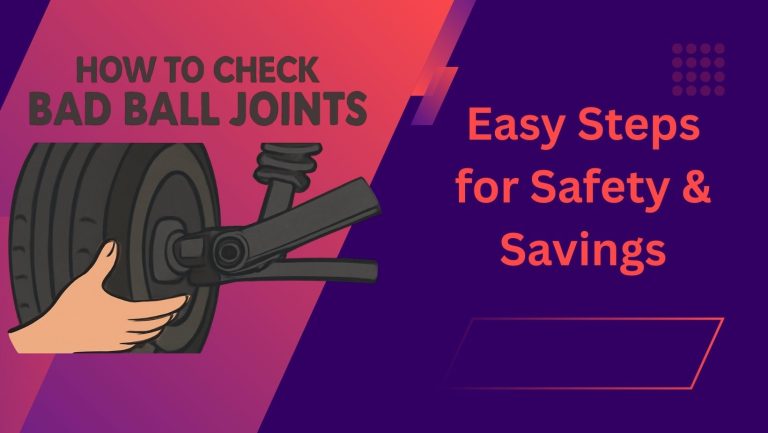
Grab the wheel at the 12 and 6 o’clock positions and try to rock it back and forth. Excessive movement can indicate a worn ball joint. You can also lift the vehicle and try to move the control arm; any looseness suggests the joint is faulty.
Does your steering feel loose or do you hear clunking noises when turning? These symptoms often tie back to ball joint play. Testing physically gives you immediate insight into the joint’s condition.
Professional Diagnostic Tools
Mechanics use specialized tools like dial indicators to measure ball joint play accurately. These tools detect subtle movements you might miss by hand. Some shops also use computerized alignment machines that reveal irregularities caused by bad ball joints.
Have you considered getting a professional check if you suspect problems? These tools can save you from guesswork and ensure a precise diagnosis.
Repair And Replacement Options
Repairing or replacing bad ball joints is crucial for maintaining vehicle safety and performance. Knowing when to act and how to choose the right parts can save you time and money. Whether you tackle the job yourself or seek professional help, understanding your options will help you make informed decisions.
When To Replace Ball Joints
Ball joints wear out over time and cause symptoms like uneven tire wear, clunking noises, or steering vibration. If you notice your vehicle pulling to one side or feel looseness in the steering, these signs often indicate worn ball joints.
Regular inspections during oil changes or tire rotations can catch issues early. Don’t wait for severe symptoms; replacing ball joints promptly prevents damage to other suspension parts.
Diy Replacement Steps
If you have basic mechanical skills and the right tools, replacing ball joints yourself is possible. Start by lifting the vehicle safely and removing the wheel for clear access.
- Detach the control arm from the steering knuckle.
- Remove the old ball joint using a ball joint press or appropriate tools.
- Install the new ball joint, ensuring it fits securely and all bolts are tightened to the correct torque.
- Reassemble the control arm and wheel, then perform a test drive to check for improved handling.
Always consult your vehicle’s manual for specific instructions and safety precautions.
Choosing Quality Parts
Not all ball joints are created equal. Opting for high-quality parts ensures durability and better performance. Look for brands with good reviews and warranty coverage.
OEM (Original Equipment Manufacturer) parts usually fit perfectly and last longer but can be pricier. Aftermarket parts may offer savings but verify their compatibility and material quality before purchase.
Have you checked if your supplier provides certification or testing data for their ball joints? This can be a useful indicator of reliability.
Cost Considerations
Ball joint replacement costs vary depending on your vehicle and location. Professional labor can range from $150 to $300 per joint, with parts costing $50 to $100 each.
DIY replacement can reduce expenses significantly, but factor in tool costs and your time investment. Also, consider potential risks if the installation isn’t done correctly.
Balancing cost with safety and quality is key. Would you rather save money now or risk higher repair bills and safety issues later?
Preventing Ball Joint Problems
Preventing ball joint problems saves money and ensures vehicle safety. Ball joints connect the suspension to the wheels and allow smooth movement. Worn or damaged ball joints can cause poor handling and uneven tire wear. Regular care helps avoid these issues and extends the life of your car’s suspension.
Regular Maintenance Practices
Check your vehicle’s suspension regularly for signs of wear. Replace worn parts promptly to avoid further damage. Clean the area around ball joints to prevent dirt buildup. Follow the manufacturer’s maintenance schedule for best results.
Proper Lubrication Techniques
Apply grease to ball joints if they have grease fittings. Use the recommended type of lubricant for your vehicle. Lubrication reduces friction and prevents rust. Avoid over-greasing as it can damage the seals.
Driving Habits To Avoid
- Avoid hitting potholes and curbs at high speed.
- Drive slowly over rough or uneven roads.
- Do not overload your vehicle beyond its capacity.
- Steer gently to reduce stress on suspension parts.
Routine Inspections
Have a mechanic inspect the ball joints during regular service visits. Listen for unusual noises like clunks or squeaks when turning. Look for uneven tire wear as a sign of joint problems. Early detection helps fix issues before they get worse.

Credit: www.reddit.com
Credit: www.odyclub.com
Frequently Asked Questions
What Are The Signs Of Bad Ball Joints?
Bad ball joints cause uneven tire wear, clunking noises, and poor steering control. Vibrations and loose handling also indicate wear.
How Do Bad Ball Joints Affect Vehicle Safety?
Worn ball joints reduce steering precision and stability, increasing accident risk. They can cause wheel misalignment and sudden suspension failure.
Can Bad Ball Joints Damage Tires?
Yes, bad ball joints cause uneven tire wear and premature tire damage. This happens due to improper wheel alignment and suspension issues.
How Long Do Ball Joints Typically Last?
Ball joints usually last between 70,000 and 150,000 miles, depending on driving conditions and maintenance.
Conclusion
Bad ball joints can cause serious car problems and unsafe driving. They wear out over time and need checking. Signs like noise, uneven tire wear, or steering issues show bad joints. Fixing them early saves money and keeps you safe.
Regular car checks help catch these problems fast. Stay alert to your car’s feel and sounds. Good ball joints keep your ride smooth and steady. Don’t wait until damage grows worse. Taking care of your ball joints protects you on the road.

Automotive Specialist & Expert Writer
Tyler Kingston is a passionate automotive writer with a wealth of knowledge in all things cars. With years of experience in the automotive industry, Tyler specializes in everything from vehicle maintenance to the latest car technologies and innovations. He is known for his ability to break down complex automotive concepts into easily digestible, engaging content for both novice and experienced car enthusiasts. Whether it’s detailing car repair techniques, reviewing new car models, or diving into the world of auto accessories, Tyler’s articles provide valuable insights to readers. His hands-on experience, combined with a genuine love for cars, allows him to deliver expert advice, tips, and news that keeps readers coming back for more.