When to Replace Ball Joints: Key Signs You Can’t Ignore
Have you ever felt your car pulling to one side or noticed a strange clunking noise when you drive over bumps? These could be signs that your ball joints need attention.
Knowing when to replace ball joints is crucial for your safety and your vehicle’s performance. Ignoring worn ball joints can lead to costly repairs and even dangerous driving situations. You’ll learn how to spot the warning signs and understand exactly when it’s time to make the change.
Keep reading to protect yourself and your ride before small problems turn into big ones.

Credit: www.autorepairmechanic.shop
Role Of Ball Joints
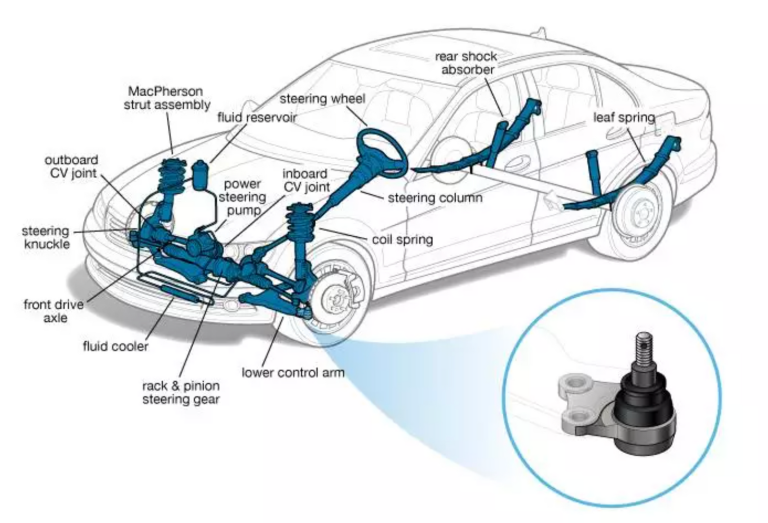
Ball joints are key parts of a vehicle’s suspension system. They connect the control arms to the steering knuckles. This connection allows smooth movement and steering. Understanding their role helps to know why replacing them is important.
How Ball Joints Work
Ball joints act like a hinge between the wheels and the suspension. They allow the wheels to move up and down while turning left and right. This movement helps absorb shocks from the road. Ball joints have a metal ball inside a socket, which lets them move freely.
They carry the weight of the vehicle and allow smooth steering. Over time, the ball and socket can wear out. This wear causes looseness or stiffness in the steering.
Importance For Vehicle Safety
Ball joints keep the wheels aligned and stable. Worn-out ball joints can cause poor handling and uneven tire wear. This leads to unsafe driving conditions. A bad ball joint can cause the wheel to collapse or come off.
Good ball joints ensure better control and braking. They reduce the risk of accidents by keeping the vehicle steady. Regular checks help catch problems early and keep the car safe on the road.
Common Causes Of Wear
Ball joints are crucial components in your vehicle’s suspension system. They allow for smooth movement and handling, but like any part, they wear out over time. Understanding the common causes of wear can help you maintain your vehicle better and ensure your safety on the road.
Impact Of Rough Roads
Driving on rough roads is a common cause of ball joint wear. Potholes, uneven terrain, and bumpy paths can exert excessive force on your vehicle’s suspension. Every jolt and bump can gradually degrade the ball joints, leading to a need for replacement sooner than expected.
Think about your daily commute. If it involves navigating through poorly maintained streets, your ball joints are likely under constant strain. Regularly inspect your suspension system if rough roads are a staple in your driving routine.
Effects Of Corrosion And Dirt
Corrosion and dirt are silent enemies of your vehicle’s ball joints. Moisture and road salt can cause rust, weakening the metal components over time. Dirt and grime can also infiltrate the joints, leading to increased friction and wear.
Simple preventive measures can make a difference. Consider regular cleaning and inspections, especially after driving in adverse conditions. This proactive approach can extend the life of your ball joints and save you from unexpected repair costs.
Signs Of Worn Ball Joints
Worn ball joints affect vehicle safety and performance. They connect the control arms to the steering knuckles. Over time, these joints wear out due to constant movement and road conditions.
Recognizing worn ball joints early helps avoid accidents and costly repairs. Several clear signs indicate when ball joints need replacement. These signs impact driving comfort and control.
Unusual Noises While Driving
Clunking or knocking sounds near the front wheels often point to worn ball joints. These noises grow louder during turns or when driving over bumps. The sound results from extra play in the joint.
Steering Wheel Vibrations
Vibrations felt in the steering wheel during driving can signal ball joint issues. These vibrations worsen at higher speeds or rough roads. A loose ball joint causes unstable steering feedback.
Uneven Tire Wear
Ball joint problems lead to uneven tire wear, especially on the inside or outside edges. Tires may wear faster on one side than the other. This uneven wear reduces tire life and affects handling.
Loose Or Wandering Steering
Steering that feels loose or wanders on the road often means worn ball joints. The vehicle may pull to one side or feel unstable on straight roads. This loss of control can be dangerous.
Risks Of Ignoring Replacement
Ignoring the need to replace worn ball joints leads to serious problems. These components are vital for safe steering and suspension. Over time, ball joints wear out and can fail without warning. Understanding the risks helps protect you and your vehicle.
Potential For Steering Failure
Worn ball joints cause loose or shaky steering. This reduces control over the vehicle. Steering may feel uneven or stiff. Sudden failure can cause the wheel to collapse or lock. This puts you in immediate danger on the road.
Increased Accident Risk
Damaged ball joints affect vehicle stability and handling. The car may pull to one side or wander on the road. Emergency maneuvers become harder to perform safely. This greatly raises the chance of collisions and crashes. Timely replacement reduces these risks significantly.
Inspection And Diagnosis
Inspecting and diagnosing ball joints early helps avoid costly repairs. Worn ball joints cause uneven tire wear and poor handling. Regular checks ensure safe driving and smooth vehicle performance.
Detecting issues requires attention to specific signs. Both simple DIY checks and professional tools play roles in accurate diagnosis.
Diy Checks To Perform
- Look for uneven tire wear on inside or outside edges.
- Listen for clunking sounds when turning or going over bumps.
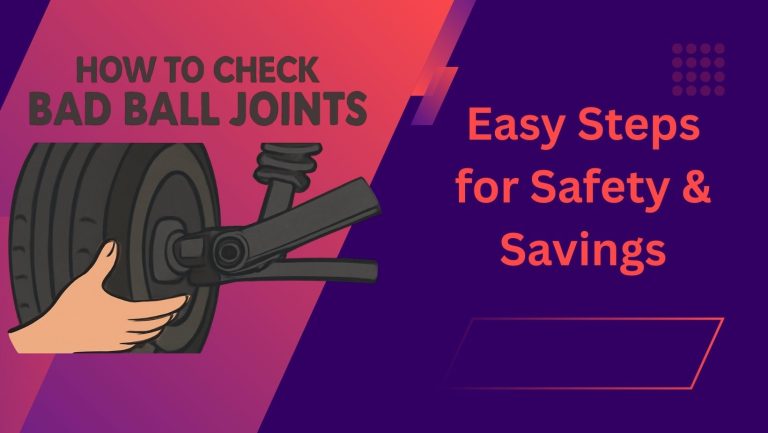
- Check for excessive play by jacking up the front wheel and moving it by hand.
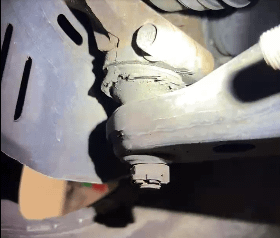
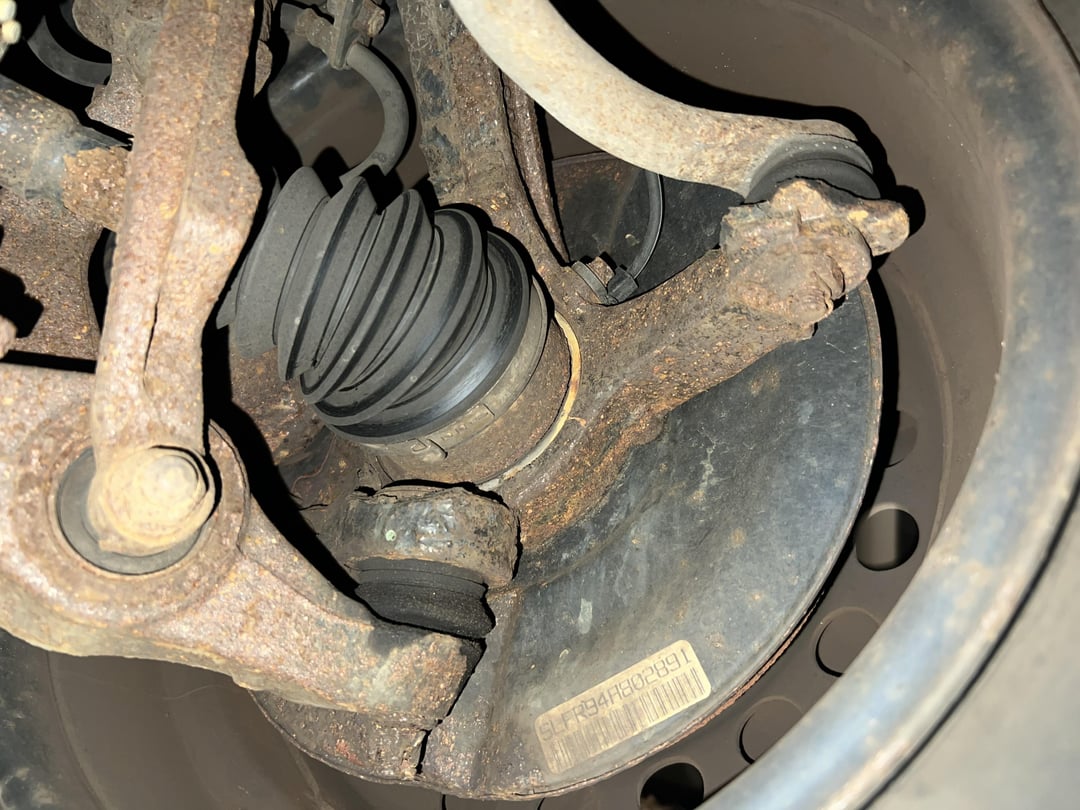
- Inspect the rubber boot for cracks or leaks of grease.
- Feel for looseness or rough movement when shaking the wheel vertically and horizontally.
Professional Inspection Techniques
- Use a dial indicator to measure ball joint play precisely.
- Perform a vehicle lift test for thorough access and visual inspection.
- Conduct a computerized alignment check to detect irregularities caused by worn joints.
- Inspect with a pry bar to check for hidden joint looseness under load.
- Use ultrasound or vibration analysis for advanced wear detection.
Replacement Options
Choosing the right replacement option for your ball joints can make a big difference in your vehicle’s performance and your wallet. Understanding the types of parts available and the associated costs helps you make an informed decision. Let’s break down the most common choices and what to expect from each.
Oem Vs Aftermarket Parts
OEM (Original Equipment Manufacturer) parts are made by the car’s original maker or approved suppliers. They usually guarantee a perfect fit and maintain your vehicle’s original handling and safety. However, these parts often come with a higher price tag.
Aftermarket parts, on the other hand, are produced by third-party companies. They tend to be more affordable and widely available. But the quality varies greatly—some match OEM standards, while others fall short.
- OEM parts:Reliable fit, consistent quality, higher cost.
- Aftermarket parts:Cost-effective, varied quality, wider choices.
Ask yourself: Do you prioritize guaranteed quality or budget-friendly options? Your answer will guide which parts you choose.
Cost And Time Considerations
Replacing ball joints isn’t just about the parts—it’s also about labor and downtime. OEM parts might take longer to source, especially for older or less common vehicles. Aftermarket parts are often stocked locally, speeding up repairs.
Labor costs can vary depending on whether you do it yourself or hire a professional. DIY replacement saves money but requires tools and mechanical know-how. Hiring a mechanic costs more but ensures a quicker, safer job.
| Factor | OEM Parts | Aftermarket Parts |
|---|---|---|
| Part Cost | Higher | Lower to moderate |
| Availability | May take time | Usually immediate |
| Labor Time | Standard | Standard |
| Overall Expense | Higher | Lower |
Have you considered how much your time is worth? Sometimes paying a bit more for OEM parts and professional installation saves hassle and future repairs.
Maintenance Tips To Extend Life
Extending the life of your ball joints requires more than just occasional checks. With the right maintenance habits, you can prevent early wear and save money on repairs. Small changes in how you care for your vehicle can make a big difference in the longevity of these crucial components.
Regular Lubrication
Keeping your ball joints properly lubricated is essential. Without enough grease, friction increases, causing parts to wear out faster.
Check your vehicle’s manual to find out if your ball joints have grease fittings. If they do, use a grease gun to add lubricant during every oil change or at least every 6,000 miles.
If you’ve ever felt a rough or squeaky steering, it might be due to dry ball joints. Adding lubrication can often fix minor noises and extend their usable life significantly.
Avoiding Harsh Driving Conditions
Driving over potholes, rough roads, or off-road terrain puts extra stress on ball joints. Each impact wears down these parts more quickly.
Try to plan routes that avoid damaged roads when possible. If you must drive on rough surfaces, reduce your speed to lessen the impact on your suspension system.
Think about how your driving habits affect your car’s components. Are you accelerating hard or taking sharp turns at high speed? These actions increase wear and tear on ball joints and other suspension parts.

Credit: www.reddit.com

Credit: www.reddit.com
Frequently Asked Questions
What Are The Signs Of Bad Ball Joints?
Common signs include clunking noises, uneven tire wear, and steering looseness. Vibrations while driving and poor handling also indicate worn ball joints.
How Often Should Ball Joints Be Replaced?
Ball joints typically last 70,000 to 150,000 miles. Regular inspections help determine the right replacement time based on wear and driving conditions.
Can I Drive With A Bad Ball Joint?
Driving with a bad ball joint is unsafe. It can cause loss of control and damage to suspension parts, risking accidents.
What Causes Ball Joints To Wear Out Quickly?
Harsh driving, rough roads, and lack of lubrication accelerate ball joint wear. Regular maintenance can extend their lifespan significantly.
Conclusion
Worn ball joints can cause serious car problems and unsafe driving. Watch for signs like clunking noises, uneven tire wear, or loose steering. Replace ball joints as soon as you notice these issues. Regular checks help keep your vehicle steady and safe.
Don’t wait until damage gets worse or repair costs rise. Taking action early saves money and prevents accidents. Stay alert, maintain your car, and drive with confidence every day.

Automotive Specialist & Expert Writer
Tyler Kingston is a passionate automotive writer with a wealth of knowledge in all things cars. With years of experience in the automotive industry, Tyler specializes in everything from vehicle maintenance to the latest car technologies and innovations. He is known for his ability to break down complex automotive concepts into easily digestible, engaging content for both novice and experienced car enthusiasts. Whether it’s detailing car repair techniques, reviewing new car models, or diving into the world of auto accessories, Tyler’s articles provide valuable insights to readers. His hands-on experience, combined with a genuine love for cars, allows him to deliver expert advice, tips, and news that keeps readers coming back for more.