How to Pump a Paddle Board Without a Pump: Easy DIY Hacks
Have you ever found yourself eager to hit the water with your paddle board, only to realize you need air? It’s frustrating, right?
But what if you could get your paddle board ready without that bulky pump? In this guide, you’ll discover simple, clever ways to pump your paddle board using things you probably already have. No more waiting or heavy lifting—just quick and easy solutions that get you paddling faster.
Keep reading, and you’ll learn how to make the most of your time on the water, even when a pump isn’t around.
Why Inflate Without A Pump
Inflating a paddle board without a pump might seem tough. Yet, there are times when using a pump is not possible. Understanding why you might need to inflate your board without one helps prepare you better for your water adventures. It also opens up simple ways to get your paddle board ready for use anytime.
When A Pump Isn’t Available
Sometimes, a pump is left behind or breaks during a trip. You might be far from stores or help. In these cases, you still want to enjoy your paddle board. Being able to inflate it without a pump saves your day. It keeps your plans on track and avoids delays.
Benefits Of Diy Inflation
Inflating your paddle board yourself has several good points. It teaches you how to handle your gear better. You can inflate your board anywhere, anytime, without extra tools. It also helps in emergencies when no pump is near. This skill gives freedom and confidence on your trips.
Using A Hairdryer For Inflation
A hairdryer can blow air into a paddle board for quick inflation without a pump. Use the cool setting and fit the nozzle tightly to the valve. This method works well for small boards or quick fixes.
Inflating a paddle board without a pump may seem challenging. But you can use a hairdryer. Yes, a common hairdryer can help inflate your paddle board. It’s a surprising yet effective method. This technique requires certain precautions. Let’s explore how to do it safely.
Preparing The Paddle Board
Lay the paddle board flat on the ground. Ensure it’s in an open space. This gives you easy access to all areas. Check the valve is open for inflation. Make sure the board is clean and dry. This prevents any damage during inflation.
Safe Heat Settings To Use
Set the hairdryer to a cool setting. Avoid using high heat. It can damage the paddle board material. Keep the dryer at a safe distance from the board. A gentle airflow is enough. Monitor the inflation process closely. Ensure the board inflates evenly. Using a hairdryer involves caution. But it’s a handy alternative.
Manual Air Compression Techniques
Manual air compression techniques can be a lifesaver when you don’t have a pump handy to inflate your paddle board. These methods rely on simple hand-powered actions to push air into your board’s valve. They may take a bit more effort, but they get the job done and keep you on the water faster than you might expect.
Press And Release Method
This technique uses the natural motion of pressing and releasing the paddle board’s valve area to force air inside. Place your hands firmly around the valve or the board’s surface near the valve. Push down hard to compress the air, then quickly release your grip to allow air to flow back in, repeating the cycle.
It’s important to create a good seal with your hands to avoid air escaping. You might feel a bit of strain in your arms, but this method works well if you keep a steady rhythm. Have you tried using your body weight to press down on the board? It can make the process smoother and less tiring.
Using Plastic Bags As Air Blowers
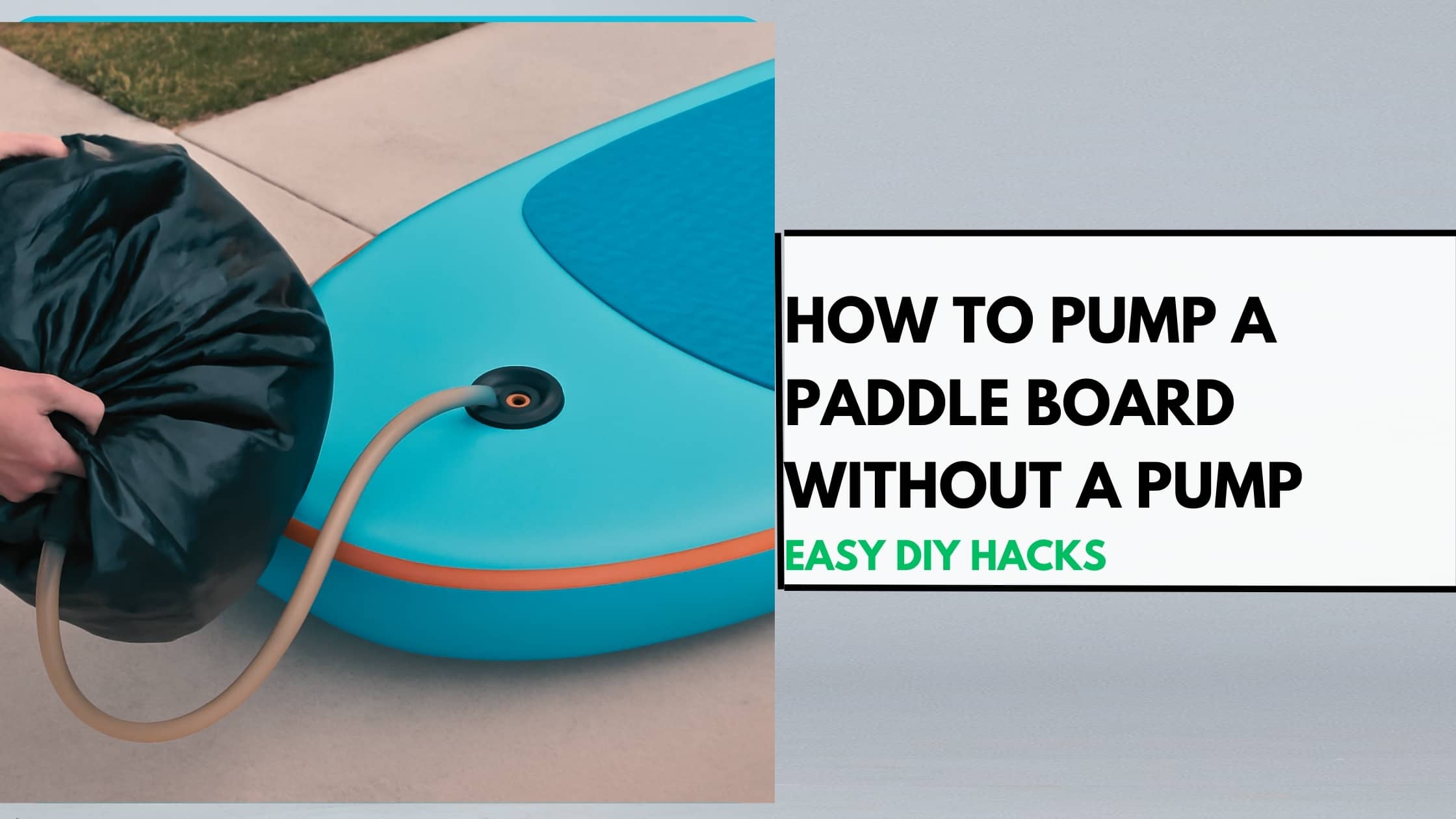
Plastic bags can act as simple air blowers if you don’t have a pump. Choose a sturdy, clean bag—like a large trash bag or a thick grocery bag. Inflate the bag by blowing air into it, then quickly seal the opening by twisting or folding it to trap the air inside.
Next, attach the bag’s opening securely to the paddle board valve. Squeeze the bag to push the trapped air into the board. Repeat this multiple times, refilling the bag as needed. This method lets you deliver a larger volume of air with less effort than blowing directly into the valve.
Remember, the key is to create a tight connection between the bag and valve to prevent
. Could this simple hack become your backup plan for paddle board inflation?

Credit: www.amazon.ca
Leveraging Natural Air Sources
Leveraging natural air sources offers creative ways to inflate a paddle board without a traditional pump. These methods rely on the environment or your own breath to fill the board with air. They work well in situations where a pump is missing or unusable.
Inflating With Wind
Wind can be a strong ally in inflating your paddle board. Find an open, breezy area where the wind blows steadily. Position the board’s valve open and face it towards the wind.
- Hold the board so the wind can enter the valve easily.
- Let the wind fill the board slowly but steadily.
- Check the firmness often to avoid overinflation.
This method works best with strong, consistent wind. It may take time but uses no effort besides positioning.
Using Your Lungs Efficiently
Your breath can inflate a paddle board if done right. Use short, strong blows rather than long, weak breaths. This moves more air quickly into the valve.
- Take deep breaths to fill your lungs fully.
- Blow hard and fast into the valve opening.
- Pause often to avoid getting dizzy or tired.
- Repeat until the board feels firm and stable.
Using your lungs takes patience and care. It’s handy when no other air source is available.
Creating A Diy Pump
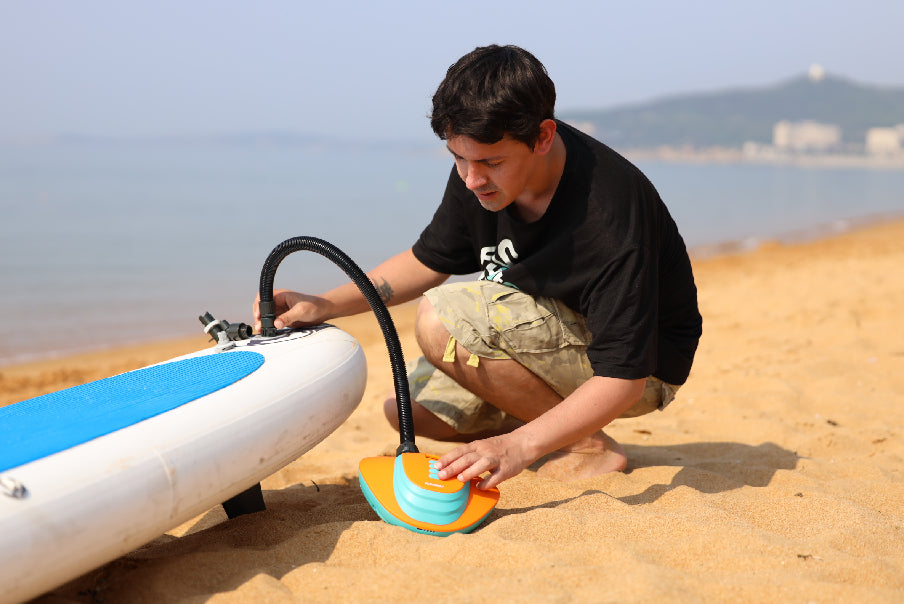
Creating a DIY pump can be a smart solution when a regular pump is not available. It uses simple materials that are easy to find. This homemade device helps inflate your paddle board by hand. Building your own pump saves time and effort on the water.
Materials Needed
- Plastic bottle (2-liter size works well)
- Rubber tubing (about 1-2 feet long)
- Check valve (prevents air from flowing backward)
- Tape (duct tape or strong adhesive tape)
- Sharp knife or scissors
- Balloon or flexible rubber sheet
- Zip ties or rubber bands
Step-by-step Assembly
Cut the bottom off the plastic bottle carefully. This will act as the pump body.
Attach the rubber tubing to the bottle’s neck. Use tape to secure it tightly and avoid air leaks.
Insert the check valve into the tubing. Make sure the valve allows air to flow only outwards.
Fix the balloon or rubber sheet over the open bottom of the bottle. This part acts as the pump’s piston.
Secure the balloon edges with zip ties or rubber bands. Ensure it is airtight and flexible.
To pump, push and pull the bottle body. The balloon creates suction and pushes air through the valve into the board.
This DIY pump inflates your paddle board using basic parts. It is handy, quick, and cost-effective.
Credit: funwaterboard.ca
Tips To Maintain Air Pressure
Maintaining air pressure in your paddle board is key for a smooth ride and safety. Without a pump, keeping the board firm can be tricky. Knowing how to handle small leaks and store your board well helps keep it ready for the water. These tips make sure your paddle board stays inflated longer and performs better.
Sealing Leaks Quickly
Small leaks cause air to escape fast. Check the board for holes or tears before use. Use a wet cloth to spot bubbles where air leaks out. Carry a repair kit with patches and glue. Press patches firmly on clean, dry spots. Let glue dry fully before inflating. Temporary fixes like duct tape can hold air until a proper patch is possible. Regularly inspect seams and valves to catch leaks early.
Proper Storage After Use
Store your paddle board in a cool, shaded place. Avoid direct sunlight to prevent material damage. Deflate the board slightly to reduce stress on seams. Roll it loosely without sharp folds to avoid cracks. Keep it off rough surfaces that cause wear. Use a protective bag or cover to shield from dust and moisture. Proper storage keeps the board strong and ready for the next trip.
Credit: www.boatsailmag.com
Frequently Asked Questions
How Can I Inflate A Paddle Board Without A Pump?
You can use a hairdryer on cool setting or a vacuum cleaner set to blow. Alternatively, manual inflation with mouth or using a plastic bag to trap air helps. These methods are slower but effective for emergencies without a pump.
Is It Safe To Inflate A Paddle Board Manually?
Yes, inflating manually is safe but requires effort and time. Ensure no sharp objects nearby. Inflate slowly to avoid damaging seams. Manual inflation is practical for small boards or short uses when a pump is unavailable.
What Household Items Can Replace A Paddle Board Pump?
Common items include a hairdryer (cool setting), vacuum cleaner (blower mode), or a large plastic bag to trap air. These alternatives help you inflate your board when a pump isn’t available. Always monitor pressure to avoid overinflation.
How Long Does It Take To Inflate Without A Pump?
Inflation time varies but expect 10-20 minutes manually. Using household tools may speed it up to 5-10 minutes. Patience is key, as rushing can risk damage. Regular checks ensure proper firmness and safety.
Conclusion
Pumping a paddle board without a pump can be done with patience and simple tools. You can use your breath, a manual method, or household items. These ways take more time but work well in a pinch. Always check the board’s firmness to avoid damage.
Practice these techniques before heading out on water. Stay safe and enjoy your paddle boarding adventure!

Colin Radner is an automotive enthusiast with a deep passion for cars and welding. With over five years of hands-on experience in welding, Colin brings a unique perspective to the automotive world. His expertise in welding, combined with his love for all things car-related, allows him to write insightful and informative blog posts that resonate with automotive lovers and DIY mechanics alike. When he’s not writing, you can find him working on car repairs, restoring vintage models, or exploring the latest trends in the automotive industry. Colin’s dedication to the craft and his ability to break down complex topics makes him a trusted voice in the automotive blogosphere.