How to Power Pump to Increase Milk Supply: Boost Your Milk Fast
Are you struggling to boost your milk supply and feeling frustrated? You’re not alone, and there’s a simple, effective technique that can help you right now: power pumping.
This method mimics your baby’s natural feeding patterns to stimulate your body to produce more milk. If you want to learn how to power pump correctly and see real results fast, keep reading. By the end of this article, you’ll have easy steps to increase your milk supply and feel more confident in your breastfeeding journey.
What Is Power Pumping
Power pumping is a technique designed to help increase your milk supply by mimicking your baby’s natural feeding patterns. It involves a specific schedule of pumping sessions that encourages your body to produce more milk. Many mothers find power pumping effective, especially during times when their supply dips unexpectedly.
Basics Of Power Pumping
Power pumping is all about frequent, short pumping sessions within a set period. Typically, you pump for 20 minutes, rest for 10 minutes, pump again for 10 minutes, rest for 10 minutes, and then pump for a final 10 minutes. This routine usually lasts about an hour and can be repeated once or twice daily.
The goal is to send strong signals to your body that more milk is needed. This method helps increase prolactin levels, the hormone responsible for milk production. You don’t need any special pump; a regular breast pump works well for power pumping.
How It Mimics Cluster Feeding
Have you noticed how newborns sometimes feed in clusters, nursing many times within a short period? Power pumping copies this natural pattern to boost milk supply. Cluster feeding signals your body to produce more milk because your baby seems extra hungry.
By pumping in bursts like this, you trick your body into thinking your baby needs more milk. This can be especially helpful during growth spurts or when returning to work. Think of it as training your body to keep up with your baby’s changing demands.
Benefits Of Power Pumping
Power pumping helps increase milk supply by mimicking a baby’s feeding pattern. It encourages the body to produce more milk through frequent and intense pumping sessions. This method supports breastfeeding moms facing low milk production.
Power pumping is a technique many mothers turn to when looking to boost their milk supply. By mimicking a baby’s cluster feeding, this method can help stimulate your body to produce more milk. Understanding the benefits of power pumping can empower you on your breastfeeding journey.Increasing Milk Production
Power pumping can significantly increase your milk production. It involves a cycle of pumping, resting, and repeating, usually for an hour a day. This routine sends signals to your body to produce more milk, similar to how your baby would during a growth spurt.Enhancing Milk Flow
Regular power pumping can enhance milk flow. You may notice milk flowing more freely and consistently. This can be especially helpful if you’ve been struggling with slow letdowns or if your baby seems frustrated during feeding sessions.Supporting Milk Supply During Growth Spurts
During your baby’s growth spurts, their demand for milk can increase. Power pumping can help keep up with this demand. By boosting your supply ahead of time, you ensure that your baby gets all the nourishment they need without stress. Have you considered how adjusting your pumping routine could make a difference in your breastfeeding experience? Power pumping might just be the solution you’re looking for to meet your breastfeeding goals.Preparing For Power Pumping
Preparing for power pumping sets the stage for better milk supply. This practice mimics a baby’s cluster feeding and encourages your body to produce more milk. Proper preparation makes the process easier and more effective. Focus on choosing the right pump, creating a cozy space, and planning your pumping times.
Choosing The Right Pump
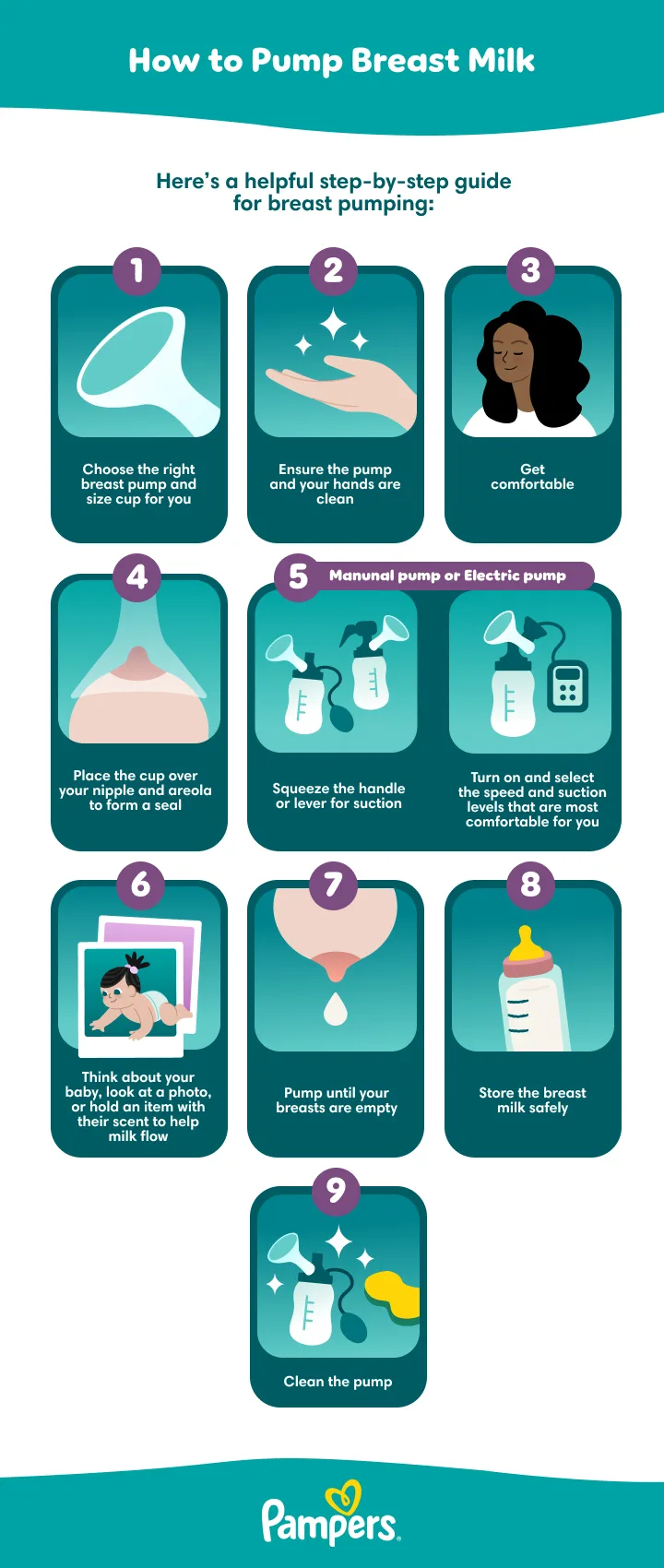
Pick a pump that suits your needs and feels comfortable. Double electric pumps save time and improve milk output. Check the suction levels and flange sizes to avoid discomfort. A quiet pump helps you relax during sessions. Clean and maintain your pump parts before use for hygiene.
Setting A Comfortable Environment
Create a calm and cozy spot for power pumping. Find a chair that supports your back well. Keep water and snacks nearby to stay hydrated and energized. Soft lighting and calming sounds can help you relax. Minimize distractions by turning off phones and other devices.
Scheduling Sessions
Plan your power pumping times carefully. Aim for one session in the morning or afternoon, when milk supply is usually higher. Each session lasts about an hour, with cycles of pumping and resting. Stick to the same time daily to build a routine. Consistency helps your body adjust and respond better.
Credit: www.lemon8-app.com
Step-by-step Power Pumping Routine
Power pumping mimics cluster feeding to boost your milk supply by increasing the stimulation your breasts receive. This routine involves short, frequent pumping sessions with planned breaks to encourage your body to produce more milk. The key is consistency and timing—knowing exactly when and how long to pump, when to rest, and how often to repeat the cycle.
Session Timing And Duration
Each power pumping session usually lasts about an hour. During this time, you alternate between pumping and resting in short intervals.
For example, you might pump for 20 minutes, rest for 10 minutes, pump for another 10 minutes, rest for 10, then finish with 10 more minutes of pumping. This pattern helps simulate how a baby feeds during cluster feeding.
Pumping And Rest Intervals
Balance is crucial. Pumping too long without breaks can tire your breasts and reduce efficiency.
Try these intervals:
- Pump:20 minutes
- Rest:10 minutes
- Pump:10 minutes
- Rest:10 minutes
- Pump:10 minutes
These rest periods let your body recover and prepare for the next round, improving milk let-down and output.
Frequency Per Day
Try power pumping once a day for starters. Your body needs time to adjust and respond to the new stimulation.
If you feel comfortable, increase to two sessions per day, spaced at least 4 hours apart. Watch how your body reacts—too much pumping can cause soreness or fatigue.
Have you noticed changes in your supply after a few days? Tracking your progress can help you decide if you want to adjust the frequency.
Tips To Maximize Milk Supply
Maximizing your milk supply during power pumping takes more than just using the pump frequently. It involves caring for your body and using specific techniques that support milk production naturally. Small adjustments in your routine can create a big difference in how much milk you produce.
Staying Hydrated And Nourished
Your body needs water to make milk, so drinking plenty throughout the day is essential. Aim for at least 8 glasses, but listen to your thirst—it’s your best guide. Eating balanced meals with enough calories and nutrients fuels your body to keep producing milk consistently.
Try adding snacks like nuts, yogurt, or fruit between meals. Have you noticed that when you skip meals or forget to drink water, your milk supply dips? That’s a clear sign to prioritize hydration and nutrition.
Maintaining Skin-to-skin Contact
Spending time with your baby skin-to-skin triggers hormones that boost milk production naturally. Even a few minutes can make a difference in your supply and strengthen your bond. Try placing your baby on your chest during pumping breaks or right after feeding sessions.
This closeness calms both of you and signals your body to make more milk. Have you tried this and felt a shift in your milk flow? Many mothers find this simple step surprisingly effective.
Using Breast Compression Techniques
Breast compression helps empty your breasts more thoroughly during pumping, encouraging your body to produce more milk. While pumping, gently press your breast with your hand to keep milk flowing. This can reduce pumping time and increase output.
Practice squeezing at different spots and watch how your milk output changes. Do you find certain positions work better for you? Experimenting can help you discover what boosts your milk the most.
Common Challenges And Solutions
Power pumping can help increase milk supply, but it comes with challenges. Many mothers face discomfort, tight schedules, and difficulty tracking progress. Knowing these challenges and solutions can make power pumping easier and more effective.
Dealing With Discomfort
Power pumping may cause sore breasts or nipples. Using a well-fitted breast pump shield reduces pain. Applying warm compresses before pumping helps milk flow. Taking breaks during sessions can prevent irritation. Using nipple cream can soothe soreness. Stop if pain is sharp or lasts long. Consult a lactation expert if discomfort continues.
Managing Time Constraints
Power pumping requires multiple short sessions in one hour. This can be hard for busy moms. Prepare by setting a timer for each session. Choose quiet spots where interruptions are few. Use hands-free pumping bras to free your hands. Combine pumping with relaxing activities like reading. Stay consistent even if sessions are short. Prioritize power pumping as a daily routine.
Tracking Progress
Tracking milk output helps see if power pumping works. Keep a simple journal or use a phone app. Record pumping times, duration, and milk amount. Note any changes in milk color or flow. Track baby’s feeding patterns and weight gain. Reviewing data helps adjust pumping schedule. Celebrate small gains to stay motivated.
When To Seek Professional Help
Power pumping can be a great way to boost your milk supply, but sometimes, it’s hard to tell if you’re making enough progress on your own. Knowing when to ask for professional help can save you time, reduce stress, and ensure your baby gets the nutrition they need. Pay attention to your body and your baby’s cues—sometimes expert advice is exactly what you need to move forward confidently.
Signs Of Low Milk Supply
It’s important to recognize clear signs that your milk supply might be low. Watch for these indicators:
- Your baby seems constantly hungry and fusses after feedings.
- There are fewer than six wet diapers in a day.
- Your baby is not gaining weight or is losing weight.
- You don’t feel breast fullness or milk let-down during pumping or feeding.
- Breastfeeding sessions are very short or your baby falls asleep quickly without feeding well.
If you notice these signs despite consistent power pumping, it’s time to consider professional support. Your baby’s health depends on it.
Consulting Lactation Experts
Lactation consultants are trained to assess and address breastfeeding challenges. They can help you identify why your supply might be low and suggest personalized strategies beyond power pumping.
Meeting with a lactation expert can provide you with:
- Hands-on support with latch and positioning.
- Customized pumping schedules and techniques.
- Advice on diet, hydration, and supplement options.
- Emotional support to keep you motivated and confident.
Have you tried power pumping for weeks without seeing improvements? A lactation consultant can help identify hidden issues like tongue-tie or ineffective milk removal. Don’t hesitate to reach out—they want to help you succeed.

Credit: kiinde.com

Credit: www.happiestbaby.com
Frequently Asked Questions
What Is Power Pumping And How Does It Work?
Power pumping mimics cluster feeding by increasing pumping frequency. It involves pumping for short intervals with brief breaks. This method signals your body to produce more milk. Power pumping boosts milk supply naturally by stimulating milk production hormones.
How Often Should I Power Pump Daily?
Power pumping is best done once a day. Each session lasts about one hour with intervals of pumping and rest. Consistency is key, so choose a time that fits your schedule. Avoid over-pumping to prevent nipple soreness or discomfort.
Can Power Pumping Increase Milk Supply Quickly?
Yes, power pumping can increase milk supply within a few days. Results vary depending on individual factors like diet and hydration. Regular sessions help maintain and boost milk production. Patience and persistence are essential for noticeable improvements.
Is Power Pumping Safe For All Breastfeeding Mothers?
Power pumping is generally safe for healthy breastfeeding mothers. However, avoid it if you experience pain or infection. Consult a lactation consultant if unsure about your milk supply or pumping technique. Always listen to your body to prevent overexertion.
Conclusion
Power pumping can help increase your milk supply effectively. Stick to a regular schedule for best results. Give yourself time and patience; changes may take a few days. Drink plenty of water and rest when you can. Keep track of your progress to stay motivated.
If needed, talk to a lactation expert for advice. Your effort matters and can support your breastfeeding journey well. Keep going—you are doing great!

Colin Radner is an automotive enthusiast with a deep passion for cars and welding. With over five years of hands-on experience in welding, Colin brings a unique perspective to the automotive world. His expertise in welding, combined with his love for all things car-related, allows him to write insightful and informative blog posts that resonate with automotive lovers and DIY mechanics alike. When he’s not writing, you can find him working on car repairs, restoring vintage models, or exploring the latest trends in the automotive industry. Colin’s dedication to the craft and his ability to break down complex topics makes him a trusted voice in the automotive blogosphere.