
Has Anyone Reported Air Leaks in Volkswagen Jetta: Unveiling Concerns
Have you ever wondered if your Volkswagen Jetta might be harboring a sneaky secret? You’re not alone.
Many Jetta owners are starting to ask the same question: “Has anyone reported air leaks in Volkswagen Jetta? ” Imagine cruising down the road, only to feel an unexpected draft or hear a faint whistle that shouldn’t be there. It’s not just an annoyance—it could affect your car’s performance and even your wallet.
If you’re curious about whether your car is at risk, you’re in the right place. This article will dive deep into the experiences of fellow Jetta owners and uncover what you need to know to keep your ride in top shape. Stay with us, and discover how a simple air leak could be silently impacting your drive.
Credit: www.import-car.com
Volkswagen Jetta Overview
The Volkswagen Jetta is a popular compact sedan. It’s known for its performance and comfort. The Jetta offers a stylish design. It suits city driving and long trips. Many drivers appreciate its fuel efficiency. It’s a reliable choice for daily commutes.
History Of The Volkswagen Jetta
The Jetta has a rich history. It was first introduced in 1979. Over the years, it has evolved. Each generation brought new features. The Jetta has always aimed for quality. It maintains its reputation in the automotive world.
Design And Features
The Jetta’s design is sleek. It combines modern aesthetics with classic elements. Inside, comfort is prioritized. The seats are supportive and adjustable. The dashboard is intuitive. It includes smart tech for convenience. Safety features are also robust.
Performance And Efficiency
Jetta engines deliver reliable power. They balance speed and economy well. The car handles smoothly. It provides a pleasant driving experience. Fuel efficiency is commendable. It is a great option for budget-conscious drivers.
Common Issues Reported
Some owners mention air leaks. They might affect the driving experience. Leaks can lead to noise or draftiness. Regular maintenance can prevent these issues. It’s important to address them promptly.
Air Leak Issues
Reports have surfaced about air leak issues in Volkswagen Jetta models. Owners have noticed unusual sounds and reduced efficiency. These concerns raise questions about potential maintenance needs.
If you’ve been driving your Volkswagen Jetta and suddenly notice a change in how it feels or sounds, you might be dealing with an air leak issue. While not extremely common, air leaks can affect the performance and efficiency of your vehicle. Identifying these issues early can save you from bigger problems down the road.
Common Symptoms
One of the first signs you might notice is a hissing sound, especially when the engine is running. This noise often indicates that air is escaping from somewhere it shouldn’t. Additionally, you might experience a rough idle or a sudden drop in fuel efficiency, as the engine struggles to maintain optimal performance. Keep an eye on your dashboard for any warning lights. An air leak can trigger the check engine light, alerting you that something isn’t right. If you notice any of these symptoms, it’s time to take a closer look.
Potential Causes
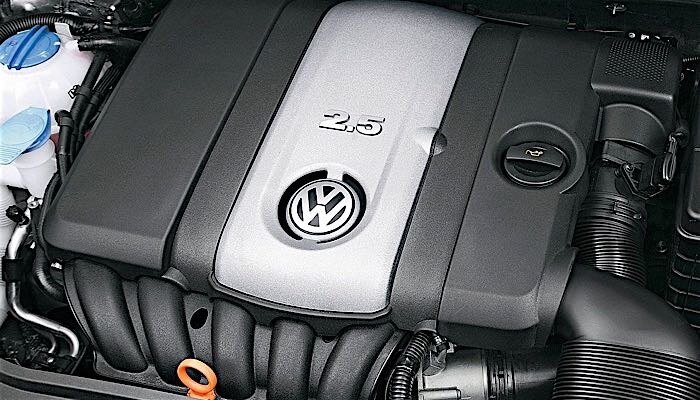
There are several reasons why your Volkswagen Jetta might develop an air leak. A common cause is a damaged or loose hose in the engine bay. Hoses can crack over time or become disconnected, leading to air escaping. Another potential culprit could be a faulty gasket. Gaskets are designed to create a seal between engine components, and when they fail, air leaks are likely. Additionally, problems with the intake manifold or throttle body could also lead to air escaping. Have you checked your car’s air filter recently? A clogged or improperly fitted air filter can sometimes cause air leaks as well. Taking the time to inspect these areas could help you pinpoint the problem and avoid unnecessary repairs. If you suspect an air leak, what steps will you take to address it? Identifying the issue early can save you time and money, and keep your Jetta running smoothly.
Reported Incidents
Volkswagen Jetta owners have voiced concerns about air leaks in their vehicles. These reported incidents vary from minor annoyances to more serious issues. Understanding these experiences can help you make informed decisions about your Jetta.
Owner Experiences
Some owners have shared their stories online, detailing their struggles with air leaks. One driver mentioned hearing a persistent whistling sound while driving on the highway. Another found that their car’s interior was colder than expected during winter, despite the heater being on full blast.
These anecdotes highlight how air leaks can affect your driving experience. Have you noticed unusual sounds or temperature changes in your Jetta? This might be a sign of an air leak.
Mechanic Insights
Mechanics often see patterns in car issues, and air leaks in the Jetta are no exception. A seasoned mechanic once noted that leaks often originate from door seals or the sunroof. Ensuring these components are properly sealed can prevent these problems.
Mechanics also advise checking for any visible gaps or worn-out rubber seals. Regular maintenance and inspections are key to catching these issues early. Could a simple check-up save you from future frustration?
In essence, reported incidents of air leaks in the Volkswagen Jetta underscore the importance of vigilance and proactive care. Whether it’s sharing experiences with fellow owners or consulting with mechanics, taking these steps can enhance your driving comfort and vehicle performance.
Impact On Performance
Reports of air leaks in Volkswagen Jetta models have raised concerns about their impact on performance. Drivers may notice reduced fuel efficiency and potential engine issues, affecting overall driving experience. Addressing these leaks promptly can help maintain optimal vehicle function.
If you’ve ever noticed a sudden dip in your Volkswagen Jetta’s performance, you might be dealing with air leaks. These pesky leaks can significantly affect how your car performs. Understanding their impact can help you address potential issues before they become costly problems.
Fuel Efficiency
Air leaks can make your engine work harder. When your engine doesn’t get the right air-fuel mix, it burns more fuel to compensate. This can result in your fuel gauge dropping faster than usual. Have you found yourself visiting the gas station more often? That’s a red flag. Consider checking for air leaks if your Jetta’s fuel efficiency isn’t what it used to be.
Engine Power
A smooth ride requires optimal engine power. Air leaks disrupt this balance, causing your engine to underperform. You might notice sluggish acceleration or a lack of power when climbing hills. Think back to a time when your Jetta struggled to overtake another vehicle. It could have been an air leak that was robbing your engine of its power. Addressing these leaks can restore the driving experience you expect from your Volkswagen Jetta. Have you checked your engine lately? Detecting air leaks early can save you from unexpected repairs and maintain your car’s performance.
Diagnosis And Detection
Air leaks in a Volkswagen Jetta can affect performance. Identifying the source is crucial. Early detection prevents bigger issues. Owners should understand how to diagnose and detect air leaks.
Tools And Techniques
Start with visual inspection. Look for cracked hoses or loose connections. A smoke machine can help find leaks. It releases smoke into the system. Watch for smoke escaping. A soapy water solution can pinpoint leaks too. Apply it to suspected areas. Bubbles show air escaping.
Professional Assessment
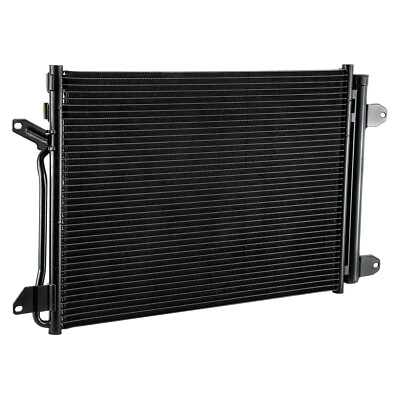
Sometimes, expert help is needed. Professionals use advanced diagnostic tools. They have special equipment to detect leaks. Their experience ensures accurate detection. Mechanics can perform pressure tests. This test finds leaks in the intake system. It helps locate hidden issues. Professional assessment saves time and hassle.
Credit: www.ebay.com
Repair Solutions
Volkswagen Jetta owners have reported air leaks affecting vehicle performance. These leaks might lead to reduced fuel efficiency. Identifying the source early helps in maintaining optimal driving conditions.
Volkswagen Jetta air leaks can be frustrating. They affect the car’s performance and comfort. Addressing these issues promptly is important. There are various repair solutions available.
Diy Fixes
You can try some simple DIY fixes at home. Start by inspecting the door seals. Look for visible gaps or damage. A tube of silicone sealant can be helpful. Apply it to small gaps or cracks. Check the windows. Sometimes, loose windows cause air leaks. Tighten any loose screws. Use weather stripping tape around the edges. This can improve the seal. Inspect the sunroof, if your Jetta has one. Make sure it closes tightly. Clean any dirt or debris from the seals. This ensures a better fit and reduces leaks.
Professional Services
Sometimes, DIY fixes aren’t enough. Seeking professional services can be a wise choice. Experienced mechanics can identify hard-to-find leaks. They use specialized tools for accurate diagnosis. Professionals can replace worn-out seals. They ensure all components fit snugly. This is crucial for a long-lasting solution. Visit an authorized Volkswagen service center. They have access to genuine parts. This ensures the best repair quality for your Jetta. Regular maintenance checks can prevent future leaks. Schedule these with your service provider. It helps in catching potential problems early. `
Preventive Measures
Reports of air leaks in Volkswagen Jetta emphasize the need for regular checks. Identifying leaks early can prevent costly repairs. Ensuring seals and windows are intact helps maintain vehicle efficiency.
When it comes to preventing air leaks in your Volkswagen Jetta, taking proactive steps can save you from unexpected repairs and maintain your vehicle’s efficiency. The key to keeping your Jetta in top condition lies in a consistent approach to maintenance and being vigilant about the signs of potential issues. Let’s explore how you can take charge of your car’s health with some simple yet effective preventive measures.
Regular Maintenance
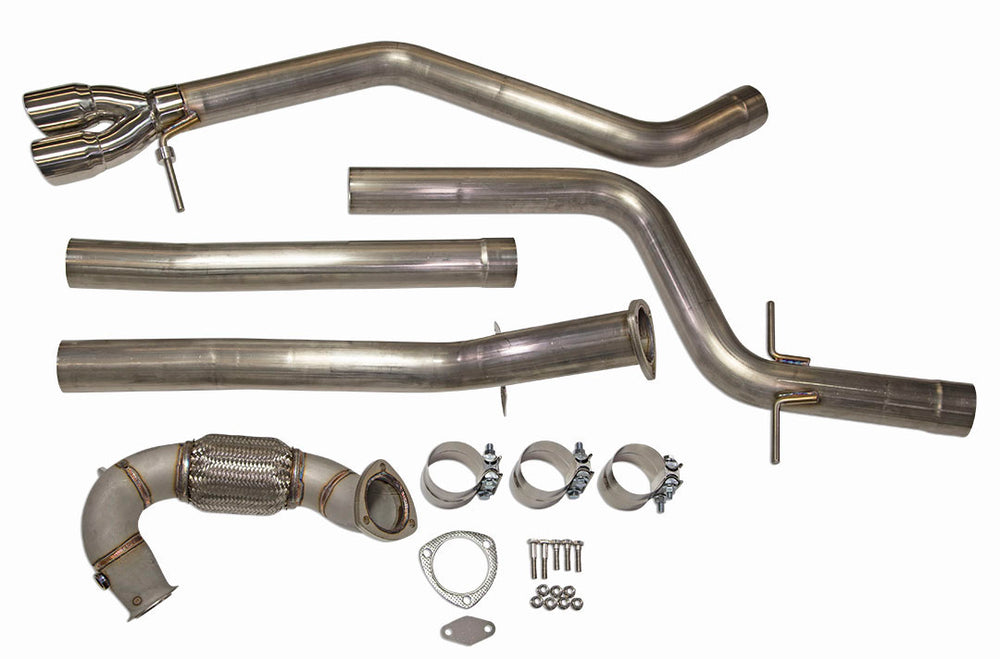
Regular maintenance is crucial for preventing air leaks in your Volkswagen Jetta. Just like you wouldn’t skip a doctor’s appointment for your health, your car deserves the same attention. Make it a habit to schedule routine check-ups with your mechanic, ensuring they inspect areas prone to air leaks, such as seals, hoses, and the exhaust system. Keeping a maintenance log can be a game-changer. It helps you track what has been checked and when, making it easier to identify recurring issues. This record can be your best friend when communicating with your mechanic about your car’s history and any concerns you might have noticed.
Monitoring Signs
Being alert to signs of air leaks in your Jetta can prevent minor issues from becoming major headaches. Listen for unusual hissing sounds while driving, especially when the engine is idle. These sounds can be an early indication of an air leak. Another sign to watch is a decrease in fuel efficiency. If you notice you’re making more trips to the pump, it might be worth checking for leaks. Similarly, if your Jetta’s acceleration feels sluggish or the engine warning light flickers on, it’s time to investigate further.
Have you ever felt your vehicle just isn’t performing like it used to? Trust your instincts. Often, subtle changes in performance can signal underlying issues. Addressing them early can save you time and money down the road. Preventive measures might seem like extra work, but they are an investment in your vehicle’s longevity. By staying vigilant and taking these simple steps, you can enjoy a smoother, more efficient ride in your Volkswagen Jetta. What’s the next step you’ll take to ensure your Jetta runs at its best?
Volkswagen’s Response
When it comes to dealing with air leaks in the Volkswagen Jetta, many owners wonder how the company responds to such issues. Understanding Volkswagen’s approach can help you decide whether their customer service aligns with your expectations. Let’s delve into how Volkswagen addresses these concerns.
Official Statements
Volkswagen has issued official statements acknowledging that some Jetta models may experience air leaks. They emphasize their commitment to quality and customer satisfaction. It’s clear that they take these reports seriously.
In their statements, Volkswagen outlines the steps they are taking to investigate and resolve the issue. They assure customers that they are working diligently to identify the root cause and implement solutions. This proactive stance can be reassuring if you’re concerned about potential leaks in your vehicle.
Customer Support
Volkswagen’s customer support is available to assist you if you suspect an air leak in your Jetta. They provide detailed guidance on how to report the issue and what to expect during the resolution process. This can be a valuable resource if you’re unsure about the next steps.
If you reach out to their support team, they typically offer practical advice and may schedule an inspection at your nearest dealership. They aim to make the process as smooth as possible for you. Have you ever had to rely on customer support for a vehicle issue? How did that experience shape your perception of the brand?
Volkswagen’s response to air leaks in the Jetta highlights their dedication to addressing customer concerns swiftly and effectively. If you’re facing this issue, their statements and support initiatives can provide the reassurance you need.
Consumer Advice
Experiencing air leaks in a Volkswagen Jetta can be frustrating. These leaks might disrupt your driving experience or affect vehicle performance. Understanding consumer advice on this issue is vital for maintaining your car’s efficiency and safety. Knowing when to seek help and choosing the right repair service can make a significant difference.
When To Seek Help
Detecting air leaks early can prevent larger issues. Listen for unusual sounds while driving. Whistling or hissing noises may indicate a leak. Pay attention to changes in fuel efficiency. If the Jetta consumes more fuel than usual, it might be due to a leak. Monitor your vehicle’s performance. A decrease in acceleration can be a sign of air issues. Seek professional help when these signs appear.
Choosing A Repair Service
Selecting the right repair service is crucial. Look for technicians who specialize in Volkswagen vehicles. Certified professionals are more likely to fix the issue accurately. Check customer reviews online. Feedback from other Jetta owners can guide your choice. Compare prices among local repair shops. Ensure the service is within your budget but offers quality work. Confirm warranty options for the repairs. This protects you from future expenses if problems persist.
Credit: www.rawtekinc.com
Frequently Asked Questions
What Is A Common Problem In Volkswagen Jetta?
Volkswagen Jetta often faces transmission issues, causing rough shifting or slipping. Electrical problems, particularly with the power windows, are common. Engine misfires may occur due to faulty ignition coils or spark plugs. Regular maintenance can mitigate these problems. Always consult a professional mechanic for accurate diagnosis and repair.
How Much Is It To Fix Ac In A Volkswagen Jetta?
Fixing an AC in a Volkswagen Jetta costs between $200 and $1,000. Prices vary based on parts and labor. It’s best to get a quote from a certified mechanic to determine the exact cost for your specific repair needs. Regular maintenance can prevent expensive repairs.
Is An Intake Air System Leak Bad?
An intake air system leak is harmful. It can reduce engine performance and fuel efficiency. Fixing leaks is crucial for optimal engine function.
How Much Does It Cost To Replace The Air Filter In A Volkswagen Jetta?
Replacing the air filter in a Volkswagen Jetta costs between $20 and $50. Prices vary based on brand and location. Labor charges at a mechanic could add $50 to $100. DIY replacement saves labor costs. Regular replacement ensures optimal engine performance and fuel efficiency.
Conclusion
Reports of air leaks in Volkswagen Jetta are not uncommon. Owners should stay alert. Regular maintenance helps prevent these issues. Check seals and gaskets frequently. Early detection saves money and stress. Dealerships can offer professional inspections. Use online forums for advice from other Jetta owners.
Sharing experiences helps the community. Don’t ignore small signs of air leaks. Addressing them early ensures a smoother ride. Stay informed and proactive about car maintenance. A little attention goes a long way. Ensure your Jetta remains reliable and efficient.

Automotive Specialist & Expert Mechanic
Noah Brooks is a skilled automotive expert with a passion for both the technical and creative aspects of the automotive world. With years of experience in repairing, restoring, and enhancing vehicles, Noah is known for his deep knowledge of car mechanics, parts, and accessories. His expertise extends to welding, troubleshooting, and offering advice on the latest car technologies and trends. Whether it’s diagnosing complex issues or guiding readers through DIY car repairs, Noah’s blog posts are filled with hands-on insights that appeal to both novice and experienced car enthusiasts. When he’s not writing, Noah is working on his own car projects, continually learning and sharing his automotive passion with the world.


