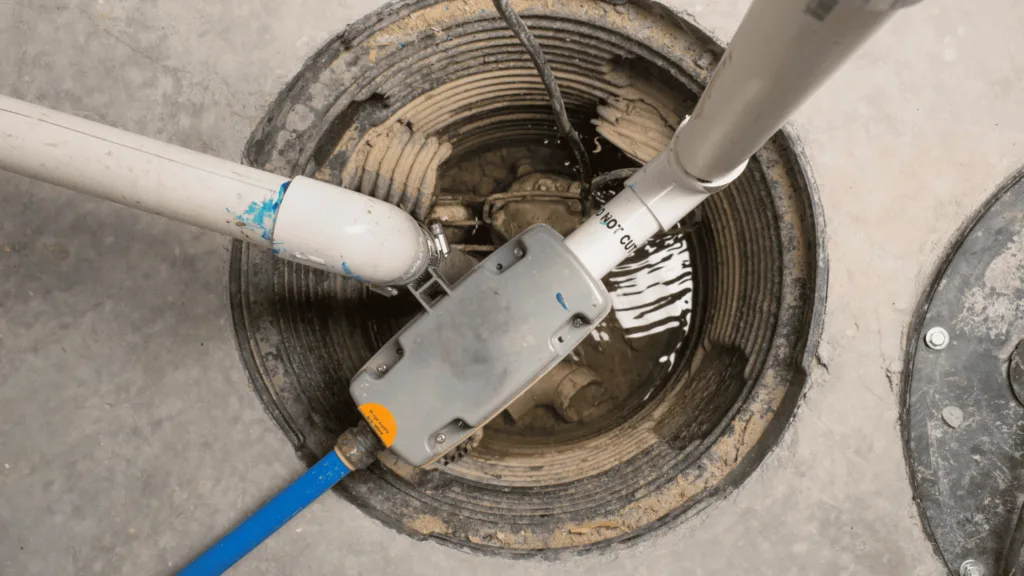
How Do I Know If My Sump Pump is Bad: Key Signs to Watch For
Is your basement feeling a little damper than usual? You might be wondering, “How do I know if my sump pump is bad?” A failing sump pump can lead to costly water damage, mold, and endless headaches.
But don’t worry—you don’t have to be an expert to spot the warning signs. You’ll discover simple ways to check if your sump pump is working right, so you can protect your home before it’s too late. Keep reading, because knowing the truth about your sump pump could save you thousands down the line.

Credit: www.callmattioni.com
Common Sump Pump Issues
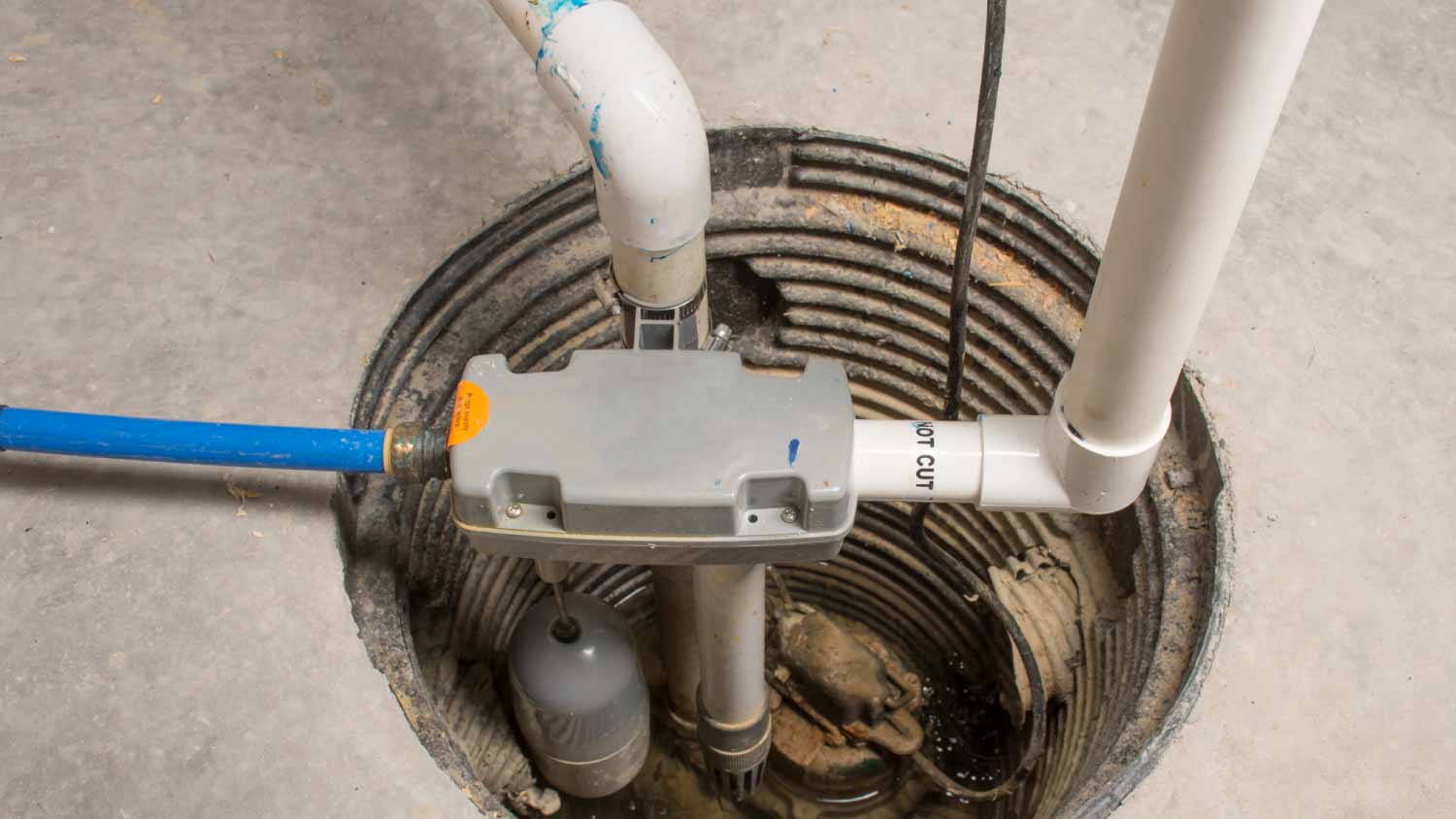
Sump pumps protect basements from flooding. They work by pushing water away from your home’s foundation. Problems with sump pumps can cause water damage and costly repairs. Knowing common sump pump issues helps you act fast.
Watch out for signs that show your sump pump might be failing. Early detection can save your basement from flooding. Here are some common problems to look for.
Pump Fails To Start
The pump should start automatically when water rises. If it doesn’t start, there could be an electrical issue. Check if the pump is plugged in and the circuit breaker is on. A stuck float switch can also stop the pump from starting.
Unusual Noises
Strange sounds mean trouble. Grinding, rattling, or squealing noises often point to mechanical problems. The motor or impeller might be damaged. Noises can also mean debris is stuck inside the pump. These sounds should never be ignored.
Constant Running
The sump pump should turn off once water lowers. If it runs nonstop, the float switch might be stuck. A clogged discharge pipe can also cause constant running. Continuous operation wears out the pump quickly.
Water Not Pumped Out
Water stays in the sump pit even when the pump runs. This shows the pump is not removing water properly. Check for clogged pipes or a broken impeller. The discharge line might be frozen or blocked. This problem needs quick fixing to avoid flooding.
Credit: www.angi.com
Physical Signs Of Damage
Sump pumps are crucial for keeping basements dry. Spotting physical damage early can save you from water damage. Regular checks help ensure your sump pump works properly. Here are some signs indicating your sump pump might be bad.
Visible Rust Or Corrosion
Rust can weaken your sump pump. Corrosion often appears on the pump’s metal parts. This can affect the pump’s efficiency. Check for any reddish or brown spots. These indicate rust. If you see corrosion, it may be time for a replacement.
Cracks Or Leaks
Inspect the pump for any cracks. Even small cracks can lead to leaks. Leaks can cause the pump to fail. Look for water pooling around the pump. This is a sign of potential leaks. A cracked pump may not function properly.
Damaged Power Cord
The power cord is vital for the pump’s operation. Check for frays or exposed wires. A damaged cord can be a fire hazard. It can also stop the pump from working. Ensure the cord is intact and securely connected. If damaged, replace it immediately.
Performance Problems
Performance problems often signal that a sump pump may be failing. These issues can reduce the pump’s ability to remove water efficiently. Recognizing these signs early helps prevent flooding and costly repairs. Watch for changes in how the pump operates, especially during heavy rain or high water levels.
Slow Pumping Speed
A sump pump that moves water slowly can cause basement flooding. Slow pumping often means the motor or impeller is clogged or worn out. Check for debris blocking the pump intake or discharge pipe. A slow pump struggles to keep up with rising water, which can lead to water damage.
Frequent Cycling
Frequent cycling means the pump turns on and off too often. This can wear out the motor faster and cause early failure. Frequent cycling may result from a faulty float switch or a small sump pit. It can also happen if the pump is too powerful for the basin size.
Pump Overheating
Overheating causes the sump pump to shut down unexpectedly. This happens when the motor runs without enough water to cool it. Overheating may indicate a stuck impeller or a blocked discharge pipe. Continuous overheating can damage the pump permanently.
Testing Your Sump Pump
Testing your sump pump regularly is crucial to avoid unexpected failures, especially during heavy rains. You can perform simple checks yourself to ensure your pump is ready to protect your basement from flooding. These tests help you spot issues early, saving you costly repairs and water damage later on.
Manual Test Method
Start by pouring a bucket of water directly into the sump pit. Watch closely to see if the pump activates and starts pumping the water out.
If the pump doesn’t turn on immediately, it could be a sign of a problem. Sometimes debris in the pit blocks the float, so make sure the pit is clean before testing. Repeat this test a couple of times to confirm consistent operation.
Float Switch Check
The float switch controls when the pump turns on and off. Check if the float moves freely without getting stuck.
Gently lift the float to see if the pump activates. If the pump doesn’t start or the float feels stuck, the switch might need adjustment or replacement. A stuck float is a common cause of pump failure and can be easy to fix.
Power Supply Verification
Ensure the sump pump is properly plugged into a working outlet with a dedicated circuit. Check for any signs of damage to the power cord or plug.
Try plugging in another device to confirm the outlet is functioning. If your pump uses a battery backup, test the battery to make sure it holds a charge. Power issues are often overlooked but are a simple fix once identified.
When To Replace Your Pump
Knowing when to replace your sump pump helps avoid water damage. Pumps wear out over time and lose efficiency. Signs of failure mean it may be time for a new pump. Consider factors like age, repair costs, and model upgrades before deciding. This keeps your basement safe and dry.
Age And Lifespan
Sump pumps usually last about 7 to 10 years. Older pumps may fail more often and work less effectively. If your pump is near or past this age, replacement is wise. New pumps offer better reliability and performance. Don’t wait for a breakdown to act.
Cost Of Repairs Vs Replacement
Repairs can add up fast, especially for older pumps. Compare repair costs to the price of a new pump. Repairs costing more than half the price of a new unit suggest replacement. New pumps come with warranties, reducing future expenses. Choose the option that saves money and stress.
Upgrading To New Models
New sump pumps have improved features and energy efficiency. Modern pumps often run quieter and last longer. Some models include backup batteries for power outages. Upgrading ensures better protection for your home. Consider new technology for peace of mind and safety.

Credit: www.callmattioni.com
Frequently Asked Questions
How Can I Tell If My Sump Pump Is Failing?
Signs include unusual noises, frequent cycling, and water backup. Check if the pump runs continuously or not at all. Inspect for visible damage or rust. A failing sump pump often causes basement flooding during heavy rain.
What Causes A Sump Pump To Stop Working?
Common causes are power failure, clogged discharge pipes, or a stuck float switch. Debris and dirt can block the pump. Mechanical wear and old age also lead to failure. Regular maintenance prevents most issues.
How Often Should I Test My Sump Pump?
Test your sump pump every three to six months. Pour water into the pit to trigger the pump. Ensure it activates and pumps water out properly. Frequent testing helps catch problems early.
Can A Bad Sump Pump Damage My Home?
Yes, a bad sump pump can cause basement flooding. Water damage leads to mold growth and structural issues. Prompt repair or replacement protects your home’s foundation and indoor air quality.
Conclusion
A sump pump shows signs when it stops working well. Strange noises, constant running, or no water removal are clear warnings. Checking the pump regularly helps avoid water damage. Small problems can turn into costly repairs fast. Trust your senses and act quickly to protect your home.
Keeping your sump pump in good shape ensures dry basements and peace of mind. Don’t wait for flooding to find out there’s a problem. Stay alert and maintain your sump pump often.

Colin Radner is an automotive enthusiast with a deep passion for cars and welding. With over five years of hands-on experience in welding, Colin brings a unique perspective to the automotive world. His expertise in welding, combined with his love for all things car-related, allows him to write insightful and informative blog posts that resonate with automotive lovers and DIY mechanics alike. When he’s not writing, you can find him working on car repairs, restoring vintage models, or exploring the latest trends in the automotive industry. Colin’s dedication to the craft and his ability to break down complex topics makes him a trusted voice in the automotive blogosphere.