How to Prime a Pool Pump: Easy Steps for Quick Setup
If your pool pump isn’t working right, it might need priming. Knowing how to prime a pool pump can save you time, money, and frustration.
Without proper priming, your pump can lose suction, causing it to run dry and possibly get damaged. In this guide, you’ll learn simple steps to get your pump up and running smoothly again. Keep reading, and you’ll discover easy tricks that anyone can do to keep your pool water clear and flowing perfectly.
Why Priming Matters
Priming a pool pump is an essential step that ensures the pump works properly. Without priming, the pump may not move water efficiently. This can cause damage to the pump and reduce its lifespan. Understanding why priming matters helps maintain a clean and healthy pool.
Role Of Priming In Pump Function
Priming fills the pump and pipes with water before turning on. Water is needed to create suction and start circulation. Without water, the pump runs dry and overheats. Priming prevents air from blocking water flow. It allows the pump to operate smoothly and keeps the motor cool.
Common Issues Without Priming
- The pump may lose prime and stop working.
- Air pockets can cause noisy operation.
- Running dry can damage pump seals and parts.
- Water flow decreases, leading to poor filtration.
- Energy use may increase due to strain on the pump.
Priming avoids these problems and extends the pump’s life. Always check that the pump is fully primed before use.

Credit: m.youtube.com
Tools You’ll Need
A bucket, garden hose, and screwdriver are essential tools for priming a pool pump. Having a towel nearby helps to clean up any spills quickly. These simple items make the process easier and faster.
Priming your pool pump might sound daunting at first, but with the right tools, it becomes a manageable task. Having the necessary equipment on hand can make the process smoother and more efficient. Before diving into the steps, let’s ensure you’re fully prepared with the right tools and precautions.Essential Equipment List
To successfully prime a pool pump, gather these essential tools:- Garden Hose:A versatile tool for filling the pump with water.
- Lubricant:Silicone-based lubricant to ensure seals and O-rings are functioning effectively.
- Bucket:Handy for carrying and pouring water into the pump basket.
- Wrench:Useful for loosening and tightening connections.
- Pool Pump Manual:Always keep the manual nearby for specific guidance related to your pump model.
Safety Precautions
Safety should always be your top priority when working with a pool pump. Here are some precautions to keep in mind:- Power Off:Always turn off the power to the pump at the circuit breaker to prevent accidental start-up.
- Dry Hands:Ensure your hands are dry to avoid electrical hazards.
- Secure Area:Keep the area around the pump dry and clear of any obstacles.
- Protective Gear:Wear gloves to protect your hands from sharp edges or chemicals.
Preparing The Pump
Preparing your pool pump correctly is essential for smooth operation and longevity. Before you start priming, you need to make sure everything is in place and working as it should. This step helps avoid common issues like airlocks and inefficient water flow that can damage your pump over time.
Checking Pump And Filter
Begin by inspecting your pump and filter for any visible damage or leaks. Make sure the pump lid is securely fastened and the O-ring is in good condition without cracks or debris. Also, check the filter basket for leaves or dirt that could block water flow.
It’s a good idea to clean the filter if it looks clogged. A clean filter ensures water passes through easily, reducing the workload on your pump. Have you noticed your pump working harder than usual? This simple check might reveal why.
Removing Air From The System
Air trapped in your pump or plumbing can prevent proper priming. To remove air, open the pump lid and slowly fill the pump basket with water from the garden hose. This helps push air out of the system and fills the pump with water, which is crucial for suction.
After filling, close the pump lid tightly and check for leaks around the seal. Then, turn the pump on and listen for any unusual noises that might indicate air still inside. If the pump sounds rough or loses prime quickly, you may need to repeat the process or inspect the suction lines for leaks.
Step-by-step Priming Process
Priming your pool pump is essential to ensure it operates efficiently and prevents damage. The process might seem tricky at first, but breaking it down makes it manageable. Let’s walk through the key actions you need to take to prime your pump correctly.
Filling The Pump With Water
Start by opening the pump lid carefully. You’ll see the pump basket inside—fill this area completely with water. This step is crucial because the pump needs water to create the suction that moves pool water through the system.
Don’t rush this part. If the pump basket isn’t fully filled, air pockets will form, causing the pump to lose prime. Have a bucket of water ready nearby, so you can quickly add more if needed.
Sealing The Pump Lid
Once the pump basket is full, replace the lid and screw it on tightly. A loose lid lets air back into the system, which ruins the priming effort. Check the lid gasket for cracks or debris that might prevent a perfect seal.
If you’ve ever had to pump water out of a flooded basement, you know how frustrating a leaky seal can be. The same goes for your pool pump—it needs to be airtight to work properly.
Starting The Pump Safely
Before turning the pump on, make sure all valves between the pool and pump are open. This ensures water flows freely and helps the pump maintain suction. Then, switch the pump on and listen closely.
Does the pump sound like it’s struggling or making unusual noises? That could mean it’s not fully primed. If so, turn it off and repeat the filling process. Have you noticed how a properly primed pump runs quietly and steadily? That’s your sign of success.
Troubleshooting Tips
Troubleshooting your pool pump can save you time and frustration. When priming issues arise, quick and effective fixes often make all the difference. Let’s look at common problems and how you can tackle them with confidence.
Handling Air Locks
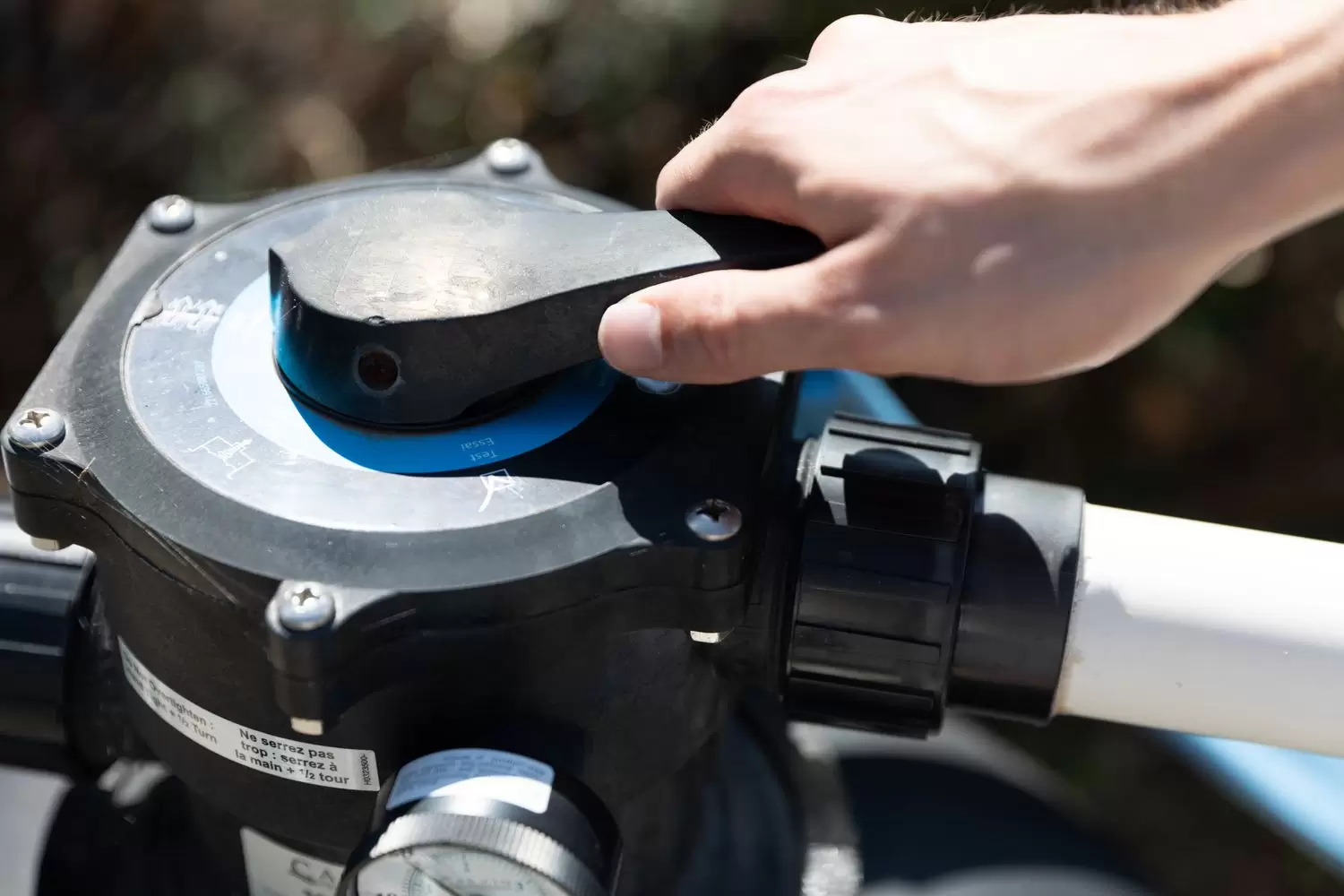
Air locks occur when trapped air prevents water from flowing through your pump. You might notice the pump running but no water circulating. To fix this, open the air relief valve on the filter or loosen the pump lid slightly to let air escape.
Sometimes, gently tapping the pump or loosening fittings near the pump helps release stubborn air pockets. Have you checked if your pump basket is full of debris? Clearing it can improve water flow and reduce air locks.
Dealing With Leaks
Leaks around the pump can stop proper priming and cause water loss. Inspect all connections, seals, and the pump lid for cracks or worn-out O-rings. Tighten any loose fittings, but avoid overtightening as this can cause damage.
If you spot a damaged seal, replace it immediately to prevent air from entering the system. Keep a small toolkit handy for these repairs—it’s a real time-saver when you need to act fast.
When To Call A Professional
If your pump still won’t prime after you’ve cleared air locks and fixed leaks, it might be time to get expert help. Persistent issues could signal a faulty impeller or motor problems beyond simple fixes.
Don’t hesitate to call a professional if you feel unsure or if electrical components are involved. Your safety and the longevity of your pool equipment depend on proper handling.
Credit: 1poolcare.com.au
Maintaining Your Pump
Maintaining your pool pump is key to keeping it running smoothly and extending its lifespan. A well-maintained pump saves you time, money, and frustration in the long run. It also ensures your pool water stays clean and inviting without unexpected breakdowns.
Regular Cleaning Schedule
Set a regular cleaning routine for your pump to avoid buildup that can block water flow. Clear out leaves, dirt, and debris from the pump basket and strainer at least once a week. This simple habit prevents clogs and keeps your pump working efficiently.
Don’t forget to rinse the pump’s exterior and check the water intake area. Cleaning these parts helps avoid wear caused by trapped grit or algae. Have you noticed how a quick clean often improves your pump’s performance immediately?
Checking For Wear And Tear
Regularly inspect your pump for signs of damage like cracks, leaks, or worn-out seals. These issues can cause water loss and reduce your pump’s efficiency. Catching problems early can save you from costly repairs or replacements.
Listen for unusual noises during operation; grinding or rattling sounds often indicate worn bearings or a misaligned impeller. You can also check the motor’s temperature—if it feels too hot, it might be overworking or failing. How often do you take a moment to listen to your pump’s sounds?

Credit: www.youtube.com
Frequently Asked Questions
How Do You Prime A Pool Pump Step-by-step?
To prime a pool pump, first turn off the pump. Open the pump lid and fill the basket with water. Secure the lid tightly and turn the pump back on. This removes air and allows proper water flow for efficient operation.
Why Is Priming A Pool Pump Important?
Priming removes trapped air in the pump and plumbing lines. This ensures water flows smoothly and the pump works efficiently. Without priming, the pump can run dry, causing damage and reduced performance.
How Often Should I Prime My Pool Pump?
You should prime your pool pump whenever it loses prime, usually after maintenance or power outages. Regular checks ensure the pump runs smoothly and prevents airlocks that reduce circulation and filtration.
Can I Prime A Pool Pump Without Water?
No, you cannot prime a pool pump without water. Water is essential to fill the pump and remove air pockets. Running the pump dry can damage the impeller and motor.
Conclusion
Priming a pool pump keeps water flowing smoothly. It stops air from blocking the pump. Follow the steps carefully for best results. Check for leaks and fill the pump with water. Turn on the pump and watch it work. Regular priming helps your pool stay clean.
It also saves you time and money. Keep your pump ready for the swimming season. Simple care makes a big difference. Now, you can enjoy clear water all summer long.

Colin Radner is an automotive enthusiast with a deep passion for cars and welding. With over five years of hands-on experience in welding, Colin brings a unique perspective to the automotive world. His expertise in welding, combined with his love for all things car-related, allows him to write insightful and informative blog posts that resonate with automotive lovers and DIY mechanics alike. When he’s not writing, you can find him working on car repairs, restoring vintage models, or exploring the latest trends in the automotive industry. Colin’s dedication to the craft and his ability to break down complex topics makes him a trusted voice in the automotive blogosphere.