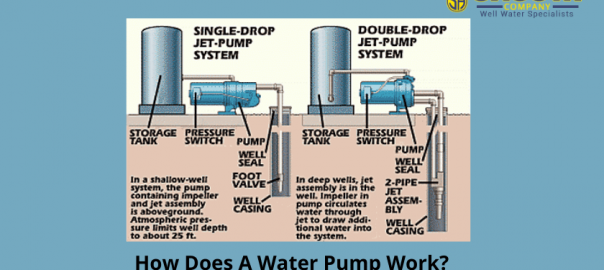
How Does a Water Pump Work: Unveiling Its Powerful Mechanism
Have you ever wondered what makes water flow smoothly from your taps or irrigation systems? Understanding how a water pump works can give you the power to fix issues, save money, and keep your water moving efficiently.
You’ll discover the simple yet fascinating way water pumps operate. By the end, you’ll see just how essential these devices are—and how they can make your daily life easier. Ready to dive in? Let’s get started!

Credit: www.youtube.com
Basic Principles Of Water Pumps
Water pumps play a crucial role in moving water from one place to another. Understanding how they work can help you choose the right pump for your needs and maintain it properly. At the core, water pumps use mechanical energy to create pressure differences that move water efficiently.
Have you ever wondered why some pumps are louder or more powerful than others? The answer lies in their design and internal parts, which directly affect how they handle water flow and pressure.
Types Of Water Pumps
- Centrifugal Pumps:These pumps use a spinning impeller to push water outward, creating pressure that moves the water through pipes. They are common in household water systems and irrigation.
- Positive Displacement Pumps:These pumps move water by trapping a fixed amount and forcing it through the outlet. They work well in situations where a steady flow is needed, like in fuel transfer or hydraulic systems.
- Submersible Pumps:Designed to operate underwater, these pumps push water to the surface and are often used in wells or drainage.
Each type has its strengths and weaknesses. You need to match the pump type with your specific water moving needs to get the best performance.
Key Components
- Impeller:This is the rotating part that moves water by converting mechanical energy into fluid energy.
- Motor:Provides the power to turn the impeller, usually powered by electricity or fuel.
- Volute or Casing:The housing that directs the flow of water from the impeller to the outlet pipe.
- Inlet and Outlet Ports:Where water enters and exits the pump, designed to optimize flow and pressure.
Knowing these parts helps you troubleshoot common problems like leaks or loss of pressure. Have you checked your pump’s impeller condition lately? It might be the hidden cause behind poor water flow.
How Water Pumps Move Water
Water pumps push or pull water by creating pressure differences. They use a spinning part called an impeller to move water through pipes. This process helps water flow from one place to another efficiently.
Understanding how water pumps move water can seem like a fascinating puzzle. At the heart of this puzzle are components working in harmony to efficiently move water from one point to another. This process is crucial in countless applications, from your garden hose to industrial water systems. Let’s dive into the mechanics and see how these devices accomplish such an essential task.The Role Of Impellers
The impeller is a key player in moving water. Imagine it as a spinning wheel with blades inside the pump. As it spins, it propels water forward. This action is similar to how a fan moves air. The faster the impeller spins, the more water it can move. This is why pumps have motors of varying power, depending on the job. Next time you turn on a pump, think about the impeller whirring away, tirelessly pushing water forward.Creating Pressure Differences
Water movement relies heavily on pressure differences. Inside a pump, the spinning impeller creates low pressure at its center and high pressure at its edges. This pressure gradient is what draws water in and pushes it out. Consider how you drink through a straw. You create low pressure by sucking, and the higher atmospheric pressure pushes the liquid into your mouth. Pumps work on a similar principle. When choosing a pump, consider the pressure it can create. A pump that generates higher pressure differences can move water more effectively over longer distances. So, if you need to water a distant garden, a pump with strong pressure capabilities will be your best ally.Power Sources For Water Pumps
Water pumps need power to move water efficiently. The source of this power varies depending on the pump’s design and use. Some pumps run on electricity, others on fuel, and some rely on manual force. Each power source has unique features and suits different situations.
Electric Motors
Electric motors are common in many water pumps. They use electricity to spin the pump’s impeller. These motors work quietly and need less maintenance. They are ideal for homes and businesses with steady electricity supply. Electric pumps start quickly and provide consistent water flow.
Fuel Engines
Fuel engines run on gasoline, diesel, or propane. They are powerful and work well in remote areas without electricity. These engines can handle large volumes of water and tough jobs. Fuel-powered pumps are common in agriculture and construction. They require regular fuel and maintenance to stay efficient.
Manual Operation
Manual water pumps use human power to work. People operate them by turning a handle or pulling a lever. These pumps are simple and reliable without needing fuel or electricity. They are great for emergency use or places with no power. Manual pumps provide water in small amounts but are easy to fix and use.
Common Applications Of Water Pumps
Water pumps play a crucial role in many areas of daily life and industry. Their ability to move water efficiently makes them indispensable in various settings. Understanding where and how these pumps are used can help you appreciate their importance and choose the right pump for your needs.
Residential Uses
In homes, water pumps ensure a steady supply of water for everyday activities. They boost water pressure for showers, taps, and garden irrigation. If you’ve ever experienced weak water flow, a pump could be the solution to improve your comfort.
Many houses use pumps to draw water from wells or storage tanks. This is especially common in rural areas where municipal water systems are unavailable. You might find pumps installed for sump drainage too, preventing flooding in basements.
Agricultural Irrigation
Farmers depend on water pumps to keep crops healthy and productive. Pumps help deliver water from rivers, lakes, or underground sources directly to fields. Without them, maintaining large-scale irrigation would be nearly impossible.
Think about how irrigation schedules affect crop yield. A reliable pump can save you time and effort by automating water delivery. Choosing the right pump type can also reduce energy costs, which is a big win for farmers managing tight budgets.
Industrial Processes
Industries use water pumps for cooling, processing, and cleaning. They move water through machinery and systems to keep operations running smoothly. If you work in manufacturing or processing, the right pump can improve efficiency and reduce downtime.
In factories, pumps handle tasks like moving chemicals, wastewater, and raw materials. You might be surprised how many different types of pumps exist to meet specific industrial needs. Selecting the correct pump can boost productivity and safety in your workplace.
Troubleshooting And Maintenance Tips
Troubleshooting and maintenance keep a water pump working well for years. Regular checks prevent small problems from growing. Simple actions save money and avoid water damage. Understanding common issues and routine care helps maintain pump performance.
Identifying Common Issues
Water pumps may face leaks, strange noises, or low pressure. Leaks often come from worn seals or loose fittings. Strange noises can mean worn bearings or debris inside. Low pressure might be due to clogged pipes or air in the system. Watch for these signs early.
- Check for water dripping around the pump.
- Listen for grinding or rattling sounds.
- Observe if water flow is weaker than usual.
- Feel vibrations indicating imbalance or damage.
Routine Care Practices
Keep the pump clean and dry. Remove dirt, leaves, and debris regularly. Tighten bolts and fittings to prevent leaks. Lubricate moving parts as the manual suggests. Flush the system to clear blockages. Inspect electrical connections for corrosion or wear.
- Clean the pump housing and inlet screen monthly.
- Lubricate bearings every three months or as advised.
- Check and tighten all pipe connections regularly.
- Test the pump’s pressure and flow rate quarterly.

Credit: www.alinepumps.com.au
Credit: www.streampumps.com
Frequently Asked Questions
How Does A Water Pump Move Water?
A water pump moves water by creating pressure differences. It uses mechanical energy to push water from low to high pressure areas. This process ensures continuous water flow through pipes or systems efficiently.
What Are The Main Types Of Water Pumps?
The main types are centrifugal, submersible, and positive displacement pumps. Each type suits different applications based on flow rate, pressure, and water source.
Why Is A Water Pump Important In Homes?
Water pumps ensure a steady water supply for daily tasks. They boost water pressure, making showers, cleaning, and irrigation more effective and convenient.
How Does A Centrifugal Water Pump Work?
A centrifugal pump uses a rotating impeller to create centrifugal force. This force pushes water outward, increasing pressure and flow through the pump outlet.
Conclusion
A water pump moves water using pressure and motion. It pulls water from one place and pushes it to another. Many types of pumps exist, each with a simple purpose. They keep water flowing in homes, gardens, and machines. Understanding how a water pump works helps you see its value.
It plays a quiet but important role every day. Now you know what makes water pumps work well. Simple parts, working together, keep water moving smoothly.

Colin Radner is an automotive enthusiast with a deep passion for cars and welding. With over five years of hands-on experience in welding, Colin brings a unique perspective to the automotive world. His expertise in welding, combined with his love for all things car-related, allows him to write insightful and informative blog posts that resonate with automotive lovers and DIY mechanics alike. When he’s not writing, you can find him working on car repairs, restoring vintage models, or exploring the latest trends in the automotive industry. Colin’s dedication to the craft and his ability to break down complex topics makes him a trusted voice in the automotive blogosphere.