How to Bleed a Power Steering Pump: Quick & Easy Guide
If your steering feels stiff or makes strange noises, your power steering pump might need bleeding. Knowing how to bleed a power steering pump can save you time and money, and keep your car running smoothly.
In this guide, you’ll learn simple, step-by-step instructions to get your power steering system working like new. Keep reading to find out how you can fix this common problem quickly and easily, even if you’re not a car expert.
Signs Of Air In Power Steering
Air trapped in the power steering system causes several noticeable issues. These signs can help identify air presence early. Detecting air prevents damage and keeps steering smooth and safe. Recognize these symptoms to maintain your vehicle’s performance and comfort.
Noisy Steering Pump
A power steering pump with air often makes unusual noises. Listen for whining, groaning, or squealing sounds when turning the wheel. These noises occur because air bubbles disrupt the pump’s normal operation. Ignoring the noise can lead to more serious pump damage.
Spongy Steering Wheel
A steering wheel that feels soft or spongy indicates air in the system. The wheel may not respond quickly or feel loose. This happens because air compresses inside the hydraulic lines. The result is less precise steering and reduced control.
Fluid Leaks
Leaks around the power steering pump or hoses can let air inside. Check for puddles or wet spots under the car. Leaks lower the fluid level, allowing air to enter the system. Keeping fluid topped up and fixing leaks is essential to avoid air problems.
Tools And Materials Needed
Essential tools include a wrench, a container for old fluid, and fresh power steering fluid. A clean rag helps prevent spills during the process.
To effectively bleed a power steering pump, having the right tools and materials is essential. You might wonder, what exactly do you need to get the job done? This section breaks it down into three simple categories: basic tools, power steering fluid, and safety gear. Let’s dive into each to ensure you’re well-prepared for the task ahead.Basic Tools
You’ll need a few basic tools to get started. A wrench set is vital for loosening and tightening bolts. It’s also handy to have a catch pan ready to collect any old fluid that might spill during the process. Having a funnel can make adding fluid easier and less messy. If you’ve ever tried pouring without one, you know how tricky it can be. A flashlight can also be useful, especially if you’re working in a dimly lit garage.Power Steering Fluid
Not all power steering fluids are the same. Check your vehicle’s manual for the recommended type. Using the correct fluid is crucial for the longevity and efficiency of your steering system. Consider purchasing a little extra fluid. It’s better to have more than you need than to run out mid-process. This ensures a smoother operation and saves an unexpected trip to the store.Safety Gear
Safety should always be a priority. Gloves are essential to protect your hands from chemicals and prevent slipping. Eye protection is also wise to shield against any unexpected splashes. Wearing old clothes or a protective apron can save you from unwanted stains. Have you ever had to scrub power steering fluid out of your favorite jeans? It’s not fun! Having the right gear keeps you focused and safe.Preparing Your Vehicle
Preparing your vehicle before bleeding the power steering pump is essential for safety and efficiency. Proper preparation ensures the process goes smoothly and prevents any damage to your vehicle. Follow these steps carefully to set up your car for the procedure.
Park On Level Ground
Choose a flat, level surface to park your vehicle. This keeps the fluid level stable and prevents spills. Avoid slopes or uneven ground that can cause fluid to shift and give false readings.
Turn Off Engine
Make sure the engine is completely off before starting. This prevents the pump from running and reduces the risk of injury. Let the engine cool down if it was running recently to avoid burns.
Lift Front Wheels
Use a jack to lift the front wheels slightly off the ground. This allows the wheels to spin freely during bleeding. Secure the car with jack stands for safety. Never work under a vehicle supported only by a jack.

Credit: www.crossroadshelpline.com
Locating The Power Steering Pump
Locating the power steering pump is the first step to bleeding it properly. The pump plays a key role in your vehicle’s steering system. Knowing its position helps you perform maintenance safely and efficiently.
The power steering pump usually sits near the engine and connects to the belt system. Identifying it and the fluid reservoir is important before you start any work. Checking the fluid level ensures the system works well after bleeding.
Identify Pump Position
The power steering pump is a round, metal part with a pulley. It attaches to the engine block or near it. Look for a belt wrapped around the pulley. The belt moves the pump when the engine runs.
The pump has hoses connected to it. These hoses carry power steering fluid to and from the pump. The pump often sits low or to one side of the engine bay, depending on the vehicle model.
Find Fluid Reservoir
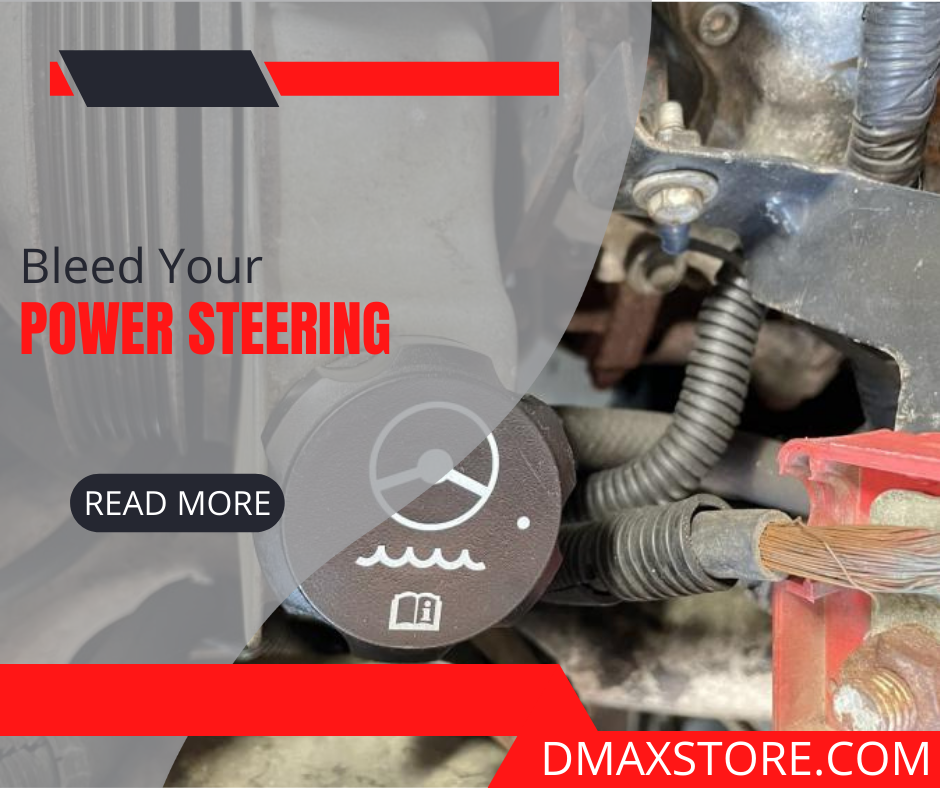
The fluid reservoir is a small container made of plastic or metal. It usually sits on or near the power steering pump. The reservoir holds the power steering fluid needed for the system to work.
Look for a cap labeled “Power Steering Fluid” or similar text. The cap is often black or yellow. The reservoir might be transparent or have markings to show fluid levels.
Check Fluid Level
Check the fluid level by looking at the reservoir markings. Most reservoirs have “Min” and “Max” lines. The fluid should be between these lines for safe operation.
If the fluid is below the “Min” line, add the correct power steering fluid. Use the type recommended in your vehicle’s manual. Proper fluid level prevents damage and ensures smooth steering.
Steps To Bleed The Pump
Bleeding a power steering pump is essential to remove trapped air that causes noise and poor steering response. The process involves a few careful steps to ensure the system is free of air pockets and filled with the right fluid. You’ll find that with some patience, you can restore smooth steering without a mechanic.
Remove Reservoir Cap
Start by opening the hood and locating the power steering fluid reservoir. Removing the cap allows you to access the fluid and see if any air bubbles appear during bleeding. Keep the cap nearby but off to avoid contaminating the fluid.
Disconnect Return Hose
Next, find the return hose connected to the reservoir. Carefully disconnect it to allow air to escape when you start the bleeding process. Make sure to have a container ready to catch any fluid that might leak out.
Fill Reservoir With Fluid
Pour the recommended power steering fluid into the reservoir until it reaches the proper level. Using fresh fluid helps prevent damage and ensures the system operates smoothly. Avoid overfilling, as this can cause spills and messes.
Reconnect Hose And Tighten
Once the reservoir is filled, reconnect the return hose securely to prevent leaks. Tightening the hose clamp firmly is crucial to maintain pressure during the bleeding. Double-check for any loose connections before moving on.
Turn Steering Wheel Repeatedly
With the engine running, slowly turn your steering wheel from lock to lock several times. This movement forces the fluid through the system and pushes trapped air out. Listen closely for any unusual noises or resistance, as these can indicate remaining air pockets.
Check Fluid Level Again
After turning the wheel, check the fluid level in the reservoir once more. Air removal often causes the level to drop, so topping it off may be necessary. Keeping the fluid at the correct level ensures consistent steering performance.
After Bleeding Care
After bleeding a power steering pump, proper care ensures the system works smoothly. The process does not end once the air is out. Checking and testing are vital to avoid future problems. Careful observation helps catch leaks early and confirms the pump’s performance.
Inspect For Leaks
Look around the pump and hoses for any fluid drips. Use a clean cloth to wipe suspicious spots. Fresh fluid marks may show where leaks occur. Tighten connections if you find loose fittings. Small leaks can cause steering issues over time.
Test Drive Tips
Drive slowly at first to feel the steering response. Turn the wheel fully to each side. Notice any strange noises or stiffness. Smooth, quiet steering means the pump is working well. Stop and check fluid levels after the test drive.
Monitor Steering Performance
Watch for changes in how the steering feels daily. Hard or jerky turns may signal air or fluid problems. Check fluid levels regularly to keep the system full. Early action helps prevent costly repairs later. Good steering means safer, easier driving.
Common Mistakes To Avoid
Bleeding a power steering pump needs care. Many make simple mistakes that cause trouble. Avoiding these errors saves time and protects your vehicle. Focus on key points for a smooth process.
Overfilling Fluid
Too much fluid causes pressure issues. It may lead to leaks and damage seals. Only fill to the recommended level. Check the dipstick or reservoir marks carefully. Less is better than too much in this case.
Ignoring Leaks
Leaks signal problems in the system. They let air enter and reduce steering power. Always inspect hoses and connections before starting. Fix leaks to keep the system sealed and efficient.
Skipping Safety Precautions
Power steering fluid can irritate skin and eyes. Wear gloves and eye protection during the job. Work in a well-ventilated area to avoid fumes. Take care to prevent spills on hot engine parts.
Credit: dmaxstore.com

Credit: hydraulicpump-suppliers.com
Frequently Asked Questions
How Do You Know If A Power Steering Pump Needs Bleeding?
Signs include whining noises, stiff steering, or fluid leaks. These indicate air trapped in the pump or system. Bleeding removes air to restore smooth steering and prevent damage.
What Tools Are Required To Bleed A Power Steering Pump?
You need a wrench, a clear hose, a container, and power steering fluid. These tools help you safely remove air and capture fluid without spills.
How Long Does It Take To Bleed A Power Steering Pump?
Bleeding typically takes 15 to 30 minutes. Time depends on how much air is trapped and the vehicle’s steering system complexity.
Can I Bleed The Power Steering Pump Myself Safely?
Yes, with basic tools and safety precautions, you can bleed it. Follow steps carefully to avoid fluid spills and ensure proper air removal.
Conclusion
Bleeding a power steering pump keeps your steering smooth and safe. Air trapped inside can cause noise and poor steering feel. Follow the steps carefully to remove air from the system. Check fluid levels often to avoid future problems. Take your time and work patiently.
A well-maintained pump helps your car steer easily and lasts longer. This simple task saves money and prevents bigger repairs. Regular care means safer drives and less stress on your vehicle. You can handle this with basic tools and some effort.
Keep your steering in top shape.

Colin Radner is an automotive enthusiast with a deep passion for cars and welding. With over five years of hands-on experience in welding, Colin brings a unique perspective to the automotive world. His expertise in welding, combined with his love for all things car-related, allows him to write insightful and informative blog posts that resonate with automotive lovers and DIY mechanics alike. When he’s not writing, you can find him working on car repairs, restoring vintage models, or exploring the latest trends in the automotive industry. Colin’s dedication to the craft and his ability to break down complex topics makes him a trusted voice in the automotive blogosphere.