What Causes a Fuel Pump to Go Bad: Top Reasons Revealed
Have you ever wondered why your car suddenly struggles to start or feels like it’s running out of power? One common culprit might be your fuel pump going bad.
Understanding what causes a fuel pump to fail can save you from unexpected breakdowns and costly repairs. You’ll discover the main reasons behind fuel pump problems and how to spot the signs early. Keep reading to protect your vehicle and keep it running smoothly every time you hit the road.
Credit: bostechauto.com
Common Fuel Pump Issues
Your fuel pump is a vital component that keeps your engine running smoothly by delivering fuel at the right pressure. However, it can develop issues that disrupt this flow, causing your vehicle to stall, hesitate, or fail to start. Understanding the common problems that cause fuel pumps to go bad can help you spot early signs and avoid costly repairs.
Wear And Tear Over Time
Fuel pumps work hard every time you start your car, pushing fuel from the tank to the engine. Over time, the internal parts naturally wear down due to constant use and friction. This gradual degradation can cause the pump to lose efficiency or fail completely.
Think about how your shoes wear out after long use—fuel pumps are similar. If your vehicle has high mileage, chances are your fuel pump is closer to needing replacement.
Contaminated Fuel Effects
Dirty fuel is a common culprit behind fuel pump problems. When debris, rust, or dirt enters the fuel tank, it can clog the pump’s filters and damage its internal components. This contamination forces the pump to work harder, increasing the risk of breakdown.
Have you ever noticed your engine sputtering after filling up at an unfamiliar gas station? That could be a sign of contaminated fuel affecting your pump’s performance.
Electrical Problems
Fuel pumps rely on electrical signals to operate. Issues like faulty wiring, blown fuses, or a bad relay can cut off power to the pump. Without electricity, the pump can’t push fuel, leading to engine starting problems or stalling.
Checking your vehicle’s electrical system can save you from unnecessary fuel pump replacements. Always inspect connections and fuses if your car shows sudden fuel delivery issues.
Overheating Causes
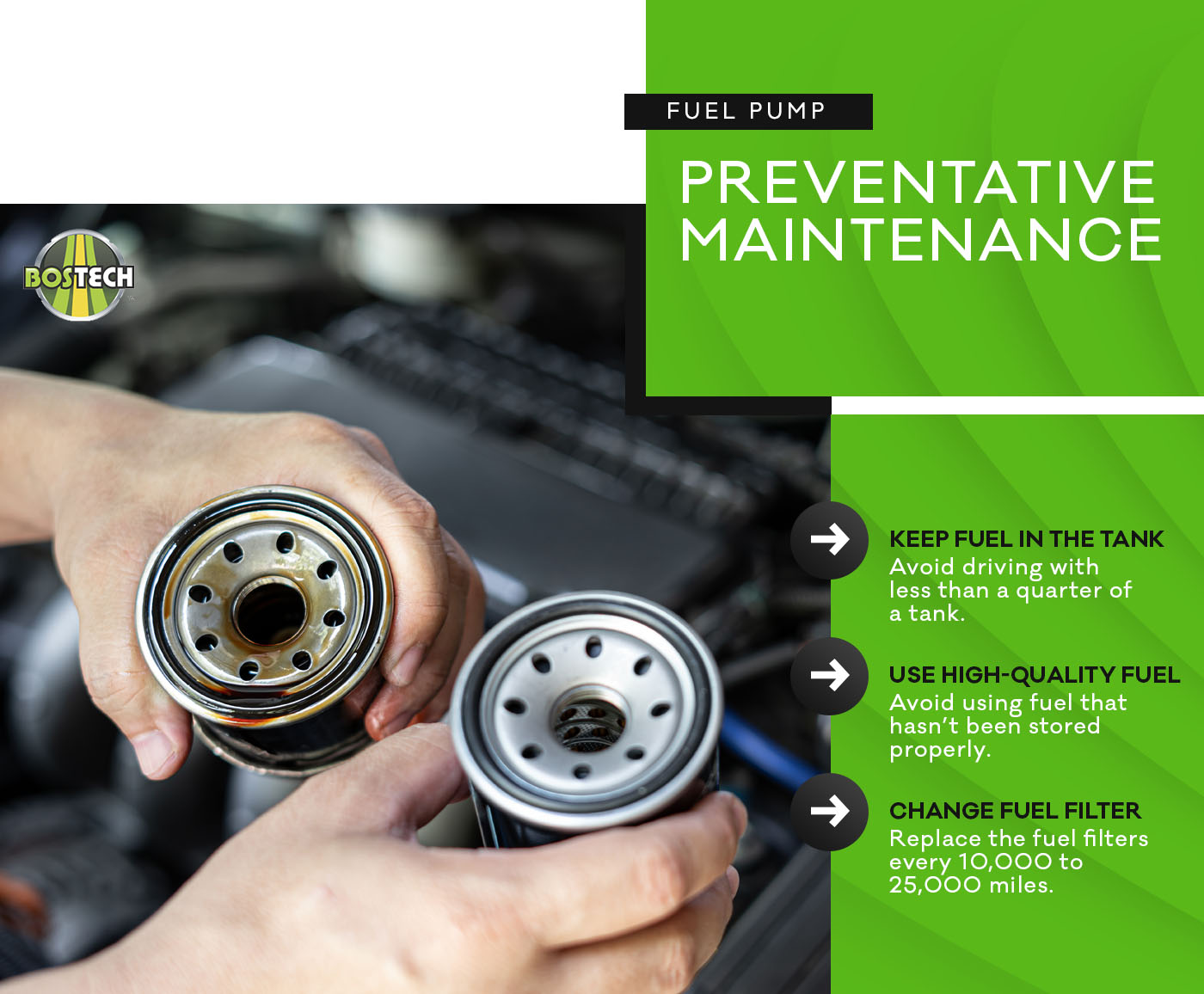
Fuel pumps are cooled and lubricated by the gasoline surrounding them in the tank. Running your vehicle frequently on low fuel levels can cause the pump to overheat. Without enough fuel to cool it, the pump may wear out faster or fail.
Do you often drive with the fuel gauge close to empty? This habit might be silently damaging your fuel pump over time.

Credit: www.oreillyauto.com
Impact Of Fuel Quality
Fuel quality plays a significant role in the health and longevity of your vehicle’s fuel pump. Poor fuel quality can lead to a variety of issues that might not be immediately obvious but can cause long-term damage to your car. Understanding how fuel quality affects your vehicle can help you make better choices at the pump and extend the life of your fuel pump.
Role Of Impurities
Impurities in fuel can wreak havoc on your fuel pump. Tiny particles and contaminants can clog the fuel filter, leading to increased pressure and stress on the pump. Over time, this can cause the pump to fail prematurely.
Imagine sipping a smoothie with a straw that keeps getting clogged with seeds. It’s frustrating and tiresome, right? Your fuel pump experiences a similar struggle when impurities are present.
Effects Of Low-quality Gasoline
Low-quality gasoline can contain higher levels of ethanol and other additives. These components can degrade rubber and plastic parts in the fuel system, leading to leaks and mechanical failures.
Have you ever chosen the cheaper gas option, thinking you’d save a few bucks? In the long run, it might cost you more in repairs. Consistently using low-grade fuel can reduce your car’s performance and increase the risk of pump failure.
So, next time you’re at the pump, consider the long-term benefits of opting for higher-quality fuel. It might save you from the headache of unexpected car repairs and keep your vehicle running smoothly.
Signs Of A Failing Fuel Pump
Signs of a failing fuel pump can vary but usually affect your vehicle’s performance. Recognizing these symptoms early helps avoid breakdowns and costly repairs. Watch for changes in how your engine runs and unusual sounds from your car.
Engine Stalling
The engine may stall suddenly while driving or idling. This happens because the fuel pump struggles to deliver a steady fuel flow. Frequent stalling means the pump is weakening and may fail soon.
Difficulty Starting
Hard starts or long cranking times are common signs of fuel pump issues. The engine may turn over but not catch quickly. This delay occurs due to insufficient fuel pressure from a failing pump.
Loss Of Power
Your vehicle may lose power during acceleration or uphill drives. The engine feels weak or sluggish because it does not get enough fuel. This loss of power signals that the fuel pump is not working properly.
Unusual Noises
Listen for whining or humming sounds from the fuel tank area. These noises indicate the fuel pump is struggling or worn out. A loud or irregular sound often means the pump needs replacement.

Credit: sunbit.com
Preventive Measures
Keeping your fuel pump in good shape is easier than you might think. Preventive measures can save you from costly repairs and unexpected breakdowns. Paying attention to simple habits and timely actions helps extend the life of your fuel pump significantly.
Regular Maintenance Tips
Regular maintenance plays a key role in preventing fuel pump failure. Change your fuel filter as recommended by your vehicle’s manufacturer to avoid clogging. A clogged filter forces the pump to work harder, leading to early wear.
Keep an eye on your fuel lines for any leaks or damage. Inspecting these components regularly ensures smooth fuel flow and reduces strain on the pump. Have you checked your fuel system during your last oil change?
Using Quality Fuel
The quality of fuel you put into your tank directly affects your fuel pump’s health. Low-quality or contaminated fuel can cause deposits and corrosion inside the pump. Always choose reputable fuel stations known for clean and high-quality gasoline or diesel.
Adding a fuel system cleaner occasionally can help maintain cleanliness inside the tank and fuel lines. This small step prevents buildup that might choke your pump over time. Think about the last time you noticed a rough idle or hesitation—could fuel quality be the cause?
Timely Repairs
Addressing minor fuel system issues promptly can prevent bigger problems. Strange noises from the fuel pump or trouble starting your engine shouldn’t be ignored. Early repairs stop small faults from escalating into complete pump failure.
Don’t wait until you’re stranded on the road. If you suspect a problem, visit a trusted mechanic to diagnose and fix it quickly. How often do you postpone minor repairs that might save you from major expenses later?
Frequently Asked Questions
What Are Common Signs Of A Failing Fuel Pump?
Common signs include engine sputtering, difficulty starting, loss of power, and stalling. Unusual noise from the fuel tank also indicates pump issues. Early detection prevents breakdowns and costly repairs.
How Does Contaminated Fuel Damage A Fuel Pump?
Contaminated fuel clogs the pump’s filter and wears internal parts. Dirt and debris reduce efficiency and cause overheating. Using clean fuel prolongs pump life and ensures proper engine performance.
Can Running Low Fuel Cause Fuel Pump Failure?
Yes, running low fuel causes the pump to overheat. Fuel acts as a coolant and lubricant for the pump. Consistently low fuel levels increase wear and risk pump damage.
How Often Should A Fuel Pump Be Replaced?
Fuel pumps typically last 100,000 to 150,000 miles. Replacement depends on driving habits and fuel quality. Regular maintenance and inspections help determine the right time to replace it.
Conclusion
Fuel pumps wear out mainly due to dirt, heat, and age. Dirty fuel clogs the pump and strains it. High temperatures cause parts to break down faster. Old pumps lose their strength over time. Regular maintenance helps keep the fuel pump healthy.
Clean fuel and timely checks prevent many problems. Knowing these causes helps you spot issues early. Taking care of your fuel pump saves money and trouble. Stay alert to signs of a failing pump to avoid breakdowns.

Colin Radner is an automotive enthusiast with a deep passion for cars and welding. With over five years of hands-on experience in welding, Colin brings a unique perspective to the automotive world. His expertise in welding, combined with his love for all things car-related, allows him to write insightful and informative blog posts that resonate with automotive lovers and DIY mechanics alike. When he’s not writing, you can find him working on car repairs, restoring vintage models, or exploring the latest trends in the automotive industry. Colin’s dedication to the craft and his ability to break down complex topics makes him a trusted voice in the automotive blogosphere.