Can a Fuel Pump Be Cleaned: Effective Tips to Restore Performance
Have you ever wondered if your fuel pump can be cleaned instead of replaced? If your car is acting up or losing power, you might be facing fuel pump issues.
Before rushing to buy a new one, it’s important to know whether cleaning your fuel pump is a smart and effective option. You’ll discover the truth about fuel pump cleaning, how it works, and whether it could save you time and money.
Keep reading to find out how to keep your car running smoothly without unnecessary expenses.
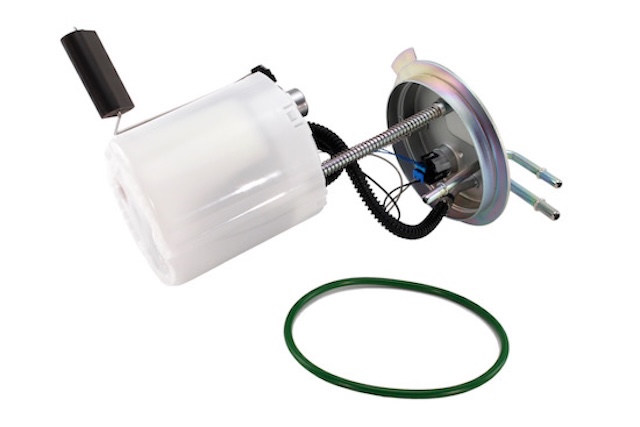
Credit: gmb.net
Signs Of A Dirty Fuel Pump
A dirty fuel pump can cause several problems in your vehicle. Recognizing the signs early helps prevent severe engine damage. Dirt and debris block fuel flow, reducing pump efficiency. This section highlights common symptoms of a dirty fuel pump.
Reduced Engine Performance
The engine may run rough or lose power during acceleration. You might notice poor fuel economy or frequent stalling. These issues occur because the fuel pump cannot supply enough fuel. The engine struggles to maintain speed and power.
Unusual Noises
A whining or humming sound from the fuel tank area can indicate pump trouble. The noise grows louder as the pump works harder to push fuel. Strange sounds often mean the pump is dirty or failing. Ignoring these noises can lead to total pump failure.
Difficulty Starting
The engine may take longer to start or fail to start at all. Insufficient fuel pressure causes hard starts and frequent misfires. You might need to turn the key multiple times. Dirty fuel pumps reduce fuel flow to the engine.

Credit: www.youtube.com
Fuel Pump Cleaning Basics
A clean fuel pump ensures your vehicle runs smoothly. It plays a crucial role in delivering fuel from the tank to the engine. Over time, dirt and debris may accumulate, affecting its performance. Regular cleaning can prevent costly repairs and improve efficiency.
When To Clean The Fuel Pump
Clean your fuel pump if you notice unusual noises or engine sputtering. Reduced fuel efficiency can also be a sign. Check for these symptoms to avoid further damage.
Necessary Tools And Materials
Gather the right tools before starting the cleaning process. You will need:
- Screwdriver set
- Fuel pump cleaner
- Protective gloves
- Clean cloths
These items ensure a safe and efficient cleaning process. Always follow safety guidelines while handling fuel-related components.
Step-by-step Cleaning Process
Cleaning a fuel pump can improve your vehicle’s performance and extend its life. The process requires careful attention and the right tools. Follow these steps closely to clean your fuel pump safely and effectively.
Safety Precautions
Fuel is highly flammable. Work in a well-ventilated area away from sparks and flames. Wear safety gloves and goggles to protect your skin and eyes. Disconnect the vehicle’s battery to avoid electrical shocks. Keep a fire extinguisher nearby in case of emergencies.
Removing The Fuel Pump
Relieve the fuel system pressure before starting. Locate the fuel pump; it is often inside or near the fuel tank. Use proper tools to disconnect fuel lines and electrical connectors carefully. Remove mounting bolts or screws holding the pump in place. Handle the pump gently to avoid damage.
Cleaning Techniques
Use a clean cloth to wipe away dirt and grime from the pump exterior. Soak the pump in a suitable fuel system cleaner or carburetor cleaner. Avoid using water or harsh chemicals that may damage the pump. Use a soft brush to remove stubborn deposits carefully. Allow the pump to dry completely before reinstalling.
Reinstalling The Pump
Check all seals and gaskets for wear; replace if needed. Place the pump back in its mounting position. Reconnect fuel lines and electrical connectors securely. Tighten all bolts and screws to the proper torque. Reconnect the battery and start the engine to test pump operation.
Credit: vimeo.com
Alternative Cleaning Methods
Cleaning your fuel pump doesn’t always mean taking it apart or replacing it. There are alternative ways that can help maintain its performance and extend its life without major hassle. These methods can be cost-effective and easier for many vehicle owners to try on their own.
Using Fuel Additives
Fuel additives are a simple way to clean your fuel pump and fuel system while driving. You just pour the additive into your gas tank, and it works to remove deposits and prevent buildup.
Many users find that additives improve engine smoothness and fuel efficiency after use. But remember, not all additives are created equal—choose one that specifically mentions fuel pump cleaning. Have you ever noticed a difference in your car’s performance after adding a fuel treatment?
Here’s what to look for in a good fuel additive:
- Designed to clean fuel injectors and pumps
- Safe for all types of fuel systems
- Contains detergents to break down varnish and sludge
Professional Cleaning Services
If you want a thorough job, professional fuel pump cleaning services are a reliable choice. Mechanics use specialized tools and solvents to clean or flush the pump and related parts.
This service often includes inspecting the fuel system for wear or damage. It can save you time and avoid mistakes that might happen if you try cleaning yourself. Have you ever considered letting a pro handle your fuel system to avoid future headaches?
Benefits of professional cleaning include:
- Deep cleaning beyond what additives can achieve
- Detection of potential issues early on
- Restoring optimal fuel flow and engine performance
Preventing Future Fuel Pump Issues
Preventing future fuel pump issues is key to keeping your vehicle running smoothly and avoiding costly repairs. Small actions taken consistently can extend the life of your fuel pump and improve your car’s overall performance. Let’s look at practical ways you can protect this vital component.
Regular Maintenance Tips
Regular maintenance is essential to avoid fuel pump problems. Check your fuel filter as it traps dirt and debris that can damage the pump. Replacing it every 20,000 to 30,000 miles can save you from unexpected breakdowns.
Keep an eye on your fuel lines for leaks or cracks. Damaged lines can cause air to enter the system, putting extra strain on the pump. Also, avoid running your car on a near-empty tank too often; this can cause the pump to overheat and wear out faster.
- Schedule fuel system inspections during oil changes
- Listen for unusual noises from the fuel tank area
- Address warning lights promptly
Using Quality Fuel
The quality of your fuel directly impacts the health of your fuel pump. Low-grade or contaminated fuel contains impurities that clog fuel filters and damage the pump’s internal parts. Choosing reputable gas stations reduces the risk of buying bad fuel.
Adding fuel system cleaners occasionally can help keep injectors and pumps clean. But don’t rely solely on additives; maintaining proper fuel levels and timely filter changes have a bigger effect on longevity.
Have you ever considered how the fuel you choose might be silently harming your engine? Paying attention to fuel quality is one of the easiest yet most overlooked ways to protect your fuel pump.
Frequently Asked Questions
Can A Fuel Pump Be Cleaned Effectively?
Yes, some fuel pumps can be cleaned to remove debris and buildup. However, cleaning depends on the pump type and condition. In many cases, professional cleaning or replacement is recommended for optimal performance.
How Often Should A Fuel Pump Be Cleaned?
Fuel pumps typically do not require regular cleaning. Cleaning is only necessary if symptoms like poor fuel flow or engine issues appear. Regular maintenance and fuel filter changes help prevent fuel pump problems.
What Tools Are Needed To Clean A Fuel Pump?
Cleaning a fuel pump usually requires basic tools like wrenches, screwdrivers, and a fuel system cleaner. Specialized equipment may be needed for professional cleaning. Always follow the manufacturer’s guidelines for safety and effectiveness.
Can Cleaning A Fuel Pump Improve Engine Performance?
Yes, cleaning a clogged fuel pump can restore proper fuel flow. This often results in smoother engine operation and better fuel efficiency. However, if the pump is damaged, cleaning may not fix the issue.
Conclusion
Cleaning a fuel pump can help in some cases. Dirt and debris may cause it to work poorly. But not all pumps can be cleaned safely. Sometimes, replacement is the better choice. Regular maintenance keeps the fuel system healthy. Watch for signs like engine trouble or strange noises.
Acting early can prevent bigger problems later. Always follow your vehicle’s guide for care. Proper care helps your engine run smooth and last longer.

Colin Radner is an automotive enthusiast with a deep passion for cars and welding. With over five years of hands-on experience in welding, Colin brings a unique perspective to the automotive world. His expertise in welding, combined with his love for all things car-related, allows him to write insightful and informative blog posts that resonate with automotive lovers and DIY mechanics alike. When he’s not writing, you can find him working on car repairs, restoring vintage models, or exploring the latest trends in the automotive industry. Colin’s dedication to the craft and his ability to break down complex topics makes him a trusted voice in the automotive blogosphere.