Is Pumping Every 2 Hours Too Much: Essential Facts
Are you wondering if pumping every 2 hours is too much for you and your baby? It’s a question many parents face, especially when trying to keep up with feeding demands.
You might be feeling tired, unsure, or worried about whether this schedule is healthy or necessary. What if pumping too often is actually causing more harm than good? Keep reading to discover the facts and find the best approach for your body and your baby’s needs.
This guide will help you feel confident and in control of your pumping routine.
Benefits Of Frequent Pumping
Frequent pumping might feel overwhelming, but it offers several important benefits for both you and your baby. Pumping every 2 hours can help maintain a steady milk flow and keep your breastfeeding journey on track. Understanding these benefits can help you decide what pumping schedule works best for your needs and lifestyle.
Boosting Milk Supply
Pumping often signals your body to produce more milk. The more you empty your breasts, the more milk your body makes. If you notice your supply dipping, increasing pumping frequency can be an effective way to bring it back up.
Many mothers find that pumping every 2 hours helps avoid long gaps that may slow milk production. Have you tried adjusting your pumping schedule when your supply felt low?
Preventing Engorgement
Engorgement can be painful and make it harder for your baby to latch. Pumping frequently prevents your breasts from becoming overly full. This keeps discomfort at bay and makes feeding or pumping sessions easier and more comfortable.
If you’ve experienced engorgement, you know how important it is to relieve pressure quickly. Regular pumping keeps your breasts soft and ready for the next feeding or pumping session.
Supporting Premature Babies
Premature babies often need more frequent feeding or pumping to meet their nutritional needs. Pumping every 2 hours can ensure you have enough fresh milk for them. It also helps you stay connected and involved in their care, even if direct breastfeeding isn’t possible yet.
Many moms of preemies share that frequent pumping gave them peace of mind and confidence. It’s a way to actively support your baby’s growth during a critical time.

Credit: www.legendairymilk.com
Potential Downsides Of Pumping Every 2 Hours
Pumping every 2 hours can cause nipple soreness and breast tissue damage. It may also lead to stress and fatigue for new mothers. Balancing pumping frequency helps maintain comfort and milk supply.
Pumping every 2 hours might seem like a surefire way to maintain your milk supply, but it can come with its own set of challenges. While it’s crucial for some mothers to establish an ample supply, the frequency can introduce several potential downsides. Let’s explore the common issues associated with this frequent schedule and see if they resonate with your own experience.Physical Discomfort
Pumping this often can lead to physical discomfort. Your body might not have enough time to recover between sessions, leading to soreness. You may start to feel fatigue in your arms and back, reminiscent of a workout routine you didn’t sign up for.Time And Energy Demands
Imagine setting an alarm every 2 hours throughout the day and night. The constant need to pump can drain your energy and take a toll on your daily life. You might find yourself sacrificing sleep and leisure time, wondering if it’s truly worth the commitment.Risk Of Nipple Damage
Frequent pumping can also increase the risk of nipple damage. The repetitive motion and suction may cause cracks or blisters, leading to discomfort. This can be especially disheartening if you’re already feeling overwhelmed, prompting you to ask if there’s a better way to balance it all. By considering these potential downsides, you can make informed choices about your pumping schedule. Is there a way to adjust your routine to better suit your lifestyle and comfort?Signs You Might Be Over-pumping
Knowing whether you are pumping too often is crucial for maintaining both your physical health and milk supply. Pumping every 2 hours might feel like the right move to keep up with your baby’s needs, but it can sometimes do more harm than good. Watch out for these signs that suggest you might be over-pumping.
Persistent Pain Or Soreness
If you find that your breasts hurt all the time, even after pumping, this could be a warning sign. Pain that doesn’t go away might mean your body isn’t getting enough time to recover between sessions.
Does the soreness make you dread the next pumping session? That’s your body signaling that the frequency or technique might need adjustment. Try easing off and see if the discomfort lessens.
Decreased Milk Supply
It might seem strange, but pumping too often can actually lower your milk supply. Your body needs time to build up milk between sessions, and constant emptying can disrupt this balance.
Have you noticed that your milk flow is slowing down despite frequent pumping? This could mean your breasts are overstimulated or stressed, causing a dip in production. Consider spacing out your sessions to allow natural replenishment.
Emotional Fatigue
Are you feeling exhausted, overwhelmed, or frustrated with your pumping routine? Emotional fatigue is a common sign of over-pumping and can affect your overall well-being.
Pumping every 2 hours can take a toll on your mental health, leaving you drained and less patient. Ask yourself if this schedule is sustainable for you, and don’t hesitate to seek support or try a less demanding routine.

Credit: www.legendairymilk.com
When Pumping Every 2 Hours Is Necessary
Pumping every 2 hours might feel intense, but sometimes it’s exactly what your body and baby need. Certain situations demand more frequent pumping to support your breastfeeding goals or adapt to life changes. Understanding when this schedule is necessary can help you stay motivated and avoid unnecessary stress.
Newborn Feeding Patterns
Newborns often feed every 2 to 3 hours. Pumping every 2 hours mimics their natural feeding rhythm and helps establish your milk supply early on. It also prevents your breasts from becoming too full, which can lead to discomfort or blocked ducts.
If your baby struggles to nurse directly, frequent pumping ensures they get enough milk until breastfeeding improves. Have you noticed your baby feeding in short, frequent bursts? That’s a strong sign your pumping schedule needs to match their hunger cues.
Boosting Low Milk Supply
If your milk supply is low, pumping every 2 hours can stimulate your body to produce more milk. Your breasts respond to demand—more frequent emptying signals your body to increase production. Skipping sessions or stretching time between pumping can slow down this process.
Consider tracking your output over a few days to see if frequent pumping makes a difference. What if adding one or two more sessions could boost your supply faster than you expect?
Returning To Work
When you return to work, pumping every 2 hours can maintain your milk supply and keep your baby’s feeding schedule steady. It helps prevent engorgement and keeps your milk flowing until you can nurse again. Many working moms find this schedule challenging but rewarding.
Planning ahead with your employer and setting reminders can make this routine manageable. Could a consistent pumping schedule during work hours help you avoid stress and keep breastfeeding going strong?
Tips For Effective Pumping Sessions
Effective pumping sessions help maintain milk supply and keep both mother and baby comfortable. Small changes can make a big difference in how well pumping works. Understanding the best practices improves the experience and results.
Choosing The Right Pump
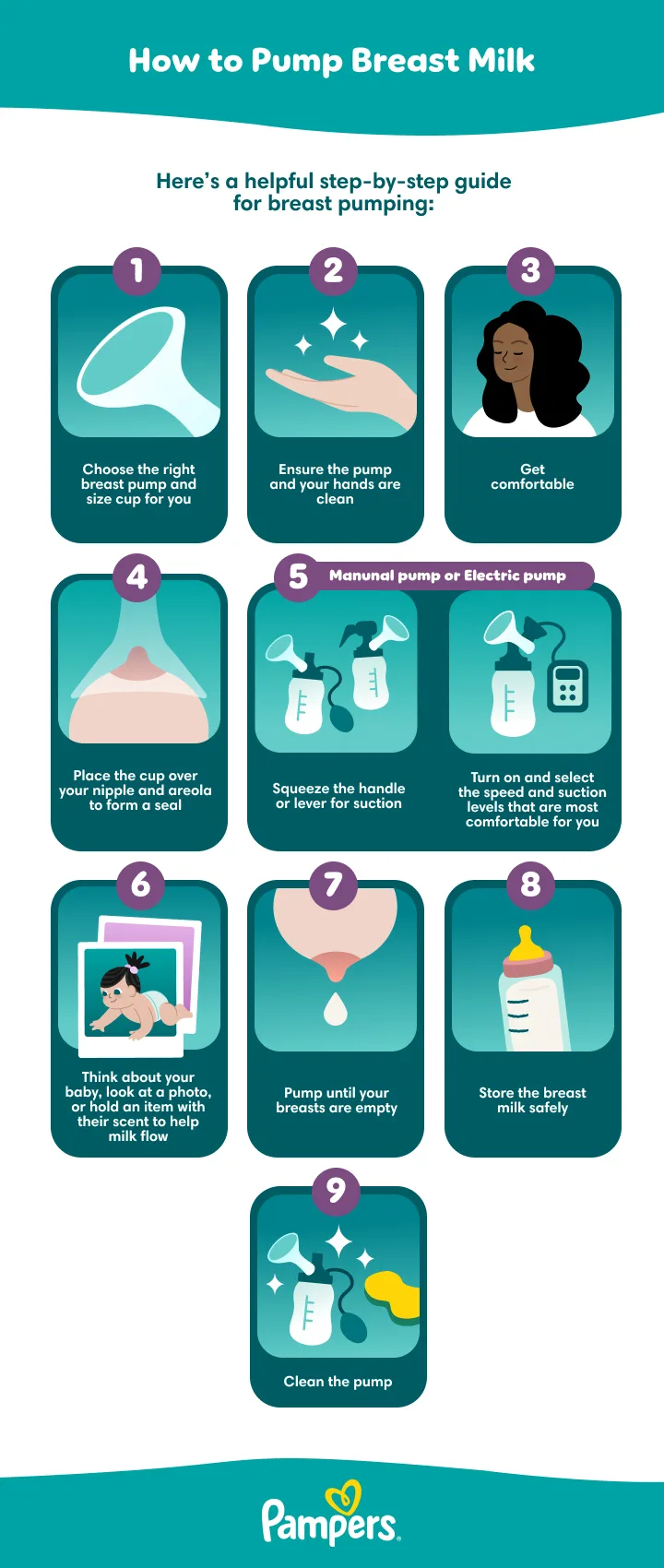
Select a pump that fits your needs and lifestyle. Double electric pumps save time by expressing milk from both breasts simultaneously. Manual pumps offer portability and quiet use but may take longer. Check for adjustable suction levels to avoid discomfort. A pump with soft, comfortable flanges reduces skin irritation.
Maintaining Hygiene
Clean all pump parts that touch milk after every use. Use warm, soapy water and rinse thoroughly. Sterilize parts daily to avoid bacteria growth. Wash hands before handling the pump or milk containers. Store pump parts in a clean, dry place to keep them safe between uses.
Storing Milk Safely
Use clean containers designed for breast milk storage. Label each container with the date and time of pumping. Store milk in small amounts to avoid waste. Refrigerate milk immediately if used within 4 days. Freeze milk if it will not be used soon. Thaw frozen milk in the fridge or warm water, never in the microwave.
Credit: milky-mama.com
Alternatives To Frequent Pumping
Frequent pumping every two hours can be exhausting and sometimes unnecessary. There are several effective alternatives that can help you maintain your milk supply while giving you a bit of breathing room. These options focus on comfort, efficiency, and bonding, making your feeding routine more manageable and enjoyable.
Direct Breastfeeding
Feeding your baby directly from the breast is often the simplest way to avoid constant pumping. It helps regulate your milk supply naturally because your baby controls the flow and frequency. Plus, the skin-to-skin contact can boost your baby’s comfort and encourage better feeding sessions.
Have you noticed how your baby’s feeding patterns change throughout the day? Direct breastfeeding allows you to respond to these natural rhythms without the pressure of sticking to a strict pumping schedule.
Cluster Feeding
Cluster feeding means feeding your baby several times in a short period, usually during late afternoon or evening. This approach can help increase your milk supply without needing to pump every two hours. It also provides your baby with extra comfort and calories when they need it most.
Try watching for your baby’s hunger cues and offer the breast frequently during those times instead of pumping. This can reduce your pumping sessions while keeping your baby satisfied and well-fed.
Using Hands For Expression
Hand expression is a gentle, effective way to collect milk without a pump. It can be done anywhere, anytime, and helps relieve fullness without overdoing it. Many moms find that hand expression feels more natural and less tiring than using a pump constantly.
Learning this technique might take a little practice, but it gives you more control over milk flow and can be especially useful if you don’t have access to a pump. Have you tried hand expression yet? It could be the flexible solution you need to ease your routine.
Frequently Asked Questions
Is Pumping Every 2 Hours Necessary For Milk Supply?
Pumping every 2 hours can help boost milk supply, especially in the early weeks. However, it depends on individual needs and comfort. Some mothers may find longer intervals effective, while others need more frequent sessions to maintain supply.
Can Pumping Every 2 Hours Cause Breast Soreness?
Yes, frequent pumping every 2 hours can cause breast soreness or nipple irritation. It’s important to ensure a proper pump fit and take breaks when needed. Using soothing creams and adjusting suction can also help prevent discomfort.
How Long Should Each Pumping Session Last?
Each pumping session typically lasts about 15 to 20 minutes. This duration allows for effective milk expression without causing excessive breast stimulation or soreness. Adjust the timing based on your comfort and milk output.
Will Pumping Every 2 Hours Affect Sleep Patterns?
Pumping every 2 hours may disrupt sleep, especially during nighttime. Balancing pumping frequency with rest is important for maternal health. Some mothers choose to pump less at night to improve sleep quality.
Conclusion
Pumping every two hours can work well for some mothers. It helps keep milk supply steady and meets baby’s needs. But it might feel tiring or too frequent for others. Listen to your body and adjust as needed. Rest and comfort matter a lot in this process.
Remember, feeding routines can change over time. Find a balance that fits your life and your baby’s health. Trust yourself—you know what’s best for your family.

Colin Radner is an automotive enthusiast with a deep passion for cars and welding. With over five years of hands-on experience in welding, Colin brings a unique perspective to the automotive world. His expertise in welding, combined with his love for all things car-related, allows him to write insightful and informative blog posts that resonate with automotive lovers and DIY mechanics alike. When he’s not writing, you can find him working on car repairs, restoring vintage models, or exploring the latest trends in the automotive industry. Colin’s dedication to the craft and his ability to break down complex topics makes him a trusted voice in the automotive blogosphere.