How Does a Diaphragm Pump Work: Unveiling Powerful Mechanics
Have you ever wondered how a diaphragm pump moves liquids without any leaks or spills? If you’re looking to understand this clever device, you’re in the right place.
Knowing how a diaphragm pump works can help you choose the right equipment for your needs or simply satisfy your curiosity about this powerful tool. You’ll discover the simple steps behind its operation and why it’s trusted in so many industries.
Keep reading to unlock the secrets of the diaphragm pump and see how it can make your work easier and more efficient.
Basic Components
Understanding the basic components of a diaphragm pump helps explain how it works. These parts work together to move fluids efficiently and safely. Each component plays a crucial role in the pump’s operation and affects its performance.
Diaphragm Material
The diaphragm is the flexible barrier inside the pump. It moves back and forth to create pressure changes. Common materials include rubber, Teflon, and silicone. Each material suits different fluids and temperatures. Choosing the right diaphragm material prevents leaks and damage.
Valve Types
Valves control the flow of fluid in the pump. They open and close to allow fluid in or out of the chamber. The main valve types are ball valves, flap valves, and spring valves. Each type offers different flow rates and pressure handling. Proper valve selection ensures smooth operation and prevents backflow.
Pump Chamber
The pump chamber holds the fluid during pumping. It connects the diaphragm and valves. Its size and shape affect the pump’s volume and efficiency. Chambers are made from materials like metal or plastic. A well-designed chamber reduces fluid loss and improves performance.
Credit: www.versamatic.com
Working Principle
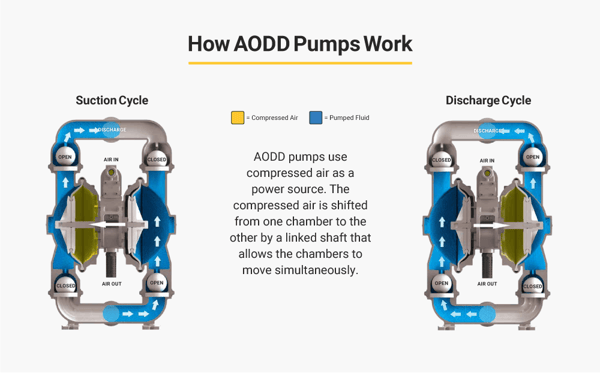
A diaphragm pump moves fluid by flexing a flexible membrane back and forth. This action creates suction to draw liquid in and pressure to push it out. Valves control the flow, ensuring smooth and steady movement.
Understanding how a diaphragm pump works can open up a world of insight into its efficiency and reliability. The working principle of a diaphragm pump is straightforward yet ingenious, focusing on creating a variable chamber volume to move fluids. This is achieved through the movement of a flexible diaphragm, which draws fluid into the pump and then pushes it out, ensuring a smooth and controlled flow.Diaphragm Movement
The core of a diaphragm pump’s operation is the movement of the diaphragm itself. Imagine a flexible membrane that separates the pump’s wet side from its dry side. When the diaphragm moves away from the chamber, it creates a vacuum, and when it moves towards the chamber, it compresses the fluid. This simple back-and-forth motion is what drives the entire pumping process.Fluid Intake
During the diaphragm’s retraction, the vacuum created allows fluid to be drawn into the pump chamber through an inlet valve. This process ensures that the chamber is filled with fluid, ready for the next phase of the cycle. The efficiency of fluid intake is critical, and any blockage in the inlet can significantly affect pump performance. Have you ever wondered how a simple movement can control such a vital function? It’s fascinating to see this happen seamlessly in a well-maintained pump.Fluid Discharge
As the diaphragm moves back towards the chamber, it compresses the fluid, forcing it out through an outlet valve. This action not only completes the pumping cycle but also ensures a consistent and reliable flow of fluid. The design of the outlet valve is crucial, as it prevents backflow, ensuring the pump operates efficiently. Next time you use a diaphragm pump, think about how this simple yet effective mechanism keeps everything flowing smoothly. Understanding these basic principles can give you a deeper appreciation for the everyday tools and technologies that often go unnoticed. What other everyday mechanisms might hold such hidden complexities?Types Of Diaphragm Pumps
Diaphragm pumps come in various types, each designed for specific tasks. Their working principle stays similar, but the power source and mechanism differ. Understanding these types helps in choosing the right pump for your needs.
Air-operated Pumps
Air-operated diaphragm pumps use compressed air to move the diaphragm. This air pushes the diaphragm back and forth, creating suction and discharge. These pumps are simple, reliable, and work well with many fluids. They handle abrasive and corrosive liquids without damage. No electricity is needed, making them safe for hazardous areas.
Mechanical Diaphragm Pumps
Mechanical diaphragm pumps use a crank or cam to move the diaphragm. This motion forces the liquid in and out of the pump chamber. They are durable and can generate high pressure. These pumps are often used in industrial settings. They require less maintenance compared to air-operated types.
Electric Diaphragm Pumps
Electric diaphragm pumps use an electric motor to drive the diaphragm. The motor moves the diaphragm in a controlled, smooth way. These pumps offer precise flow control and steady pressure. They work well for applications needing consistent performance. Electric pumps can be compact and energy-efficient.

Credit: www.cpesystems.com
Applications
Diaphragm pumps serve many industries due to their simple design and reliable operation. These pumps handle fluids safely and efficiently. Their versatility makes them ideal for various tasks that need precise fluid control.
Industrial Uses
Factories use diaphragm pumps for moving liquids with solids or chemicals. They handle abrasive and viscous fluids well. These pumps operate in food processing, water treatment, and manufacturing plants. Their ability to run dry without damage is a big advantage.
Medical Devices
Diaphragm pumps appear in many medical tools. They provide precise dosing and fluid transfer for treatments. These pumps control fluids in dialysis machines and blood analyzers. Their gentle pumping avoids damaging sensitive fluids or cells.
Chemical Transfer
These pumps move corrosive and hazardous chemicals safely. They resist chemical attack thanks to their materials. Diaphragm pumps transfer acids, solvents, and other liquids in labs and industries. Their leak-free design helps protect workers and the environment.
Advantages And Limitations
Understanding the advantages and limitations of diaphragm pumps helps in choosing the right pump for your needs. These pumps have unique features that make them suitable for various tasks. Knowing their strengths and weaknesses ensures better performance and longer service life.
Efficiency And Durability
Diaphragm pumps provide reliable efficiency by delivering a steady flow of fluids. Their design reduces leakage, improving overall performance. The flexible diaphragm resists wear and tear, making these pumps durable. They work well in harsh environments without losing effectiveness.
Handling Viscous Fluids
These pumps excel at moving thick and sticky liquids. They can handle fluids with high viscosity without clogging. The diaphragm’s movement creates strong suction, which helps in transferring heavy fluids smoothly. This makes them ideal for industries like food and chemicals.
Maintenance Challenges
Diaphragm pumps require regular checks to maintain proper function. The diaphragm may wear out and need replacement over time. Components like valves and seals also demand attention to avoid leaks. Maintenance can be more frequent compared to some other pump types, adding to operational costs.
.png?width=575&name=AODD_Pump_Components_Graphic-2%20(1).png)
Credit: www.versamatic.com
Troubleshooting Common Issues
Dealing with issues in a diaphragm pump can be frustrating, especially if you rely on it daily. Identifying the root cause quickly helps avoid downtime and costly repairs. Let’s look at some common problems you might face and how to troubleshoot them effectively.
Leakage Problems
Leaks usually happen due to damaged diaphragms or worn-out seals. Check the diaphragm carefully for any cracks or holes that could let fluid escape. Sometimes, the problem lies in the pump housing or fittings, so inspect those areas too.
Replacing a faulty diaphragm or seal often stops leakage immediately. Make sure you use parts recommended by the manufacturer to maintain pump integrity. Have you noticed leaks after heavy use or exposure to harsh chemicals? That’s a good sign to inspect those components closely.
Reduced Flow Rate
When your pump’s flow rate drops, the cause might be clogged valves or blocked suction lines. Debris and sediment can build up and restrict fluid movement. Cleaning or replacing clogged filters can restore normal flow quickly.
Another factor could be worn diaphragms that don’t flex properly, reducing pumping efficiency. If cleaning doesn’t help, consider checking the diaphragm’s condition. Have you checked if the inlet and outlet valves open and close correctly? Faulty valves can also slow down your pump.
Noisy Operation
Unusual noises can indicate air trapped inside the pump or loose components. Air pockets reduce pump efficiency and cause vibrations, making a loud racket. Bleeding air from the system and tightening bolts can often solve the noise problem.
Bearings or other moving parts might wear out over time, causing grinding or rattling sounds. Regular maintenance helps catch these issues early. Are you hearing noises that weren’t there before? It’s a clear sign to inspect moving parts and lubrication levels.
Frequently Asked Questions
What Is The Main Function Of A Diaphragm Pump?
A diaphragm pump moves liquids by flexing a diaphragm inside a chamber. This action creates suction and pressure, allowing fluid transfer without contamination. It’s ideal for handling corrosive or viscous fluids safely and efficiently.
How Does The Diaphragm Create Suction And Pressure?
The diaphragm moves back and forth, changing chamber volume. When it pulls back, it creates suction to draw fluid in. When it pushes forward, it pressurizes the chamber, forcing fluid out through the discharge valve.
What Fluids Can Diaphragm Pumps Handle?
Diaphragm pumps handle a wide range of fluids, including corrosive chemicals, slurries, viscous liquids, and even abrasive materials. Their design prevents leaks and contamination, making them suitable for many industrial and chemical applications.
Why Are Diaphragm Pumps Preferred For Hazardous Fluids?
They have a sealed, leak-free design that prevents fluid exposure. This makes them safe for hazardous, toxic, or corrosive liquids. They also operate without seals or packing, reducing maintenance and environmental risks.
Conclusion
A diaphragm pump moves fluid by pushing a flexible membrane. It works in simple steps, making it reliable and easy to use. Many industries trust this pump for its safety and efficiency. Understanding its function helps you choose the right pump for your needs.
This pump handles different liquids without damage. It also prevents leaks and spills. Knowing how it works saves time and money. A diaphragm pump is a smart choice for many tasks. Simple, strong, and safe—this pump gets the job done.

Colin Radner is an automotive enthusiast with a deep passion for cars and welding. With over five years of hands-on experience in welding, Colin brings a unique perspective to the automotive world. His expertise in welding, combined with his love for all things car-related, allows him to write insightful and informative blog posts that resonate with automotive lovers and DIY mechanics alike. When he’s not writing, you can find him working on car repairs, restoring vintage models, or exploring the latest trends in the automotive industry. Colin’s dedication to the craft and his ability to break down complex topics makes him a trusted voice in the automotive blogosphere.