Does a Pool Pump Need to Be Grounded: Essential Safety Tips
Are you wondering if your pool pump really needs to be grounded? It’s a question many pool owners overlook, but grounding your pump is more important than you might think.
Without proper grounding, you could be risking serious electrical hazards that put you and your family in danger. You’ll discover why grounding matters, how it protects your pool equipment, and what you need to do to keep everything safe and running smoothly.
Keep reading to find out exactly what you should know to protect your pool and your home.
Credit: www.vevor.ca
Why Grounding Matters
Grounding a pool pump is more than a technical detail. It is vital for safety and function. Proper grounding protects you and your home from electrical hazards. It ensures the pump operates smoothly without causing harm or damage.
Electrical Safety Risks
Electricity can be dangerous around water. A pool pump uses electricity to run. Without grounding, faulty wiring or a damaged pump can create shock hazards. Grounding helps direct stray electricity safely into the earth. This reduces the risk of electrocution for swimmers and anyone nearby.
Preventing Shocks And Fires
Electrical faults can cause sparks or fires. A grounded pool pump lowers this risk. Grounding prevents electrical build-up that can ignite flammable materials. It also helps circuit breakers detect problems faster and shut off power. This quick action protects your home and family from fire dangers.
Credit: www.streampumps.com
How Pool Pumps Are Wired
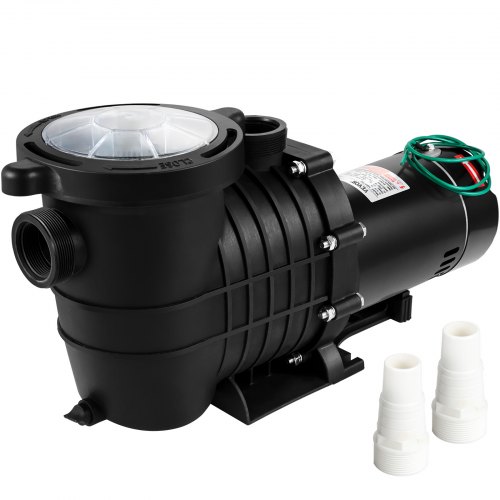
Understanding how pool pumps are wired is crucial for safety. Pool pumps involve electrical components that need careful handling. Proper wiring ensures the pump runs efficiently and safely. Let’s explore the wiring basics.
Basic Electrical Components
Pool pumps have several key components. The motor is the heart of the pump. It drives the water flow. Power supply wires connect to the motor. These wires carry electricity to the pump. A circuit breaker is also essential. It protects against electrical overloads. Switches control the pump operation. They let you turn the pump on or off.
Grounding Connections
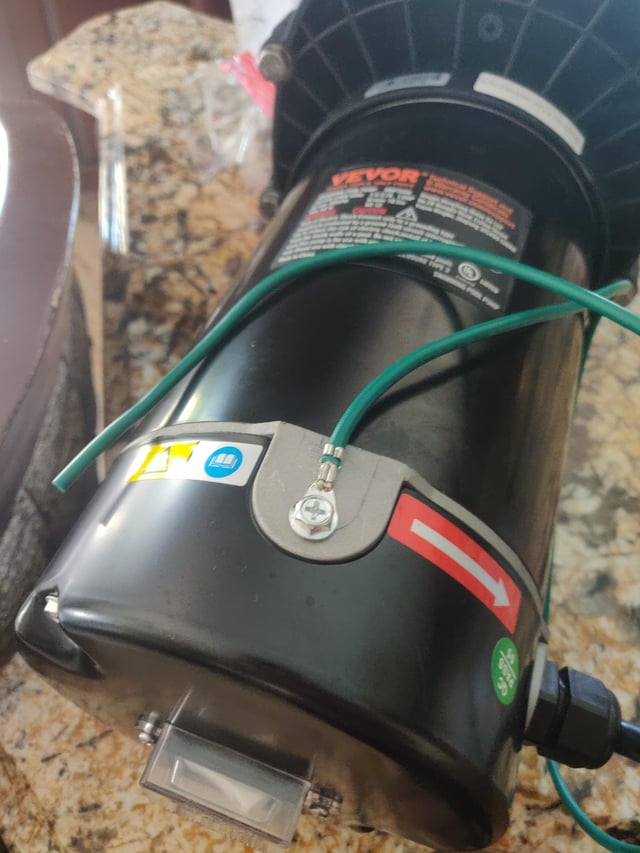
Grounding connections are vital for pool pump safety. They prevent electrical shocks. A ground wire is crucial here. It connects the pump to the earth. This wire directs excess electricity away. Proper grounding reduces risks of electrical faults. Grounding also helps in safeguarding users. It ensures the pump operates safely around water. Always ensure the grounding wire is secure.
Grounding Requirements For Pool Pumps
Grounding pool pumps is crucial for safety and electrical performance. Proper grounding prevents electrical shock and protects equipment. It also helps avoid damage caused by electrical faults or lightning strikes. Understanding the grounding requirements ensures your pool pump runs safely and efficiently.
National Electrical Code Guidelines
The National Electrical Code (NEC) sets clear rules for grounding pool pumps. It requires all pool pumps to be grounded to reduce shock risk. The NEC mandates grounding conductors connect to the pump motor frame. This connection must be secure and use proper grounding clamps or terminals.
The NEC also specifies the size of grounding wires. This size depends on the pump’s electrical load and circuit breaker rating. Following these guidelines ensures the grounding system can handle electrical faults safely. The NEC emphasizes bonding all metal parts around the pool area. This bonding includes pumps, metal piping, and pool structures.
Local Regulations And Codes
Local building codes may have additional rules beyond the NEC. These rules vary by city, county, or state. Some areas require inspections to verify proper grounding. Permits might be needed before installing or replacing a pool pump.
Contact local authorities or a licensed electrician for detailed requirements. Ignoring local codes can lead to fines or unsafe installations. Local codes often focus on specific environmental factors or safety concerns. They help ensure pool pumps and electrical systems meet community standards.
Steps To Properly Ground A Pool Pump
Properly grounding a pool pump is vital for safety and performance. It prevents electrical shocks and reduces the risk of damage. Follow clear steps to ensure a solid ground connection. Use the right tools and materials. Carefully complete the installation process. Finally, test the ground to confirm it works well.
Tools And Materials Needed
- Grounding wire (copper, appropriate gauge)
- Grounding clamp or lug
- Wire stripper
- Screwdriver
- Multimeter or continuity tester
- Electrical tape
- Safety gloves
- Voltage detector (optional for extra safety)
Installation Process
Switch off the power supply to the pool pump. Locate the grounding screw or terminal on the pump motor. Strip about half an inch of insulation from the grounding wire. Attach the wire firmly to the pump’s grounding terminal using the grounding clamp. Connect the other end of the wire to the ground bar in the electrical panel. Ensure all connections are tight and secure. Wrap connections with electrical tape to prevent moisture damage. Keep wires away from moving parts and sharp edges.
Testing The Ground Connection
Turn the power back on. Set your multimeter to measure continuity or resistance. Place one probe on the pump’s grounding terminal. Place the other probe on the main ground bar or a known ground. A low resistance reading means good grounding. No continuity or high resistance means a poor connection. Recheck and tighten all connections if needed. A properly grounded pump enhances safety and avoids electrical hazards.
Common Grounding Mistakes To Avoid
Grounding your pool pump correctly is crucial for safety and performance. Yet, many homeowners and even some professionals make avoidable mistakes that can lead to electrical hazards or pump damage. Understanding these common errors will help you protect your equipment and your family.
Improper Wire Sizing
Using the wrong wire size for grounding is a frequent mistake. If the wire is too thin, it may not handle fault currents properly, increasing the risk of electrical shock or fire. Always check the electrical codes and the pump’s specifications to choose the right wire gauge.
Think about how a garden hose works—too narrow, and water flow gets restricted. The same goes for electricity; undersized wires can’t carry enough current safely.
Loose Connections
Loose grounding connections are a silent danger. Over time, vibrations from the pump or weather conditions can cause terminals to loosen. This breaks the grounding path, making your pump unsafe.
It’s a good habit to regularly inspect and tighten all grounding screws and clamps. A tight connection ensures continuous protection and peace of mind.
Ignoring Manufacturer Instructions
Skipping the grounding guidelines provided by the pump’s manufacturer can lead to serious trouble. Each model may have unique requirements based on its design. Not following these instructions could void warranties or cause electrical failures.
Have you ever tried assembling furniture without reading the manual? Electrical grounding is no different—you want to follow the exact steps to avoid costly mistakes.

Credit: www.reddit.com
Additional Safety Tips For Pool Pump Operation
Keeping your pool pump safe is about more than just grounding. There are several additional steps you can take to protect yourself and your equipment during operation. These safety tips help prevent accidents and extend the life of your pool pump.
Routine Maintenance
Regularly cleaning and servicing your pool pump keeps it running smoothly and safely. Check for debris buildup, worn-out parts, or leaks that could cause electrical hazards. A clean pump not only works better but also reduces the risk of unexpected failures that might lead to dangerous situations.
Have you noticed strange noises or reduced water flow? These signs often mean maintenance is overdue. Addressing these early can prevent bigger safety issues down the line.
Using Ground Fault Circuit Interrupters (gfcis)
Installing a GFCI is one of the smartest safety moves you can make. These devices automatically cut off power if they detect electrical faults, protecting you from shocks. They are especially crucial in wet environments like pools where the risk of electric shock increases.
Even if your pool pump is properly grounded, a GFCI adds an essential layer of protection. Do you know if your pool area’s outlets have GFCI protection? If not, it’s worth checking immediately.
Regular Inspections
Don’t wait for a problem to show up before inspecting your pool pump. Frequent visual checks can catch frayed wires, loose connections, or corrosion early. These issues can escalate quickly and become serious safety hazards.
Make it a habit to inspect your pump and its electrical components every few weeks. You might find small fixes that save you from costly repairs and dangerous accidents.
When To Call A Professional
Knowing when to call a professional for grounding your pool pump can save you from costly mistakes and potential hazards. While some minor electrical tasks might seem manageable, grounding involves safety risks that require expert knowledge. Understanding the signs that indicate you need professional help is crucial for protecting your home and your family.
Complex Wiring Issues
If your pool pump wiring looks tangled or if you notice inconsistent electrical connections, it’s a strong signal to get professional help. Complex wiring setups with multiple circuits or outdated systems increase the chance of improper grounding. Attempting to fix these without experience can lead to electric shocks or damage to the pump.
Have you ever encountered wires that don’t match the color codes or unclear wiring diagrams? Professionals have the training to navigate these tricky situations. They can quickly identify the correct grounding points and ensure everything is properly connected.
Ensuring Compliance And Safety
Electric codes and safety standards for pool equipment vary by location and often change over time. A professional electrician stays updated with these regulations to make sure your pool pump’s grounding meets local requirements. This protects you from legal trouble and avoids failed inspections.
Think about the last time you saw a pool inspection report with electrical issues listed. These often stem from improper grounding. Hiring an expert guarantees your setup won’t just work but will be safe for everyone using the pool.
Frequently Asked Questions
Does A Pool Pump Really Need Grounding?
Yes, grounding a pool pump is essential for safety. It prevents electrical shocks by directing stray currents safely into the ground. Proper grounding also protects the pump’s motor and other components from electrical damage.
How Does Grounding Improve Pool Pump Safety?
Grounding creates a safe path for electrical faults. It reduces the risk of electric shock and fire hazards. This safety measure ensures the pump operates reliably and protects swimmers from electrical accidents.
What Happens If A Pool Pump Isn’t Grounded?
If not grounded, electrical faults can cause shocks or fires. The pump motor may also suffer damage. Ungrounded pumps pose significant safety risks to users and property.
Can I Ground A Pool Pump Myself?
Yes, but only if you have electrical experience. It requires following local electrical codes and using proper grounding materials. For safety, hiring a licensed electrician is recommended.
Conclusion
A pool pump must be grounded for safety reasons. Grounding helps prevent electric shocks. It protects both people and equipment around the pool. Always check local electrical codes before installation. Use a qualified electrician to do the job right. Proper grounding keeps your pool pump running safely and smoothly.
Don’t skip this important step in pool maintenance. Safety should always come first when handling electricity near water. Keep your pool area safe and worry-free.

Colin Radner is an automotive enthusiast with a deep passion for cars and welding. With over five years of hands-on experience in welding, Colin brings a unique perspective to the automotive world. His expertise in welding, combined with his love for all things car-related, allows him to write insightful and informative blog posts that resonate with automotive lovers and DIY mechanics alike. When he’s not writing, you can find him working on car repairs, restoring vintage models, or exploring the latest trends in the automotive industry. Colin’s dedication to the craft and his ability to break down complex topics makes him a trusted voice in the automotive blogosphere.