How Does a Heat Pump Work: Unveiling Efficient Home Heating Secrets
Have you ever wondered how a heat pump keeps your home warm in winter and cool in summer without using much energy? Understanding how a heat pump works can help you save money on bills and make smarter choices for your comfort.
You’ll discover the simple science behind heat pumps and why they might be the perfect solution for your home. Keep reading—you’re about to unlock the secrets to efficient heating and cooling that could change the way you think about your indoor climate.

Credit: 1clickheat.com
Heat Pump Basics
Understanding the basics of a heat pump can change how you think about home heating and cooling. A heat pump moves heat instead of generating it, which makes it highly efficient. Whether it’s cold or hot outside, it adjusts to keep your indoor space comfortable.
Key Components
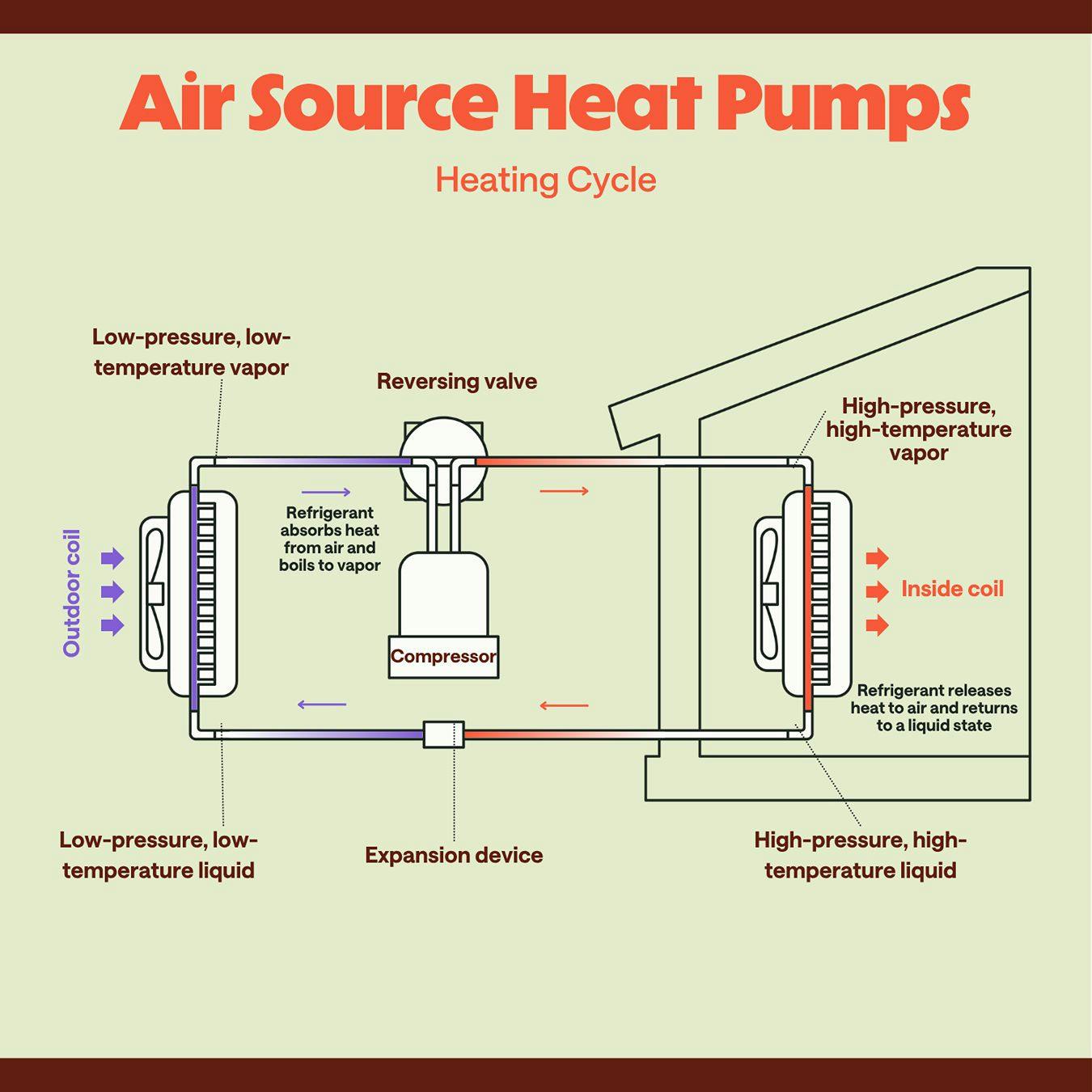
At the heart of every heat pump are a few important parts working together seamlessly. The evaporator coilabsorbs heat from the air or ground outside your home.
The compressorthen raises the temperature by compressing the refrigerant gas. Next, the condenser coilreleases the heat inside your house.
Finally, the expansion valvelowers the pressure of the refrigerant, making it ready to absorb heat again. These parts keep the heat pump cycling smoothly.
Types Of Heat Pumps
You might wonder which heat pump suits your needs best. There are mainly three types to consider, each with distinct advantages.
- Air-source heat pumpstake heat from the outside air. They are common and cost-effective for moderate climates.
- Ground-source (or geothermal) heat pumpspull heat from the earth. These are more efficient but usually require higher upfront installation costs.
- Water-source heat pumpsuse nearby water bodies like lakes or wells to exchange heat. They work well if you have access to such natural resources.
Have you thought about which type fits your home’s location and budget? The right choice can save you money and energy over time.
Credit: medium.com
Heat Transfer Process
Heat pumps are efficient devices that transfer heat between spaces. They don’t generate heat like traditional heaters. Instead, they move heat from one place to another. This process involves two main steps: absorbing heat from an external source and releasing it indoors. Understanding these steps helps in appreciating how heat pumps work efficiently.
Absorbing Heat From Air Or Ground
Heat pumps extract heat from the air or ground. Even in cold weather, the air or ground contains some heat. The heat pump’s outdoor unit absorbs this heat. A refrigerant, which is a special fluid inside the pump, captures the heat. This refrigerant then transforms into a gas as it absorbs heat. This process is crucial for the heat pump’s operation.
Releasing Heat Indoors
After absorbing heat, the refrigerant travels to the indoor unit. Here, it releases the captured heat into your home. The refrigerant cools down and turns back into a liquid. Fans then distribute the warm air throughout your space. This cycle repeats, ensuring a consistent indoor temperature. Heat pumps work efficiently to keep homes comfortable year-round.
Efficiency Factors
Understanding the efficiency factors behind heat pumps can help you make smarter choices for your home. Efficiency isn’t just about the device itself but also about how it performs throughout the year and under different weather conditions. Let’s look at what really influences a heat pump’s ability to save you energy and money.
Seasonal Performance
Heat pumps don’t operate at the same efficiency all year round. Their performance changes as the seasons shift, especially between heating and cooling modes.
During milder weather, heat pumps work near their peak efficiency, transferring heat smoothly without using much electricity. But when temperatures drop significantly, the system has to work harder to extract heat from the cold air, which can reduce efficiency.
Have you noticed your energy bills spike in winter? This seasonal variation could be why. Some modern heat pumps come with features designed to maintain efficiency in colder months, like enhanced compressors or backup electric heaters.
Impact Of Climate
Your local climate plays a huge role in how well a heat pump performs. In warmer regions, heat pumps run efficiently most of the year, providing effective cooling and heating without much strain.
In colder climates, the heat pump’s workload increases, which may lower efficiency and increase energy use. You might want to consider models specifically designed for cold climates, as they can handle lower temperatures better.
Think about your area’s typical temperature range and humidity levels. This can help you choose a heat pump that fits your needs and maintains efficiency throughout the year.
Comparison With Traditional Heating
Heat pumps differ from traditional heating systems in how they use energy and affect your bills. Understanding these differences helps in choosing the right heating method for your home. Heat pumps transfer heat instead of creating it, which changes their energy needs and costs.
Energy Consumption
Traditional heaters burn fuel or use electric resistance to produce heat. This process often uses more energy. Heat pumps move heat from outside to inside, using less electricity. They can provide two to three times more heat energy than the electrical energy they consume. This makes heat pumps more energy-efficient, especially in moderate climates.
Cost Savings
Heat pumps generally cost more upfront than traditional heaters. Installation can be more complex and expensive. Yet, their efficient energy use lowers monthly heating bills. Over time, these savings can cover the higher initial cost. Traditional systems may have lower installation costs but higher fuel or electricity bills. Heat pumps also reduce the need for separate cooling systems, saving more money.
Installation Considerations
Installing a heat pump is more than just picking a unit and plugging it in. The right installation can impact how efficiently your heat pump runs and how long it lasts. Paying attention to key factors during installation helps you avoid costly mistakes and ensures your home stays comfortable year-round.
Sizing And Placement
Choosing the correct size of your heat pump is crucial. A unit too small will struggle to heat or cool your space, while an oversized one will waste energy and money.
Think about the size of your home and the climate you live in. Your installer should perform a load calculation to determine the right capacity for your heat pump. Have you ever felt your home wasn’t warming evenly? That’s often a sign of improper sizing.
Placement matters just as much. Outdoor units should be installed where air can flow freely, away from obstructions like walls or bushes. Putting the unit near a noisy area might disrupt your peace, so consider your daily living habits when choosing the spot.
Maintenance Needs
Regular maintenance keeps your heat pump running smoothly. You should clean or replace filters every one to three months, depending on usage.
Check the outdoor unit for debris like leaves or snow, especially after storms or heavy winds. Ignoring this can reduce efficiency and cause damage.
Scheduling professional maintenance annually can catch issues early. Have you noticed your energy bills creeping up? It might be time for a tune-up to prevent bigger problems.
Credit: palmetto.com
Innovations In Heat Pump Technology
Heat pump technology has evolved significantly, making systems more efficient and user-friendly than ever. These innovations not only improve performance but also help reduce energy bills and environmental impact. Understanding the latest advances can help you choose a heat pump that fits your needs and lifestyle.
Smart Controls
Smart controls allow you to manage your heat pump remotely using your smartphone or other devices. This means you can adjust the temperature before you get home, saving energy without sacrificing comfort. Many systems learn your routine and optimize settings automatically, so you don’t have to think about it.
Imagine arriving at your house to find it perfectly warm or cool, without wasting energy all day. Smart controls also provide detailed energy usage reports, helping you spot ways to cut costs further. Would you like to have that level of control and insight over your home’s heating?
Eco-friendly Refrigerants
Traditional refrigerants in heat pumps can harm the environment by contributing to global warming. Newer models use eco-friendly refrigerants with much lower global warming potential (GWP). These alternatives maintain high efficiency while reducing the system’s carbon footprint.
Choosing a heat pump with green refrigerants means you’re supporting cleaner air and a healthier planet. Plus, governments and utility companies often offer incentives for upgrading to these environmentally safer options. Could switching to a heat pump with eco-friendly refrigerants be your next smart home upgrade?
Frequently Asked Questions
How Does A Heat Pump Transfer Heat?
A heat pump moves heat using refrigerant cycles. It absorbs heat from outside air or ground. Then it compresses and transfers heat indoors efficiently.
Can Heat Pumps Provide Both Heating And Cooling?
Yes, heat pumps work for heating in winter and cooling in summer. They reverse refrigerant flow to switch between functions.
Are Heat Pumps Energy Efficient For Home Heating?
Heat pumps use less electricity than traditional heaters. They transfer heat instead of generating it. This makes them energy-efficient and cost-effective.
What Types Of Heat Pumps Are Available?
Common types include air-source, ground-source, and water-source heat pumps. Each suits different climates and installation needs.
Conclusion
A heat pump moves heat from one place to another. It cools or warms your home efficiently. This system uses less energy than traditional heaters. It works well in many climates, saving money on bills. Understanding how it works helps you choose the right system.
Heat pumps offer a smart way to stay comfortable year-round. Consider this option for your next heating or cooling upgrade. Simple, efficient, and effective—heat pumps make sense.

Colin Radner is an automotive enthusiast with a deep passion for cars and welding. With over five years of hands-on experience in welding, Colin brings a unique perspective to the automotive world. His expertise in welding, combined with his love for all things car-related, allows him to write insightful and informative blog posts that resonate with automotive lovers and DIY mechanics alike. When he’s not writing, you can find him working on car repairs, restoring vintage models, or exploring the latest trends in the automotive industry. Colin’s dedication to the craft and his ability to break down complex topics makes him a trusted voice in the automotive blogosphere.