Are Ruthenium Spark Plugs Better Than Iridium: Ultimate Comparison
Are you wondering if Ruthenium spark plugs are really better than Iridium ones? Choosing the right spark plug can make a big difference in your engine’s performance and fuel efficiency.
But with so many options out there, it’s easy to feel confused. You’ll discover the key differences between Ruthenium and Iridium spark plugs. By the end, you’ll know which one suits your vehicle and driving style best. Keep reading to make an informed choice that keeps your engine running smoothly and saves you money.
Credit: www.odyclub.com
Ruthenium Vs Iridium Basics
Ruthenium and iridium spark plugs both offer strong performance for engines. They share some qualities but also have key differences. Understanding these basics helps in choosing the right spark plug for your vehicle. Each metal impacts spark plug life, efficiency, and cost in unique ways.
Material Properties
Ruthenium is a rare metal with a high melting point around 2,334°C. It is harder and more wear-resistant than iridium. This makes ruthenium plugs last longer under tough conditions.
Iridium melts at 2,447°C, slightly higher than ruthenium. It has excellent corrosion resistance and good electrical conductivity. Iridium spark plugs provide stable spark performance with less electrode wear.
Both metals resist high temperatures and corrosion better than traditional metals. These features improve ignition efficiency and extend spark plug life.
Manufacturing Differences
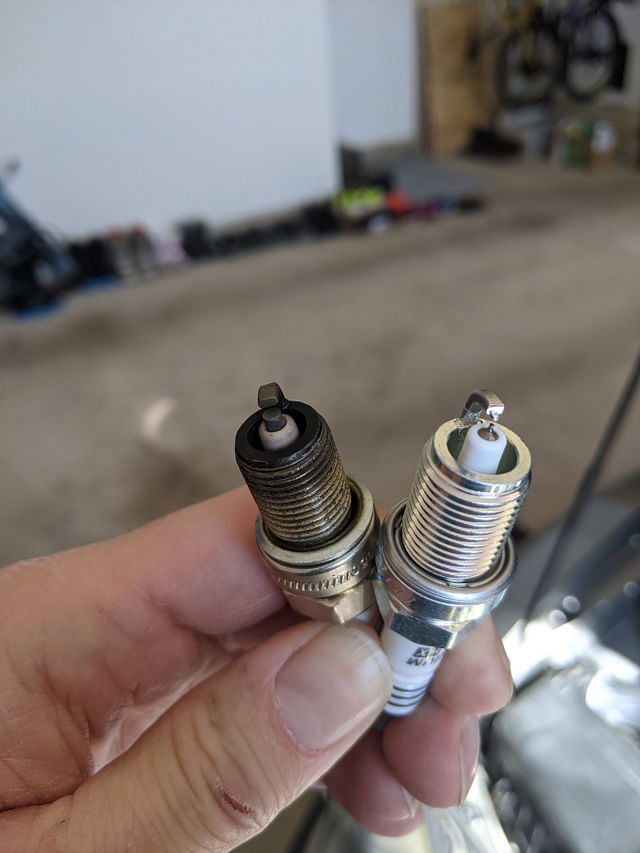
Ruthenium spark plugs use a thinner wire electrode than iridium plugs. This allows for a sharper, more precise spark. The fine electrode helps improve fuel combustion and engine power.
Iridium spark plugs often feature a solid or tipped electrode design. Their manufacturing process focuses on durability and consistent spark delivery. The electrode size is slightly larger than ruthenium plugs.
Ruthenium plugs require advanced technology to bond the metal to the electrode. This makes them more complex and costly to produce. Iridium plugs have a simpler production process but still need careful handling.
Credit: www.91wheels.com
Performance Factors
Performance factors determine how spark plugs enhance engine efficiency. Ruthenium and iridium spark plugs both offer unique advantages. Let’s explore these key aspects.
Ignition Efficiency
Ignition efficiency is crucial for optimal engine performance. Ruthenium spark plugs provide excellent conductivity. This ensures a reliable spark. Iridium plugs are known for their consistent spark, too. Both materials offer quick ignition, reducing fuel consumption. Quick ignition leads to smoother engine operation. Drivers notice improved acceleration with both types.
Durability And Lifespan
Durability ensures long-term value from spark plugs. Ruthenium plugs boast a robust structure. They resist wear and tear effectively. Iridium plugs offer a longer lifespan due to their hard material. They withstand extreme conditions without degrading. Both types need fewer replacements, saving money over time. Drivers enjoy reduced maintenance worries.
Heat Resistance
Heat resistance is vital for engine stability. Ruthenium spark plugs handle high temperatures well. They perform reliably under heavy load conditions. Iridium plugs excel in heat resistance, too. They maintain their integrity at elevated temperatures. This ensures consistent performance in all driving scenarios. Both plug types support high-performance engines effectively.
Cost And Availability
Cost and availability play a major role in choosing between ruthenium and iridium spark plugs. Both types offer strong performance but differ in price and market presence. Understanding these factors helps decide which spark plug suits your needs and budget.
Price Comparison
Ruthenium spark plugs usually cost slightly more than iridium ones. The price difference comes from the rarity and manufacturing process of ruthenium. Iridium plugs offer a balance of cost and durability, making them popular among many drivers.
Here is a simple price comparison:
| Spark Plug Type | Average Price (per plug) |
|---|---|
| Ruthenium | $10 – $15 |
| Iridium | $8 – $12 |
Market Availability
Iridium spark plugs are widely available in most auto shops and online stores. They have been popular for years, so many manufacturers produce them. Ruthenium plugs are newer and less common. Finding them may require checking specialty stores or specific brands.
- Iridium plugs: Easy to find, many brands and models.
- Ruthenium plugs: Limited brands, fewer options.
Choosing between the two often depends on how easily you can buy them locally or online.
Credit: www.clubfrontier.org
Impact On Engine Health
Understanding how spark plugs affect your engine’s health can save you time and money. Choosing between ruthenium and iridium spark plugs isn’t just about performance; it directly impacts your engine’s efficiency, emissions, and how often you need to maintain your vehicle. Let’s break down these factors so you can make a smarter choice for your engine.
Fuel Efficiency
Ruthenium spark plugs often provide better fuel efficiency than iridium ones. This is because ruthenium has a higher melting point and stronger electrical conductivity, allowing for a more stable and consistent spark.
With a more reliable spark, your engine burns fuel more completely. This means you get more miles per gallon and less wasted fuel. Have you noticed your car’s fuel economy dropping after a spark plug change? The type of plug could be the reason.
Emission Levels
Lower emissions mean a cleaner environment and a healthier engine. Ruthenium plugs help reduce harmful emissions by promoting more efficient combustion.
Iridium plugs also perform well, but ruthenium’s durability keeps the spark consistent over time, which helps maintain low emission levels longer. If you want to pass emissions tests without frequent tune-ups, ruthenium could be the smarter choice.
Maintenance Frequency
How often you need to replace your spark plugs affects your vehicle’s overall maintenance cost. Ruthenium plugs generally last longer than iridium plugs because they resist wear and fouling better.
Fewer replacements mean less downtime and fewer chances for engine issues caused by old or failing plugs. Imagine the convenience of going years without worrying about spark plug replacement—ruthenium plugs can offer that peace of mind.
User Experiences
User experiences provide real-world insights into how ruthenium spark plugs compare to iridium. Drivers and mechanics share their observations on performance, durability, and value. These firsthand accounts help potential buyers understand what to expect beyond technical specs.
Driver Reviews
Many drivers note ruthenium plugs ignite fuel efficiently. They report smoother starts and steady engine idling. Fuel economy improvements are mentioned by some users after switching to ruthenium.
Some drivers find ruthenium plugs last longer than their previous iridium ones. A few mention less frequent replacements and fewer misfires. Quiet engine operation is another common comment.
- Improved throttle response
- Reduced engine knocking
- Longer lifespan on average
- Reliable performance in cold weather
Mechanic Insights
Mechanics observe that ruthenium spark plugs resist wear better than iridium. They note the fine electrode design helps spark consistency. This leads to efficient combustion and lower emissions.
Many mechanics recommend ruthenium for modern engines. They say these plugs handle high temperatures well. Maintenance intervals often extend, saving costs over time.
- Less electrode erosion
- Consistent spark even after long use
- Better compatibility with advanced ignition systems
- Reduced fouling in engines using ethanol blends
Choosing The Right Spark Plug
Choosing the right spark plug is key for your vehicle’s performance. It affects fuel efficiency, engine power, and smooth starts. Not all spark plugs suit every car or driving style. Understanding what fits best can save money and avoid engine troubles.
Vehicle Compatibility
Check your vehicle’s manual for recommended spark plugs. Some engines need specific types due to design and technology. Using the wrong plug may cause poor ignition or damage. Consider:
- Engine size and type
- Manufacturer’s brand suggestions
- Heat range and gap size
Ruthenium and iridium plugs differ in durability and spark strength. Ensure your engine can handle the spark plug’s material and design.
Driving Conditions
Your driving style influences spark plug choice. Short trips and stop-and-go traffic need plugs that resist fouling. Long highway drives require plugs that maintain stable performance under heat.
- City driving: choose plugs with strong anti-fouling properties
- Highway driving: select plugs with good heat tolerance
- Extreme climates: consider plugs with materials that handle temperature changes
Ruthenium plugs often last longer in tough conditions. Iridium plugs provide consistent spark in moderate use. Match the plug to your daily routes and weather.
Frequently Asked Questions
Are Ruthenium Spark Plugs More Durable Than Iridium?
Ruthenium spark plugs generally last longer due to their harder material composition. They resist wear better under extreme conditions, providing enhanced durability compared to iridium plugs. This makes them ideal for high-performance engines needing extended service life.
Do Ruthenium Spark Plugs Improve Engine Performance?
Yes, ruthenium spark plugs can enhance engine performance by delivering more stable and consistent sparks. Their fine electrode design improves combustion efficiency, resulting in smoother starts, better fuel economy, and reduced emissions compared to traditional iridium plugs.
Is The Cost Of Ruthenium Spark Plugs Higher Than Iridium?
Ruthenium spark plugs usually have a slightly higher price due to advanced material benefits. However, their longer lifespan and improved performance can offset initial costs, making them a cost-effective choice in the long run.
Can Ruthenium Spark Plugs Fit All Types Of Engines?
Ruthenium spark plugs are compatible with most gasoline engines. However, always check your vehicle’s manufacturer specifications before installation to ensure the correct fit and optimal engine performance.
Conclusion
Ruthenium and iridium spark plugs both offer good performance. Ruthenium lasts longer but costs more. Iridium plugs heat up quickly and work well. Choosing depends on your engine and budget. Regular maintenance keeps your car running smooth. Think about how often you drive and where.
Either plug can improve your engine’s start and efficiency. Test what fits best for your vehicle. Quality spark plugs help save fuel and reduce emissions. Small changes make a big difference over time.

Automotive Specialist & Expert Writer
Tyler Kingston is a passionate automotive writer with a wealth of knowledge in all things cars. With years of experience in the automotive industry, Tyler specializes in everything from vehicle maintenance to the latest car technologies and innovations. He is known for his ability to break down complex automotive concepts into easily digestible, engaging content for both novice and experienced car enthusiasts. Whether it’s detailing car repair techniques, reviewing new car models, or diving into the world of auto accessories, Tyler’s articles provide valuable insights to readers. His hands-on experience, combined with a genuine love for cars, allows him to deliver expert advice, tips, and news that keeps readers coming back for more.