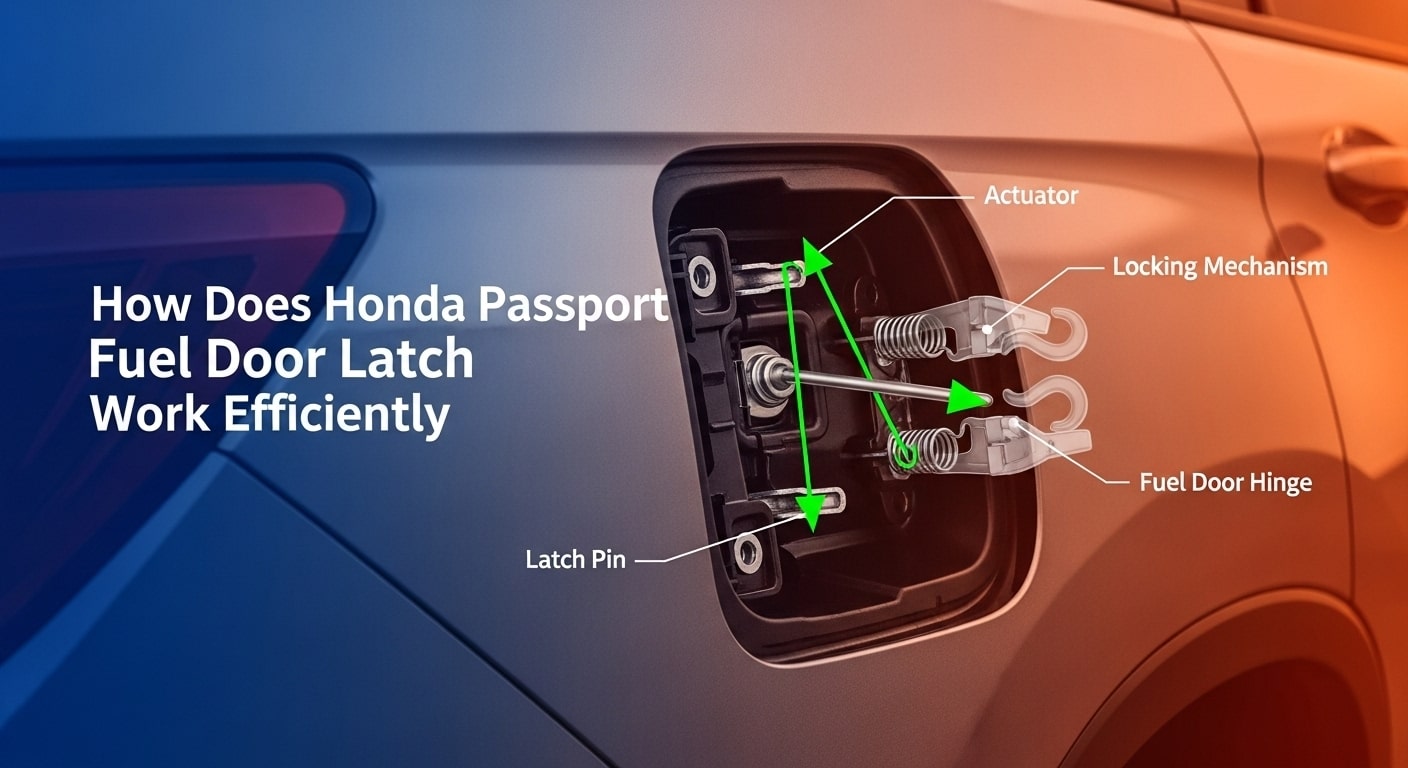
How Does Honda Passport Fuel Door Latch Work Efficiently?
Imagine you’re ready to hit the road in your Honda Passport, but there’s a small hiccup: the fuel door latch won’t open. It’s a frustrating moment that can disrupt your day.
But don’t worry. You’re not alone, and there’s a simple solution waiting for you. Understanding how the Honda Passport fuel door latch works can save you time and prevent hassle. In this guide, you’ll discover the mechanism behind the latch, common issues that might cause it to malfunction, and easy fixes to get you back on your way.
Let’s dive into the details that will give you peace of mind and keep your adventure rolling smoothly.
Design Of The Fuel Door Latch
The design of the Honda Passport fuel door latch is a perfect blend of functionality and elegance. It may seem like a small detail, but it’s an essential part of your vehicle’s overall design. Have you ever wondered how such a simple mechanism can impact your daily driving experience?
Material Composition
The fuel door latch is crafted from durable materials that ensure longevity. Honda uses a combination of high-grade plastics and metals to withstand harsh environmental conditions. This choice of materials not only provides strength but also maintains a sleek appearance.
Imagine driving through extreme weather without worrying about wear and tear on your fuel door latch. The material choice reflects Honda’s commitment to quality, ensuring your latch remains functional and attractive over time.
Structural Features
Structurally, the fuel door latch is designed for ease of use. It’s engineered to offer a secure lock without the need for excessive force when opening or closing. This thoughtful design means you can access your fuel tank effortlessly.
The latch mechanism is cleverly integrated into the vehicle’s body, minimizing protrusion and maintaining a streamlined look. It’s not just about aesthetics; this design reduces the risk of accidental damage. Consider how this seamless integration enhances your vehicle’s overall appearance.
As you engage with your Honda Passport’s fuel door latch, think about the attention to detail that goes into its design. How does the material choice and structural features impact your perception of quality and reliability in a vehicle? Your thoughts could lead to a deeper appreciation for the small details that make driving a Honda Passport a unique experience.
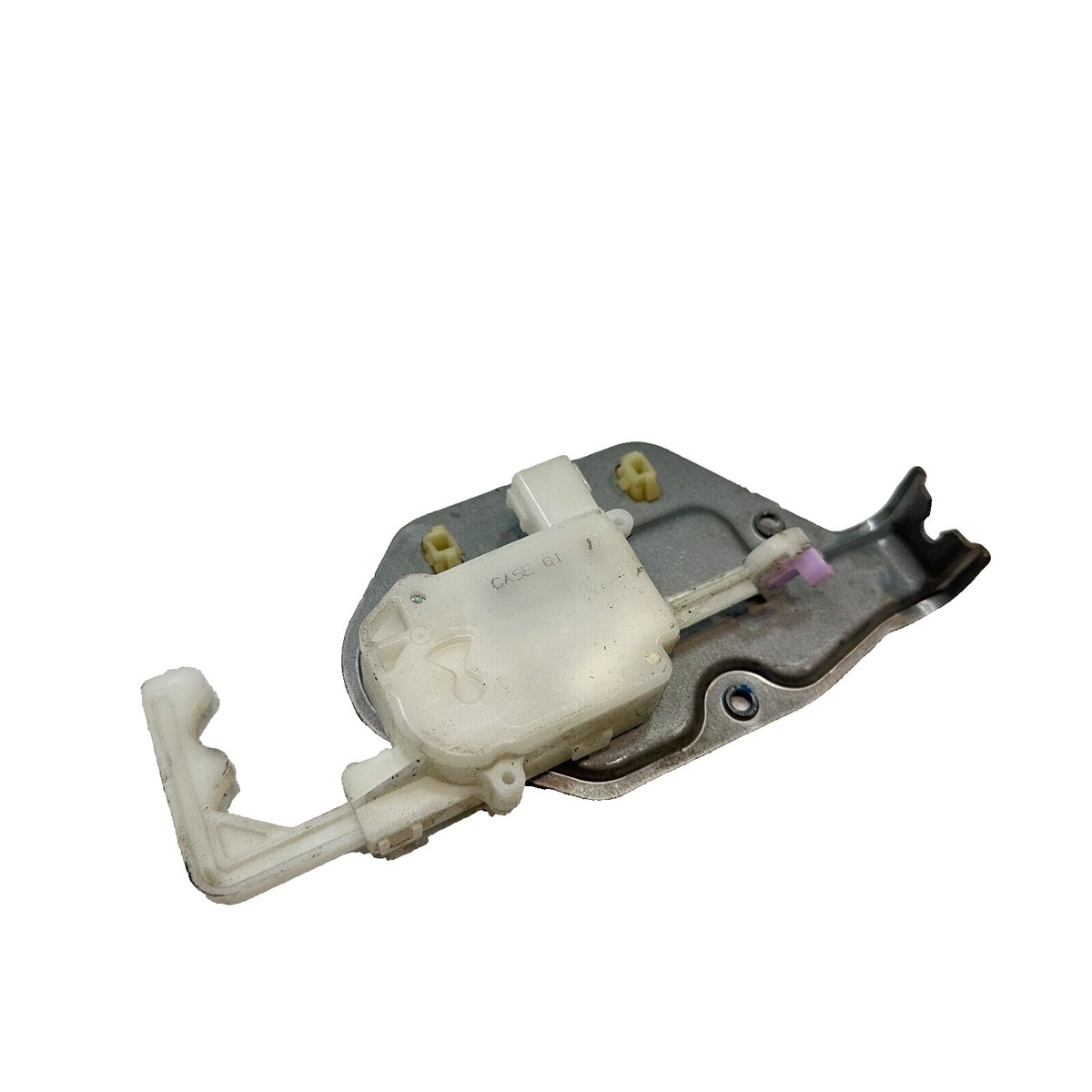
Credit: www.ebay.com
Mechanism Of Operation
The Honda Passport fuel door latch operates with a simple mechanism. It ensures secure access to the fuel tank. Understanding its operation helps in maintaining its functionality. This section explores how the latch mechanism works. We’ll break down the opening and closing processes.
Opening Process
The opening process of the Honda Passport fuel door latch is straightforward. A lever located inside the vehicle typically controls it. Pulling this lever releases the fuel door latch. This action disengages the latch, allowing the fuel door to open easily. The design ensures that the fuel door remains closed until needed. It helps prevent unauthorized access and protects the fuel cap.
Closing Process
Closing the fuel door is just as simple. Gently push the fuel door back into its frame. The latch mechanism engages automatically. It locks the door in place, ensuring it stays closed during driving. This automatic locking feature adds convenience. It provides peace of mind by securing the fuel compartment. Proper maintenance keeps the latch mechanism functioning smoothly.
Integration With Vehicle Systems
The Honda Passport fuel door latch integrates smoothly with vehicle systems. This integration ensures a seamless driving experience. It connects with various systems for enhanced functionality and safety. Understanding these connections can help drivers appreciate the vehicle’s design.
Connection With Central Locking
The fuel door latch links with the central locking system. This connection ensures it locks and unlocks with the car doors. It provides convenience and security. Drivers don’t need to worry about manually locking the fuel door. It happens automatically when you lock the car.
Interface With Safety Features
The fuel door latch interfaces with the vehicle’s safety features. This ensures it remains closed during driving. It prevents accidental opening which could be dangerous. The design prioritizes driver and passenger safety. By integrating with safety systems, it offers peace of mind.
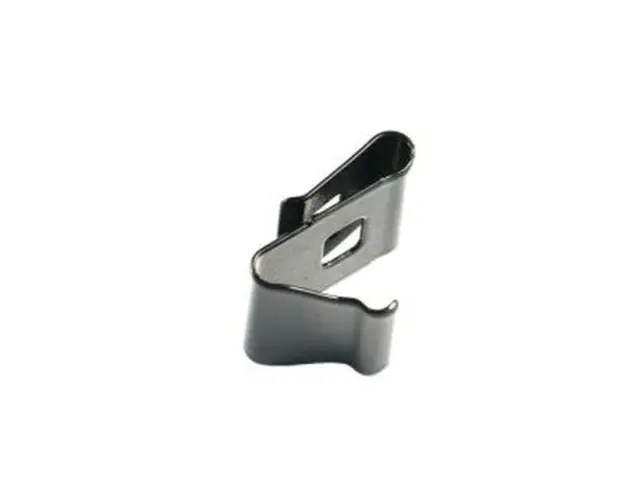
Credit: honda.oempartsonline.com
Efficiency Factors
The fuel door latch of your Honda Passport may seem like a small component, but its efficiency factors can greatly impact your driving experience. A well-functioning latch ensures that your fuel door remains securely closed, preventing any unnecessary leaks or damage. But what makes this component efficient, and how does it hold up under various conditions? Let’s dive into some key aspects that influence its performance.
Durability Under Different Conditions
The fuel door latch needs to withstand diverse weather conditions. Imagine you’re driving through a torrential downpour or a scorching summer day. The latch must endure these elements without failing. Made from robust materials, Honda ensures that the latch remains resilient against rain, heat, and even snow. Have you ever noticed how smoothly it clicks open, even after a freezing night? That’s no accident. It’s designed to perform consistently, offering peace of mind regardless of the weather.
Impact On Fuel Economy
Did you know that a properly secured fuel door can actually affect your fuel economy? It might sound surprising, but even a slight gap can lead to increased air resistance. This, in turn, can cause your vehicle to consume more fuel. By ensuring that the fuel door latch closes tightly, you not only prevent fuel evaporation but also help maintain optimal aerodynamics. Next time you fill up your tank, take a moment to check that latch. A simple habit, yet it can make a difference in your mileage over time.
Have you ever considered the small details that contribute to your vehicle’s efficiency? The fuel door latch of your Honda Passport is one such detail. By understanding its role, you can appreciate the engineering behind it and the benefits it brings to your driving experience. So, next time you’re out on the road, remember that even the smallest parts play a big role in keeping your journey smooth and efficient.
Common Issues And Solutions
The Honda Passport is known for its reliability, but like any vehicle, it can face issues. One common problem is the fuel door latch malfunctioning. Understanding these issues and knowing the solutions can save time and frustration.
Typical Malfunctions
The fuel door latch may stick or fail to open. This can be caused by debris or rust buildup. Another issue is the latch not locking properly, which can lead to security concerns. A broken or worn-out latch spring can cause these problems too.
Troubleshooting Steps
Start by inspecting the latch for visible obstructions. Clean any debris or dirt around the latch area. Use a lubricant to ease any sticking parts. If the latch spring is damaged, consider replacing it with a new one.
If the latch still doesn’t work, check the cable connections. Loose or damaged cables can affect the latch’s function. Tighten or replace them as needed. For persistent problems, consult a professional mechanic.
Maintenance Tips
Ensure smooth functioning by regularly checking the Honda Passport fuel door latch. Clean the latch area to avoid dirt build-up. Lubricate hinges to prevent stiffness. Proper maintenance helps in easy access during fuel stops.
Maintaining the Honda Passport fuel door latch ensures its longevity and reliability. Regular care helps avoid unexpected issues and keeps the latch working smoothly. Follow these maintenance tips to ensure your fuel door latch remains in optimal condition.
Regular Inspection Guidelines
Check the fuel door latch once a month. Look for any signs of rust or damage. Ensure the latch mechanism works smoothly. If it sticks, it might need attention. Use a flashlight to inspect hard-to-see areas. Catching problems early prevents larger issues later.
Cleaning And Lubrication
Clean the latch area with a soft cloth. Remove any dirt or debris gently. Use mild soap if necessary. Avoid harsh chemicals that might damage the latch. Once clean, apply a small amount of lubricant. Use one suitable for automotive parts. This prevents rust and keeps the mechanism smooth. Regular lubrication ensures the latch functions properly.
Frequently Asked Questions
How To Open Gas Tank On 2026 Honda Passport?
To open the gas tank on a 2026 Honda Passport, locate the fuel door release lever. It’s typically found near the driver’s seat. Pull the lever to unlock the fuel door. Exit the vehicle and gently open the fuel door by hand to access the gas cap.
Why Is My Gas Tank Door Not Closing?
A gas tank door might not close due to a misaligned latch, damaged hinge, or debris obstruction. Check for any visible blockages or damage. Properly aligning the latch or cleaning the area often resolves the issue. If the problem persists, consider consulting a professional for repair.
How Does A Fuel Door Work?
A fuel door covers the gas cap on vehicles, keeping it secure and protecting from debris. It opens manually or automatically using a lever or button inside the car, allowing access for refueling. This small panel is essential for maintaining fuel safety and preventing tampering or contamination.
How To Fix A Jammed Fuel Door?
Check for debris around the fuel door and clean it. Inspect the fuel door hinge for damage. Use lubricating spray on the hinge. Manually release the fuel door using the emergency release lever inside the trunk. If the problem persists, consult a professional mechanic for further assistance.
Conclusion
Understanding the Honda Passport fuel door latch is crucial. It ensures easy access to refuel. This knowledge helps prevent unnecessary complications. Regular maintenance keeps the latch functioning smoothly. Always check for any signs of wear. Replace parts if needed. This simple task saves time and effort.
Regular checks enhance vehicle reliability and safety. Keep your Honda Passport running efficiently. Enjoy a hassle-free driving experience. Your fuel door latch plays a vital role. Small steps today prevent bigger issues tomorrow. Stay informed and proactive. Your Honda Passport will thank you.

Automotive Specialist & Expert Mechanic
Noah Brooks is a skilled automotive expert with a passion for both the technical and creative aspects of the automotive world. With years of experience in repairing, restoring, and enhancing vehicles, Noah is known for his deep knowledge of car mechanics, parts, and accessories. His expertise extends to welding, troubleshooting, and offering advice on the latest car technologies and trends. Whether it’s diagnosing complex issues or guiding readers through DIY car repairs, Noah’s blog posts are filled with hands-on insights that appeal to both novice and experienced car enthusiasts. When he’s not writing, Noah is working on his own car projects, continually learning and sharing his automotive passion with the world.