How Much is It to Fix Power Steering: Affordable Repair Costs Revealed
Is your steering wheel feeling heavy or unresponsive? You might be facing a power steering problem.
But how much is it to fix power steering? If you’re worried about the cost and what’s involved, you’re not alone. Understanding the expenses and options can save you from unexpected bills and help you make the right choice for your car.
Keep reading, and you’ll get clear answers that put you in control of your repair decisions.
Common Power Steering Issues
Power steering problems can affect your car’s handling and safety. Identifying common issues early helps avoid costly repairs. Most power steering troubles involve fluid leaks, strange noises, or steering difficulties.
Leaking Power Steering Fluid
Leaks reduce the fluid level, causing poor steering performance. Look for puddles or stains under the car. Low fluid can damage the power steering pump and rack. Fixing leaks often requires replacing seals or hoses.
Noisy Steering
Whining or groaning sounds usually signal low fluid or worn parts. Noise may increase when turning the wheel. It can also indicate a failing power steering pump. Early repairs prevent further damage and higher costs.
Stiff Or Unresponsive Steering
Hard steering means the system is not working well. It may result from low fluid, a broken belt, or a faulty pump. Stiff steering makes driving difficult and unsafe. Addressing this problem quickly ensures smooth control of the vehicle.

Credit: www.amazon.com
Factors Influencing Repair Costs
Understanding the costs of fixing power steering is important. Various factors influence these expenses. Knowing these can help you plan better. Let’s explore these key factors.
Type Of Vehicle
The vehicle type impacts repair costs significantly. Luxury cars often have higher repair costs. Parts for them can be expensive. Compact cars may cost less to fix.
Severity Of The Problem
Repair costs vary with the problem’s severity. Minor leaks might cost less. Major system failures can be more expensive. Early detection can prevent costly repairs.
Parts And Labor Expenses
Parts and labor are major cost contributors. Newer vehicles might need pricier parts. Labor rates differ across regions. It’s wise to compare different repair shops.
Typical Repair Options
Understanding the typical repair options for power steering issues can help you make informed decisions and avoid unnecessary expenses. Each problem has a different fix, and knowing what’s involved lets you spot the right solution faster. Let’s look at the common repairs you might face and what they usually cost.
Power Steering Fluid Replacement
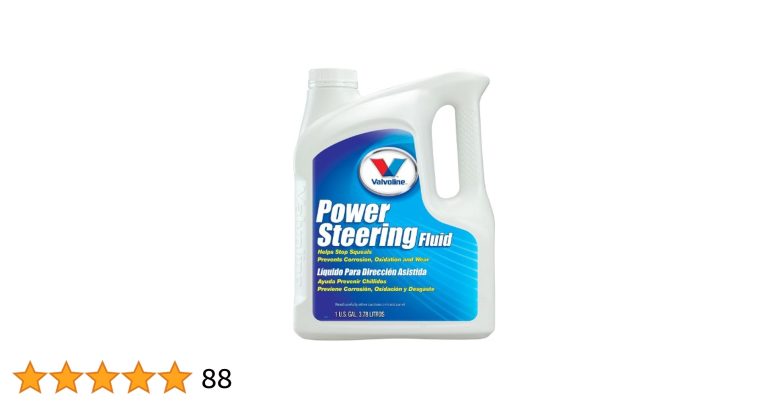
Sometimes, the simplest fix is just replacing the power steering fluid. Over time, fluid can get dirty or leak out, causing your steering to feel stiff or noisy. Flushing and refilling the fluid typically costs between $80 and $150, which is a quick and affordable way to restore smooth steering.
Have you ever noticed a whining noise when turning the wheel? It might be a sign your fluid level is low, and topping it up could solve the issue without further repairs.
Fixing Or Replacing Hoses
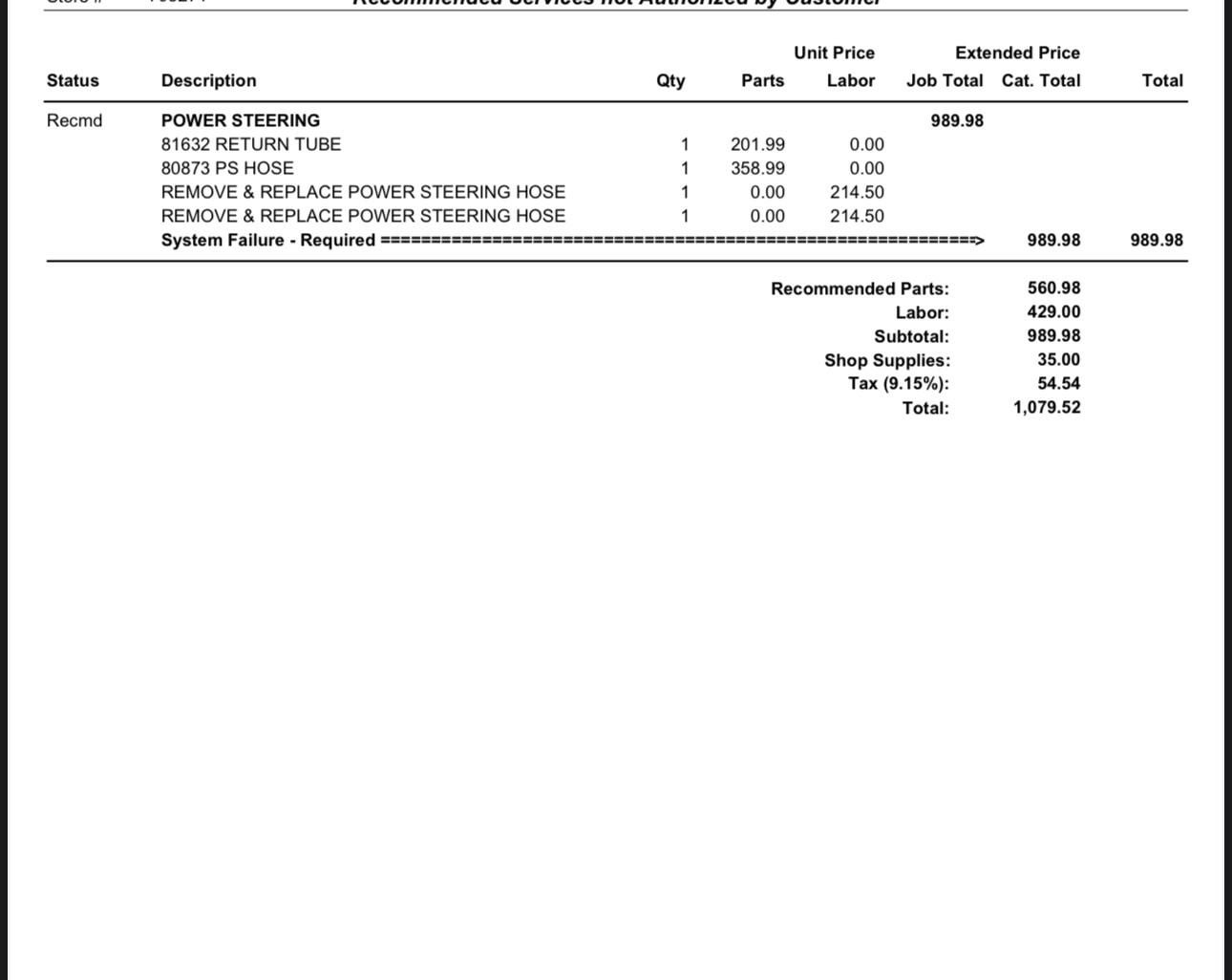
Power steering hoses carry fluid between components and can wear out or leak. A cracked or damaged hose means fluid loss and can lead to steering problems or even system failure. Repairing or replacing hoses usually costs around $150 to $300 depending on the vehicle and hose type.
If you spot fluid puddles under your car or a burning smell when driving, check your hoses immediately. Ignoring hose damage can cause more expensive repairs down the line.
Power Steering Pump Repair
The power steering pump is the heart of the system, creating the pressure needed for easy steering. When it fails, you might hear groaning noises or feel heavy steering effort. Repairing or replacing the pump is more costly, often ranging from $300 to $700, but it’s essential for safety and control.
Think about how much you rely on responsive steering every day. Delaying pump repair can compromise your driving experience and increase risks on the road.
Rack And Pinion Replacement
The rack and pinion controls the actual movement of your wheels when you turn the steering wheel. Damage here can cause steering to feel loose, uneven, or even unsafe. Replacing this part is the most expensive option, with costs typically between $500 and $1,200 due to labor and part complexity.
Have you noticed your car pulling to one side or uneven tire wear? These signs might point to rack and pinion issues that you shouldn’t ignore.

Credit: www.amazon.com
Estimated Price Ranges
Understanding the estimated price ranges for fixing power steering helps you plan your budget. Repair costs vary depending on the problem’s severity and the parts involved. This section breaks down the typical expenses for minor, moderate, and major repairs.
Minor Repairs
Minor repairs include simple fixes like topping off power steering fluid or replacing a leaking hose. These repairs usually take less time and cost less money. Expect to pay between $50 and $150for minor repairs. This range covers parts and labor for small issues that do not require extensive work.
Moderate Repairs
Moderate repairs involve replacing parts such as the power steering pump or fixing a faulty rack and pinion. These repairs take more time and need more skill. The cost for moderate repairs typically falls between $200 and $500. Prices vary based on the car model and the parts used.
Major Repairs
Major repairs include rebuilding or replacing the entire power steering system. These jobs are complex and require professional service. Costs for major repairs can range from $500 to $1,500 or more. High labor costs and expensive parts cause prices to rise in this category.
Tips To Save On Power Steering Repairs
Fixing power steering can be a costly and unexpected expense. However, there are smart ways to reduce the bill without compromising the quality of repair. Saving money starts with smart choices and regular care, which you can control.
Choosing The Right Mechanic
Not all mechanics charge the same for power steering repairs. Look for a trusted local shop with good reviews instead of big dealerships. Sometimes, smaller shops offer personalized service and better prices.
Ask for detailed estimates and check if they provide warranties on their work. Getting a second opinion can also uncover cheaper options. Have you ever been surprised by a bill after a repair? Being proactive here helps avoid that.
Using Quality Aftermarket Parts
OEM parts are usually expensive, but quality aftermarket parts can be a budget-friendly alternative. These parts often meet or exceed manufacturer standards and cost less. Just make sure the parts come from reputable brands to avoid future problems.
Discuss with your mechanic about these alternatives before the repair starts. You could save hundreds without sacrificing reliability. Would you prefer to spend less now and risk frequent replacements, or invest in dependable aftermarket parts once?
Regular Maintenance To Prevent Issues
Preventing power steering problems is cheaper than fixing them. Check your power steering fluid level regularly and top it up when needed. Dirty or low fluid can cause damage that leads to expensive repairs.
Also, listen for unusual noises or stiffness when turning your wheel. Early signs can help you catch issues before they worsen. How often do you inspect your vehicle’s steering system? Making it a habit could save you from a costly repair down the road.
When To Consider Replacement Vs. Repair
Deciding between fixing or replacing your power steering depends on several factors. Understanding these can help you save money and avoid future problems. It is important to evaluate the condition of your vehicle and the costs involved in each option.
Cost-benefit Analysis
Repairing power steering usually costs less upfront. Common repairs include fixing leaks or replacing small parts. Replacement involves buying a new or rebuilt system, which is more expensive.
Consider how long the repair will last. A quick fix might save money today but cause more issues soon. Replacement can provide a longer-lasting solution.
- Repair: Lower cost, shorter lifespan
- Replacement: Higher cost, longer lifespan
Think about the total cost over time. Frequent repairs can add up to more than a replacement.
Vehicle Age And Condition
Older vehicles may not benefit from expensive replacements. If your car has many miles or other issues, repair might be better.
Newer cars often justify replacement for better performance and safety. The condition of other parts matters too. If the vehicle is in good shape, replacement may extend its life.
- Older cars: Repair may be more cost-effective
- Newer cars: Replacement can improve value and safety

Credit: www.youtube.com
Frequently Asked Questions
How Much Does Power Steering Repair Typically Cost?
Power steering repair costs range from $150 to $1,000 depending on the issue. Minor fixes like fluid replacement are cheaper, while pump or rack replacement is costlier.
What Factors Influence Power Steering Repair Prices?
Repair costs depend on the car model, severity of damage, parts needed, and labor charges. Luxury cars and complex repairs usually cost more.
Can I Fix Power Steering Myself To Save Money?
DIY power steering fixes like fluid replacement are possible but risky. Complex repairs require professional tools and expertise for safety and accuracy.
How Long Does Power Steering Repair Usually Take?
Most repairs take 1 to 3 hours, depending on the problem’s complexity and parts availability. Some issues may need longer diagnostic time.
Conclusion
Fixing power steering costs vary based on the problem and car type. Simple repairs may be affordable, while major fixes cost more. Regular maintenance helps avoid expensive repairs later. Always check with a trusted mechanic for accurate estimates. Understanding costs can help you plan your budget better.
Keep your steering smooth and safe by addressing issues early. Don’t ignore warning signs; small problems can grow fast. Taking action now saves money and stress in the long run.

Automotive Specialist & Expert Writer
Tyler Kingston is a passionate automotive writer with a wealth of knowledge in all things cars. With years of experience in the automotive industry, Tyler specializes in everything from vehicle maintenance to the latest car technologies and innovations. He is known for his ability to break down complex automotive concepts into easily digestible, engaging content for both novice and experienced car enthusiasts. Whether it’s detailing car repair techniques, reviewing new car models, or diving into the world of auto accessories, Tyler’s articles provide valuable insights to readers. His hands-on experience, combined with a genuine love for cars, allows him to deliver expert advice, tips, and news that keeps readers coming back for more.