Does the Kia Ria Have a Power Steering Reservoir? Essential Facts
If you own a Kia Ria or are thinking about getting one, you might be wondering about its power steering system. Specifically, does the Kia Ria have a power steering reservoir?
Knowing this can help you maintain your car better and avoid costly repairs. You’ll discover the answer and learn why it matters for your driving experience. Keep reading to get the clear facts that every Kia Ria owner should know.

Credit: www.ebay.com
Power Steering Basics
Understanding power steering basics helps maintain your Kia Ria properly. Power steering makes steering easier by reducing the effort needed to turn the wheel. It improves driving comfort and control, especially at low speeds or during parking. Knowing how power steering works and its types can help you spot issues early and keep your vehicle running smoothly.
How Power Steering Works
Power steering uses hydraulic or electric systems to assist your steering. It reduces the force needed to turn the wheels. When you turn the steering wheel, sensors or valves detect the movement. The system then applies extra force to help the wheels turn in the desired direction. This makes steering lighter and more responsive.
Hydraulic power steering uses fluid pressure to assist steering. A pump moves the fluid through a system of hoses and valves. Electric power steering uses an electric motor instead of fluid. This motor provides the extra force to help you steer.
Types Of Power Steering Systems
- Hydraulic Power Steering (HPS):Uses fluid pressure from a pump driven by the engine.
- Electric Power Steering (EPS):Uses an electric motor controlled by sensors and computers.
- Electro-Hydraulic Power Steering (EHPS):Combines electric motor and hydraulic pump for assistance.
Each system has different parts and maintenance needs. Some need power steering fluid, while others do not. Knowing your car’s system helps with proper care and troubleshooting.
Kia Ria Power Steering Features
The Kia Ria boasts an array of features that make driving a breeze, especially when it comes to steering. Whether you’re navigating through a bustling city or cruising along a serene highway, understanding the power steering features of the Kia Ria can enhance your driving experience. Let’s dive into the specifics of the power steering system in this vehicle.
Power Steering System Type In Kia Ria
The Kia Ria is equipped with an electric power steering (EPS) system. This modern technology replaces the traditional hydraulic systems, providing a more efficient and responsive steering experience. EPS systems use an electric motor to assist the driver, which not only reduces the load on the engine but also improves fuel efficiency.
Many drivers appreciate the precision and ease of handling that EPS systems offer. Imagine maneuvering through tight parking spots with minimal effort. The system adjusts the steering effort based on speed, making it light and easy at low speeds and firmer at high speeds for better control.
Presence Of Power Steering Reservoir
One common question among car owners is whether the Kia Ria has a power steering reservoir. The answer is no, and here’s why: the electric power steering system doesn’t require hydraulic fluid. Traditional power steering systems used to rely on hydraulic fluid to assist steering, necessitating a reservoir to hold the fluid.
With EPS, the need for a hydraulic reservoir is eliminated. This means one less thing to maintain and worry about. For those who have dealt with fluid leaks or the hassle of topping up power steering fluid, this is a welcome change.
What are your thoughts on electric versus hydraulic steering systems? Have you noticed a difference in your driving experience? Sharing your experiences can provide valuable insights for fellow readers.
Locating The Reservoir
Finding the power steering reservoir in the Kia Ria is important for maintenance. Knowing its location helps you check fluid levels easily. This keeps the steering smooth and safe. Understanding where to look and how to identify the parts simplifies the task.
Where To Find The Reservoir
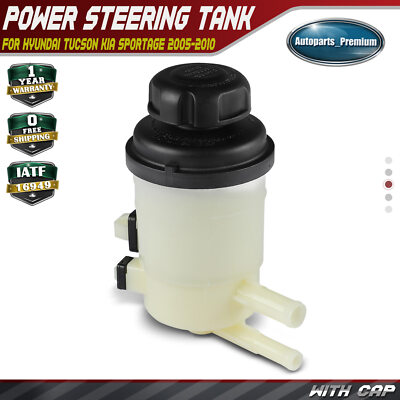
The power steering reservoir sits under the hood of the Kia Ria. Open the hood and look near the engine’s front or side. It is usually a small, translucent plastic container. The reservoir connects to hoses that lead to the steering system.
Look for a cap labeled “Power Steering” or showing a steering wheel icon. The reservoir is often mounted on or near the engine block. It should be easy to reach without removing parts.
Identifying Reservoir Components
The reservoir has a cap for adding or checking fluid. This cap is often screw-on or snap-on type. The reservoir itself is clear or semi-clear, letting you see the fluid level inside.
- The fluid level marks are on the side of the container.
- Hoses connect the reservoir to the steering pump.
- The cap may have warnings or instructions printed on it.
Knowing these features helps confirm you found the correct part. Checking the reservoir regularly keeps your Kia Ria’s steering in good shape.

Credit: www.ebay.com
Maintaining Power Steering Fluid
Maintaining the power steering fluid in your Kia Ria is essential for smooth steering and overall vehicle safety. Without proper fluid levels, you might experience stiffness in the steering wheel or even damage to the power steering pump. Keeping an eye on the fluid ensures your car remains responsive and easy to handle.
Checking Fluid Levels
Start by locating the power steering reservoir under the hood. It usually has a cap labeled with steering wheel or fluid icons. Check the fluid level against the marks on the reservoir or dipstick—too low can cause noise or hard steering, while too high might lead to leaks.
Make it a habit to check the fluid regularly, especially if you notice any unusual noises while turning. Have you ever ignored a strange sound and later faced costly repairs? Catching low fluid early saves you money and hassle.
When And How To Refill
Refill the power steering fluid if the level is below the recommended mark. Use the specific type of fluid listed in your Kia Ria’s owner manual to avoid compatibility issues. Pour slowly to avoid overfilling, which can create pressure and damage seals.
After refilling, turn the steering wheel from lock to lock a few times to help the fluid circulate. Check for leaks around the reservoir and hoses. If you find yourself topping up frequently, it might indicate a leak that needs professional attention.
Common Power Steering Issues
Power steering problems can make driving hard and unsafe. These issues often start small but can grow quickly. Knowing common signs helps keep the Kia Ria running smoothly. Addressing problems early saves money and stress.
Symptoms Of Low Fluid
- Steering feels heavy or stiff
- Whining or groaning noise when turning
- Steering wheel moves unevenly or jerks
- Visible fluid leaks under the vehicle
- Low power steering fluid level in the reservoir
Troubleshooting Power Steering Problems
Check the power steering fluid level first. Use the correct fluid type for Kia Ria. Look for leaks around hoses and the reservoir. Inspect the power steering belt for wear or damage. Test steering response at low speeds. Listen for unusual noises during turns. If problems persist, consult a mechanic for a full check.
Benefits Of Proper Maintenance
Proper maintenance of the Kia Ria’s power steering system keeps your vehicle safe and easy to drive. Regular checks and care prevent problems before they start. This saves money and avoids sudden breakdowns. Understanding the benefits helps you see why maintenance is important.
Improved Steering Performance
Maintaining the power steering fluid and reservoir helps the steering work smoothly. It reduces effort when turning the wheel. Proper fluid levels avoid stiffness and jerky movements. This makes driving more comfortable and less tiring. It also improves control on tight corners and during parking.
Extending Power Steering Lifespan
Clean and full power steering fluid protects the system’s parts from wear. Dirt and low fluid can cause damage to pumps and hoses. Regular checks stop leaks and keep the system running longer. This reduces the chance of costly repairs or needing a full replacement. A well-maintained system lasts many years.
Credit: www.ebay.com
Frequently Asked Questions
Does The Kia Ria Have A Power Steering Reservoir?
Yes, the Kia Ria is equipped with a power steering reservoir. This reservoir stores the hydraulic fluid needed for smooth steering. It helps maintain proper pressure for the power steering system to function efficiently.
Where Is The Power Steering Reservoir Located In Kia Ria?
The power steering reservoir in the Kia Ria is located in the engine bay. Typically, it is near the power steering pump for easy access. This location allows for convenient fluid checks and refills.
How Often Should Kia Ria’s Power Steering Fluid Be Checked?
It’s recommended to check the power steering fluid every 6 months. Regular checks prevent steering issues and maintain system performance. Always inspect fluid levels and condition to avoid power steering damage.
What Type Of Fluid Does Kia Ria’s Power Steering Use?
Kia Ria uses specific hydraulic power steering fluid. It is important to use the manufacturer-recommended fluid type. Using the correct fluid ensures optimal steering performance and prevents system wear.
Conclusion
The Kia Ria does have a power steering reservoir. It helps keep the steering smooth and easy. Checking the reservoir fluid is important. Low fluid can cause steering problems. Regular maintenance keeps the car safe to drive. Knowing this helps you care for your Kia better.
Simple checks save time and money. Keep an eye on the reservoir for best results. Your car will thank you with better performance.

Automotive Specialist & Expert Writer
Tyler Kingston is a passionate automotive writer with a wealth of knowledge in all things cars. With years of experience in the automotive industry, Tyler specializes in everything from vehicle maintenance to the latest car technologies and innovations. He is known for his ability to break down complex automotive concepts into easily digestible, engaging content for both novice and experienced car enthusiasts. Whether it’s detailing car repair techniques, reviewing new car models, or diving into the world of auto accessories, Tyler’s articles provide valuable insights to readers. His hands-on experience, combined with a genuine love for cars, allows him to deliver expert advice, tips, and news that keeps readers coming back for more.