Can You Mix Air And Nitrogen in Car Tires: Essential Facts
Have you ever wondered if mixing air and nitrogen in your car tires is a good idea? You’re not alone.
Many drivers are curious about this topic, and for a good reason. Your tires play a critical role in your vehicle’s safety and performance. Understanding what goes inside them can make a big difference in your driving experience. Imagine having the peace of mind that comes with knowing you’re doing the best for your car.
This article will reveal the truth about mixing air and nitrogen, helping you make informed choices. Stick around to discover how this simple decision could impact everything from your fuel efficiency to the lifespan of your tires.

Credit: carfromjapan.com
Benefits Of Nitrogen In Tires
Many drivers wonder about the benefits of using nitrogen in car tires. Nitrogen offers several advantages over regular air. Understanding these benefits can help you make informed decisions for your vehicle’s maintenance.
Improved Fuel Efficiency
Nitrogen can enhance your car’s fuel efficiency. It maintains tire pressure better than regular air. Proper tire pressure reduces rolling resistance. This means your car uses less fuel. Saving money and reducing emissions becomes easier.
Extended Tire Life
Tires filled with nitrogen tend to last longer. Oxygen in air causes rubber to degrade over time. Nitrogen reduces oxidation and slows down this process. Your tires remain strong and durable for a longer period.
Enhanced Pressure Stability
Nitrogen provides more stable tire pressure. Changes in temperature affect nitrogen less than regular air. This stability ensures consistent tire performance. You enjoy a smoother and safer driving experience.
Potential Drawbacks Of Mixing Air And Nitrogen
Mixing air and nitrogen in car tires may cause inconsistent pressure. This can affect tire performance and lifespan. Regular checks become essential to maintain optimal driving safety and efficiency.
Mixing air and nitrogen in car tires might seem like a harmless idea, but it’s important to consider the potential drawbacks. While nitrogen-filled tires offer benefits like improved fuel efficiency and prolonged tire life, introducing regular air can dilute these advantages. Understanding how this mixture impacts performance and maintenance can save you from unnecessary headaches down the road. Let’s delve into some specific areas where you might face challenges.
Performance Variations
When you mix air with nitrogen in your tires, you may notice changes in performance. Nitrogen is less prone to temperature fluctuations compared to regular air, which means your tire pressure remains more stable. Mixing air dilutes this stability, leading to fluctuations that can affect your car’s handling and fuel efficiency. Imagine driving on a hot summer day; the temperature rises, causing the air in your tires to expand more than nitrogen would. This can result in overinflated tires, reducing traction and safety. Do you really want to compromise your driving experience for a simple mix-up?
Impact On Tire Maintenance
Maintaining tires becomes more challenging when air and nitrogen are mixed. Nitrogen is known for its ability to prevent moisture build-up inside tires, reducing the risk of corrosion on the wheels. When air is added, moisture levels can increase, leading to potential rust and increased wear on the tires. Think about the time and money spent on regular tire maintenance. If you’re mixing air and nitrogen, you’ll likely need to check your tire pressure more frequently. This means more trips to the gas station or mechanic for adjustments. Are you ready to invest extra time in something avoidable? Mixing air and nitrogen might seem convenient, but understanding these drawbacks can help you make informed choices for your vehicle. Consider what matters most to you—performance, maintenance, or convenience—and decide if mixing is worth the trade-offs.
Safety Considerations
Mixing air and nitrogen in car tires is a common practice. It can provide some benefits, but safety is crucial. Understanding safety considerations ensures your tires perform well. Here are some aspects to keep in mind.
Handling Pressure Changes
Tires filled with air and nitrogen can handle pressure changes differently. Nitrogen-filled tires may maintain pressure longer. This can result in fewer fluctuations. Regular air can cause more noticeable changes. These fluctuations can affect handling and efficiency.
Check tire pressure regularly. Use a reliable gauge. Keeping consistent pressure helps in safe driving.
Monitoring Tire Conditions
Monitoring tire conditions is vital. Mixed tires can wear unevenly if not checked. Look for any visible damage. Check for punctures and leaks. Regular inspections help catch issues early.
Understanding how your tires behave is essential. It helps in maintaining safety and performance. Regular monitoring provides peace of mind and prolongs tire life.
Cost Implications
Mixing air and nitrogen in car tires can lead to cost implications. Nitrogen offers stable tire pressure and improved fuel efficiency, potentially reducing long-term costs. However, initial expenses for nitrogen inflation may be higher compared to regular air. Balancing benefits and costs is essential for making the best choice.
When considering whether to mix air and nitrogen in your car tires, the cost implications are an essential factor. While nitrogen-filled tires have been lauded for their benefits, such as maintaining tire pressure longer, it’s crucial to weigh these advantages against the costs. You might wonder if the extra expense is justified, especially if you’re accustomed to the convenience of free air at your local gas station. Let’s break down the cost-related aspects and see how they could impact your wallet.
Pricing Differences
The initial cost of filling your tires with nitrogen can be higher compared to regular air. Many service stations charge between $5 to $10 per tire for a nitrogen fill. In contrast, air is often available for free or at a minimal charge. However, some tire retailers offer nitrogen for free with the purchase of new tires. If you’re already planning a tire upgrade, this could be a smart way to test nitrogen without any additional cost. Have you ever considered if this initial expense could be balanced by potential savings down the road?
Long-term Savings
Nitrogen is said to maintain tire pressure longer than regular air. This can lead to better fuel efficiency and longer tire life. Over time, these benefits might offset the initial cost of nitrogen fills. Imagine you’re driving on a long road trip; consistent tire pressure means fewer stops for adjustments. This stability can save you time and money on fuel. It’s worth asking yourself: could the peace of mind and savings in fuel consumption be worth the upfront investment? Ultimately, the decision to mix air and nitrogen in your tires should align with your driving habits and budget preferences. Weigh the costs today against potential savings tomorrow to see what’s best for you.
How Mixing Affects Tire Performance
Mixing air and nitrogen in car tires can affect their performance. Nitrogen maintains pressure longer, enhancing stability. Combining both might not offer the same benefits, impacting tire wear and fuel efficiency. Regular checks are crucial for maintaining optimal performance.
Mixing air and nitrogen in car tires is a topic that often intrigues drivers looking for optimal tire performance. While nitrogen offers distinct benefits, many wonder how a blend of air and nitrogen might affect their driving experience. Let’s delve into the key areas where this mixing can impact tire performance, focusing on pressure retention and temperature influence.
Pressure Retention
Maintaining consistent tire pressure is crucial for safety and fuel efficiency. Pure nitrogen is known for its ability to retain tire pressure longer than regular air. This is because nitrogen molecules are larger, which makes them less likely to seep through the tire rubber. When you mix air and nitrogen, you might notice a slight difference in pressure retention over time. Although the nitrogen component can help preserve pressure, the oxygen and moisture present in regular air can still lead to gradual pressure loss. Have you ever checked your tire pressure only to find it lower than expected? With mixed gases, this might happen less frequently, but regular checks remain vital.
Temperature Influence
Temperature changes can significantly impact tire pressure. Ever notice how tire pressure can increase during long drives or decrease in cold weather? Nitrogen is less reactive to temperature fluctuations compared to oxygen, which can help stabilize pressure in varying conditions. However, if your tires contain a mix of air and nitrogen, you’ll still experience some degree of pressure change as temperatures shift. This can be less dramatic than with pure air, but not as stable as pure nitrogen. Imagine driving through different climates on a road trip. Mixed air and nitrogen can offer more stability than pure air, but it’s not immune to temperature effects. Always be prepared to adjust your tire pressure based on weather conditions. Mixing air and nitrogen in your tires can offer benefits, but it’s essential to understand how it influences performance. Regular maintenance and pressure checks are your best allies in ensuring a smooth ride. Have you considered the impact of tire gas on your driving experience?
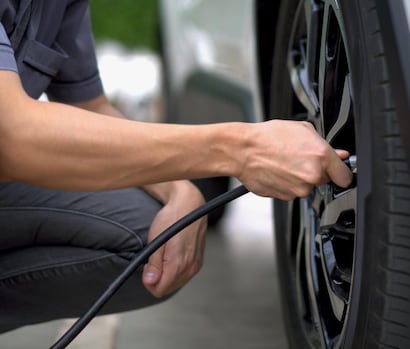
Credit: www.principlevolvocarssanantonio.com
Professional Recommendations
Professional recommendations provide clarity on mixing air and nitrogen in car tires. Experts emphasize the benefits and drawbacks. Understanding these can guide your decision effectively.
Expert Opinions
Automotive experts suggest using nitrogen for better tire pressure stability. Nitrogen reduces the frequency of pressure checks. This results in less maintenance. Air contains moisture, which can lead to corrosion. Nitrogen, being dry, protects tire components. Experts believe this extends tire life. Yet, mixing air and nitrogen is not harmful. It merely reduces the nitrogen benefits.
Industry Standards
Industry standards support using nitrogen for specific needs. Aircraft and race cars often use nitrogen. Consistent tire pressure is crucial in these fields. For everyday drivers, air suffices. Mixing air and nitrogen is acceptable. It doesn’t compromise safety. It’s common in many repair shops. Always ensure your tire pressure is correct. This matters more than the gas inside.
Credit: www.tiktok.com
Frequently Asked Questions
What Happens If You Mix Nitrogen And Air In A Tire?
Mixing nitrogen with air in a tire is safe. It slightly reduces nitrogen’s benefits, like pressure consistency. Performance and safety generally remain unaffected.
Can I Put Compressed Air In A Nitrogen-filled Tire?
Yes, you can add compressed air to a nitrogen-filled tire. This won’t harm the tire but reduces nitrogen benefits. Mixing is safe, though nitrogen offers better pressure stability. Regular air is 78% nitrogen, so occasional air top-ups are acceptable. Ensure consistent maintenance for optimal tire performance.
Is It Better To Fill Tires With Nitrogen Or Air?
Filling tires with nitrogen offers better pressure retention and reduced oxidation compared to air. Nitrogen-filled tires maintain consistent pressure, enhancing fuel efficiency and tire lifespan. Regular air is more accessible and cost-effective but may require frequent pressure checks. Consider your needs and budget when choosing between nitrogen and air for tire inflation.
What Happens If You Mix Oxygen And Nitrogen?
Mixing oxygen and nitrogen creates air, making up 99% of Earth’s atmosphere. Both gases are non-reactive under normal conditions.
Conclusion
Mixing air and nitrogen in car tires is safe. It offers flexibility. You don’t need to worry about performance loss. Nitrogen keeps tires stable over time. Air can be used when nitrogen isn’t available. Both options work for regular driving.
Check tire pressure regularly for safety. Proper inflation boosts fuel efficiency. It also extends tire life. Choose what suits your needs best. Remember, maintaining your tires is key. It ensures a smooth and safe ride.

Automotive Specialist & Expert Writer
Tyler Kingston is a passionate automotive writer with a wealth of knowledge in all things cars. With years of experience in the automotive industry, Tyler specializes in everything from vehicle maintenance to the latest car technologies and innovations. He is known for his ability to break down complex automotive concepts into easily digestible, engaging content for both novice and experienced car enthusiasts. Whether it’s detailing car repair techniques, reviewing new car models, or diving into the world of auto accessories, Tyler’s articles provide valuable insights to readers. His hands-on experience, combined with a genuine love for cars, allows him to deliver expert advice, tips, and news that keeps readers coming back for more.