How Long Should Tires Last on a Brand-New Car?
You just drove off the dealership lot with a brand-new car, and everything feels perfect. The engine purrs smoothly, the interior smells fresh, and those tires are as pristine as they can be.
But here’s a question that might pop into your mind: how long should those tires actually last? You’re not alone in wondering about this. Tires are the only part of your car that touch the road, and their longevity can directly impact your driving experience and safety.
Understanding how long tires should last on your new car is crucial, not just for your wallet but for peace of mind as well. You’ll discover the factors that influence tire lifespan and learn how to maximize their durability. Stick around to ensure you make the most of your brand-new car’s tires, keeping both your ride smooth and your safety uncompromised.

Credit: www.reddit.com
Factors Affecting Tire Longevity
Tire longevity on a brand-new car depends on several factors. Driving habits, road conditions, and maintenance play crucial roles. Regular tire rotation and proper inflation can extend tire life, ensuring safety and performance.
When you drive a brand-new car off the lot, everything feels fresh, including those shiny new tires. But how long should they actually last? The truth is, tire longevity isn’t a one-size-fits-all situation. Several factors can influence how quickly your tires wear out. From the way you drive to the roads you travel, and even how well you maintain them, each element plays a crucial role in determining the lifespan of your tires. Let’s dive into these factors and see how they might affect your driving experience.Driving Habits
The way you drive has a significant impact on your tire’s lifespan. Aggressive driving, like sudden braking and rapid acceleration, can wear out your tires faster. Do you often find yourself taking corners sharply or speeding down the highway? Such habits can lead to uneven wear and tear. On the other hand, smooth and steady driving helps extend tire life. Consider moderating your speed and keeping a safe distance from other vehicles to make your tires last longer.Road Conditions
The roads you travel daily can also influence how long your tires last. If you’re frequently driving on rough, uneven surfaces or pothole-ridden streets, your tires might wear out sooner. Have you ever noticed how bumpy roads can make your car shake? This vibration can cause premature tire wear. Smooth, well-maintained roads can help prolong the life of your tires, so plan your routes accordingly. If you can’t avoid bad roads, drive slowly to minimize the impact.Tire Maintenance
Proper tire maintenance is vital for extending their lifespan. Regularly checking tire pressure and ensuring it’s at the recommended level can prevent uneven wear. Are you rotating your tires every 6,000 to 8,000 miles? This simple step can distribute wear evenly across all tires, making them last longer. Also, don’t forget about wheel alignment. Misaligned wheels can cause tires to wear unevenly, so get them checked if you notice your car pulling to one side. Would you rather spend a little time on maintenance or a lot of money on new tires? Each factor is within your control, and addressing them can significantly increase the life of your tires. So, next time you’re behind the wheel, think about how your actions can keep those tires rolling safely for miles to come.Types Of Tires And Lifespan
Tires are crucial for your car’s performance and safety. The lifespan of tires varies based on their type. Understanding different tire types helps in predicting their lifespan. Let’s explore the types of tires and their expected lifespan.
All-season Tires
All-season tires are versatile and suitable for most weather conditions. They offer a comfortable ride and decent grip. Most all-season tires last between 50,000 and 70,000 miles. Regular maintenance extends their lifespan. Check tire pressure and rotate them often.
Performance Tires
Performance tires are designed for speed and agility. They offer superior grip and handling on dry roads. These tires typically last between 30,000 and 40,000 miles. Their lifespan is shorter due to the soft rubber compound. Frequent checks on tread wear are essential.
Winter Tires
Winter tires are made for snowy and icy conditions. They provide excellent traction and safety during winter months. The average lifespan of winter tires ranges from 30,000 to 40,000 miles. Store them properly in the off-season. This helps preserve their quality.
Manufacturer’s Recommendations
When you drive a brand-new car off the lot, you might wonder how long those shiny new tires will last. The answer isn’t always clear-cut, but manufacturers provide some guidelines to help you navigate tire longevity. These recommendations are based on extensive testing and research. But, do they truly match real-world experiences?
Most tire manufacturers offer warranties that cover a specific number of years or miles. You might see something like a “5-year” warranty or “60,000-mile” coverage. This is their promise to you that the tires will perform as expected under normal driving conditions.
However, warranties can be a bit tricky. They often include fine print that limits coverage based on factors like uneven wear or improper maintenance. Have you ever tried claiming a warranty, only to find out there are exceptions you didn’t know about?
The expected mileage for brand-new car tires can vary significantly. Manufacturers typically suggest anywhere from 40,000 to 80,000 miles. This range depends on the type of tire, vehicle, and driving habits.
Think about your daily commute. Do you find yourself on rough roads or frequently braking in city traffic? These conditions can impact tire wear significantly, leading to lower mileage than expected. It’s crucial to monitor your tire’s tread depth regularly.
So, what’s your experience? Have you ever had a set of tires that lasted much longer or shorter than the manufacturer’s recommendations? Share your story and see if it aligns with these expectations.
Signs Of Tire Wear
Tires are vital for safety and performance. Knowing the signs of tire wear helps you maintain your vehicle properly. Recognizing these signs ensures a smooth ride and can save you money in the long run.
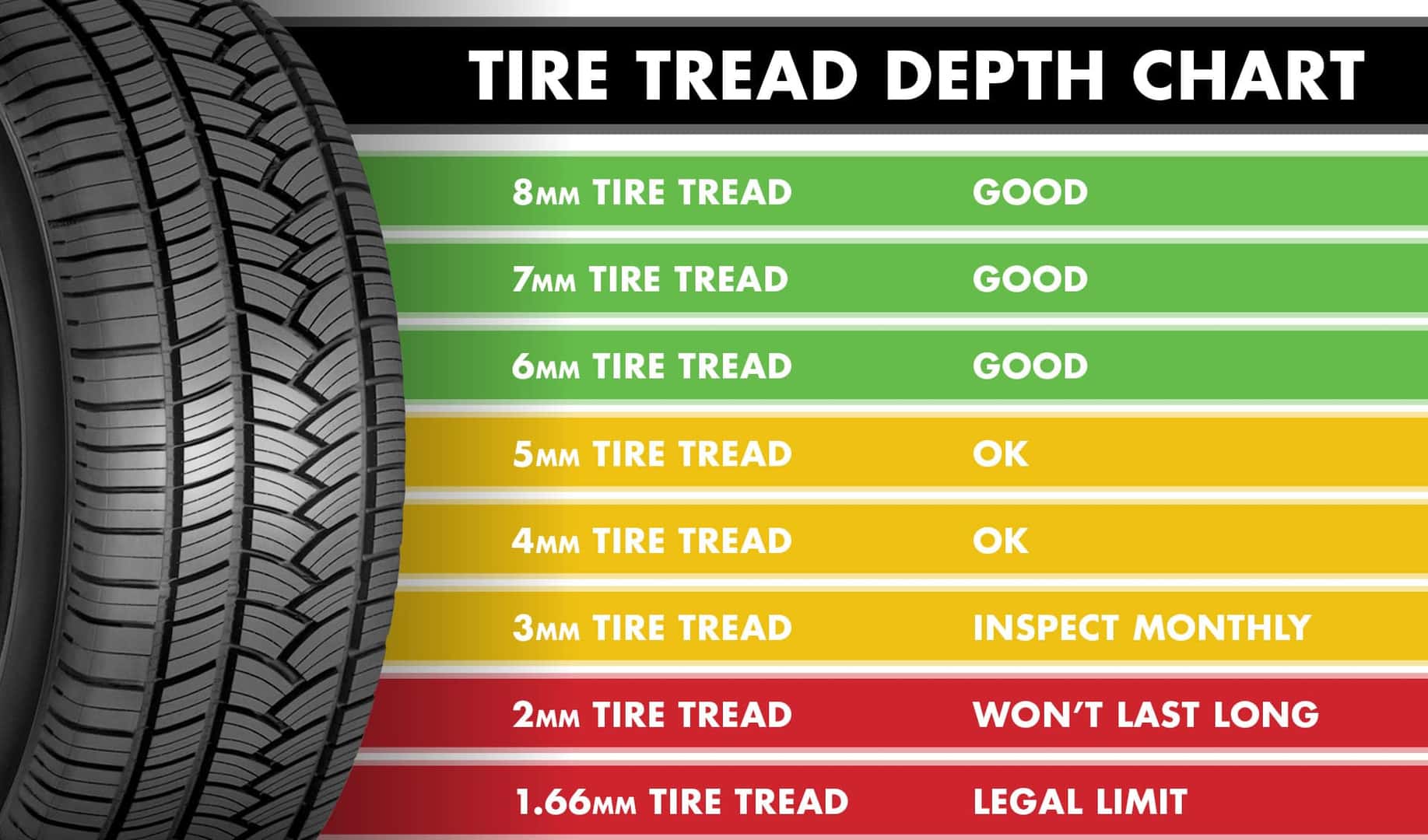
Tread Depth
Tread depth is crucial for grip. Shallow tread affects handling and increases stopping distance. Use a tread depth gauge to measure. If tread is less than 2/32 of an inch, replace the tire. Regular checks prevent unexpected issues.
Visible Damage
Inspect tires for cuts, cracks, or bulges. These signs indicate damage that can lead to a blowout. Look for objects like nails or glass embedded in the tire. Immediate attention to visible damage ensures safety.
Uneven Wear
Uneven wear signals alignment or suspension problems. Check if the wear is more on one side. Rotate tires regularly to promote even wear. Addressing uneven wear early prevents bigger issues.
Extending Tire Life
Extending the life of your car’s tires is crucial. Good tire care saves money and ensures safety. A few simple practices can make tires last longer.
Regular Rotations
Rotating tires is essential for even wear. Front tires wear differently than rear ones. Regular rotations help distribute wear evenly. It prevents tires from wearing out too fast.
Proper Inflation
Keeping tires properly inflated is vital. Under-inflation causes uneven wear and reduces fuel efficiency. Over-inflation can lead to blowouts. Check tire pressure monthly for best results.
Alignment And Balancing
Alignment and balancing affect tire longevity. Misaligned wheels cause tires to wear unevenly. Balancing ensures smooth driving and reduces tire stress. Regular checks help maintain optimal performance.

Credit: www.autocan.ca
When To Replace Tires
Knowing when to replace tires is crucial for safety and performance. Tires wear out over time, affecting grip and handling. Regular checks help identify issues early. Understanding tire life helps make informed decisions.
Mileage Benchmarks
Tires on a new car often last 50,000 to 60,000 miles. This depends on driving habits and road conditions. Check the manufacturer’s guide for specific mileage recommendations. Regular rotations extend tire life by promoting even wear.
Safety Considerations
Worn tires compromise braking and handling. Reduced tread depth increases stopping distance. Inspect tires for cracks, bulges, or punctures. These signs indicate the need for replacement. Prioritize safety over cost when considering tire health.

Credit: www.reddit.com
Frequently Asked Questions
How Long Do Factory Tires Last On New Cars?
Factory tires typically last 25,000 to 50,000 miles. Tire lifespan depends on driving habits and road conditions. Regular maintenance, like tire rotation and proper inflation, can extend their life. Always check your car’s manual for specific recommendations. Consider consulting a professional for personalized advice on tire care and replacement.
Do Tires On New Cars Wear Out Faster?
Yes, tires on new cars can wear out faster. They often prioritize performance and comfort over longevity. Manufacturers may use softer rubber compounds for a smoother ride. Regular maintenance and proper tire pressure can help extend tire life.
How Often Should You Replace Tires On A New Car?
Replace new car tires every 25,000 to 50,000 miles. Check tire tread and condition regularly. Rotate tires every 5,000 to 8,000 miles for even wear. Adjust replacement frequency based on driving conditions and tire type. Always consult your car’s manual for specific guidelines.
How Many Miles Should A Set Of New Tires Last?
New tires typically last between 25,000 to 50,000 miles. Tire lifespan varies based on driving habits, road conditions, and maintenance. Regular inspections and proper inflation can extend tire life. Always check the manufacturer’s specifications for more accurate mileage expectations.
Conclusion
Tire lifespan on a new car varies. Regular maintenance can extend it. Check tire pressure monthly. Rotate tires every 5,000 miles. Alignment and balancing are crucial too. Driving habits impact tire wear. Avoid sudden braking and high speeds. Choose quality tires for better durability.
Keep an eye on tread depth. Replace tires when needed for safety. Understanding these basics helps tires last longer. Save money and ensure safe driving. Always prioritize tire health. Your car will thank you.

Automotive Specialist & Expert Writer
Tyler Kingston is a passionate automotive writer with a wealth of knowledge in all things cars. With years of experience in the automotive industry, Tyler specializes in everything from vehicle maintenance to the latest car technologies and innovations. He is known for his ability to break down complex automotive concepts into easily digestible, engaging content for both novice and experienced car enthusiasts. Whether it’s detailing car repair techniques, reviewing new car models, or diving into the world of auto accessories, Tyler’s articles provide valuable insights to readers. His hands-on experience, combined with a genuine love for cars, allows him to deliver expert advice, tips, and news that keeps readers coming back for more.