Is Abs Worth It on a Motorcycle: Unveiling the Truth
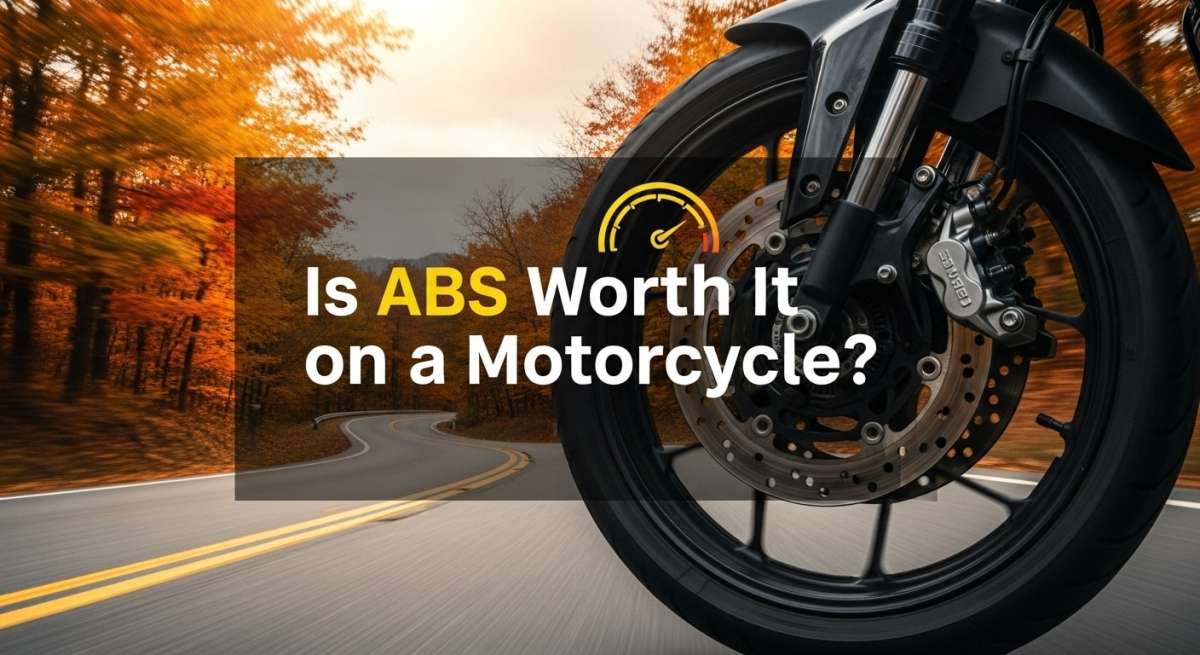
When it comes to riding a motorcycle, safety is likely your top priority. You’ve probably heard about Anti-lock Braking Systems (ABS) and might be wondering, “Is ABS worth it on a motorcycle?”
This question is more than just a passing thought—it’s a crucial decision that could impact your safety on the road. Imagine having the confidence to stop suddenly without the fear of skidding or losing control. That’s the promise of ABS.
But is it really that simple? By understanding the benefits, drawbacks, and real-world effectiveness of ABS, you can make an informed choice that aligns with your riding style and safety needs. Keep reading to uncover the truth about ABS and discover whether it’s a worthy investment for your motorcycle adventures.
Benefits Of Abs On Motorcycles
Motorcycle enthusiasts often debate the value of ABS, or Anti-lock Braking System. It’s a crucial feature in modern motorcycles. ABS enhances safety and boosts rider confidence. Understanding its benefits can help you make informed decisions.
Enhanced Safety Features
ABS prevents wheel lock-up during sudden braking. This feature reduces the risk of skidding. It helps maintain stability in emergencies. Riders have better control in wet or slippery conditions. ABS significantly lowers accident rates.
Improved Braking Control
ABS adjusts brake pressure automatically. It offers smooth and controlled stops. Riders experience less panic during abrupt braking. ABS ensures consistent braking performance. It aids in quick and safe deceleration.
How Abs Works On Two Wheels
ABS, or Anti-lock Braking System, helps prevent wheels from locking during hard braking. It ensures better control and stability. Many riders find ABS worth it for enhanced safety on motorcycles.
Understanding how ABS (Anti-lock Braking System) works on a motorcycle can make all the difference in your riding experience. It’s not just a tech feature; it’s a potential lifesaver. Whether you’re cruising along a scenic route or navigating through city traffic, knowing how this system helps prevent wheel lock-up can boost your confidence on the road. Let’s dive into the mechanics of ABS on two wheels.
Technical Mechanics
ABS on motorcycles is designed to prevent the wheels from locking up during braking. This is crucial because a locked wheel can cause a rider to lose control. The system adjusts the braking pressure to ensure the wheels maintain traction. Imagine riding on a wet road. Without ABS, hitting the brakes could lead to skidding. But with ABS, the system modulates the brake pressure, allowing the wheel to rotate just enough to keep contact with the road. This feature can be particularly beneficial in sudden stop situations. It provides more stability, reducing the chances of a fall.
Sensors And Control Systems
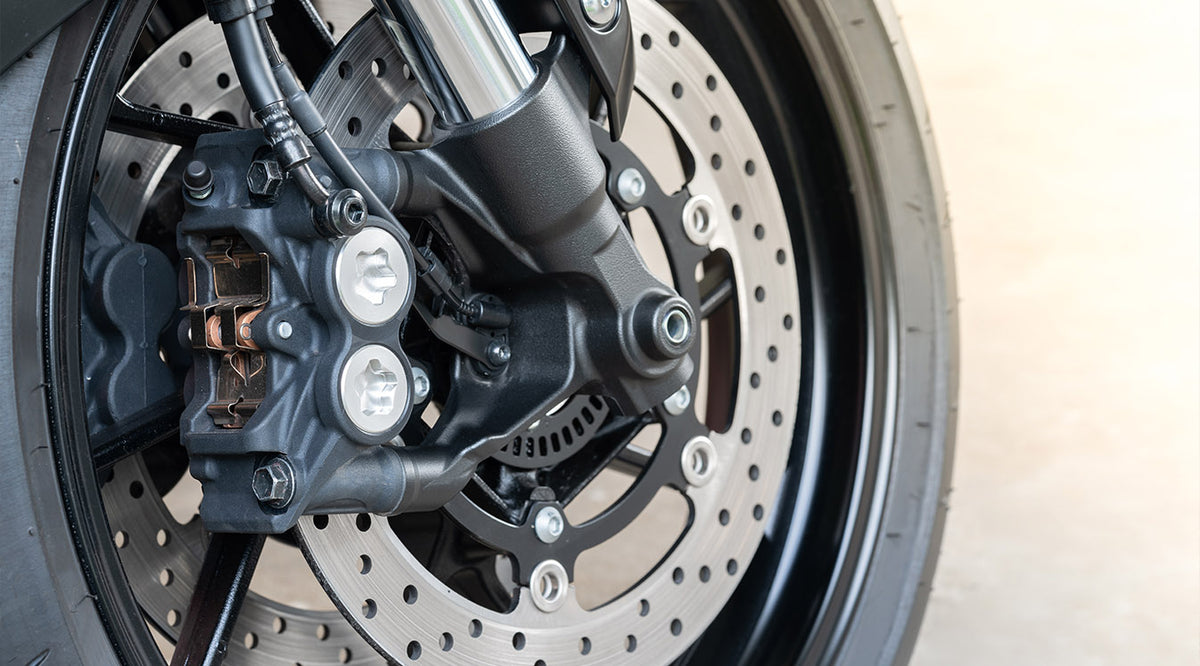
The heart of ABS lies in its sensors and control systems. Each wheel has sensors that monitor speed. These sensors continuously send data to the ABS control unit. When the system detects that a wheel is about to lock, it triggers the ABS control module. The module then adjusts the brake force, releasing and reapplying pressure rapidly. Consider this: you’re approaching a sharp turn and need to brake quickly. The sensors detect the wheel slowing too fast, which could lead to a skid. The control system steps in, ensuring smooth deceleration without losing grip.
This seamless interaction between sensors and the control module helps maintain stability and control. It’s like having an invisible safety net that catches you when things get dicey. Have you ever wondered how you can improve your riding skills? Understanding your bike’s ABS can be a step towards becoming a more confident and safer rider. How do you feel about ABS technology on your motorcycle? Does it change the way you approach your rides?
Comparing Abs With Non-abs Motorcycles
When choosing between ABS and non-ABS motorcycles, the decision often comes down to performance and safety. Understanding these differences can help you decide what’s best for your riding needs. Whether you’re a seasoned rider or a newbie, the choice has implications on your overall experience on the road.
Performance Differences
ABS motorcycles provide a unique advantage in how they handle braking. With ABS, the braking system automatically adjusts to prevent wheel lock-up during sudden stops. This ensures smoother and more controlled braking.
Non-ABS motorcycles, on the other hand, require skilled modulation of the brakes by the rider. This can be thrilling but also risky, especially in emergencies. The lack of automatic adjustments can lead to skidding and loss of control.
Think about your own riding style. Do you prefer the precision of manual braking or the safety net of automatic adjustments? This might be the key to your decision.
Safety Statistics
Studies show that motorcycles equipped with ABS have a significantly lower accident rate compared to their non-ABS counterparts. The Insurance Institute for Highway Safety found that ABS-equipped bikes are 31% less likely to be involved in fatal crashes.
These statistics are compelling. Imagine riding through a rain-soaked street; the ABS system kicks in to provide stability and prevent skidding. This could be the difference between a safe ride home and a trip to the emergency room.
Consider how much you value safety. Are you willing to invest in technology that prioritizes your well-being on the road?
Ultimately, the choice between ABS and non-ABS motorcycles is personal. Your riding habits, comfort level with technology, and safety priorities play a crucial role. Reflect on what matters most to you. Will you choose the thrill of manual control or the assurance of advanced braking technology?
Credit: cardosystems.com
Cost Implications Of Abs
Anti-lock Braking System (ABS) offers significant safety benefits for motorcycles. But what are the cost implications? Understanding the financial aspects of ABS can help riders make informed decisions. This section delves into the initial investment and maintenance expenses associated with ABS.
Initial Investment
Purchasing a motorcycle with ABS often means a higher upfront cost. ABS technology requires advanced components and manufacturing processes. These additions increase the base price of the motorcycle. For budget-conscious riders, this initial investment might seem steep. But the safety benefits can outweigh the costs over time. Riders should consider their budget and safety priorities.
Maintenance Expenses
Maintaining ABS involves regular checks and possible repairs. ABS systems include sensors, valves, and controllers. These parts can wear out or need adjustment. Repairing ABS might be more expensive than traditional brakes. Motorcycle owners should factor in these potential costs. Routine maintenance ensures the system performs well. Investing in professional checks can prevent larger repair bills. Keeping the ABS system in good condition is crucial for safety.
Common Misconceptions About Abs
Anti-lock Braking System (ABS) on motorcycles often sparks debates. Some riders swear by it, while others remain skeptical. Common misconceptions cloud the true benefits of ABS. Understanding these myths is crucial for making informed decisions about motorcycle safety.
Myths Vs. Reality
Many believe ABS is only for beginners. This myth can deter experienced riders from considering it. ABS helps prevent wheel lock-ups during sudden stops. It is useful for riders of all skill levels. Some think ABS is ineffective on gravel or wet roads. In reality, ABS adapts to various surfaces. It improves braking stability, enhancing safety. Another myth suggests ABS reduces rider control. Riders actually gain better control and confidence. The system complements rather than replaces skill.
Impact On Riding Experience
ABS changes the riding experience positively. It offers peace of mind during unpredictable situations. Riders feel more secure in traffic or bad weather. Emergency stops become less daunting with ABS. It allows for smoother braking. Riders focus more on the road and less on fear of skidding. This enhances the overall ride quality. ABS also reduces brake wear. This prolongs the lifespan of brake components. The system supports a safer, more enjoyable ride.

Credit: explore.rumbleon.com
Abs In Different Riding Conditions
When you think about riding a motorcycle, the thrill of the open road often comes to mind. However, safety is just as crucial. Anti-lock Braking Systems (ABS) have become a significant feature for enhancing safety on motorcycles. But how does ABS perform in different riding conditions? Whether you’re navigating through wet roads or tackling challenging off-road paths, understanding how ABS works can make your ride both safer and more enjoyable.
Wet And Slippery Roads
Picture this: you’re cruising along, and suddenly, the sky opens up with a downpour. Wet roads are notorious for reducing traction, making braking a nerve-wracking experience. This is where ABS shines. It prevents your wheels from locking up, allowing you to maintain control.
During a sudden stop on a slippery surface, ABS rapidly pulses the brakes, preventing skidding. This can be a lifesaver when unexpected obstacles appear. Imagine confidently stopping your bike while others slide uncontrollably. Wouldn’t that peace of mind be worth it?
Off-road Terrain
Off-road adventures bring a different set of challenges. Loose gravel and uneven paths can make braking tricky. Here, ABS adjusts to prevent wheel lock, even when the ground beneath is unpredictable.
However, some riders prefer to switch ABS off in off-road conditions to have more control over braking. It’s a personal choice based on experience and preference. Have you ever wondered if your off-road skills are up to the task without ABS?
Each riding condition presents unique challenges. The key is understanding how ABS can assist you in each scenario. Whether on wet roads or rough terrain, ABS offers a level of safety that can enhance your riding experience. So next time you ride, think about how ABS can be your silent guardian on the road.
Future Of Abs Technology
The future of ABS technology on motorcycles looks promising. As technology evolves, ABS systems are becoming more efficient. They are also becoming more affordable. This is good news for riders. With these advancements, safety on the road improves. But what does this mean for the future? Let’s explore.
Innovations And Advancements
ABS technology has seen many innovations. Modern systems adapt better to road conditions. They react faster. This ensures a smoother ride. Some systems now use sensors. These sensors monitor wheel speed. They adjust braking pressure instantly. This reduces skidding. It also increases safety.
Manufacturers are testing new features. One such feature is cornering ABS. This helps riders brake safely in curves. It adjusts the braking force. This reduces accidents in turns. Another advancement is the integration with traction control. This combination offers better control. Especially in slippery conditions.
Potential Industry Changes
The motorcycle industry might change with ABS advancements. More bikes will come with standard ABS. This will not just be for high-end models. Entry-level bikes will also have ABS. This makes safety accessible for all riders.
Regulations might evolve too. Some regions may mandate ABS. This ensures all riders benefit. It could also lead to new training programs. Riders will learn to use ABS effectively. This enhances overall road safety.
The focus on safety might drive new designs. Lighter and more compact ABS systems are possible. This will not affect the bike’s weight. Riders will enjoy improved handling. While staying safe.

Credit: cardosystems.com
Frequently Asked Questions
What Are The Disadvantages Of Abs On A Motorcycle?
ABS can increase maintenance costs due to complexity. It might reduce rider control on loose gravel. Some riders find it less engaging. In rare cases, it may malfunction, affecting braking efficiency. Reduced engine braking can be another drawback. Consider these factors before opting for ABS on your motorcycle.
Is It Better To Have Abs Or No Abs?
ABS is generally better for safety. It prevents wheel lock during braking, enhancing control and reducing stopping distance.
Why Delete Abs On Motorcycle?
Riders may delete ABS on motorcycles for better control in off-road situations. Some prefer a more traditional braking experience. Removing ABS can reduce weight and simplify maintenance. Always consider legal and safety implications before making modifications.
What Are The Downsides Of Abs?
ABS can be costly due to its complex system. It may reduce braking efficiency on loose surfaces. Maintenance requires skilled technicians. Drivers might rely too much on ABS, potentially leading to unsafe driving habits. Some systems can be prone to electronic glitches.
Conclusion
Choosing ABS on a motorcycle is a smart safety decision. ABS helps prevent wheel lock during sudden stops. Riders gain better control and confidence. It can make riding safer on wet roads. For many, the extra cost is worth the peace of mind.
ABS technology continues to improve each year. More manufacturers include it in their models. Consider your riding style and environment. Safety should always be a top priority. Research thoroughly before deciding. Investing in ABS could save lives.

Colin Radner is an automotive enthusiast with a deep passion for cars and welding. With over five years of hands-on experience in welding, Colin brings a unique perspective to the automotive world. His expertise in welding, combined with his love for all things car-related, allows him to write insightful and informative blog posts that resonate with automotive lovers and DIY mechanics alike. When he’s not writing, you can find him working on car repairs, restoring vintage models, or exploring the latest trends in the automotive industry. Colin’s dedication to the craft and his ability to break down complex topics makes him a trusted voice in the automotive blogosphere.