Who Establishes the Motorcycle Safety Training Program?
Have you ever wondered who is responsible for keeping you safe on your motorcycle rides? When you hit the open road, the thrill is undeniable, but so are the risks.
That’s where motorcycle safety training programs come into play, providing essential knowledge and skills to ride safely. But who exactly establishes these programs that ensure your safety and peace of mind? Understanding the roots of these programs can empower you to make informed decisions about your training and riding habits.
Stick around as we dive into the key players behind motorcycle safety training, shedding light on the organizations and experts dedicated to your safety. You’ll be surprised at the depth of commitment and expertise involved, all aimed at making your riding experience both exhilarating and safe.
Key Organizations Behind Motorcycle Safety Training
The Motorcycle Safety Foundation (MSF) and various state departments develop motorcycle safety training programs. These organizations focus on rider safety and awareness. They create courses that teach essential riding skills and safety measures.
When you think about motorcycle safety, you might picture helmets and reflective gear. But who is behind the training programs that ensure riders know how to stay safe on the road? Understanding the key organizations that develop and support these programs can give you a clearer picture of the landscape. Let’s dive into the crucial players working tirelessly to keep motorcyclists safe.
Government Agencies
Government agencies play a significant role in establishing motorcycle safety training programs. The Department of Transportation (DOT) is one of the primary bodies that set the standards for safety programs. They work alongside local state agencies to ensure these programs are accessible and meet the necessary safety requirements. The National Highway Traffic Safety Administration (NHTSA) is another key player. They focus on data collection and analysis to develop guidelines. Their work helps in creating evidence-based strategies for training programs that aim to reduce motorcycle accidents and fatalities.
Non-profit Organizations
Non-profit organizations contribute significantly to motorcycle safety training. Groups like the Motorcycle Safety Foundation (MSF) offer training courses that are often considered the gold standard. Their curriculum is used nationwide, and they provide resources for both new and experienced riders.
These organizations often rely on donations and grants to fund their initiatives. Their mission is to promote motorcycle safety through education, which is often more flexible and innovative than government programs. Have you ever considered taking a course from a non-profit organization?
Industry Associations
Industry associations, including manufacturers and riding clubs, also play a role. They collaborate with government and non-profits to tailor safety programs that fit the needs of the riders. These associations bring a unique perspective as they understand the technical and practical aspects of motorcycles. For example, the American Motorcyclist Association (AMA) advocates for rider safety and provides resources for local training programs.
They also offer a platform for community building, which can enhance the learning experience for riders. Are you part of a riding club that offers safety workshops? By understanding the organizations that create and support these programs, you are better equipped to choose a training course that fits your needs. Whether it’s a government-backed course or one offered by a non-profit, the goal is the same: keeping you safe on the road.
Credit: www.chp.ca.gov
Role Of The Motorcycle Safety Foundation
The Motorcycle Safety Foundation (MSF) plays a key role in establishing motorcycle safety training programs. They design courses to educate riders on safe practices, ensuring a safer riding experience. Through these programs, MSF promotes awareness and skills essential for motorcycle safety.
The Motorcycle Safety Foundation (MSF) plays a vital role in motorcycle safety. Founded in 1973, it provides a framework for safety training. The MSF is a nonprofit organization. It focuses on rider education and training. The foundation collaborates with state governments, agencies, and motorcycle enthusiasts. Its aim is to reduce accidents and enhance road safety.
Training Standards
The Motorcycle Safety Foundation sets high training standards. These standards ensure consistent learning experiences. MSF develops comprehensive curricula for riders. Courses cover essential skills and safety strategies. They include braking, turning, and risk awareness. The foundation updates its standards regularly. This keeps training relevant and effective.
Certification Programs
MSF offers various certification programs. These programs validate instructors and riders’ skills. Certified instructors teach MSF courses. They undergo rigorous training and assessments. Riders receive certification upon course completion. This certification verifies their competence and understanding. The programs aim to improve overall road safety.
State-level Initiatives
State-level initiatives play a crucial role in motorcycle safety training. They ensure consistent standards and accessibility across regions. Each state tailors its approach to the unique needs of its riders.
State Transportation Departments
State transportation departments often lead the charge in safety training. They develop guidelines and curriculum for courses. These departments also allocate funds to support training programs. Their involvement ensures that safety standards are met statewide.
Local Partnerships
Local partnerships enhance the effectiveness of safety programs. State governments collaborate with local organizations. These include schools, community centers, and non-profit groups. Such partnerships help reach more riders in the community.
Local entities often provide facilities and instructors. They also assist in promoting safety initiatives within their areas. This collaboration ensures that training is accessible to all riders.
Private Sector Contributions
The private sector plays a vital role in motorcycle safety training. Key contributors include motorcycle manufacturers and training schools. These organizations develop programs, offer resources, and promote safety standards. Their involvement ensures riders receive quality education and guidance. Let’s explore how each sector contributes to motorcycle safety training.
Motorcycle Manufacturers
Manufacturers have a vested interest in rider safety. They produce bikes with advanced safety features. Their commitment goes beyond product design. Many companies offer rider training courses. These courses focus on safe riding techniques and proper bike handling. Manufacturers also provide educational materials. These resources help riders understand safety standards. Engaging riders with practical advice is their goal.
Training Schools
Training schools are essential for motorcycle safety education. They offer structured courses for new and experienced riders. The curriculum covers basic and advanced riding skills. Schools often collaborate with industry experts. This ensures training is up-to-date and effective. Instructors are experienced riders themselves. They teach the importance of safety gear and riding etiquette. Schools provide a hands-on learning environment. This approach builds confidence and skill in riders.
Funding And Support Mechanisms
Funding and support mechanisms are crucial for motorcycle safety programs. They ensure effective training for all riders. Without proper funding, these programs can’t reach their full potential. Various sources contribute to the financial backbone. Let’s explore the primary funding avenues.
Government Grants
Government grants play a significant role in supporting motorcycle safety training. These grants come from state and federal levels. They help cover essential costs. Training materials, instructor salaries, and facility rentals often rely on this funding. Governments recognize the importance of rider safety. They allocate substantial funds for these programs.
Applications for grants require detailed proposals. Organizations must show their program’s impact. Successful applications often highlight community benefits. Improved road safety and reduced accidents are key points. Many safety programs depend heavily on government grants. They ensure continuity and quality of training.
Private Donations
Private donations offer another funding avenue. Individuals and businesses contribute to safety programs. These donations enhance training resources. They allow programs to expand and improve. Private support can be unpredictable. Yet, it often provides a vital lifeline.
Some donors have a personal connection to motorcycle safety. Others see it as a community responsibility. Businesses sometimes donate as part of their corporate social responsibility. They value the positive impact on their communities. Private donations can fund specific projects within programs. This targeted support can lead to unique training opportunities.
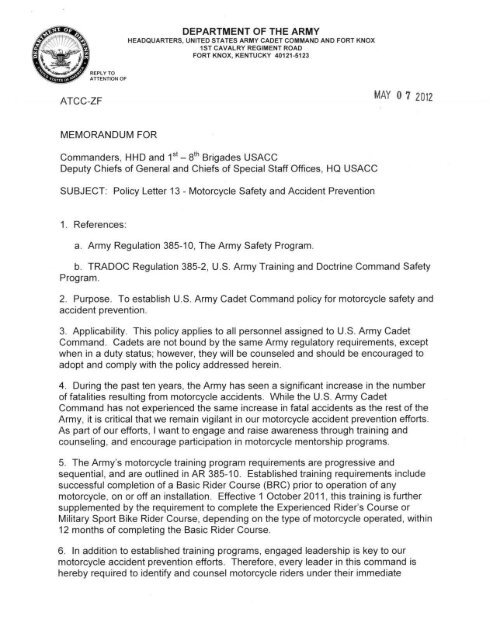
Credit: www.yumpu.com
Impact Of Regulatory Bodies
Regulatory bodies play a crucial role in establishing motorcycle safety training programs. They set guidelines to ensure effective teaching methods and promote rider safety. These organizations collaborate with experts to develop comprehensive courses that enhance skills and knowledge for safe riding practices.
The impact of regulatory bodies on motorcycle safety training programs is significant and multifaceted. These organizations play a crucial role in setting the standards and guidelines that ensure the safety of motorcyclists. They also enforce compliance, providing a structured framework within which training programs operate to maintain high safety levels.
Safety Standards
Regulatory bodies establish safety standards to protect riders on the road. These standards dictate what should be included in training programs. For instance, they ensure that all trainees learn essential skills like emergency braking and obstacle avoidance. These standards are not arbitrary. They are based on real-world data and expert analysis. This ensures that the training is relevant and effective in reducing accidents. When you participate in a program that adheres to these standards, you gain skills that can save your life. It’s not just about passing a test; it’s about preparing you for real-world scenarios.
Compliance Requirements
Compliance requirements ensure that motorcycle training programs meet regulatory standards. This includes everything from instructor qualifications to the facilities used for training. Programs must regularly update their curriculum to remain compliant. This means you receive training that reflects the latest safety practices and road regulations. Failure to comply can result in penalties or loss of certification for the training program. For you, this means choosing a program with a strong track record of compliance is crucial.
Have you ever wondered if the program you’re considering meets these requirements? Checking compliance can give you peace of mind that you’re learning from a credible source. These regulatory bodies are not just faceless organizations. They are your ally in ensuring the training you receive is not only comprehensive but also up-to-date with current safety trends.
Innovations In Training Programs
Innovations in motorcycle safety training programs are transforming rider education. These advancements enhance learning and safety. Modern programs incorporate new strategies and tools. This makes training more effective and engaging for learners.
Technology Integration
Technology plays a crucial role in modern training programs. Virtual reality offers realistic riding simulations. These simulations provide a safe space to practice skills. Riders can experience different scenarios without real-world risks.
Online modules supplement in-person training. They provide flexibility and convenience. Students can access lessons anytime, anywhere. This ensures continuous learning even outside the classroom.
Advanced Riding Techniques
Advanced riding techniques are essential in today’s training programs. They focus on improving rider skills beyond basics. Techniques include advanced braking, cornering, and balance. These skills help riders handle complex situations effectively.
Programs teach defensive riding strategies too. Anticipating hazards and making quick decisions are key aspects. Understanding these techniques enhances rider confidence and safety.
Challenges In Program Establishment
Establishing a motorcycle safety training program is not a simple task. Program developers face various challenges that can affect the program’s success. Understanding these obstacles helps in creating effective training for riders.
Resource Limitations
Limited resources often hinder the development of motorcycle safety programs. Funding is crucial for training materials and hiring skilled instructors. Without adequate resources, it becomes difficult to maintain quality standards. Organizations may struggle to offer comprehensive training sessions. This can impact the overall effectiveness of the program.
Diverse Rider Needs
Motorcycle riders have varied experience levels and learning styles. Some riders are beginners, while others are seasoned professionals. Programs need to cater to these diverse needs. Designing a one-size-fits-all training approach is challenging. Programs must adapt to different learning speeds and styles. This requires flexible teaching methods and personalized instruction. Meeting the diverse needs of riders enhances program effectiveness.
Success Stories And Case Studies
Local governments often establish motorcycle safety training programs. These initiatives aim to reduce accidents and enhance rider skills. Community organizations may also partner to provide resources and support.
Success stories and case studies of motorcycle safety training programs illuminate their impact. These narratives reveal how training initiatives transform communities and save lives. They highlight the dedication of trainers and the commitment of participants. The stories inspire others to engage in safety education. They showcase the effectiveness of structured training models and community involvement. Below, explore how these programs achieve success through effective models and community engagement.
Effective Training Models
Effective training models form the backbone of motorcycle safety programs. These models use practical exercises and real-world scenarios. Participants learn essential skills like defensive driving and hazard awareness. Trainers focus on consistent practice and feedback. This builds confidence and skill in riders. Successful programs incorporate both classroom learning and on-road training. This dual approach ensures riders are prepared for various situations. By utilizing proven methods, training models reduce accident rates. They equip riders with the knowledge to navigate safely.
Community Engagement
Community engagement is crucial for the success of motorcycle safety programs. Involved communities support learning and foster safety culture. Programs often collaborate with local organizations and leaders. They host workshops and events to raise awareness. Community members contribute by sharing experiences and insights. This strengthens the program’s impact and reach. Engaged communities advocate for safer roads. They encourage more riders to participate in training. The collective effort creates a safer environment for everyone. Community involvement enhances the program’s effectiveness and sustainability.

Credit: lawtigers.com
Frequently Asked Questions
Who Establishes The Motorcycle Training Program?
The Department of Motor Vehicles or local government authorities typically establish motorcycle training programs. These programs aim to ensure rider safety and competence. They often partner with accredited training organizations to provide structured courses. Programs follow national safety standards and guidelines to offer comprehensive motorcycle education.
What Is The Purpose Of The Motorcycle Safety Training Program In Georgia?
The motorcycle safety training program in Georgia aims to reduce accidents and improve riders’ skills. It teaches essential safety techniques and promotes responsible riding. Participants learn through hands-on training, helping them navigate diverse road conditions safely. The program enhances awareness, ensuring a safer riding experience for everyone on Georgia’s roads.
What Is The Motorcycle Training Program In California?
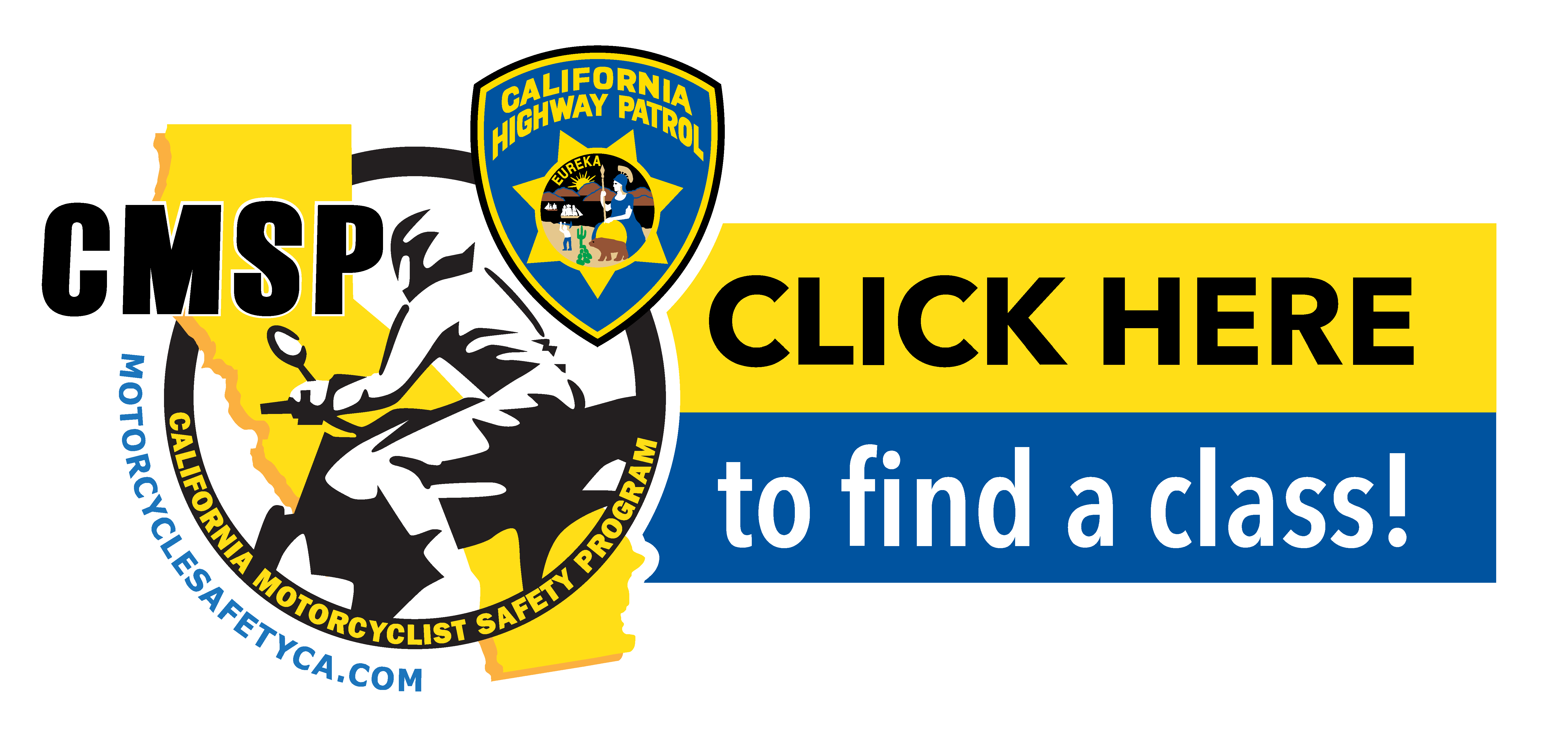
California’s motorcycle training program, the California Motorcyclist Safety Program (CMSP), offers courses for beginner and experienced riders. It aims to improve riding skills and safety. Completion may waive the DMV riding test for a motorcycle license. Courses include classroom instruction and practical riding exercises.
What Is The Florida Motorcycle Safety Program?
The Florida Motorcycle Safety Program provides training and education for motorcyclists to enhance safety. It offers courses for new and experienced riders, focusing on skills and road awareness. Completion may be required for motorcycle licensing in Florida. The program aims to reduce accidents and promote safe riding practices.
Conclusion
Motorcycle safety programs are vital for rider education. They save lives. Government agencies, non-profits, and experts work together. They create rules and guidelines. These ensure safety and uniformity. Training programs teach essential skills. Riders learn how to handle emergencies. They understand road rules better.
This reduces accidents. Being informed helps riders make safe choices. Always check local programs. They offer valuable resources and support. Remember, safety is everyone’s responsibility. Engaging in these programs can make a difference. Stay safe on the road. Enjoy the ride responsibly.

Colin Radner is an automotive enthusiast with a deep passion for cars and welding. With over five years of hands-on experience in welding, Colin brings a unique perspective to the automotive world. His expertise in welding, combined with his love for all things car-related, allows him to write insightful and informative blog posts that resonate with automotive lovers and DIY mechanics alike. When he’s not writing, you can find him working on car repairs, restoring vintage models, or exploring the latest trends in the automotive industry. Colin’s dedication to the craft and his ability to break down complex topics makes him a trusted voice in the automotive blogosphere.