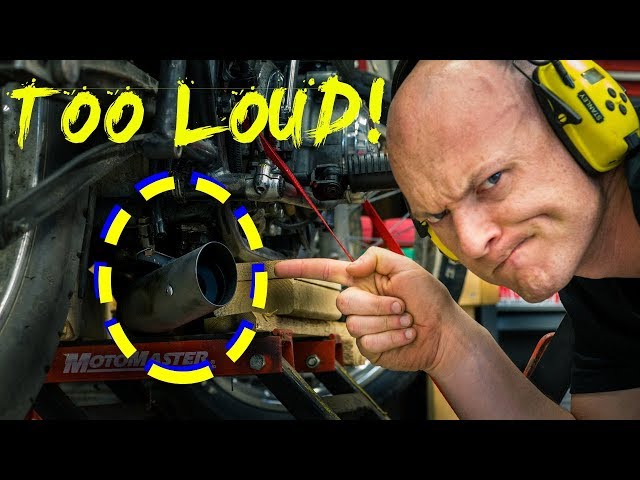
How to Make a Motorcycle Quieter: Expert Tips
Do you love the thrill of riding your motorcycle but wish it was a bit quieter? You’re not alone.
Many motorcycle enthusiasts enjoy the freedom and excitement that comes with riding, but sometimes the noise can be overwhelming. Whether you want to reduce the noise for your own comfort, to be a considerate neighbor, or to comply with local noise regulations, making your motorcycle quieter is achievable.
Imagine gliding down the road, enjoying the ride without the roaring sound in your ears. In this guide, we’ll show you exactly how you can achieve a quieter ride. You’ll discover simple, effective methods that can make a significant difference in your riding experience. So, if you’re ready to enjoy a more peaceful journey on your motorcycle, keep reading to find out how.
Credit: bikesfuture.com
Assess Noise Levels
Before diving into solutions on how to make your motorcycle quieter, it’s essential to assess the noise levels accurately. Understanding the source and intensity of the noise will help you target the problem more effectively. This step is crucial not only for your comfort but also for staying within legal noise limits and being a considerate rider in your community.
Identify Noise Sources
Your motorcycle might be producing noise from several areas, and identifying these sources is the first step. Start by listening carefully to your bike when it’s running. Is the noise coming from the exhaust, engine, or maybe the chain?
Walk around your bike and pay attention to different components. Sometimes even a loose part can create more noise than you realize. A friend once found that the constant rattle he heard was simply a loose heat shield.
Think about the last time you noticed a change in the noise level. Did you recently modify any parts? New exhaust systems or aftermarket parts can often be culprits.
Measure Decibel Levels
Once you’ve pinpointed where the noise is coming from, it’s time to measure how loud it is. A decibel (dB) meter can help you get an accurate reading. These meters are quite affordable and can even be found as apps on your smartphone.
Stand at a safe distance from your bike, usually about 3 feet, and measure the noise level at idle and when revved. Take note of these numbers. Most areas have legal noise limits, often around 80-85 dB, so it’s good to know where your bike stands.
Compare your readings to these limits. Are you over? If so, it’s time to take action. This data will guide you in choosing the right modifications to reduce noise effectively.
Have you ever thought about how your bike’s noise level compares to others? Measuring decibel levels not only helps you stay legal but also offers peace of mind. Plus, knowing your numbers can help you track improvements as you make changes.

Credit: www.youtube.com
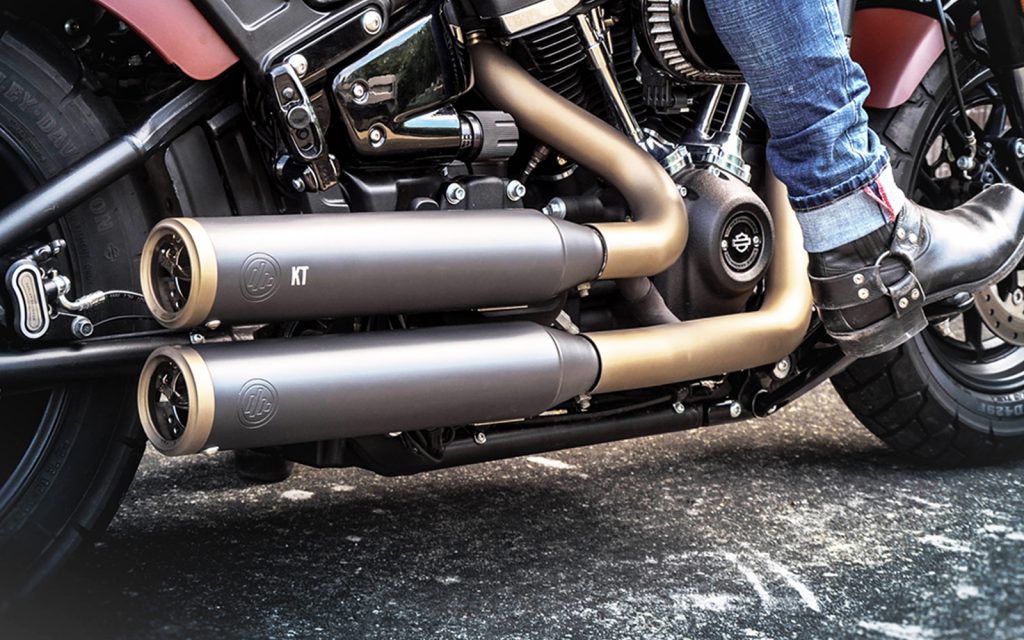
Use High-quality Mufflers
Want a quieter ride? High-quality mufflers can help. They reduce noise significantly. The material and design play a big role. Quality mufflers use better materials. They last longer and perform better.
These mufflers offer advanced technology. They dampen sound effectively. This makes them ideal for noise reduction. The right choice can transform your riding experience.
Choose The Right Muffler
Picking the right muffler is crucial. Each model has unique features. Some focus on sound reduction. Others prioritize performance. Consider your needs first. Think about your budget too.
Research different brands. Read reviews from other riders. Check compatibility with your bike. A good fit ensures optimal results. Don’t rush this decision.
Installation Tips
Proper installation makes a big difference. Follow the instructions carefully. Ensure all parts are secure. Tighten bolts and brackets well. Check for any leaks afterwards.
Seek professional help if unsure. Experts ensure the installation is correct. They spot issues early. This saves time and trouble. Proper installation maximizes noise reduction.
Install Sound-absorbing Materials
Making your motorcycle quieter is a task that demands attention to detail and practical solutions. One effective method is to install sound-absorbing materials. These materials help reduce noise by dampening the vibrations and blocking the sound waves. You might be wondering how this can be done effectively. Let’s delve into the types of materials you can use and their placement for maximum effect.
Types Of Materials
Choosing the right sound-absorbing materials can make a significant difference in noise reduction. Foam padding is a popular choice. It’s lightweight and easy to cut, allowing for customization in tight spots. Another option is sound-deadening mats, often made from rubber or asphalt-based products. They are durable and provide excellent insulation. You might also consider using fiberglass or acoustic panels, which are highly effective in absorbing sound.
Think about what materials suit your bike and budget. Are you looking for something easy to install, or are you ready to invest a bit more for better results? Each type offers unique benefits, and deciding between them requires considering your specific needs.
Placement For Maximum Effect
Strategic placement is crucial when aiming to reduce noise efficiently. Start by identifying the primary sources of noise on your motorcycle. The exhaust system is often the loudest component, so wrapping it with sound-absorbing materials can significantly reduce noise. Consider lining the inside of the fairings and panels. These areas can amplify sound, and insulating them can help.
Think about areas that are often overlooked. The frame and engine compartment can also contribute to noise. Adding sound-deadening materials here can further dampen vibrations. Have you thought about how these placements might transform your riding experience? Effective placement can lead to a noticeable difference, making your rides more enjoyable.
Do you have a story where you tackled a noisy bike? It’s not just about comfort; it’s about enhancing your connection with the road. Remember, the goal is to enjoy the ride without the roar. Prioritize these areas, and you’ll find your motorcycle humming along quietly, letting you focus on the thrill of the journey rather than the noise.
Regular Maintenance
Regular maintenance keeps your motorcycle quieter. Clean the exhaust system to reduce noise. Replace worn-out parts and tighten loose bolts for a peaceful ride.
Making your motorcycle quieter can significantly enhance your riding experience, especially if you enjoy long rides or live in a noise-sensitive area. Regular maintenance plays a crucial role in this. By keeping your bike in tip-top shape, you can minimize noise effectively. Let’s dive into some practical steps you can take during regular check-ups to ensure your bike purrs rather than roars.Check For Exhaust Leaks
Exhaust leaks are a common culprit for increased motorcycle noise. These leaks can occur in the exhaust system, causing loud and unpleasant sounds. Regularly inspect your exhaust system for any signs of wear or damage. Look for cracks, holes, or loose fittings. Replace any damaged parts promptly to maintain optimal performance. A well-sealed exhaust system not only reduces noise but also improves your bike’s efficiency.Inspect Engine Components
The engine is the heart of your motorcycle, and any issues here can lead to increased noise. During maintenance, check for worn-out parts or loose components in the engine. Pay attention to the valves and cam chain tensioner. These parts can wear over time, leading to rattling noises. Consider your own experiences: Have you ever noticed a change in noise level and wondered what was wrong? It might have been a loose or worn engine component. Keeping these parts in good condition helps ensure a quieter ride. Regular maintenance isn’t just about keeping your motorcycle quiet; it’s about preserving your bike’s overall health. Are there any maintenance practices you have found useful in reducing noise? Share your insights and keep the conversation going!Upgrade Exhaust System
Upgrading the exhaust system can help reduce motorcycle noise. Selecting a quieter muffler or adding noise-dampening materials lowers sound levels. Regular maintenance also ensures the exhaust system operates quietly and efficiently.
Upgrading your motorcycle’s exhaust system can significantly reduce noise levels. The factory exhaust systems often prioritize performance over sound control. A quieter ride can enhance the riding experience. By choosing the right exhaust upgrade, you can enjoy a peaceful journey. This section explores aftermarket exhaust options and the benefits of a new system.Aftermarket Exhaust Options
Aftermarket exhaust systems offer various choices for noise reduction. These systems are designed to minimize engine sounds effectively. Brands like Akrapovic and Yoshimura provide quieter alternatives. They focus on reducing decibel levels without sacrificing performance. Stainless steel materials can dampen vibrations. Titanium options are lightweight and durable. Consider your budget and desired noise level. Some systems provide adjustable sound controls. This allows for customization based on your preferences.Benefits Of A New System
A new exhaust system can offer several advantages. Quieter rides make communication easier with passengers. It reduces noise pollution in urban areas. Improved exhaust flow can enhance engine performance. Better fuel efficiency is often a bonus. Aesthetically, aftermarket systems can improve your bike’s look. Enhanced durability ensures long-term benefits. Investing in a quality system can reduce maintenance costs. Enjoy a quieter ride with added peace of mind.Consider Engine Modifications
Engine modifications can help reduce motorcycle noise. Adjusting the exhaust system or installing a quieter muffler can significantly lower sound levels. These changes not only make rides more pleasant but also help in complying with noise regulations.
When you’re on the road, the roaring sound of your motorcycle can be exhilarating. But sometimes, the noise becomes too much, not just for you but for everyone around. If you’ve ever found yourself wishing for a quieter ride, considering engine modifications might be the solution. With a few adjustments, you can significantly reduce your bike’s noise without sacrificing performance. Let’s dive into some practical engine modifications that can help you achieve a quieter ride.Tuning And Adjustments
To start, fine-tuning your engine can make a noticeable difference in noise levels. Adjusting the timing of your engine can ensure that it runs smoothly, reducing unnecessary noise. Carburetor adjustments might also be needed, especially if your bike is running too rich or too lean. Have you ever noticed how a well-tuned engine purrs rather than roars? This is because the engine is operating efficiently, without the extra noise caused by misfires or rough idling. Think of your engine as a musical instrument—it needs to be in tune to sound its best. Regular maintenance and precise tuning can transform your riding experience.Impact On Noise Levels
Engine modifications can have a profound impact on noise levels. Simple changes, like swapping out noisy components for quieter alternatives, can help. For example, high-performance air filters or intake systems often generate less noise while boosting performance. Have you considered the noise that comes from vibrations? You can reduce this by using quality engine mounts or dampeners. Such modifications are not only about reducing noise but also about enhancing comfort during your ride. Wouldn’t you prefer a smooth and quiet journey over a loud and jarring one? Taking the time to understand and modify your engine can lead to a more enjoyable and quieter ride. Have you explored these options yet? Making your motorcycle quieter doesn’t mean you have to give up the thrill of the ride; it simply means you’re choosing a more harmonious way to enjoy it.Use Noise-reducing Accessories
Want to enjoy a quieter motorcycle ride? Noise-reducing accessories can help. These tools and gear minimize sound. They make your ride more enjoyable and peaceful. Explore different options and find what suits your needs best.
Windshields And Fairings
Windshields and fairings can significantly reduce noise. They shield you from the wind. Less wind means less noise. These accessories deflect air away from you. They also improve aerodynamics. This can make your ride smoother and quieter. Choose a windshield that fits your bike. Ensure it’s made of high-quality material.
Noise-canceling Helmets
Noise-canceling helmets block out unwanted sounds. They use advanced technology to reduce noise. These helmets have special padding. The padding absorbs noise and vibrations. This makes your ride quieter and more comfortable. Choose a helmet that fits well. A snug fit enhances noise cancellation.
Legal Considerations
Riding a motorcycle brings freedom and excitement. But excessive noise can lead to legal troubles. Understanding the laws is crucial for every rider. Noise regulations vary greatly by region. Some areas have stricter rules than others. Staying informed helps avoid fines and penalties.
Understand Noise Regulations
Noise regulations dictate how loud a motorcycle can be. These laws aim to reduce disturbances in communities. Riders should check local laws before making modifications. Some regions have specific decibel limits for motorcycles. Meeting these limits ensures compliance and peace of mind. The penalty for noise violations can be significant.
Compliance Strategies
There are ways to make your motorcycle quieter legally. Consider installing a noise-reducing exhaust system. These systems can lower sound levels without affecting performance. Regular maintenance also helps keep noise levels down. Inspect mufflers and exhaust pipes for damage or wear. Replace worn-out parts to ensure your motorcycle runs quietly. Consult a mechanic for advice on noise reduction options.

Credit: www.reddit.com
Frequently Asked Questions
Is There A Way To Make A Motorcycle Quieter?
Install a quieter exhaust system to reduce motorcycle noise. Use exhaust wraps to dampen sound further. Regular maintenance, like tightening loose components, can minimize noise. Consider using high-quality earplugs for personal noise reduction.
How Do I Reduce The Noise In My Motorcycle Engine?
Regularly check and tighten loose parts. Use high-quality motor oil and maintain correct oil levels. Inspect and replace worn-out engine components. Install sound-dampening materials or covers. Ensure exhaust system is properly fitted and not leaking. Regular maintenance reduces engine noise effectively.
How To Reduce Exhaust Sound In A Bike?
Install a quality muffler to reduce noise effectively. Use exhaust wraps for sound absorption. Maintain your exhaust system regularly for optimal performance. Choose a quieter aftermarket exhaust designed for noise reduction. Consider adding a noise-reducing insert or silencer to the exhaust tip.
How To Make Your Bike Silent?
Tighten loose components and lubricate the chain to reduce noise. Replace worn parts like brake pads and bearings. Use rubber or foam tape on contact points to dampen vibrations. Regular maintenance helps keep your bike silent.
Conclusion
Quieting your motorcycle is simpler than you think. Start with basic maintenance. Keep your engine and exhaust in good shape. Consider adding a muffler or baffle. These tools reduce noise effectively. Soundproofing materials help too. They can absorb unwanted vibrations.
Check local regulations before making changes. Some places have noise laws. Always prioritize safety and legal compliance. Enjoy a peaceful ride without disturbing others. A quiet motorcycle is a joy to ride and hear. Follow these tips for a smoother, quieter experience.
Your ears, and your neighbors, will thank you.

Colin Radner is an automotive enthusiast with a deep passion for cars and welding. With over five years of hands-on experience in welding, Colin brings a unique perspective to the automotive world. His expertise in welding, combined with his love for all things car-related, allows him to write insightful and informative blog posts that resonate with automotive lovers and DIY mechanics alike. When he’s not writing, you can find him working on car repairs, restoring vintage models, or exploring the latest trends in the automotive industry. Colin’s dedication to the craft and his ability to break down complex topics makes him a trusted voice in the automotive blogosphere.