Is 20 Mph Fast for a Scooter? Unveiling the Truth
Have you ever wondered if 20 mph is a fast speed for a scooter? It’s a question that might pop into your mind as you consider zipping through city streets or cruising along scenic bike paths.
Imagine feeling the breeze on your face and the thrill of the ride, but at the same time, you might be thinking about safety and efficiency. We’ll dive into what 20 mph really means for your scooter adventures. You’ll discover whether this speed is just right for your needs or if you should be looking for something faster.
Stick around to find out how 20 mph compares to other speeds and what it means for your daily commute or weekend explorations. Let’s ensure your scooter ride is as fun and safe as possible!
The Basics Of Scooter Speeds
Understanding scooter speeds is essential for both enthusiasts and beginners. Scooters offer a convenient mode of transport. They vary greatly in speed capabilities. Some scooters are designed for leisurely rides. Others cater to thrill-seekers who crave speed. Knowing what to expect from your scooter is key. This helps ensure safe and enjoyable rides.
The Importance Of Speed
Speed is a crucial factor for scooter users. It affects how scooters are used in daily life. Faster scooters can make longer commutes easier. Slow scooters are ideal for short, relaxed rides. Speed also impacts safety, especially in busy areas. Understanding your scooter’s speed can enhance your experience.
Understanding Scooter Speed Ratings
Scooter speeds are measured in miles per hour (mph). Manufacturers specify the top speed each scooter can reach. This helps users choose the right scooter for their needs. Some scooters are built for high speeds. Others focus on stability and comfort at lower speeds. Make sure to check your scooter’s speed rating.
Average Scooter Speeds
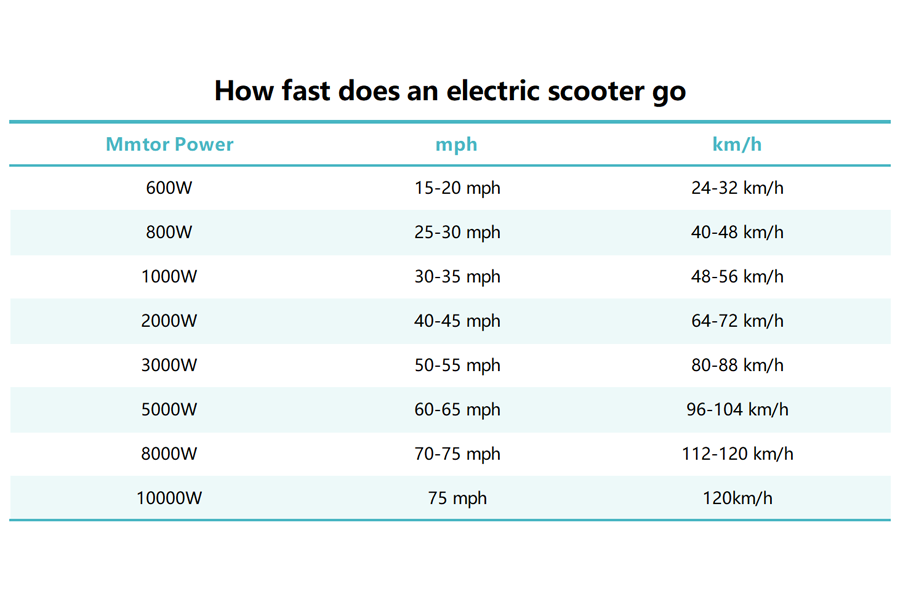
Most scooters have average speeds between 15 to 20 mph. This range is suitable for urban travel and leisure rides. High-speed scooters can exceed 30 mph. These are often used by experienced riders. Low-speed scooters are perfect for beginners and children. Always consider the purpose of your scooter when evaluating speed.
Speed Vs. Battery Life
High speeds can impact battery life significantly. Faster scooters tend to consume more energy. This reduces the distance you can travel on a single charge. Balancing speed and battery life is essential for efficient use. Consider how far you need to travel. Choose a scooter that offers optimal speed and battery performance.
Safety At Different Speeds
Safety is crucial at any scooter speed. High speeds require more caution and skill. Riders should be aware of surroundings and obstacles. At lower speeds, handling is easier and safer. Always wear protective gear, regardless of speed. Ensure your scooter is well-maintained for safe rides.
Comparing Scooter And Bicycle Speeds
Comparing scooter and bicycle speeds reveals interesting insights. Each has unique benefits and challenges. Scooters have gained popularity for short commutes. Bicycles are a favorite for exercise and longer rides.
Speed Differences: Scooters Vs. Bicycles
Scooters often have a top speed of 20 mph. This speed is suitable for urban areas. Bicycles can reach similar speeds with effort. Some cyclists can pedal faster, but it requires stamina.
Effort And Energy Consumption
Riding a scooter requires less physical effort. It’s electric, so energy consumption is minimal. Bicycles need pedal power. This means more physical exertion for the rider.
Environmental Impact
Scooters produce less pollution. They’re electric, emitting no exhaust. Bicycles are even more eco-friendly. They rely entirely on human power.
Safety Considerations
Safety varies between scooters and bicycles. Scooters need balance at high speeds. Bicycles require focus, especially in traffic. Helmets are vital for both riders.
Urban Mobility And Convenience
Scooters are compact and easy to store. They fit well in crowded urban spaces. Bicycles can navigate narrow paths. Both offer great alternatives to cars.
Factors Influencing Scooter Speed
Scooter speed varies due to factors like motor power, rider weight, and terrain. Achieving 20 mph on a scooter can feel swift, especially in urban areas. Riders often find this speed suitable for daily commutes, balancing efficiency and safety.
Factors influencing scooter speed vary significantly. Understanding them helps in making informed decisions. Speed can be exciting, but knowing what affects it is crucial. Below are essential elements that determine how fast your scooter can go.Motor Power
Motor power directly impacts scooter speed. Higher wattage means more speed. Scooters with 250 watts are slower than 500-watt models. A powerful motor accelerates quickly and handles inclines better. Always check motor specifications before buying.Rider Weight
Rider weight affects scooter performance. Heavier riders may experience slower speeds. Lightweight riders often reach top speeds easily. Weight distribution also matters. Proper balance enhances speed and stability. Consider weight limits for optimal performance.Terrain And Surface
Terrain and surface impact scooter speed significantly. Smooth pavements allow faster rides. Rough or uneven surfaces slow scooters down. Inclines demand more motor power. Flat surfaces enable higher speeds. Knowing terrain helps in selecting the right scooter.Safety Considerations At 20 Mph
Riding a scooter at 20 mph can feel exhilarating. Yet, safety becomes a priority at this speed. Knowing how to protect yourself, manage braking, and stay alert in traffic is crucial.
Protective Gear
Wearing the right gear is vital. A helmet protects your head in case of falls. Gloves help maintain a firm grip and shield your hands. Elbow and knee pads reduce injury risk. Bright clothing ensures visibility to drivers.
Brake Efficiency
Efficient brakes are essential at 20 mph. Test your brakes regularly to ensure they work well. Disc brakes offer stronger stopping power. Maintain brake pads for optimal performance. Practice emergency stopping to handle sudden situations.
Traffic Awareness
Staying aware of traffic keeps you safe. Watch for cars and pedestrians at all times. Understand traffic signals and signs to avoid accidents. Keep a safe distance from other vehicles. Use mirrors to see behind you.
Legal Speed Limits For Scooters
Understanding the legal speed limits for scooters is crucial for riders. It ensures safety and compliance with the law. Different regions have specific regulations for scooter speeds. Knowing these can help avoid fines and accidents.
Regulations By Region
Each region has distinct rules for scooter speed limits. In some areas, scooters are limited to 15 mph. Others may allow speeds up to 25 mph. Local laws dictate how fast scooters can go. It’s important to check regional guidelines before riding.
Urban Vs. Rural Areas
Speed limits often vary between urban and rural settings. In cities, the limit might be lower due to traffic density. Crowded streets call for slower speeds. Rural areas might allow faster speeds. Open roads can accommodate higher limits. Riders should adapt to their surroundings.

Credit: naveetech.us
Performance Expectations At 20 Mph
When riding a scooter at 20 mph, understanding performance expectations is vital. This speed offers a balance between thrill and control. It’s essential for riders to know how their scooter performs at this pace. Let’s explore key areas like battery life, handling, and comfort.
Battery Life
Battery life is crucial for scooters at 20 mph. At this speed, scooters consume more power. This can reduce the overall battery duration. Riders should check their scooter’s battery specifications. Knowing the range helps plan trips and avoid unexpected stops. Some scooters have energy-saving modes. These modes can extend battery life. It’s wise to charge the scooter fully before long rides.
Handling And Stability
Handling and stability are important for safety at 20 mph. Scooters need sturdy frames and good suspension. This helps maintain balance on various terrains. At higher speeds, scooters might wobble. Quality tires and proper alignment can reduce this risk. Riders should practice steering control. This builds confidence and ensures smoother rides.
Ride Comfort
Ride comfort enhances the scooter experience at 20 mph. Comfortable seats and handlebars reduce fatigue. Smooth rides depend on good shock absorption. Riders should wear appropriate gear for added comfort. Helmets and gloves provide safety and ease. Adjusting the scooter to fit your height can improve comfort. Ensure the scooter’s settings match your preferences.
Public Perception Of Scooter Speeds
Public perception varies on scooter speeds, with 20 mph often considered fast. For some, this speed feels adventurous and efficient for city commutes. Others might find it intimidating, especially in crowded areas.
Public perception of scooter speeds can vary widely. Some see scooters as a fun and eco-friendly mode of transportation, while others may view them as potential hazards on the road. Understanding how people perceive scooter speeds, especially at 20 mph, is key to evaluating their acceptance in urban environments.Understanding The Public’s Viewpoint
Many people associate scooters with leisurely rides, often imagining them cruising at a relaxed pace. When they hear a scooter can reach 20 mph, it can be surprising. This speed challenges the stereotype of scooters as slow-moving vehicles.Safety Concerns At 20 Mph
Safety is a major concern for both riders and pedestrians. At 20 mph, a scooter moves fast enough to cause serious injury in a collision. People often worry about riders’ ability to control scooters at this speed, especially in crowded areas.Comparing Scooter Speeds To Other Modes Of Transport
Consider this: 20 mph is comparable to a leisurely bicycle ride. It’s also faster than the average jogging speed. This comparison can help you better gauge whether scooters are too fast or just right for city commuting.The Element Of Surprise
Have you ever been caught off guard by a fast-moving scooter zipping by? This unexpected speed can startle pedestrians, leading to negative perceptions. It raises the question: Are cities ready for scooters that can maintain such speeds?Influence Of Media And Social Narratives
Media often highlights scooter accidents, which can skew public perception. Negative stories can overshadow the benefits of scooters, like reducing traffic congestion. This influence shapes opinions, sometimes making 20 mph seem dangerously fast.Personal Experience And Adaptation
Remember the first time you saw or rode a scooter? Your initial reaction might have been skepticism or curiosity. Personal experiences play a significant role in shaping how we perceive speed. Reflecting on these experiences can change your perspective on whether 20 mph is too fast. How do you feel when you see a scooter zooming by at 20 mph? Does it seem too fast, or just right for the modern urban landscape? Your opinion might just be the key to understanding the broader public perception.
Credit: turboant.com
The Future Of Scooter Speed Regulations
Scooter speed regulations are evolving with technology. Many wonder if 20 mph is fast for scooters. This speed can feel quick in crowded areas, influencing safety and control.
The evolution of scooter speed regulations is a topic gaining traction as scooters become a staple in urban mobility. With more people opting for these eco-friendly rides, the question of how fast is too fast is pressing. As cities adapt to this transportation trend, the future of speed limits on scooters is both a public safety and policy concern.The Need For Speed Regulations
Cities around the world are grappling with how to manage scooter speed without stifling innovation. A 20 mph scooter might feel exhilarating, but it can also pose risks, especially in crowded urban areas. Imagine zipping through a busy street at 20 mph with pedestrians, cyclists, and cars all vying for space. The potential for accidents is significant. Regulating speed helps ensure safety for everyone. It’s not just about the rider’s safety but also pedestrians who share the sidewalks and streets. Cities like San Francisco and Paris have already started implementing speed limits for e-scooters to prevent accidents and ensure harmony on the roads.Balancing Innovation And Safety
You might wonder if strict speed regulations could hinder technological advancements in scooter design. Many manufacturers are pushing the envelope, creating scooters capable of higher speeds. However, balancing innovation with safety is crucial. Consider the tech industry. Companies constantly innovate, but regulations ensure that these innovations don’t compromise user safety. Similarly, scooter companies can focus on safety features alongside speed, like better braking systems or stability controls.Community Involvement In Regulation Setting
Have you ever thought about how your voice can influence local transportation policies? Community involvement plays a key role in shaping speed regulations. Public consultations and feedback sessions allow you to voice your concerns and suggestions. Engaging with local councils or transportation authorities can lead to regulations that reflect the needs of the community. After all, who knows your neighborhood’s traffic patterns better than you do?The Role Of Technology In Enforcing Speed Limits
Technology is pivotal in enforcing scooter speed regulations. GPS and geo-fencing can automatically reduce scooter speeds in high-risk areas like schools or pedestrian zones. Imagine scooters that slow down automatically when entering a busy market or pedestrian-heavy area. This tech-driven approach ensures compliance without relying solely on user discretion. It’s a win-win for safety advocates and tech enthusiasts alike.Potential Benefits Of Speed Regulations
Speed regulations can improve the perception of scooters as a reliable and safe mode of transport. When people feel safe, they are more likely to adopt scooters for their daily commutes. This shift can lead to reduced traffic congestion and lower carbon emissions. Moreover, a well-regulated scooter network can boost local economies by encouraging more foot traffic in commercial areas. Businesses benefit when potential customers feel safe using scooters to reach their destinations. Are you ready to participate in the conversation about scooter speeds in your city? Your input could shape the future of urban mobility.
Credit: www.walmart.com
Frequently Asked Questions
Is 20 Mph For A Scooter Fast?
Yes, 20 mph is considered fast for a scooter. Most scooters average between 15-18 mph. Riding at 20 mph offers a thrilling experience and quicker travel. Ensure safety by wearing protective gear and following local speed regulations.
Is 20 Miles Good For A Scooter?
A 20-mile range is decent for a scooter, ideal for short commutes and city rides. Ensure the battery is well-maintained for optimal performance. It’s a practical choice for daily use, reducing the need for frequent charging. Always consider your specific travel needs when evaluating range.
What Is Considered A Fast Scooter?
A fast scooter typically exceeds speeds of 30 mph (48 km/h). Performance models can reach up to 60 mph (97 km/h). These scooters offer quick acceleration, efficient handling, and robust battery life for longer journeys. Always check local regulations for scooter speed limits before riding.
How Old Do You Have To Be To Ride A 20 Mph Scooter?
You must be at least 16 years old to legally ride a 20 mph scooter. Age requirements can vary by location, so always check local laws and regulations for specific rules. Safety gear, including helmets, is often mandatory for riders.
Always prioritize safety when riding.
Conclusion
Scooter speeds vary based on needs and preferences. Some riders find 20 mph fast. Others may prefer slower speeds for safety. Choosing the right speed depends on your comfort level. Consider road conditions and traffic. Always prioritize safety while riding.
Wear a helmet for protection. Follow local rules to avoid fines. Enjoy the ride while being cautious. Scooters offer a fun way to travel. They are convenient for short distances. Explore your surroundings at a pace you enjoy. Keep safety in mind for a pleasant experience.

Ethan Montgomery is the administrator of carweldhub.com and an expert in the automotive industry. With hands-on experience in welding and a deep understanding of automotive parts and accessories, Ethan brings a wealth of practical knowledge to his work. His passion for the automotive field extends to blog writing and editing, where he shares valuable insights and tips with enthusiasts and professionals alike. Whether you’re looking for detailed technical advice or the latest trends in automotive technology, Ethan’s expertise makes him a trusted resource in the automotive community.