How to Spell Bicycle in Spanish: Quick Guide
Are you ready to expand your language skills and impress your friends with your Spanish knowledge? One simple yet effective way to start is by learning how to spell everyday words in Spanish.
Let’s take the word “bicycle” for example. Understanding how to spell “bicycle” in Spanish not only boosts your vocabulary but also gives you a taste of the language’s unique charm. Plus, it’s a fun and easy way to enhance your communication skills.
Stick around as we unravel this Spanish spelling mystery and explore the fascinating world of language learning. You’ll be amazed at how quickly you can pick up new words and impress everyone around you!

Credit: www.amazon.com
Spanish Word For Bicycle
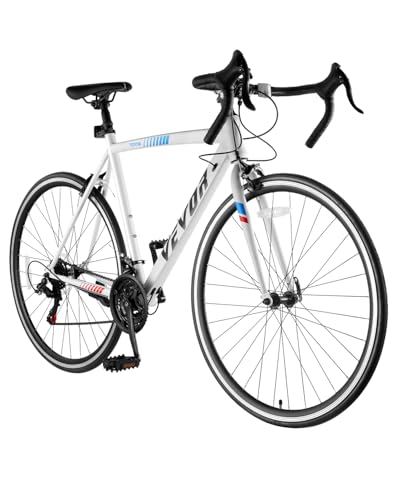
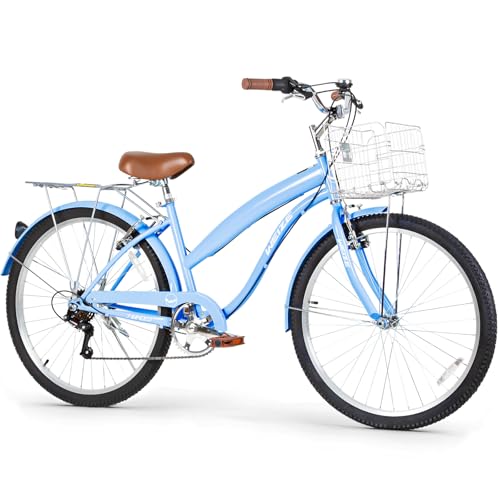
The word for bicycle in Spanish is “bicicleta.” Knowing this term can enhance your travel experiences in Spanish-speaking countries. Understanding basic vocabulary helps in day-to-day interactions, whether you are renting a bicycle or discussing transportation.
Spanish Word For Bicycle: Bicicleta
“Bicicleta” is the direct translation of bicycle in Spanish. It is a feminine noun. This word is easy to pronounce and remember. Learning it can make communication smoother.
Pronunciation Guide For Bicicleta
The word “bicicleta” is pronounced as bee-see-KLEH-tah. Break it down into simple syllables. Practice saying it slowly to get the accent right.
Using Bicicleta In Sentences
To use “bicicleta” in a sentence, start with simple phrases. For example, “Quiero alquilar una bicicleta” means “I want to rent a bicycle.” Practicing these phrases helps in real-life conversations.
Interesting Facts About Bicicletas In Spanish Culture
Bicycles, or bicicletas, play a role in Spanish culture. Many cities have dedicated lanes for bicicletas. They are popular for commuting and leisure rides. Understanding this context can enrich your cultural experience.
Pronunciation Tips
Learn how to spell “bicycle” in Spanish with these easy pronunciation tips. The Spanish word is “bicicleta. ” Focus on pronouncing each syllable: “bee-see-cleh-tah. ” Practice slowly to master the sounds.
Pronunciation Tips for the Spanish Word “Bicicleta” Learning how to pronounce words in a new language can be both exciting and challenging. When you’re trying to say “bicycle” in Spanish, which is “bicicleta,” it’s essential to get the pronunciation right to be understood clearly. Let’s dive into some practical tips to help you pronounce “bicicleta” like a native speaker.Break It Down: Syllable By Syllable
Understanding the syllables of “bicicleta” can make pronunciation simpler. The word is divided into four syllables: bi-ci-cle-ta. Focus on each syllable. Start with “bi,” pronounced as “bee.” The “ci” sounds like “see.” The “cle” is pronounced “clay.” Finally, “ta” sounds like “tah.”Stress The Right Syllable
In Spanish, the stress usually falls on the second-to-last syllable. For “bicicleta,” emphasize the “cle” part. Say it out loud: bee-see-CLAY-tah. Notice how the word flows more naturally when you stress “cle.”Listen And Repeat
Listening to native speakers is invaluable. Find audio clips or videos of Spanish speakers saying “bicicleta.” Repeat after them. This practice helps you adjust your pronunciation and get the accent right.Mind Your Mouth Movements
Spanish pronunciation involves distinct mouth movements. Keep your tongue relaxed and let it touch the roof of your mouth slightly for the “ci” and “cle” sounds. Try speaking in front of a mirror. Watching yourself can help you adjust your mouth positions.Practice Makes Perfect
Regular practice is key. Set aside a few minutes daily to repeat “bicicleta.” You might even write it down and say it aloud every time you see a bicycle.Engage With Native Speakers
If you have Spanish-speaking friends, ask them to listen to your pronunciation and give feedback. Engaging with native speakers can boost your confidence and improve your skills.Reflect And Adjust
After practicing, reflect on your progress. Are there parts you’re still struggling with? What sounds different when you say “bicicleta”? Adjust your technique based on what you discover. Improvement comes from understanding your challenges. Learning pronunciation is a journey. Are you ready to impress with your Spanish skills? Start practicing today and enjoy the satisfaction of mastering “bicicleta”!Common Mistakes
Learning to spell “bicycle” in Spanish can be tricky. Many learners make similar errors. Understanding these mistakes helps avoid them. It also improves your Spanish vocabulary.
Incorrect Letter Usage
The Spanish word for “bicycle” is “bicicleta.” Some people use wrong letters. They might write “bycicleta” or “bicycleta.” These errors occur due to English influence. Remember, Spanish uses specific letters.
Spelling Confusion
Confusion arises with similar-sounding words. Words like “bicicleta” and “bicicletta” might sound alike. The correct spelling is “bicicleta.” Double-check your spelling to ensure accuracy.
Pronunciation Influence
Pronunciation affects spelling mistakes. English speakers may hear “bicycle” and write it phonetically. “Bicicleta” has a distinct sound. Listen carefully to native speakers.
Overthinking The Word
Many learners overthink spelling. They complicate simple words. “Bicicleta” is straightforward. Focus on each syllable to spell it correctly.

Credit: www.youtube.com
Using Bicycle In Sentences
To spell “bicycle” in Spanish, use the word “bicicleta. ” This translation helps in expanding vocabulary skills. Understanding different spellings enhances communication in Spanish-speaking environments.
Using “bicycle” in sentences can be a fun way to enhance your Spanish skills and make everyday conversations more engaging. Knowing how to use “bicicleta” in different contexts can not only help you in conversations but also enrich your travel experiences. Whether you’re chatting with friends or exploring new places, these practical examples will make your Spanish journey smoother and more enjoyable.Everyday Conversations
Imagine you’re meeting a friend for coffee. You might say, “Hoy fui al parque en mi bicicleta.” This translates to, “Today I went to the park on my bicycle.” Simple, yet effective in sharing your daily activities. You might ask your friend, “¿Tienes una bicicleta?” Meaning, “Do you have a bicycle?” Such questions can lead to interesting discussions about hobbies and preferences. Talking about your plans? You could mention, “Planeo comprar una nueva bicicleta el próximo mes.” It means, “I plan to buy a new bicycle next month.” This can spark a conversation about shopping and lifestyle choices.Travel Scenarios
Traveling in a Spanish-speaking country? Picture yourself asking for directions, “¿Dónde puedo alquilar una bicicleta?” This translates to, “Where can I rent a bicycle?” It’s a handy phrase for exploring local areas. Discussing your travel itinerary? You might say, “Voy a recorrer la ciudad en bicicleta.” This means, “I’m going to tour the city by bicycle.” It’s a great way to express your adventurous side. Planning a group tour? You could ask, “¿Quieres unirte a nuestro paseo en bicicleta?” Meaning, “Do you want to join our bicycle ride?” Inviting others can make your travel experiences more memorable. How often do you use “bicicleta” in your Spanish conversations? Have you tried these phrases during your travels? Share your thoughts and experiences in the comments below.Related Vocabulary
Learning how to spell “bicycle” in Spanish opens doors to new vocabulary. Knowing related terms helps in conversations and enhances understanding. Expand your language skills by diving into related bicycle vocabulary.
Parts Of A Bicycle
Understanding bicycle parts in Spanish is useful. Here are some key terms:
- La rueda:The wheel
- El manillar:The handlebar
- El sillín:The seat
- El freno:The brake
- La cadena:The chain
- El cuadro:The frame
Cycling Terms
Knowing cycling terms improves your cycling experience. Here are some basic terms:
- Montar en bicicleta:To ride a bicycle
- Paseo en bicicleta:Bicycle ride
- Ciclista:Cyclist
- Casco:Helmet
- Carril bici:Bike lane
- Velocidad:Speed
Practice Exercises
Learning how to spell “bicycle” in Spanish can be fun. In Spanish, “bicycle” is spelled as “bicicleta. ” Practice exercises help remember this easily.
Learning to spell words in a new language can be both fun and challenging. If you’re trying to master how to spell “bicycle” in Spanish, practice exercises can help you retain this new knowledge. Engaging in different activities and drills not only reinforces spelling but also deepens your understanding of the language. Let’s dive into some practice exercises that will make you more confident in your Spanish spelling skills.1. Write And Repeat
Grab a notebook and write the Spanish word for bicycle, “bicicleta,” ten times. Read it aloud as you write, focusing on each syllable. This repetition helps solidify the spelling in your memory.2. Flashcards
Create flashcards with the word “bicicleta” on one side and its pronunciation on the other. Test yourself regularly, mixing them with other Spanish words. This method makes learning interactive and visually engaging.3. Spelling Bee Challenge
Challenge a friend to a mini spelling bee, using “bicicleta” as one of the words. You can exchange roles and even add more Spanish words to the mix. This friendly competition boosts confidence and makes learning fun.4. Word Association
Associate “bicicleta” with a vivid image or memory of a bicycle ride you had. Visualization links the word to a real-world context, making it easier to recall. Think about the sounds, sights, and feelings from that memory.5. Listen And Spell
Find Spanish audio clips or videos where the word “bicicleta” is mentioned. Pause after hearing it, and try spelling it out loud. This exercise sharpens both your listening and spelling skills.6. Engage With A Language App
Use language learning apps that include spelling exercises for words like “bicicleta.” These apps often provide instant feedback and interactive games. Consistency with apps can significantly improve your spelling over time. Do you have other creative methods for learning new words? Try these exercises and see which ones resonate with you. The more diverse your practice, the better your spelling will become.
Credit: www.youtube.com
Frequently Asked Questions
What Is The Spanish Word For Bicycle?
The Spanish word for bicycle is “bicicleta. ” It is commonly used in Spanish-speaking countries. Remember this term when discussing cycling in Spanish.
How Do You Spell Bicicleta?
The correct spelling is “bicicleta. ” This term means “bicycle” in Spanish. It’s pronounced as bee-see-kleh-tah. Use this word in Spanish-speaking regions to refer to a bicycle.
How To Spell Espanol Correctly?
The correct spelling of the word for the Spanish language is “español. ” It includes an accent over the “n” to form the letter “ñ. ” Make sure to use the special character to spell it correctly in Spanish contexts.
Is It La Bicicleta Or El Bicicleta?
“La bicicleta” is correct. In Spanish, “bicicleta” is a feminine noun, so it uses “la. ” Using “el” is incorrect. Proper gender usage ensures accurate communication in Spanish.
Conclusion
Learning to spell “bicycle” in Spanish is simple. The word is “bicicleta. ” This knowledge adds to your language skills. It enhances communication during trips. Practice saying “bicicleta” aloud. Speak it with confidence. Share your new word with friends. Encourage them to learn it too.
Language learning opens doors to new cultures. It builds connections with Spanish speakers. Enjoy exploring Spanish vocabulary. Remember, small steps lead to progress. Keep building your language skills. Have fun expanding your Spanish knowledge!

Ethan Montgomery is the administrator of carweldhub.com and an expert in the automotive industry. With hands-on experience in welding and a deep understanding of automotive parts and accessories, Ethan brings a wealth of practical knowledge to his work. His passion for the automotive field extends to blog writing and editing, where he shares valuable insights and tips with enthusiasts and professionals alike. Whether you’re looking for detailed technical advice or the latest trends in automotive technology, Ethan’s expertise makes him a trusted resource in the automotive community.