When Used on Roadways Bicycles are Considered: Essential Insights
Have you ever wondered how bicycles fit into the bustling world of road traffic? As a cyclist, understanding your role and rights on the road is crucial for both safety and confidence.
When you pedal alongside cars and trucks, you might be curious about how the law views your two-wheeled journey. Are you just another vehicle, or is there something unique about your place on the asphalt? We’ll unravel the mysteries of road rules for cyclists and explore what it really means when bicycles are used on roadways.
By the end, you’ll have a clearer picture of your responsibilities and rights, making every ride not only safer but more enjoyable. Dive in to discover how you can confidently share the road and ensure a harmonious journey for everyone.

Credit: www.newstripe.com
Bicycles As Vehicles
Bicycles are recognized as vehicles when ridden on roads. Cyclists must follow the same traffic rules as cars. Understanding this helps ensure safe and lawful riding.
Bicycles are more than just a mode of leisure; they are a crucial part of urban transportation. When you ride your bike on the road, it’s not just a piece of sporting equipment but a recognized vehicle. Understanding this can change how you view your rights and responsibilities on the road.Legal Status On Roads
Bicycles, when used on roadways, have a legal status akin to that of motor vehicles. They are bound by the same traffic laws and entitled to the same rights. So, next time you’re cycling, remember you have the right to use the full lane, just like a car. However, with rights come responsibilities. You must also follow traffic signals, stop signs, and yield signs. Failing to do so can result in fines and penalties.Historical Context Of Bicycle Use
Bicycles have been part of the road landscape for over a century. In the late 19th century, they were one of the primary modes of personal transport. With the advent of the automobile, bicycles took a back seat, but they never disappeared. Fast forward to today, and bicycles are experiencing a renaissance. Cities worldwide are making roads more bike-friendly, recognizing their role in reducing congestion and pollution. Have you ever noticed how cycling lanes are popping up in your city? That’s the world acknowledging bicycles as essential vehicles. When you think about it, seeing bicycles as vehicles is not just a legal necessity; it’s a step towards a more sustainable future. Next time you hop on your bike, remember you are part of a long tradition with a promising future. How will you contribute to this movement?Traffic Laws For Cyclists
Traffic laws for cyclists are crucial for ensuring safety on the roads. Bicycles are recognized as vehicles, meaning cyclists must follow traffic rules. Ignoring these laws can lead to accidents and penalties. Understanding traffic laws helps cyclists coexist with other vehicles on the road.
Rights And Responsibilities
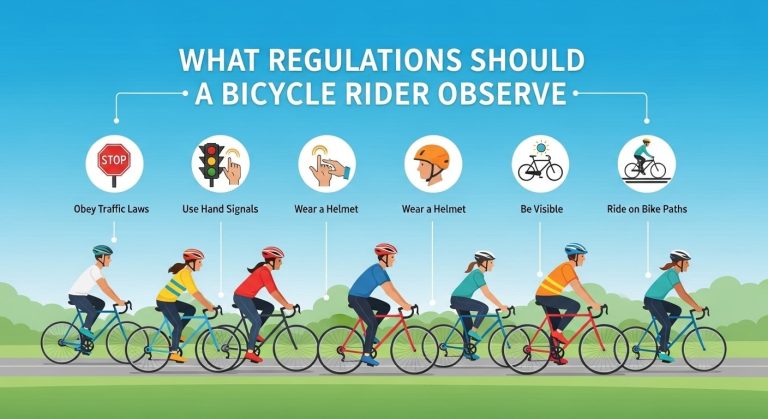
Cyclists have the right to ride on most roads. They must stay close to the right-hand curb, unless passing or turning left. Cyclists are responsible for signaling their intentions. Using hand signals is key for safety. It’s also mandatory to obey traffic signals and signs. Wearing a helmet is highly recommended, though not always legally required. Cyclists should have lights and reflectors at night. These measures enhance visibility.
Common Traffic Violations
Running red lights is a common violation among cyclists. This behavior is dangerous and illegal. Riding against traffic is another mistake. Cyclists must ride in the same direction as cars. Not using hand signals can confuse drivers. This could lead to accidents. Riding on sidewalks is often prohibited. Cyclists should use designated bike lanes where available. Ignoring these rules can result in fines.
Safety Measures For Cyclists
Bicycles on roadways are considered vehicles, requiring cyclists to follow traffic rules for safety. Wearing helmets and using lights increase visibility. Obeying traffic signals and maintaining a safe distance from vehicles enhance protection.
Cycling is a wonderful way to explore the world, get fit, and reduce your carbon footprint. However, when you take your bike onto the road, safety becomes a crucial aspect of your journey. Understanding and implementing proper safety measures can make all the difference in ensuring a safe and enjoyable ride. Whether you’re a seasoned cyclist or just starting out, these measures help you navigate the roads confidently and securely.Essential Gear And Equipment
Having the right gear is your first step towards safety. A sturdy helmet is non-negotiable—opt for one that fits snugly and meets safety standards. Reflective clothing is another must-have, especially during low-light conditions, ensuring you are visible to drivers. Lights and reflectors on your bike can be lifesavers. Equip your bike with a front white light and a rear red light. Bells or horns alert others to your presence, which can prevent accidents, especially on busy streets.Cycling Safety Tips
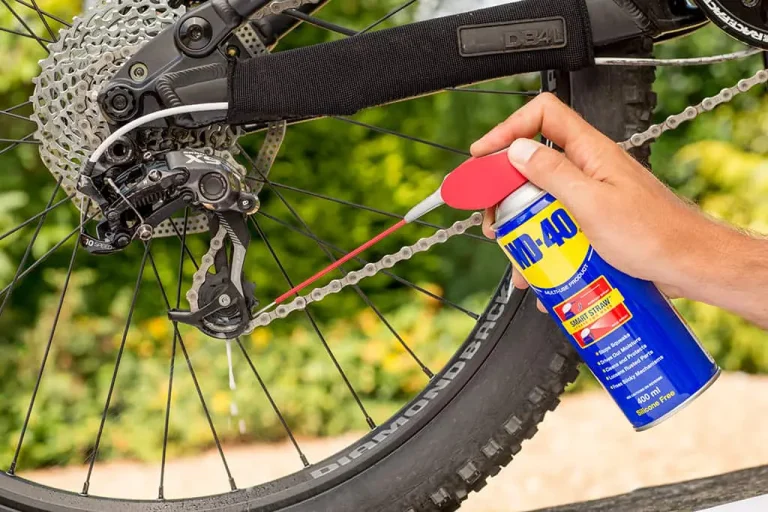
Always stay alert and aware of your surroundings. Riding defensively can protect you from unexpected car maneuvers. Keep an eye on parked cars to avoid getting “doored.” Follow the rules of the road as if you were driving a car. Stop at red lights, use hand signals for turning, and always ride in the direction of traffic. These actions not only keep you safe but also earn respect from other road users. Think about your last ride. Did you check your brakes before starting? A quick pre-ride check can prevent mishaps. Ensure your tires are adequately inflated and your chain is well-oiled. Small actions like these keep your bike in top shape and you safer. Riding with others? Maintain a safe distance and communicate clearly. A simple shout of “stopping” or “turning left” can prevent pile-ups and keep the group moving smoothly. What safety measures do you already practice? Consider adding or refining your approach to ensure each ride is as safe as possible. Your safety on the road is paramount, and taking the right precautions ensures you enjoy every journey without worry.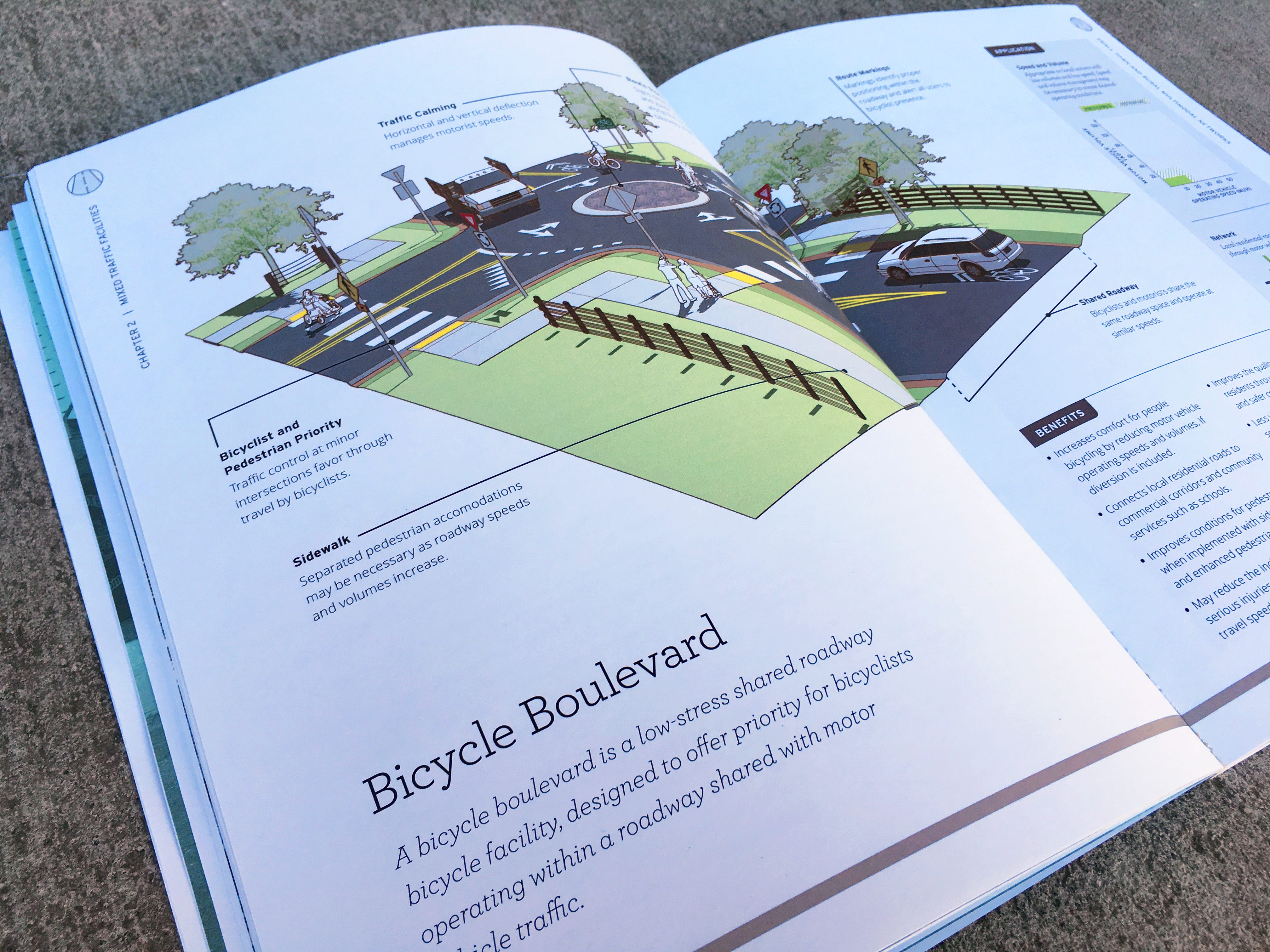
Credit: blog.altaplanning.com
Infrastructure For Cyclists
Infrastructure for cyclists plays a crucial role in urban environments. Safe and accessible pathways encourage biking. They reduce congestion and promote a healthier lifestyle. Well-planned infrastructure not only supports cyclists but enhances city living.
Bike Lanes And Paths
Bike lanes and paths are fundamental for cyclist safety. Dedicated bike lanes separate cyclists from motor traffic. This reduces accidents and ensures smoother rides. Paths in parks and recreational areas provide scenic routes. They invite leisurely rides and family outings. These lanes and paths make cycling appealing.
Urban Planning Considerations
Urban planning integrates cycling infrastructure into city designs. Planners consider traffic flow and safety. They ensure bike paths connect key locations. This includes schools, workplaces, and shopping areas. Efficient planning encourages more people to cycle. It reduces reliance on cars and lowers emissions. Cities become more sustainable.
Impact On Traffic And Environment
Bicycles on roadways help reduce traffic congestion and cut down vehicle emissions. They promote cleaner air and quieter streets, contributing positively to the urban environment.
The impact of bicycles on traffic and the environment is undeniable. As more people choose to cycle, the dynamics of urban mobility shift, creating a ripple effect of benefits. From easing traffic jams to promoting cleaner air, bicycles play a crucial role in fostering sustainable cities.Reducing Traffic Congestion
Imagine the freedom of pedaling past gridlocked cars during rush hour. Every bicycle on the road translates to one less vehicle contributing to traffic chaos. In cities where cycling is popular, traffic congestion significantly drops. This means shorter travel times and less frustration for everyone. You can even consider how a single bike lane can transform commuting patterns. It opens up possibilities for faster and smoother journeys. Have you ever thought about how your daily commute could be less stressful with more cyclists on the road?Environmental Benefits
Choosing to cycle is a personal step towards a healthier planet. Each pedal stroke contributes to reducing carbon footprints, a small but significant action. Bicycles produce zero emissions, unlike cars that rely on fossil fuels. This leads to cleaner air and a reduction in greenhouse gases. Think about the joy of breathing fresher air and the satisfaction of knowing you’re helping fight climate change. Isn’t it empowering to realize your daily choices can make a difference? Cycling also reduces noise pollution. The quiet hum of bicycle wheels is a stark contrast to the roar of engines. This creates a more peaceful urban environment, enhancing the quality of life. In your city, have you noticed how green spaces thrive when traffic noise diminishes? By choosing to cycle, you play a part in nurturing these havens.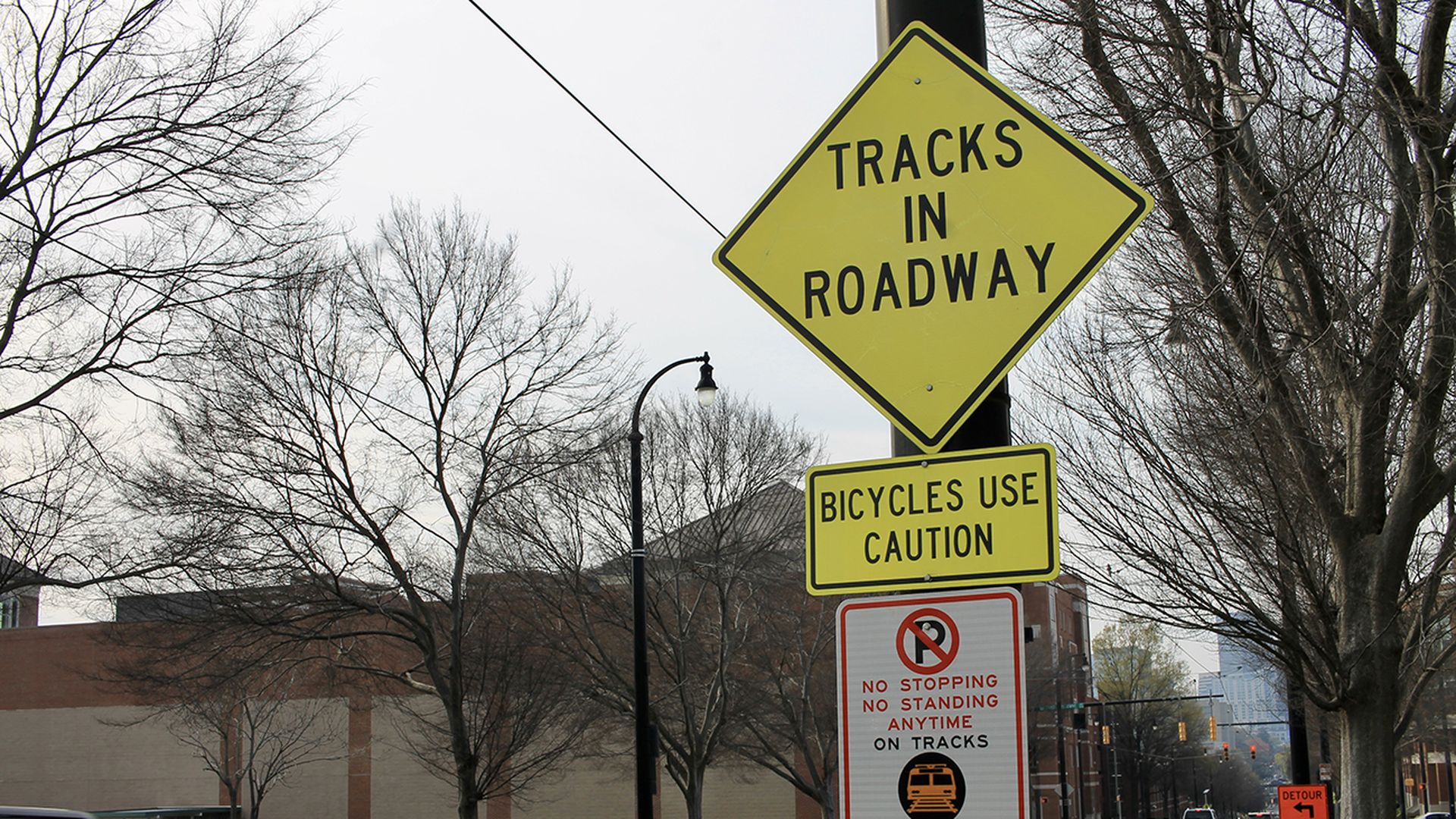
Credit: www.axios.com
Advocacy And Policy
Bicycles on roadways are legally considered vehicles. They must follow the same traffic rules as cars. Cyclists should be aware of their rights and responsibilities to ensure safety.
Advocacy and policy play a crucial role in shaping how bicycles are used on roadways. These efforts ensure that cyclists have safe and equitable access to roads. They also help in fostering a culture where cycling is respected and encouraged.Role Of Advocacy Groups
Advocacy groups are the backbone of the cycling community. They tirelessly work to promote cyclist rights and safety. Have you ever participated in a local cycling event? Often, these are organized by advocacy groups aiming to raise awareness and gather support. These groups lobby for better infrastructure, like bike lanes and parking facilities. They also educate both cyclists and drivers about road-sharing protocols. Their work often leads to tangible improvements in your local cycling environment.Policy Changes And Innovations
Policy changes can significantly enhance cycling safety and accessibility. Some cities have implemented “complete streets” policies. These policies ensure roads are designed for all users, not just cars. Innovations like protected bike lanes and bike-sharing programs have also emerged. Consider how these changes impact your daily commute. They make cycling a more viable and attractive option. Local governments and policymakers need continuous feedback. Your voice can influence these changes. Are you engaging with local councils or participating in public forums? Your input can shape the future of cycling policy. By staying informed and involved, you contribute to a safer and more inclusive road environment. So, how will you engage in advocacy or policy discussions in your community?Challenges Faced By Cyclists
Cyclists face unique challenges on roadways. Sharing space with larger vehicles can be daunting. Visibility issues, road conditions, and public perception create hurdles. Each of these challenges requires attention and understanding. Let’s dive deeper into the specific issues cyclists encounter.
Road Hazards And Accidents
Bumpy roads and potholes threaten cyclists’ safety. Uneven surfaces can cause serious accidents. Debris and loose gravel also pose risks. Cyclists must stay alert to avoid these hazards. Motor vehicles often overlook cyclists, leading to collisions. Drivers must check blind spots and signal turns. Safe cycling requires constant vigilance and awareness.
Public Perception And Bias
Many view cyclists as a nuisance on roads. Some drivers believe cyclists disrupt traffic flow. This bias can lead to unsafe driving behaviors. Impatience with cyclists often results in aggression. Cyclists deserve respect as legitimate road users. Changing this perception requires education and awareness. Understanding cyclists’ rights can foster safer roads for all.
Future Of Cycling On Roadways
The future of cycling on roadways is bright and full of potential. As cities evolve, the integration of bicycles into urban transportation systems is becoming increasingly crucial. This shift not only promises environmental benefits but also offers solutions to traffic congestion and accessibility challenges. Are you ready to explore how technological advancements and urban mobility trends are shaping this future?
Technological Advancements
Imagine a world where cycling is seamless, safe, and efficient. Innovations like smart helmets, which provide navigation assistance and safety alerts, are already making a difference. Electric bikes, with their enhanced speed and ease of use, are rapidly gaining popularity.
GPS systems tailored for cyclists and apps that help find the safest routes are becoming commonplace. These technologies are not just futuristic fantasies—they are here, and they are transforming the way you experience cycling.
Even bicycle design is evolving. Lightweight materials and aerodynamic structures are now accessible to everyday cyclists. These advancements make cycling more appealing and accessible to a broader audience, including you.
Trends In Urban Mobility
The rise of cycling lanes and bike-sharing programs in cities is remarkable. Urban planners are recognizing the need for dedicated spaces for cyclists, ensuring your safety and convenience on the road. Have you noticed more bikes around your city lately?
Public transportation systems are increasingly accommodating bicycles, making it easier to combine cycling with other travel modes. This integration allows you to cover longer distances without relying solely on pedaling.
Moreover, urban mobility is shifting towards sustainability. As cities aim to reduce their carbon footprint, cycling is becoming a preferred mode of transport. You can be part of this movement, contributing to cleaner air and healthier living environments.
Are you ready to embrace the future of cycling on roadways? With technological advancements and urban mobility trends paving the way, your journey could be both exciting and transformative. What changes would you like to see in your city to enhance your cycling experience?
Frequently Asked Questions
When Used On Roadways, Bicycles Are Considered What?
Bicycles on roadways are classified as vehicles. Cyclists must obey traffic laws like other vehicle operators. They have rights and responsibilities similar to motorists. Bicyclists should use designated lanes and signals to ensure safe travel. Understanding these rules helps promote safety for all road users.
When Bicycles Are On The Roadway, They _ Any Other Driver.?
Bicycles on the roadway have the same rights and responsibilities as any other driver. They must follow traffic rules, signals, and signs to ensure safety. Riders should stay alert and communicate their intentions, like turning or stopping, to other road users.
Does A Bicycle Classify As A Vehicle?
Yes, a bicycle is classified as a vehicle. It is a human-powered, pedal-driven mode of transportation. Bicycles share roads and follow traffic regulations like other vehicles. Laws may vary by region, but generally, bicycles are recognized as vehicles for transportation purposes.
Is A Bicycle A Land Vehicle?
Yes, a bicycle is a land vehicle. It is designed for transportation on roads and paths. Bicycles have two wheels and require pedaling. They are eco-friendly, efficient, and popular for commuting and recreation. Bicycles help reduce traffic congestion and promote physical health.
Conclusion
Bicycles hold a unique place on roadways. They provide eco-friendly travel and exercise. Riders should know traffic rules for safety. Understanding bicycle road status helps avoid confusion. Respect between cyclists and drivers is key. Safety comes first for everyone. Using signals and bright clothing boosts visibility.
Roads are shared spaces, not battlegrounds. Riding responsibly benefits all. Encourage learning and respect. Cycling is a healthy choice. It supports a cleaner environment. Ride smart, stay safe, and enjoy the journey. Good practices lead to safer roads. Share the road with care and understanding.

Ethan Montgomery is the administrator of carweldhub.com and an expert in the automotive industry. With hands-on experience in welding and a deep understanding of automotive parts and accessories, Ethan brings a wealth of practical knowledge to his work. His passion for the automotive field extends to blog writing and editing, where he shares valuable insights and tips with enthusiasts and professionals alike. Whether you’re looking for detailed technical advice or the latest trends in automotive technology, Ethan’s expertise makes him a trusted resource in the automotive community.