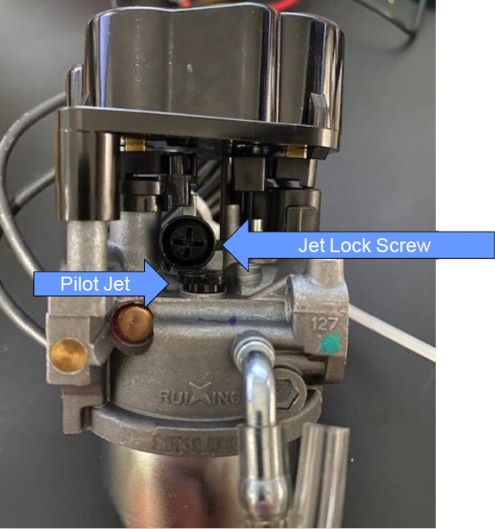
What Does the Pilot Jet Do in a Carburetor: Unveiling Secrets
Have you ever wondered how your engine maintains that smooth, steady idle or responds so effortlessly at low throttle? The secret lies in a tiny but crucial component of your carburetor known as the pilot jet.
Understanding what the pilot jet does can transform your appreciation of engine performance and troubleshooting. This tiny marvel plays a significant role in ensuring your engine runs smoothly at low speeds and low throttle positions. By learning more about the pilot jet, you’ll gain insights into optimizing your vehicle’s performance and even save on unnecessary repair costs.
Let’s delve into the world of carburetors and discover the vital function of the pilot jet. Your engine’s efficiency might just depend on it.
Role Of The Pilot Jet
The pilot jet in a carburetor is crucial for engine performance. It manages the air-fuel mixture during idle and low-speed operations. This tiny component plays a significant role in ensuring smooth engine function. Understanding its role helps in maintaining engine efficiency and performance.
Fuel Delivery At Low Speeds
The pilot jet controls fuel delivery during idle and low-speed operations. It ensures the engine gets the right amount of fuel when the throttle is nearly closed. This is vital for smooth idling and seamless transitions to higher speeds. A properly functioning pilot jet prevents stalling or rough idling.
Impact On Engine Performance
The pilot jet affects overall engine performance. It influences the engine’s response at low throttle positions. A blocked or malfunctioning jet can cause rough idling or starting difficulties. Ensuring the pilot jet is clean and functioning helps maintain optimal engine performance. Regular maintenance checks are necessary for peak engine efficiency.
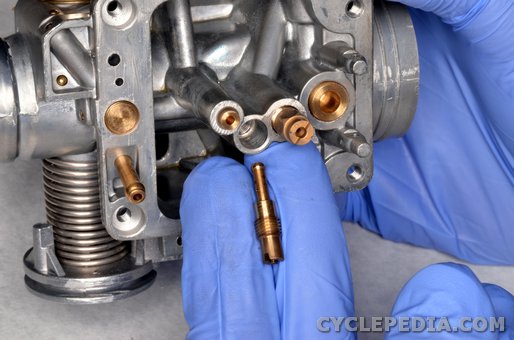
Credit: www.cyclepedia.com
Components Of A Carburetor
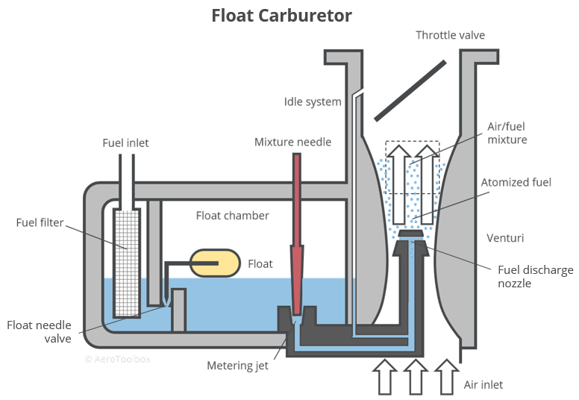
Understanding the components of a carburetor can be crucial for anyone interested in mechanics or simply wanting their vehicle to run smoothly. These parts work together like a well-orchestrated symphony to ensure your engine gets the right amount of fuel and air. Each component has a unique role, contributing to the overall performance. Without the proper function of each, your engine might cough, splutter, or even stall. So, let’s dive into the specifics and see how these components interact.
Main Jet Vs. Pilot Jet
The main jet and the pilot jet serve distinct purposes in a carburetor. The main jet regulates fuel flow at higher speeds, ensuring your engine gets the power it needs when you press the accelerator. Imagine cruising on a highway; that’s the main jet at work.
On the other hand, the pilot jet is all about precision at lower speeds. Think of it as the maestro of idling and smooth transitions when you start your engine or slow down. Without it, you might face hiccups during a gentle drive through town. Ever noticed how your car purrs instead of jolting? That’s the pilot jet ensuring a seamless experience.
Throttle Valve Interaction
The throttle valve plays a pivotal role in controlling air intake. As you press the pedal, the valve opens wider, allowing more air to mix with the fuel. This is where the magic happens, and your vehicle responds with the desired speed.
But how does it relate to the pilot jet? Well, the pilot jet ensures there’s a consistent fuel supply even when the throttle is slightly open, maintaining a steady idle. Picture driving through traffic where constant speed changes are the norm. The pilot jet keeps your ride smooth without sudden jerks or stalls.
Have you ever wondered why your vehicle doesn’t sputter when idling at a stoplight? It’s the harmony between the pilot jet and throttle valve. Next time you’re stuck in traffic, appreciate this subtle interaction that keeps your journey smooth.
Understanding these components can transform how you see your vehicle’s performance. Is there a part of your car that surprises you with its efficiency? Knowing what each component does can help you appreciate the engineering genius behind your vehicle’s carburetor.
Tuning The Pilot Jet
Understanding the pilot jet in a carburetor is crucial for tuning your engine’s performance. The pilot jet controls the fuel mix at low speeds, impacting idle and throttle response. Proper tuning can lead to smoother rides and better fuel efficiency. However, getting it right requires attention to detail and a bit of patience. Have you ever wondered if a small adjustment could significantly improve your ride?
Adjusting For Optimal Performance
To fine-tune the pilot jet, start by adjusting the air-fuel mixture screw. This small screw is your tool for achieving the right balance. Begin with the engine warm and idling. Turn the screw slowly and observe the engine’s response.
Listen closely. Does the engine idle smoothly or does it sputter? A smooth idle indicates a well-adjusted pilot jet. Aim for the sweet spot where the engine sounds happiest. Testing with short rides can reveal subtle improvements.
Each engine is unique. Your ideal adjustment might differ from someone else’s. Keep a record of your changes. This helps track what works best for your engine’s characteristics.
Signs Of Incorrect Tuning
Identifying signs of incorrect tuning can prevent bigger issues. Is your engine struggling to idle? This might be a sign of a lean condition, where there’s too much air and not enough fuel.
On the flip side, a rich mixture can lead to black smoke from the exhaust. It’s like your engine is begging for less fuel. Another clue is poor throttle response. Does your engine hesitate as you accelerate? This could mean the pilot jet needs attention.
Paying attention to these signs saves you time and frustration. Regular checks ensure your engine remains in peak condition. Are you ready to refine your carburetor tuning skills for a smoother ride?
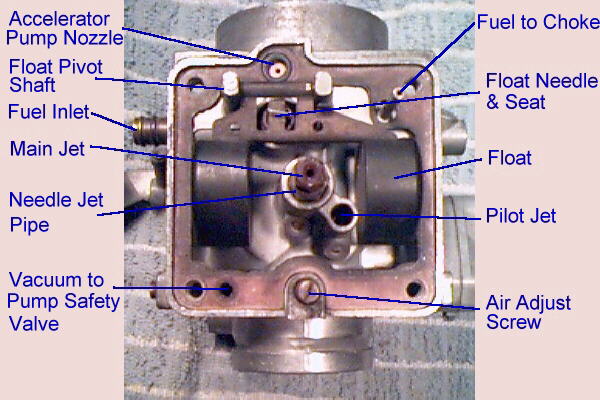
Credit: www.siue.edu
Common Issues With Pilot Jets
Understanding the pilot jet’s role in a carburetor is crucial for anyone who loves tinkering with engines. However, the pilot jet can encounter common issues, turning your smooth ride into a frustrating experience. Let’s dive into these challenges and how they affect engine performance.
Blockages And Clogs
Blockages and clogs are the frequent culprits that plague pilot jets. Dirt, dust, and debris can accumulate, obstructing fuel flow. Have you ever noticed your engine hesitating or stalling during idle? That could be a clogged pilot jet struggling to deliver the right amount of fuel.
Imagine taking your bike out on a sunny day, only to find it sputtering at traffic lights. A blocked pilot jet can ruin what should be an enjoyable ride. Regular maintenance can help prevent such frustrating moments. Checking and cleaning your pilot jet can be a game-changer.
Symptoms Of Malfunction
Spotting the symptoms of a malfunctioning pilot jet can save you a lot of hassle. Does your engine backfire or produce odd noises? These could be telltale signs. A malfunctioning pilot jet often leads to poor fuel-air mixture, affecting engine performance.
If you’ve ever felt your engine lose power unexpectedly, you might be experiencing pilot jet issues. Pay attention to changes in idle speed or unexpected stalling. These symptoms are your engine’s way of saying, “I need a check-up!”
Addressing these issues promptly can restore your engine’s performance and reliability. Have you checked your pilot jet lately? Keep an eye on these symptoms to ensure your engine runs smoothly.
Maintenance Tips
The pilot jet in a carburetor controls fuel flow at low speeds. It ensures smooth idling and acceleration. Regular cleaning prevents clogs and maintains performance.
Maintaining your carburetor’s pilot jet is crucial for ensuring your engine runs smoothly and efficiently. A neglected pilot jet can lead to poor performance, increased fuel consumption, and even engine damage. Regular maintenance not only saves you money in the long run but also keeps your rides enjoyable and hassle-free. Let’s dive into some practical tips for maintaining your pilot jet effectively.
Regular Cleaning Procedures
First, always make cleaning a regular habit. Dirt and debris can easily block the pilot jet, affecting your engine’s performance. A good rule of thumb is to clean the jet every time you change the oil. Start by removing the carburetor from the engine. This might seem daunting, but with a bit of practice, it becomes straightforward. Use a can of compressed air to clear any dirt from the pilot jet passage. Consider using a cleaning solvent designed specifically for carburetors. This ensures that any grime is dissolved without damaging the jet. Always wear gloves to protect your skin from harsh chemicals.
Tools For Pilot Jet Maintenance
Invest in a quality set of carburetor cleaning tools. These typically include small brushes and wires perfect for reaching the narrow passages in the pilot jet. A good set can make the cleaning process faster and more effective. A small, flat-head screwdriver is essential for removing the jet from the carburetor. Ensure it’s the right size to avoid stripping the screw head. Keeping these tools in a dedicated toolbox can save time and prevent loss.
Don’t underestimate the power of a good flashlight. Being able to see inside the carburetor clearly can make a big difference. It helps you spot any stubborn debris that might otherwise go unnoticed. Have you ever thought about how a simple oversight in maintenance could lead to an unexpected breakdown? Regular attention to your pilot jet could mean the difference between a smooth ride and a frustrating day on the side of the road. Taking small, consistent steps in maintenance keeps your vehicle in top condition and provides peace of mind.
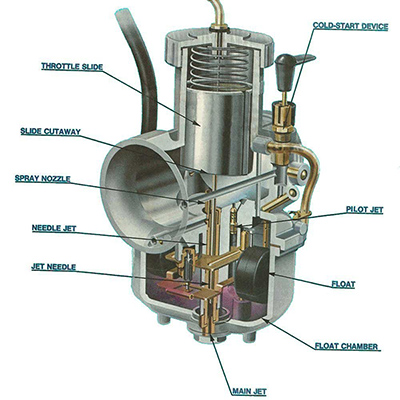
Credit: motorcycleshippers.com
Frequently Asked Questions
How Do I Know If My Pilot Jet Is Too Rich?
Your engine may idle roughly or stall when the pilot jet is too rich. Black smoke from the exhaust or fouled spark plugs may also indicate a rich condition.
Does Pilot Jet Affect Idle?
Yes, the pilot jet influences idle speed and quality. It controls fuel flow at low RPMs, affecting engine performance. Adjusting the pilot jet can improve idle stability and smoothness. Proper tuning ensures efficient combustion and reduces stalling. Regular maintenance helps maintain optimal idle settings.
What Does Increasing Pilot Jet Size Do?
Increasing the pilot jet size enriches the air-fuel mixture at low RPMs. This improves throttle response and reduces engine hesitation. It can also prevent stalling and enhance performance under idle and low-speed conditions. Adjust carefully to avoid over-fueling, which may lead to fouled spark plugs.
How Do You Know If Your Pilot Jet Is Too Small?
A too-small pilot jet causes poor idle and hesitation during acceleration. You may notice surging or backfiring. Adjusting the air-fuel mixture might not fix these issues. Consider upgrading to a larger jet for smoother performance. Proper jet sizing ensures optimal engine efficiency and responsiveness.
Conclusion
The pilot jet is vital for your carburetor’s performance. It controls fuel flow during idle and low-speed conditions. A properly functioning pilot jet ensures smooth engine starts. It also maintains stable idling. Regular checks and cleaning are essential for optimal function.
A clogged jet can cause poor performance. Always use clean fuel to avoid blockages. Understanding the pilot jet’s role helps in basic engine maintenance. This knowledge can prevent many carburetor-related issues. Keep an eye on symptoms like rough idling or stalling.
These might signal pilot jet problems. Stay proactive for a smooth ride.

Ethan Montgomery is the administrator of carweldhub.com and an expert in the automotive industry. With hands-on experience in welding and a deep understanding of automotive parts and accessories, Ethan brings a wealth of practical knowledge to his work. His passion for the automotive field extends to blog writing and editing, where he shares valuable insights and tips with enthusiasts and professionals alike. Whether you’re looking for detailed technical advice or the latest trends in automotive technology, Ethan’s expertise makes him a trusted resource in the automotive community.