Can a Car Run Without a Battery Once Started: Myth or Fact?
Picture this: you’re on a road trip, miles away from the nearest help, and your car battery suddenly gives up. Panic might set in, but wait—can your car keep going without a functioning battery once it’s already started?
This question might have crossed your mind, especially if you’ve ever found yourself in a similar situation. Understanding the mechanics behind your vehicle can not only save you stress but also make you a smarter driver. We’ll unravel the mysteries of car batteries and reveal whether your car can actually run without one once it’s fired up.
Stick around, because the answer might just surprise you and could be a lifesaver on your next adventure.
The Role Of A Car Battery
A car battery’s role is crucial for starting the engine. Once running, the alternator powers most functions. Without a battery, systems like lights and radio may falter, affecting safety and comfort. Keeping the battery in good condition ensures smooth operation.
The car battery is more than just a heavy box sitting under the hood. It plays a crucial role in ensuring your vehicle runs smoothly. Many drivers might wonder if their car can operate without a battery once it’s started. Understanding the battery’s role can help answer this question effectively.Starting The Engine
Your car battery is essential for starting the engine. It provides the necessary power to the starter motor, which cranks the engine. Without the battery, the engine remains silent, like a musician without an instrument. Imagine trying to start your car on a cold morning without the battery’s power. It’s like waking up without your morning coffee—nearly impossible. The battery gives that initial spark to get everything rolling. Once the engine starts, the alternator takes over. It powers the car and recharges the battery. But without the battery’s initial push, the engine would never come to life.Powering Electrical Systems
Beyond starting the engine, the car battery powers various electrical systems. Think about your car’s lights, radio, and even the power windows. All these rely on the battery to function. Even when the engine is running, the battery supports the alternator. It ensures that all systems have the power they need, especially when you’re idling at a stoplight. The alternator can’t always keep up with high electrical demands alone. Consider a time when you left your car lights on overnight and found the battery dead in the morning. That small oversight affects everything, proving how crucial the battery is for powering your car’s systems. Can you imagine driving at night without headlights? Or listening to your favorite song without the radio? The battery ensures these conveniences are always available to you. So, while your car might technically run after being started, the battery’s role extends far beyond that initial spark. It’s the backbone of your vehicle’s electrical system. Can your car truly run without it? Not if you want a fully functional experience.
Credit: www.youtube.com
Alternator Functions
Have you ever wondered how your car keeps running smoothly even when the battery isn’t doing much after starting? The secret lies in the alternator, a crucial component that powers many of your car’s electrical functions. Understanding the alternator’s role can help you appreciate how your vehicle operates without a hitch.
Generating Electrical Power
Once your car is up and running, the alternator takes center stage. It generates electricity to power various systems, including lights, radio, and air conditioning. Imagine driving at night without headlights—pretty risky, right? The alternator ensures you have the power needed to stay safe and comfortable.
Think of it as your car’s personal power plant. As you drive, the alternator converts mechanical energy from the engine into electrical energy. This continuous power generation means that your battery isn’t drained while you enjoy your drive. Have you ever noticed your car’s headlights dimming when the engine is off? That’s because the alternator isn’t generating power then.
Maintaining Battery Charge
Your car’s battery isn’t just there to start the engine. The alternator also helps keep it charged. Picture your battery as a reservoir that needs refilling; the alternator ensures it’s topped up while you’re on the road. Without this function, your battery would quickly lose its charge, leaving you stranded.
Consider the alternator your battery’s lifeline. It replenishes the battery as it uses up energy during the drive. This means you can confidently stop and start your car multiple times without worrying about a dead battery. Have you ever had a battery die unexpectedly? Often, it’s because the alternator isn’t doing its job.
Now, think about how this affects you. With a properly functioning alternator, you can enjoy those spontaneous road trips without second-guessing your battery’s health. Isn’t it reassuring to know there’s a system working hard to keep your car running smoothly?
Does this make you wonder what happens when the alternator fails? How can you ensure yours is in tip-top shape? Understanding these functions can empower you to take proactive steps in maintaining your car’s health.
Car Running Dynamics
Understanding car running dynamics is essential for every driver. This knowledge helps you grasp how vehicles operate. It also guides you in handling unexpected situations. Can a car run without a battery once started? Let’s dive into this intriguing question.
Engine Operation Without Battery
Once a car starts, the engine takes over the work. The alternator generates electricity for the engine’s needs. It powers essential functions like fuel combustion. A running engine can operate without a battery for a while. But not forever. The alternator cannot store power. It only produces it. If the alternator fails, the engine stops. A battery is crucial for initial ignition. It provides the spark to start the engine.
Impact On Car Electronics
Modern cars rely on electronics for smooth operation. These systems include headlights, dashboard, and infotainment. Without a battery, electronics suffer. They require constant power supply. The alternator feeds them electricity while the car runs. But if the battery is absent, issues arise. Electronics may malfunction or shut down. Lights may dim or flicker. Infotainment systems might reset. Car computers need stable power. A battery ensures steady voltage. A car running without a battery can face electronic troubles.
Credit: blog.1aauto.com
Common Misconceptions
Many car owners believe their vehicle can run without a battery once started. This common misconception leads to unexpected breakdowns and confusion. Understanding how a car’s electrical system functions clears up these misunderstandings.
Battery’s Role In Continuous Operation
A car battery does more than start the engine. It powers essential components during operation. The battery ensures the lights stay bright and the radio plays. It supports all electrical systems, even when the engine runs. Without a functional battery, some systems may fail. This impacts safety and comfort on the road.
Alternator’s Limitations
Many think the alternator replaces the battery’s function completely. It does recharge the battery and power electrical systems. But it cannot handle all tasks alone. The alternator generates electricity only while the engine runs. If the engine stalls, the alternator stops working. It relies on the battery to kickstart the engine again. The alternator’s main role is to maintain the battery’s charge, not replace it.
Real-world Scenarios
Once the engine is running, a car might continue to operate without a battery. The alternator keeps the electrical system powered, but accessories like lights and radio may not work. Starting the engine again without a battery would be impossible.
Have you ever wondered if your car could keep going even after removing the battery? It’s a curious thought, especially if you’re stranded and thinking about unconventional solutions. Understanding real-world scenarios can shed light on whether your car can defy the odds and drive without its battery. Let’s dive into the mechanics and potential risks you might face.Driving Without A Battery
Once your car is started, the alternator takes over, supplying power to the engine and electrical systems. This means, theoretically, you could remove the battery and your car might still run. But before you try this, consider how delicate modern vehicles are. They rely heavily on electronic components. Without a battery, these systems are vulnerable to failure or damage. Remember, older cars might manage this trick better, but newer models with complex electronics could face challenges. Have you ever had the chance to see this in action? It’s rare and not recommended.Potential Risks And Outcomes
Removing a battery while driving poses significant risks. You might wonder what could go wrong. Firstly, the alternator could fail without the battery’s support, causing your car to stall unexpectedly. Imagine being in the middle of traffic when this happens. Secondly, without a battery, voltage spikes are more likely, potentially damaging sensitive electronics. This could lead to costly repairs. Lastly, consider safety. If your car stops abruptly, it puts you and others at risk. Is it worth testing fate for a short drive? Ultimately, while driving without a battery might be feasible, the risks outweigh the benefits. Are you willing to gamble with your vehicle’s health and your safety for an experiment?Technical Insights
Understanding the technical aspects of a car running without a battery can be intriguing. The battery plays a pivotal role in starting the engine. But can a car keep running without it once started? Let’s explore the technical insights.
Modern Vehicle Designs
Modern cars rely heavily on electronic systems. These systems control everything from fuel injection to climate control. A functioning battery is crucial for these electronics. Newer vehicles have complex wiring and computer systems. They need constant power to operate smoothly. The alternator charges the battery and powers the car’s electronics. If the battery is removed, these systems may fail. Older cars had simpler designs. They could run without a battery if the alternator worked. But modern cars are different.
Safety Mechanisms
Vehicles today have advanced safety features. These include airbags, ABS, and electronic stability control. They all rely on a consistent power source. Without a battery, these systems might not function. This can pose serious risks while driving. The car’s electrical system is interconnected. Removing the battery can disrupt other components. This can lead to unexpected failures. It’s crucial to maintain a charged battery for safety. Without it, the car’s reliability decreases significantly.
Expert Opinions
Understanding if a car can run without a battery once started is intriguing. Many factors contribute to this phenomenon. Expert opinions help clarify this complex topic. Let’s explore insights from seasoned mechanics and automotive engineers.
Mechanics’ Perspectives
Many mechanics agree, a car can run without a battery. Once the engine starts, the alternator takes over. It provides power to the car’s electrical system. The alternator keeps the engine running. But, the battery plays a crucial role in starting the engine. Without it, starting becomes impossible. Some mechanics warn of potential risks. A disconnected battery might damage the electrical system. It could lead to costly repairs. Therefore, mechanics advise caution.
Automotive Engineers’ Insights
Automotive engineers offer a deeper understanding. They highlight the role of modern car electronics. Advanced systems rely on stable electrical input. A missing battery might disrupt this balance. This can affect performance and safety. Engineers emphasize the importance of a healthy battery. It ensures smooth operation and reliability. They also mention the alternator’s limitations. Overloading can cause it to fail. This reinforces the need for a working battery. Their insights underline the complexity of modern vehicles.
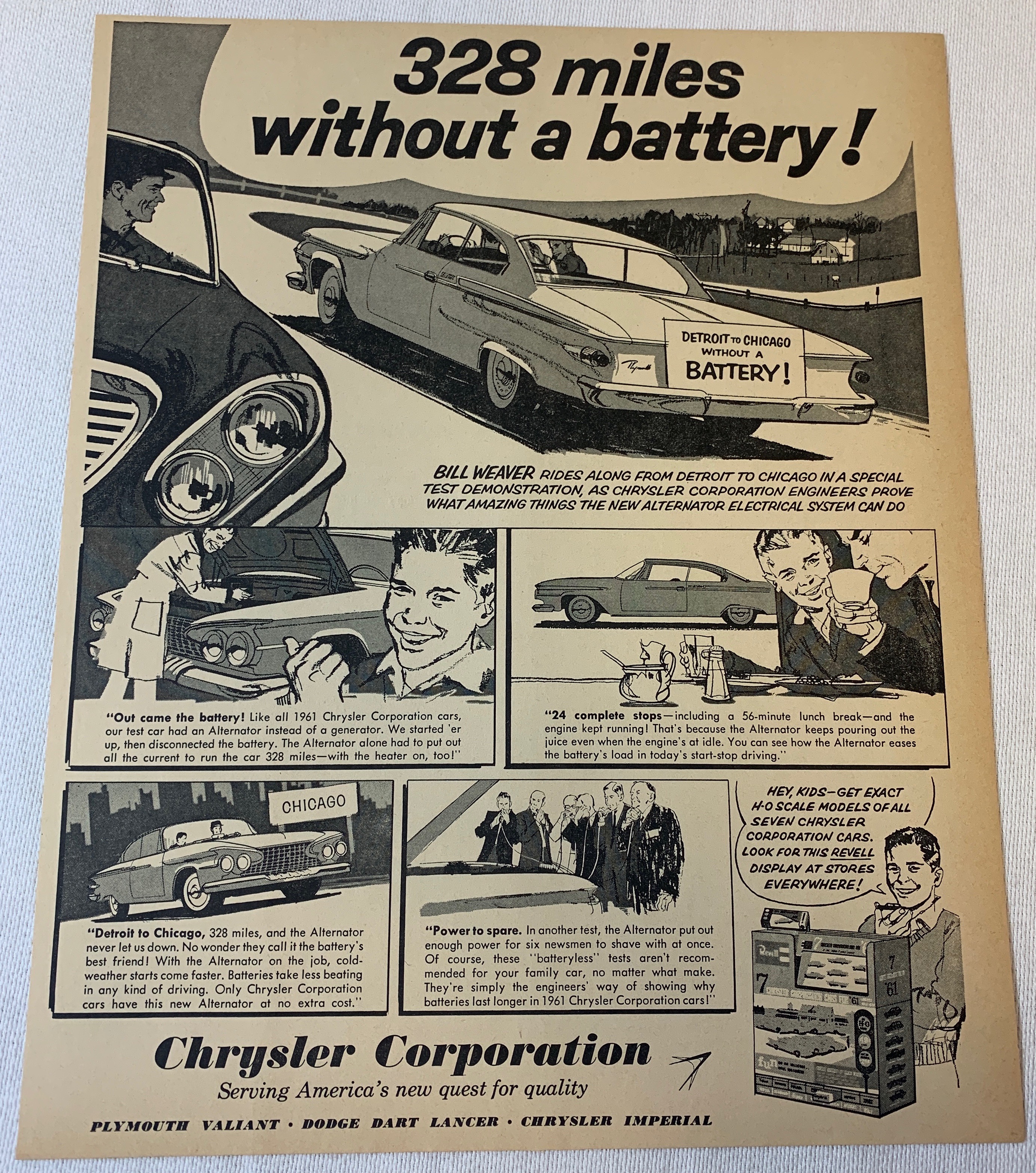
Credit: www.ebay.com
Practical Advice
Curiosity often arises about cars running without a battery after starting. The alternator powers the car once the engine is on, but a functional battery is crucial for starting the engine. Disconnecting the battery can lead to various electrical issues.
Cars are fascinating machines, and it’s intriguing to think about how they operate. A common question many car owners have is whether their vehicle can run without a battery once started. While the short answer is yes, there are many nuances to consider. Understanding practical advice on handling battery issues and preventive maintenance can make a significant difference in your car’s performance and your peace of mind.Handling Battery Issues
Imagine driving home late at night, and you notice the battery warning light flicker. It’s a moment of anxiety, but stay calm. If your car is already running, it might continue to drive without the battery. That’s because the alternator takes over, generating electricity needed for the car’s functions. However, this is not a fail-safe solution. You risk stalling if the alternator fails or if there’s a heavy load on the electrical system. In such situations, use the bare minimum of electrical components. Turn off the radio, heater, and unnecessary lights. This conserves power for essential functions.Preventive Maintenance Tips
Avoiding battery issues starts with good maintenance habits. Regular checks can prevent unwelcome surprises. Inspect your battery terminals for corrosion. A simple cleaning with a mix of baking soda and water can keep connections strong. Check the water level in the battery if it’s not maintenance-free. Always ensure the battery is secured in its tray. A loose battery can lead to damage. It’s also wise to test your battery’s charge twice a year, especially before long trips. Consider the battery’s age. Most car batteries last between 3-5 years. If yours is older, plan for a replacement before it fails. Being proactive with maintenance can save you a lot of trouble. A few minutes spent on your battery could mean the difference between getting home safely and being stranded.Frequently Asked Questions
Will A Car Run With A Dead Battery?
A car won’t start with a dead battery, as it powers the starter motor and ignition system. If the battery dies while driving, the engine might still run temporarily but risk stalling soon. Ensure a healthy battery for reliable vehicle operation.
Will A Car Keep Running If The Battery Is Removed?
Yes, a car can run without a battery after starting. The alternator powers the engine and electrical systems. Removing the battery while running is risky and can damage the alternator or electrical components. Always ensure the battery is properly connected for safe operation.
How Do I Know If I Just Need A Jump Or A New Battery?
Check for dim lights or slow engine crank. These signs suggest a jump start might work. If the car struggles after jumping, consider a new battery. Frequent jump-starts or an old battery over three years often mean replacement is necessary.
How Long Can A Car Sit Without Being Driven By A Battery?
A car battery can last 2-3 weeks without being driven. Regularly starting the car prolongs battery life. Disconnecting the battery can help it last longer when parked for extended periods.
Conclusion
A car can run briefly without a battery once started. But it’s risky. The alternator keeps the car running. Yet, a weak alternator might fail. This could leave you stranded. Batteries provide stability and power. They support the car’s electrical needs.
Driving without a battery is not advisable. It can harm the car’s systems. Regular battery checks ensure reliability. Always keep your battery in good condition. Consider professional advice if unsure. Safety and performance depend on a healthy battery. Stay prepared for any situation.

Ethan Montgomery is the administrator of carweldhub.com and an expert in the automotive industry. With hands-on experience in welding and a deep understanding of automotive parts and accessories, Ethan brings a wealth of practical knowledge to his work. His passion for the automotive field extends to blog writing and editing, where he shares valuable insights and tips with enthusiasts and professionals alike. Whether you’re looking for detailed technical advice or the latest trends in automotive technology, Ethan’s expertise makes him a trusted resource in the automotive community.