

Can I Use Any Battery in My Car: Essential Insights
You’re about to hit the road, but your car battery has other plans. Panic sets in as you wonder if you can just grab any battery off the shelf and be on your way.
It’s a common question, and the answer isn’t as straightforward as you might think. Choosing the right battery for your car isn’t just about compatibility; it’s about ensuring safety, performance, and longevity. We’ll unravel the mystery behind car batteries, guiding you through what you need to know to make the right choice.
Stick with us, and you’ll discover the vital details that can save you time, money, and frustration. Ready to find out if any battery will do the job for your car? Let’s dive in and get your questions answered.
Car Battery Basics
Choosing the right car battery is crucial. Not all batteries fit every car model. Different cars require specific battery sizes and types for optimal performance. Always refer to your vehicle’s manual or consult a professional to ensure compatibility and safety.
Car Battery Basics Understanding your car battery is essential to keep your vehicle running smoothly. It’s not just a power source; it’s the heartbeat of your car’s electrical system. Knowing the basics can save you from unexpected breakdowns and costly repairs. A few years ago, I found myself stranded at the grocery store parking lot, all because I overlooked my car battery’s health. It was a frustrating experience, but it taught me the importance of knowing what type of battery my car needs and why it matters.Types Of Car Batteries
Car batteries come in different shapes and sizes, each designed for specific vehicle needs. Lead-acid batteries are the most common and are typically found in older models. They are reliable and affordable. AGM (Absorbent Glass Mat) batteries offer more power and are used in modern vehicles with advanced electronics. They are more expensive but provide better performance and longevity. Lithium-ion batteries are emerging as a popular choice for electric and hybrid cars. They are lightweight and efficient, but they come with a higher price tag.Functions And Importance
Your car battery does more than just start the engine. It powers all the electrical components, from your headlights to your radio. Without a healthy battery, your car’s performance can suffer significantly. A reliable battery ensures your vehicle starts every time you turn the key. It also supports your car’s alternator by storing energy for later use. This is crucial when you have multiple electronic devices running. Consider your daily driving habits and climate when choosing a battery. Extreme temperatures can affect battery performance, so it’s vital to select one that suits your environment. Have you ever thought about how often you replace your car battery? Understanding its importance can extend its life and save you money in the long run.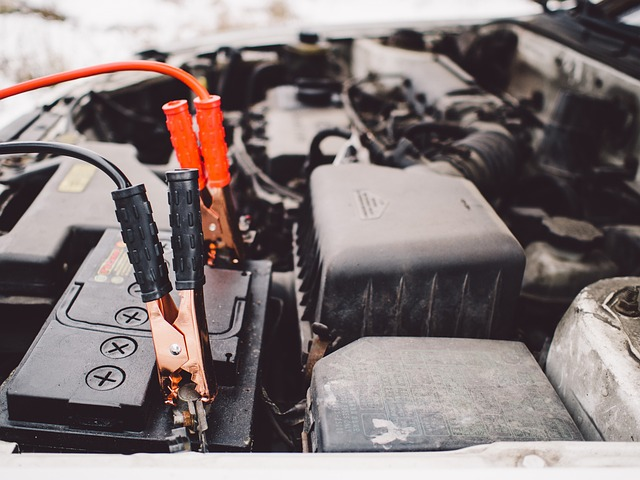
Credit: www.stonemountainvw.com
Compatibility Factors
Choosing the right battery for your car is crucial. It’s not just about picking any battery that fits. Several compatibility factors determine the best match for your vehicle. Understanding these factors ensures your car runs smoothly and reliably.
Size And Dimensions
Batteries come in various sizes. The size must fit your car’s battery compartment perfectly. A wrong size can cause installation issues. It might also lead to poor performance. Always check the dimensions before purchasing.
Voltage And Capacity
Voltage is another vital factor. Most cars require a 12-volt battery. Using the wrong voltage can damage your car’s electrical system. Capacity affects how long the battery can supply power. Ensure the capacity meets your car’s needs.
Terminal Types And Positions
Terminals connect the battery to the car. Different cars have different terminal types and positions. Incorrect terminal placement can hinder connectivity. Proper alignment ensures efficient power flow. Check your car’s specifications for accurate terminal types.
Impact Of Using Incorrect Batteries
Choosing the right battery for your car is crucial. Using an incorrect battery can lead to various issues. It affects your vehicle’s performance, safety, and can cause potential damage. Understand these impacts to make informed decisions.
Performance Issues
An incorrect battery can reduce your car’s performance. It might not supply enough power. This leads to starting problems and weak electrical components. Your car may struggle to start on cold mornings. You might notice dim headlights. These are signs of performance issues.
Potential Damage To Vehicle
Wrong batteries can damage your vehicle. They might not fit properly. This can cause loose connections. Loose connections can lead to electrical faults. Over time, these faults can damage your car’s electrical system. This may result in costly repairs.
Safety Concerns
Using the wrong battery can be unsafe. It can cause overheating. Overheating increases the risk of battery leaks. Battery leaks are dangerous. They can harm the car and its passengers. Incorrect batteries can also lead to short circuits. Short circuits can cause fires.

Credit: www.jiffylube.com
Choosing The Right Battery
Choosing the right battery for your car is crucial. A suitable battery ensures optimal performance and longevity. Not all batteries fit every car. Selecting the wrong one can lead to issues. Let’s explore how to choose the best battery for your vehicle.
Consulting The Vehicle Manual
Your vehicle manual is a valuable resource. It specifies the ideal battery type for your car model. Follow the recommendations for size, type, and power. This ensures compatibility and efficiency. A quick check can prevent future problems.
Seeking Professional Advice
Experts can help with battery selection. Mechanics and auto specialists have extensive knowledge. They can suggest suitable batteries based on your car’s needs. Professional advice can save time and money. It ensures you get the best battery for your vehicle.
Considering Climate And Usage
Climate affects battery performance. Cold weather requires specific batteries. Hot climates need others. Consider how you use your car. Frequent short trips differ from long journeys. Choose a battery that suits your driving habits. This maximizes performance and lifespan.
Maintenance And Care Tips
Maintaining your car battery is essential for a smooth driving experience. A well-cared-for battery lasts longer and performs better. Here are some simple maintenance and care tips. These will help you keep your car battery in top shape.
Regular Inspections
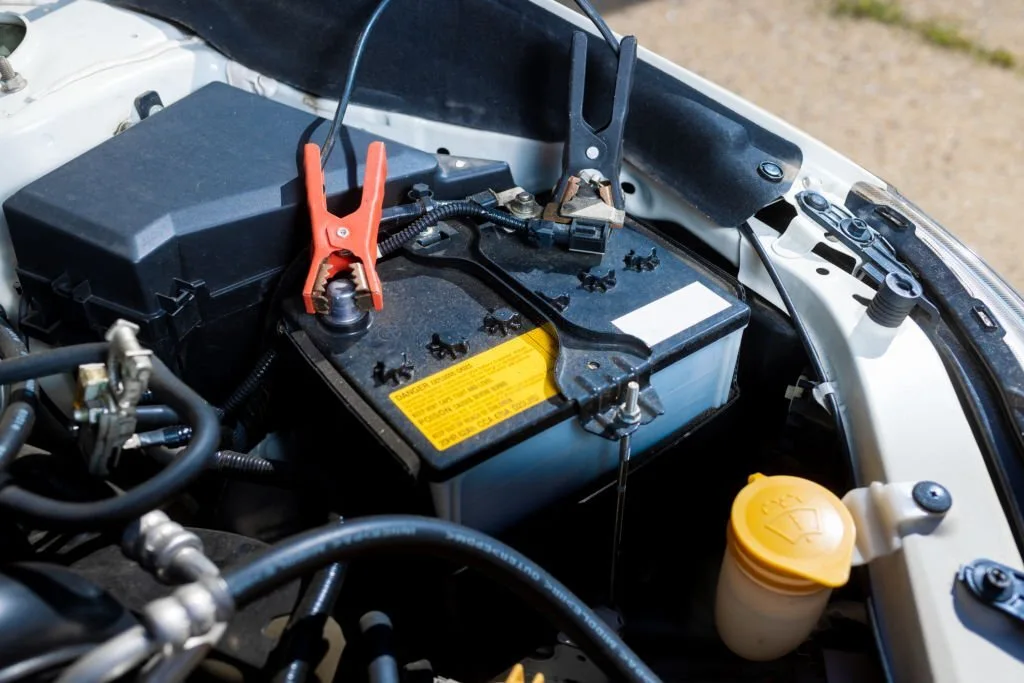
Check your battery monthly to ensure it’s working well. Look for signs of corrosion around the terminals. Clean them with a mixture of baking soda and water. Tighten loose connections to prevent electrical issues.
Proper Storage
Store your battery in a cool, dry place. Extreme temperatures reduce battery life. If your car won’t be used for a while, disconnect the battery. This prevents unnecessary drainage.
Signs Of Battery Wear
Watch out for slow engine cranking. Dim headlights are another sign of battery wear. If your battery struggles in cold weather, it might be time for a replacement. Keep an eye on these signs to avoid unexpected breakdowns.
Credit: www.swbatteries.com.au
Frequently Asked Questions
What Happens If You Use The Wrong Battery In A Car?
Using the wrong battery can damage the car’s electrical system. It may lead to starting issues or battery leakage. The alternator could overwork, reducing its lifespan. Performance may decrease, and warranty claims might be voided. Always use the recommended battery type for optimal performance.
Does It Matter What Kind Of Battery I Put In My Car?
Yes, it matters which battery you choose for your car. Ensure compatibility with your vehicle’s specifications. Choose the right size, type, and power rating to avoid performance issues. Using incorrect batteries can lead to electrical problems, reduced efficiency, and potential damage.
Always refer to your car’s manual for guidance.
How Do I Know If A Battery Is Compatible With My Car?
Check your car manual for battery specifications. Match the size, terminal type, and voltage. Verify compatibility with the manufacturer or auto parts store. Consider cold cranking amps (CCA) for performance. Always ensure the battery fits securely in the compartment.
Can You Put A Different Car Battery In Your Car?
Yes, you can use a different car battery if it matches the required specifications. Ensure compatibility with size, voltage, and terminal configuration. Always consult your vehicle’s manual or a professional to avoid damage. Proper installation is crucial for safety and performance.
Conclusion
Choosing the right battery is crucial for your car. It affects performance and safety. Not all batteries fit every car. Compatibility matters. Check your car’s manual. Ensure the battery suits your vehicle’s needs. Size, type, and power must match. Wrong batteries can cause damage.
They might not start your car. Invest in quality and proper fit. Consult a professional if unsure. Save money by avoiding mistakes. Protect your car’s health. Choose wisely. A good battery lasts longer. Keep your car running smoothly. Enjoy peace of mind with the right battery choice.

Ethan Montgomery is the administrator of carweldhub.com and an expert in the automotive industry. With hands-on experience in welding and a deep understanding of automotive parts and accessories, Ethan brings a wealth of practical knowledge to his work. His passion for the automotive field extends to blog writing and editing, where he shares valuable insights and tips with enthusiasts and professionals alike. Whether you’re looking for detailed technical advice or the latest trends in automotive technology, Ethan’s expertise makes him a trusted resource in the automotive community.


