Can a Low Battery Key Fob Affect Starting the Car?
You’re running late, juggling your morning coffee, and just as you reach your car, you hit the button on your key fob. Nothing.
Panic sets in. Could it be that the tiny battery in your key fob is the reason your car won’t start? You’re not alone if this scenario sounds familiar. Many drivers overlook the impact a low battery key fob can have on their vehicle’s performance.
But could such a small, often forgotten part of your routine really keep your car from starting? Let’s unravel this mystery together and discover what you can do to ensure you’re never left stranded again. Keep reading to learn how a simple battery swap might save you from future headaches.
Credit: www.locksmithspros.org
How Key Fobs Work
A low battery key fob might prevent your car from starting. Key fobs communicate with the car using signals. A weak battery can disrupt this signal, causing starting issues. Replacing the battery is often the solution.
Understanding how key fobs work can help you appreciate just how crucial they are to your daily driving experience. These small devices might seem simple, but they’re packed with technology that ensures your car starts smoothly and securely. Knowing the ins and outs of your key fob can be the difference between a quick trip to the store and a frustrating morning stuck in your driveway.Basic Functionality
At its core, a key fob serves as a remote control for your car. It allows you to lock and unlock doors with the press of a button. Many fobs also include features like trunk release and panic alarms. Key fobs use a small battery to power these functions. As the battery depletes, the fob’s ability to communicate with your car can weaken. This might lead you to wonder, “Can a low battery really stop my car from starting?”Communication With The Car
Your key fob communicates with your car through radio waves. It sends a signal to a receiver in your vehicle that validates the fob’s unique code. If the code matches, your car responds by unlocking or starting. When the battery is low, the fob might struggle to send a strong signal. This can result in the car not recognizing the fob, potentially affecting your ability to start the engine. Imagine being in a rush and your car won’t start because the fob’s battery is too weak. It’s not just inconvenient—it’s a reminder of how vital that tiny battery is. So, how can you prevent this from happening? Regularly check the battery level of your key fob. Consider replacing it annually to avoid surprises. This simple maintenance step can save you time and hassle, ensuring your car starts when you need it most. Have you ever been caught off guard by a key fob issue? Share your experiences and tips in the comments, and let’s learn from each other’s car adventures.Symptoms Of A Low Battery Key Fob
Have you ever found yourself standing by your car, repeatedly pressing the unlock button on your key fob with no response? It might be time to check the battery. A low battery in your key fob can lead to several frustrating symptoms, affecting your car’s starting process. Recognizing these signs can save you from unexpected delays and ensure smooth operations.
Delayed Response
Picture this: you’re rushing to leave, and your car’s not responding to the key fob. A low battery often causes delayed responses. You might press the button multiple times before your car unlocks. It’s like your fob is tired and needs extra effort to communicate with your car. This delay can be a major annoyance, especially when you’re in a hurry.
Reduced Range
Have you noticed you need to be closer to your car for the key fob to work? A low battery might be reducing its range. Normally, you should be able to unlock your car from a distance, but a weak battery limits this capability. You might find yourself awkwardly inching closer, trying to find the right spot where the signal is strong enough. This can be inconvenient, especially in crowded parking lots.
Intermittent Operation
Imagine trying to unlock your car, and it works sporadically. One moment it’s fine, the next it’s not. This inconsistency is a telltale sign of a low battery. It can leave you questioning whether it’s the fob or something else. Just when you think it’s working, it fails again, adding to your frustration. You might even start wondering if you should carry a backup battery, just in case.
Have you experienced any of these symptoms with your key fob? If so, it might be time for a battery change. Addressing these early signs can prevent bigger headaches down the road. Don’t let a simple battery issue keep you from starting your car. After all, nobody wants to be stuck pressing buttons with no results, right?
Impact On Car Starting
A low battery in your key fob can affect starting the car. The key fob sends a signal to the car’s system. When the battery is weak, the signal might be faint. This can lead to issues with starting the vehicle. Understanding how this works can help you avoid problems.
Signal Strength And Car Response
The key fob’s signal is crucial for car response. A strong signal ensures the car recognizes the fob. A weak signal can lead to delays or failures in starting. If the signal is too weak, the car may not start at all. Keeping your key fob battery charged helps maintain signal strength.
Keyless Entry Systems
Keyless entry systems rely on the key fob’s signal. These systems offer convenience by enabling easy car access. A low battery disrupts this convenience. The car might not unlock or start without a strong signal. Regular battery checks can prevent these issues, ensuring your car remains accessible.
Credit: unitedlocksmith.net
Troubleshooting Tips
A low battery in your key fob might prevent your car from starting. Check if the key fob is working properly. Replace the battery to ensure a strong signal between the fob and the car.
When your car refuses to start, a low battery in your key fob might be the culprit. It’s a frustrating experience that many drivers encounter. The good news is, there are simple troubleshooting tips you can use to resolve the issue. Let’s dive into some practical steps to ensure your key fob isn’t the reason you’re left stranded.Checking Battery Levels
Start by checking the battery levels in your key fob. A weak or dead battery might be causing the communication breakdown with your car. How do you check the battery? Most key fobs have a small LED light. Press a button and see if it lights up. If it’s dim or doesn’t light up at all, it’s time to replace the battery. Replacing the battery is straightforward. You can find the replacement battery type in your car manual or by searching online for your key fob model. Purchase the correct battery and swap it out. Testing the new battery is essential. Make sure the LED light is bright when you press a button. With a fresh battery, your key fob should work efficiently.Using A Spare Key Fob
Have you ever tried using your spare key fob? It’s an often overlooked solution that can save you time and frustration. Grab your spare key fob and see if it starts the car. If it does, the issue likely lies with your primary key fob’s battery. But what if you don’t have a spare key fob? Consider getting one programmed. Not only does it serve as a backup, but it also gives peace of mind knowing you have a second option. A spare key fob can be a lifesaver in emergencies. It’s always a good idea to keep it in a secure place, separate from your primary set of keys. This ensures you’re never caught off guard. What other precautions can you take to prevent a low battery from affecting your key fob? Regularly check the battery level and keep a spare battery handy. These simple steps can save you a lot of trouble down the road. By following these troubleshooting tips, you can avoid the inconvenience of a non-starting car due to a low battery key fob. Have you had a similar experience? What steps did you take to resolve it?Replacing Key Fob Batteries
Replacing key fob batteries is essential for reliable car operation. A weak battery can cause starting issues. Regular replacement ensures your key fob works effectively. This section will guide you through choosing the right battery and replacing it.
Choosing The Right Battery
First, find the battery type your key fob uses. Check the manual or the old battery. Common types are CR2032 and CR2025. Buy a quality battery from a trusted store. This ensures long-lasting performance.
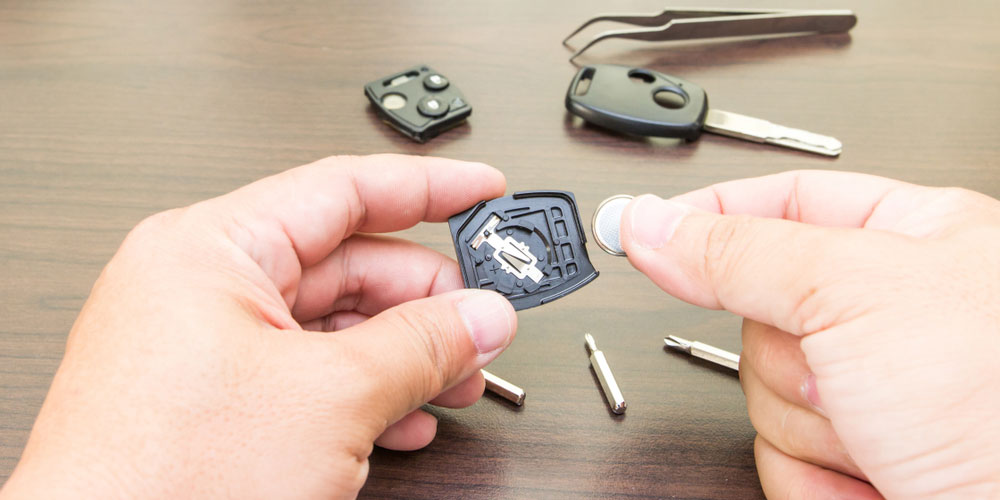
Step-by-step Replacement Guide
Follow these simple steps to replace your key fob battery:
- Open the key fob. Use a small screwdriver or coin. Be gentle to avoid damage.
- Remove the old battery. Note its position for the new one.
- Insert the new battery. Ensure the positive side matches the old battery.
- Close the key fob securely. Check for any gaps.
- Test the key fob. Ensure it communicates with the car effectively.
These steps help you replace the battery easily. Regular checks keep your key fob reliable. Never ignore low battery warnings. It prevents unexpected car troubles.
Preventive Measures
Preventive measures can help ensure your car starts without any issues. A low battery in your key fob can lead to unexpected problems. Taking simple steps can save you time and stress. Regular checks and small precautions can make a big difference.
Regular Battery Check
Check your key fob battery regularly. A routine check can help avoid surprises. Observe any signs of a weak battery. Slow response or a dim light indicates low power. Replace the battery if you notice these signs. A fresh battery ensures smooth operation.
Keeping A Spare Battery
Keep a spare battery in your car. It provides peace of mind. You won’t have to worry if your key fob dies. A spare battery can be a lifesaver. Store it in a safe, dry place. Ensure it is easily accessible. This small step can save you a lot of trouble.
When To Seek Professional Help
A low battery in your key fob can disrupt your car’s starting process. If the car struggles to start, or the keyless entry malfunctions, consider consulting a professional. Timely help prevents further issues, ensuring reliability and efficiency.
If you’ve ever found yourself stuck in a parking lot with a car that refuses to start, despite your key fob’s desperate clicks, you know the frustration. Often, a low battery in your key fob is the culprit, but what happens when a fresh battery doesn’t solve the problem? That’s when you might wonder if it’s time to call in the professionals. Understanding when to seek expert help can save you time, money, and a whole lot of stress.Persistent Issues
If replacing the battery in your key fob doesn’t resolve the problem, it’s time to consider other possibilities. A persistent issue with your car not starting, even after addressing the obvious, may indicate a deeper problem. Maybe you’ve noticed inconsistent responses from your car, like the doors unlocking sometimes but not others. These can be signs that the key fob or the car’s receiver needs professional attention. Don’t ignore these signals. Think of it like this: your key fob is a sophisticated piece of technology that communicates with your car. If the communication is faulty, your car won’t respond as expected. If you’re repeatedly facing these glitches, it’s a clear signal to consult a professional.Advanced Key Fob Problems
Sometimes, the problem isn’t just a simple battery swap. Advanced issues like a malfunctioning circuit board or programming errors can render your key fob useless. These are not DIY fixes. You might even find that your key fob works perfectly with other functions but fails to start the car. This indicates a possible issue with the car’s receiver system rather than the fob itself. Have you ever wondered how many times you’ve dropped your key fob? Physical damage can lead to internal issues that aren’t visible. If your key fob has taken a few too many tumbles, a professional can diagnose and fix any internal damage. When considering professional help, weigh the cost of a new key fob against the potential repair. Often, fixing a complex problem is more economical than replacing the entire unit. Remember, seeking expert advice can give you peace of mind and restore your car’s reliability. So, when should you seek professional help? When your efforts don’t resolve the issues, or if you suspect advanced problems. Don’t wait until you’re stranded; act promptly and keep your car running smoothly.
Credit: m.youtube.com
Frequently Asked Questions
What Are The Symptoms Of A Low Key Fob Battery?
A low key fob battery causes weak signal, inconsistent unlocking, and requires multiple presses to operate. The car may not recognize the fob. The key fob light might be dim or not illuminate. Replacing the battery can restore proper function quickly.
Regular maintenance prevents unexpected failures.
How To Start A Car With A Low Key Fob Battery?
Place the key fob near the start button. Press the brake and push the start button. The car should start. Replace the key fob battery soon to avoid further issues.
Is The Fob Weakened, Its Battery Will It Affect Starting My Car?
A weakened FOB battery can prevent your car from starting. Replace the battery to ensure proper functionality. Use a backup key or manual unlock if needed. Regularly check battery life to avoid issues. Most modern cars require a strong FOB signal to start.
Does A Low Battery Affect Remote Start?
A low battery can affect remote start functionality. Insufficient power may prevent the remote from sending signals. Regularly check and replace the remote’s battery to ensure optimal performance. A well-maintained battery ensures reliable remote start operation, especially in cold weather conditions.
Conclusion
A low battery in your key fob can cause car starting issues. It’s important to keep your key fob battery fresh. Change it regularly to avoid problems. Your car relies on the signal from the key fob. A weak signal might prevent the car from starting.
Simple and quick fixes can save time and frustration. Always check the key fob if the car doesn’t start. It’s a small detail but crucial. Don’t overlook it. Keep your car’s start-up smooth. Regular maintenance is key. This ensures everything runs well.
Stay proactive with your key fob battery.

Ethan Montgomery is the administrator of carweldhub.com and an expert in the automotive industry. With hands-on experience in welding and a deep understanding of automotive parts and accessories, Ethan brings a wealth of practical knowledge to his work. His passion for the automotive field extends to blog writing and editing, where he shares valuable insights and tips with enthusiasts and professionals alike. Whether you’re looking for detailed technical advice or the latest trends in automotive technology, Ethan’s expertise makes him a trusted resource in the automotive community.