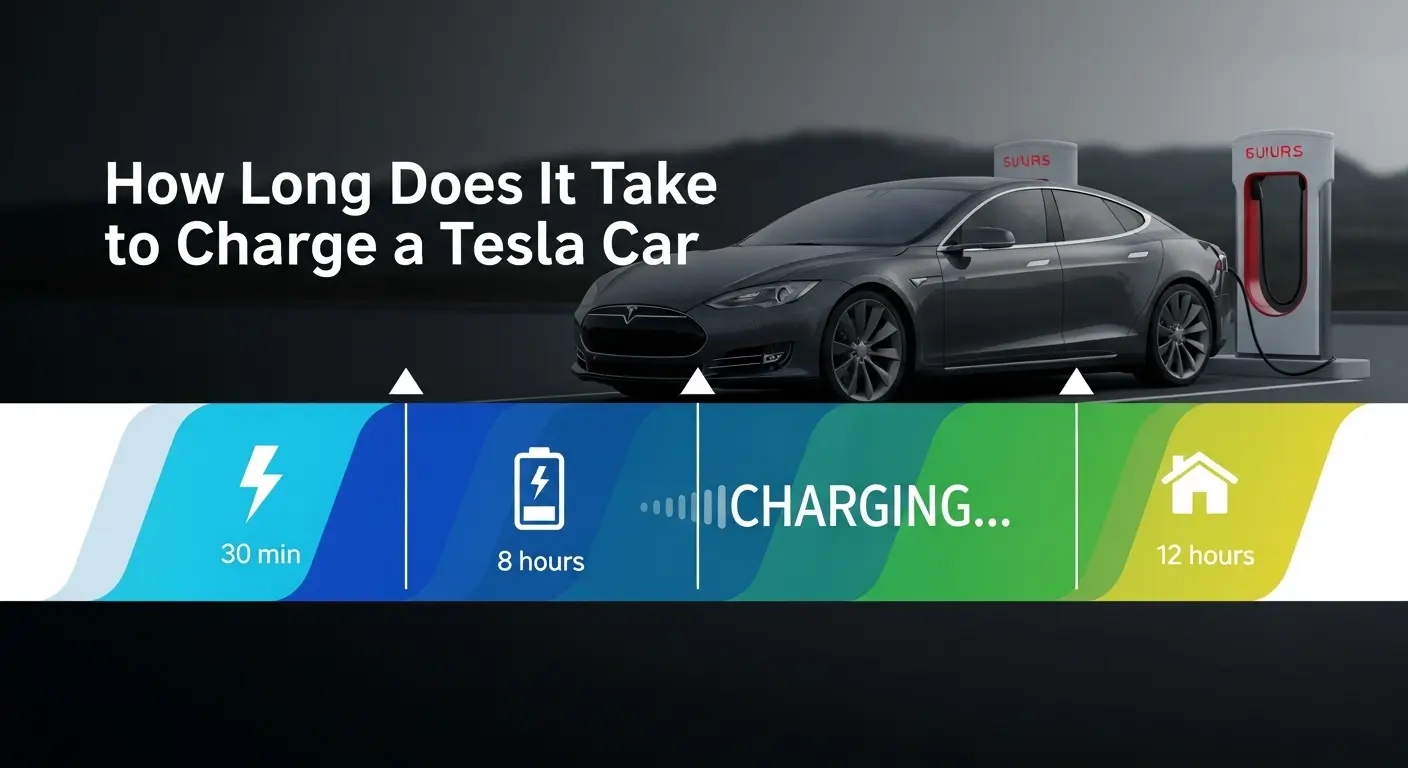
How Long Does It Take to Charge a Tesla Car: Quick Guide
Have you ever wondered how long it takes to charge a Tesla car? As electric vehicles continue to zoom into our lives, understanding charging times is crucial for planning your daily adventures and road trips.
Whether you’re considering a Tesla for your next car purchase or you’re already a proud owner, knowing how charging works can save you time and energy. We’ll break down the charging process for you, so you can hit the road with confidence and ease.
Get ready to uncover the secrets behind Tesla’s charging times and learn how to maximize your vehicle’s potential. Stay with us, and you’ll be an expert on Tesla charging in no time!

Credit: www.greencarguide.co.uk
Charging Time Factors
Charging a Tesla involves different time factors. These factors depend on the car model and the charging method. Understanding these can help plan your charging schedule better. Here, we explore key factors affecting Tesla charging times.
Battery Size And Model
Tesla offers various models with different battery sizes. Larger batteries take longer to charge. For example, the Model S has a bigger battery than the Model 3. This means the Model S may need more charging time. Each model also has unique charging capabilities. These features can influence how quickly it charges.
Charging Method
The charging method significantly impacts the charging time. Tesla provides several charging options. The most common are home charging and Supercharging. Home chargers are slower but convenient for overnight charging. Tesla Superchargers provide faster charging speeds. They can charge a car up to 80% in about 30 minutes. Other charging stations might offer different speeds. The type of charger used directly affects the overall charging duration.
Types Of Charging Options
Tesla cars offer various charging options, each with its unique benefits. Understanding these options can help you plan your travel and daily use efficiently. Let’s explore the types of charging options available for Tesla vehicles, highlighting their features and benefits.
Superchargers
Superchargers are Tesla’s fast charging stations. They are designed for quick top-ups during long trips. Charging a Tesla at a Supercharger can take around 15 to 30 minutes for a significant charge. These stations are strategically placed along popular routes. They ensure you can travel long distances without lengthy stops.
Home Charging Stations
Home charging stations provide convenience for daily use. Installing a Tesla Wall Connector in your garage or driveway offers a reliable overnight charging solution. Charging at home typically adds about 44 miles of range per hour. This means you can wake up with a full battery every morning.
Public Charging Stations
Public charging stations are found in various locations like shopping centers and parking lots. They provide charging for Tesla owners when away from home. These stations vary in speed and availability. Some offer fast charging similar to Superchargers, while others provide slower charging options. This variety ensures flexibility for Tesla drivers during daily commutes or errands.
Impact Of Charging Speed
Charging a Tesla car varies based on speed. Understanding this impact helps optimize your charging experience. Fast charging stations offer quick refueling, while slower methods provide other benefits. Knowing these differences can guide your charging choices.
Fast Charging Benefits
Fast charging saves time. It allows drivers to quickly resume their journey. Tesla Superchargers can add up to 200 miles in 15 minutes. This speed is ideal for long trips or busy schedules. Fast charging also reduces wait times at stations. Busy areas often have Superchargers available.
Fast charging is convenient for commuters. It means less time spent on charging. This convenience can make electric cars more appealing. Fast charging stations are often strategically located. Finding one on the road is often easy.
Slow Charging Considerations
Slow charging is often cheaper. Home chargers provide a steady charge overnight. This method is suitable for daily use and short trips. Slow charging is gentle on the battery. It reduces wear and extends battery life.
Slow charging offers flexibility. It’s perfect for home use. Plug in your car after work, and it’s ready by morning. Slow charging stations are widely available. Public spots and workplaces often have these options. They offer a practical solution for regular use.

Credit: wgntv.com
Optimizing Charging Time
Optimizing the charging time of a Tesla car can enhance efficiency. Knowing the best practices for charging ensures you’re always ready to hit the road. Let’s explore how scheduled charging and battery management can help.
Scheduled Charging
Scheduled charging allows you to set specific times to charge your Tesla. This feature is useful for taking advantage of lower electricity rates. Charging during off-peak hours can save money and reduce demand on the grid.
To use scheduled charging, go to your car’s touchscreen. Select ‘Charging’ and choose ‘Scheduled Departure.’ Set the time you want the car to be ready. The system calculates the optimal charging time based on your schedule.
Scheduled charging also helps maintain battery health. It avoids unnecessary charging cycles, which can wear down the battery over time.
Battery Management Tips
Proper battery management is crucial for optimizing charging time. Avoid letting your battery level drop too low. Tesla recommends keeping the battery between 20% and 80% for daily use.
Extreme temperatures can affect charging speed. Park in shaded areas during hot weather. In cold weather, preheat your vehicle before charging.
Regularly update your Tesla’s software. Updates often include improvements to battery management and charging efficiency.
Monitor your charging habits. Use the Tesla app to track your energy usage. Adjust your habits based on this data for better efficiency.
Cost Implications
Charging a Tesla involves various costs that impact your budget. Understanding these costs helps in managing your expenses. Let’s explore the main cost factors involved in charging a Tesla car.
Electricity Costs
The cost of electricity varies by location. Each state or country may have different rates. Charging at home typically costs less than public stations. You can calculate costs by multiplying electricity rates with the car’s battery capacity. This gives a rough idea of the expense per charge.
Charging Station Fees
Public charging stations may have different fees. Some stations charge per kilowatt-hour. Others may charge by the minute or offer a flat rate. Tesla Superchargers often have their own pricing. These fees can add up over time. Consider these costs when planning road trips or long drives.
Future Charging Innovations
The future of Tesla charging is exciting. New innovations promise faster charging times. As technology evolves, Tesla cars will charge more efficiently. This is great news for Tesla owners worldwide.
Advancements In Technology
Advancements in technology are changing how Tesla cars charge. Companies are working on better charging stations. These stations use advanced materials for faster energy transfer. Wireless charging is another technology on the horizon. It could allow Tesla owners to charge without cables. Smart grids can also improve charging times. They manage energy distribution more efficiently.
Potential Time Reductions
New technologies could cut charging times significantly. Faster chargers and better batteries play a key role. Imagine charging your Tesla in less than an hour. This would make electric vehicles even more convenient. Shorter charging times could encourage more people to switch to electric cars. The future looks bright for Tesla owners.
Credit: www.motortrend.com
Frequently Asked Questions
How Long Does It Take To Charge A Tesla Car At A Charging Station?
Charging a Tesla at a Supercharger takes about 15-30 minutes for a 50% charge. Home chargers usually take several hours, approximately 8-12 hours for a full charge. Charging time varies based on the specific Tesla model and the charging station’s power output.
How Far Will A Tesla Go On A Full Charge?
A Tesla can travel between 262 to 405 miles on a full charge, depending on the model. The Model S Long Range offers the highest range. Tesla’s range can vary due to driving conditions, speed, and weather. Regular updates and maintenance ensure optimal performance and battery efficiency.
Can You Charge A Tesla In 30 Minutes?
Yes, you can charge a Tesla in about 30 minutes using a Supercharger. Superchargers rapidly charge Tesla batteries, providing up to 200 miles of range. Charging speed can vary based on battery size and current charge level. Ensure availability of Superchargers along your route for quick charging stops.
How Much Does It Cost To Charge A Tesla At A Charging Station?
Charging a Tesla at a station costs approximately $0. 25 per kWh. Prices can vary based on location and time. Tesla Superchargers may charge fees for idle time if your car remains plugged in after charging is complete. Always check the specific station for current rates and any additional fees.
Conclusion
Charging a Tesla varies with each method. Home charging takes longer. Superchargers are faster. The charging time depends on your Tesla model too. Planning your charging schedule helps. Use time wisely while your car charges. Enjoy a coffee or a walk.
Understand your needs. Choose a charging option that fits your lifestyle. Remember, patience pays off. Charging times improve as technology advances. Tesla owners adapt quickly. Embrace the journey. Enjoy the electric ride.

Ethan Montgomery is the administrator of carweldhub.com and an expert in the automotive industry. With hands-on experience in welding and a deep understanding of automotive parts and accessories, Ethan brings a wealth of practical knowledge to his work. His passion for the automotive field extends to blog writing and editing, where he shares valuable insights and tips with enthusiasts and professionals alike. Whether you’re looking for detailed technical advice or the latest trends in automotive technology, Ethan’s expertise makes him a trusted resource in the automotive community.