Can You Survive a Motorcycle Crash at 70 Mph: Discover How
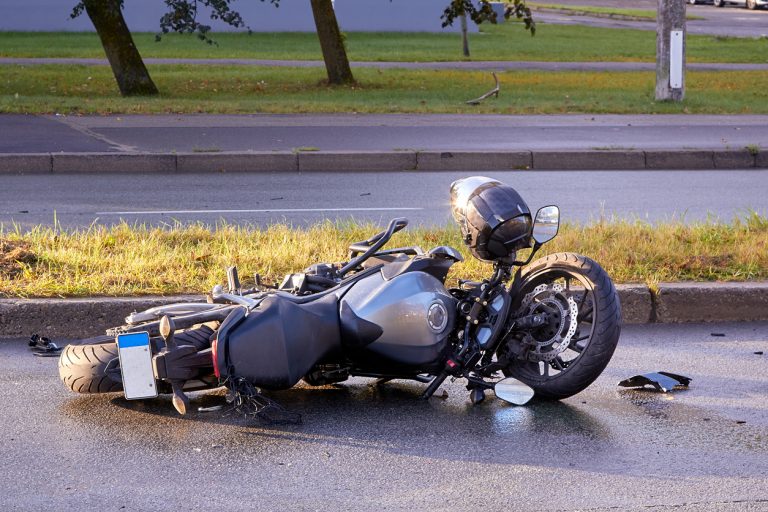
Imagine cruising down the highway, the wind rushing past as you enjoy the freedom and thrill of riding your motorcycle. But suddenly, a split-second decision leads to an unexpected crash at 70 mph.
It’s a situation none of us want to face, yet it’s crucial to understand what could happen and how you can increase your chances of survival. We’ll delve into the reality of high-speed motorcycle crashes and explore the factors that can influence outcomes.
Your safety is paramount, and knowing these insights could be the difference between life and death. Are you prepared to uncover the truth and arm yourself with potentially life-saving knowledge? Read on to discover what you need to know to survive a motorcycle crash at such high speeds.
Physics Of High-speed Motorcycle Crashes
Understanding the physics of high-speed motorcycle crashes can be daunting, yet it’s crucial for any rider. When you’re riding at 70 mph, the forces at play are immense and often life-threatening. The combination of speed, angle, and impact can determine the severity of the crash. Familiarizing yourself with these dynamics might make you more cautious on the road, potentially saving your life.
Impact Forces At 70 Mph
At 70 mph, the force of impact is significantly higher than at lower speeds. Imagine hitting a solid object while traveling at this speed; the energy transferred can be devastating. The force is distributed across your body, often leading to severe injuries. Your bike’s weight adds to this force, making the impact even more brutal.
Think about the sudden deceleration. Your body goes from high speed to zero in an instant, which can cause internal injuries. Helmets and protective gear help, but they can’t fully absorb the force. This is why understanding impact forces is essential for every rider.
Body Dynamics During A Crash
During a crash, your body behaves unpredictably. The initial impact might throw you off your bike, leading to further injuries. How your body moves during the crash can affect the outcome. You might slide, roll, or even get trapped under your bike.
Consider how your body reacts when thrown into the air. The distance and speed of your travel can increase injury risks. Protective gear can mitigate some effects, but maintaining control is key. Understanding these dynamics might prompt you to adopt safer riding habits.
Have you ever wondered how you would react in a high-speed crash? Would your instincts kick in, or would you freeze? Knowing your potential reactions can prepare you mentally and physically.
By grasping the physics of high-speed crashes, you can make informed decisions on your safety gear and riding practices. Remember, every ride is a chance to practice safety and reduce risks. So, what’s your next step towards safer riding?
Factors Influencing Survival
Speed, protective gear, and road conditions significantly impact survival chances in a motorcycle crash at 70 mph. Wearing a helmet and protective clothing increases safety, while alertness on the road helps avoid accidents.
Surviving a motorcycle crash at 70 mph is a daunting thought. Yet, various factors can significantly influence the outcome. Understanding these factors could be the difference between life and death.Role Of Protective Gear
The gear you wear could be your first line of defense. Helmets, jackets, gloves, and boots are not just for style—they’re lifesavers. A helmet can reduce the risk of head injury by 69%, and a well-padded jacket can minimize impact injuries. Imagine sliding across asphalt without proper gear. The idea alone is terrifying. Investing in quality protective gear is not just wise; it’s essential.Importance Of Riding Skills
Your skills on the motorcycle could determine your fate in a crash. Skilled riders know how to react quickly and effectively. They can avoid potential hazards by making split-second decisions. Have you ever taken a motorcycle safety course? If not, it might be time to consider it. Courses can teach you how to handle unexpected situations, and those skills can be lifesaving.Environmental Conditions
Weather and road conditions play a crucial role in crash outcomes. Wet or icy roads can be treacherous, increasing the risk of losing control. Riding at night also adds the challenge of reduced visibility. Check the weather before you ride. Adjust your speed and riding style to match the conditions. Remember, even the best riders are vulnerable to environmental factors. Your survival in a motorcycle crash at 70 mph isn’t just about luck. It’s about preparation, skill, and awareness. Are you truly ready for the ride?Protective Gear Essentials
Motorcycle crashes at 70 mph pose serious risks. Protective gear essentials can greatly increase survival chances. Helmets, jackets, gloves, and boots shield vital areas from impact and abrasions.
In the world of motorcycling, safety is paramount. Protective gear can be the difference between life and death. Especially at high speeds like 70 mph. Equipping yourself with the right gear reduces injury risks. It offers essential protection against severe crashes. Let’s explore the protective gear essentials. These can save your life on the open road.Helmets And Head Protection
Helmets are the most crucial gear for motorcyclists. They protect your head from severe injuries. A good helmet absorbs impact and reduces trauma. Always choose helmets that meet safety standards. Full-face helmets offer the most protection. They cover your entire head and face. Ensure the helmet fits snugly for maximum safety. Remember, wearing a helmet is not just a choice. It’s a necessity.Body Armor And Jackets
Body armor protects vital organs and bones. Jackets with built-in armor enhance safety. Look for CE-certified armor for quality assurance. These jackets shield your back, chest, and arms. Materials like leather or textile offer durability. They resist abrasions during a crash. Ventilation in jackets keeps you cool and comfortable. Reflective strips enhance visibility at night. Choose a jacket that fits well for optimal protection.Gloves And Boots
Gloves and boots are essential for hand and foot protection. Gloves safeguard your hands from abrasions. They provide grip and control over the bike. Look for gloves with reinforced palms and knuckles. Boots protect your feet and ankles during a crash. They should cover your ankles for added support. Opt for boots made from durable materials. Proper footwear reduces the risk of fractures. Always ensure they fit well and are comfortable.Riding Techniques For Safety
Riding a motorcycle at high speeds can be exhilarating, but it’s not without risks. You might wonder if you could survive a crash at 70 mph. While there’s no guaranteed outcome, using the right riding techniques can significantly increase your chances of staying safe. Let’s dive into some essential skills that every rider should master.
Braking And Maneuvering Skills
Proper braking is crucial when riding at high speeds. You need to know how to use both the front and rear brakes effectively. Applying them too abruptly can lead to loss of control. Practice squeezing the brake lever gently yet firmly.
Maneuvering is equally important. The ability to swerve or change direction swiftly can prevent accidents. Try practicing figure eights and sharp turns in a safe environment. This builds muscle memory, enabling quick reactions.
Have you ever thought about the difference a split second can make? Improving your braking and maneuvering skills could be the key to avoiding a disaster.
Defensive Riding Strategies
Defensive riding is not just a strategy; it’s a mindset. Anticipate the actions of other drivers. Assume they might not see you and be prepared to react. This proactive approach keeps you alert and ready for unexpected situations.
Maintain a safe distance from other vehicles. This buffer zone gives you time to react and avoid collision. Think of it as your personal safety net.
Are you actively assessing the risks around you? Defensive riding ensures you’re not caught off guard.
Awareness Of Surroundings
Being aware of your surroundings is more than just looking ahead. Check your mirrors frequently and scan your environment for potential hazards. This constant vigilance is your first line of defense.
Consider the road conditions and weather. Wet roads or poor visibility can increase risks dramatically. Adjust your riding style accordingly.
Do you trust your instincts to alert you to danger? Enhancing your awareness can be a lifesaver.
By honing these riding techniques, you enhance your chances of staying safe on the road. Each skill is a piece of the puzzle that contributes to your overall safety. Practice them regularly, and remember: preparation is your best protection against the unexpected. Ride smart, ride safe.
Emergency Response And Medical Care
Surviving a motorcycle crash at 70 mph requires prompt emergency response and medical care. The moments after a crash are crucial. Immediate actions can make a significant difference in outcomes. Quick medical attention is vital to address injuries and prevent complications. Long-term recovery considerations are necessary for healing and returning to normal life.
Immediate Actions Post-crash
Stay calm and assess the situation. Check for any serious injuries. Call emergency services immediately. If possible, move away from traffic. Safety is the priority. Keep still if you suspect spinal injuries. Wait for professional help to arrive.
Importance Of Quick Medical Attention
Rapid medical care increases survival chances. Emergency teams can manage severe injuries. They stabilize the patient and control bleeding. Speedy transport to a hospital is essential. Doctors can perform necessary surgeries. Quick care minimizes long-term damage.
Long-term Recovery Considerations
Recovery can be lengthy after a crash. Physical therapy might be required. It helps regain strength and mobility. Mental health support is important too. Traumatic events can affect emotional well-being. Regular follow-ups ensure proper healing. Lifestyle adjustments may be needed for safety.

Credit: www.sinklaw.com
Case Studies And Real-life Experiences
Exploring the raw reality of surviving a motorcycle crash at 70 mph involves more than statistics. Real-life experiences and case studies shed light on the odds. They bring stories of courage, resilience, and lessons learned the hard way. These accounts reveal the human side of survival. They provide insights into what it takes to endure such a life-threatening event.
Survivor Stories
Many riders who survived crashes at high speeds share gripping tales. John, a seasoned rider, faced a crash at 70 mph. He recalls the feeling of time slowing down. He describes the sound of metal scraping asphalt. His protective gear saved him from severe injuries. Another survivor, Lisa, emphasizes the role of quick reflexes. She managed to steer away from oncoming traffic. Her story highlights the importance of staying calm in chaos.
Lessons Learned From Crashes
Survivors of high-speed crashes often share valuable lessons. Proper gear stands out as a crucial factor. Helmets, jackets, and boots can mean the difference between life and death. John stresses that his helmet saved his life. Riders also emphasize the need for defensive driving. Anticipating other drivers’ actions can prevent accidents. Lisa learned to always keep an escape route in mind. Awareness and preparation can drastically improve survival chances.
Advancements In Motorcycle Safety
Motorcycle safety gear advancements are enhancing survival rates in high-speed crashes. Helmets and protective gear now offer better impact absorption. Innovations like airbags for jackets significantly reduce injuries at 70 mph, increasing rider safety.
Riding a motorcycle at high speeds can be exhilarating. However, the risks are significant. Fortunately, advancements in motorcycle safety are making a difference. With technology enhancing protective gear and future trends pointing towards smarter solutions, the chances of surviving a high-speed crash are improving.Technological Innovations
Recent years have seen a boom in safety technology for motorcycles. Anti-lock braking systems (ABS) are now a standard feature, helping riders maintain control during sudden stops. This system can be life-saving, especially at high speeds. Airbag vests are another innovative breakthrough. These vests inflate upon impact, providing a cushion to protect vital organs. A friend of mine credits one of these vests for minimizing injuries in a crash. Moreover, helmets are getting smarter. Modern helmets come equipped with Bluetooth connectivity and built-in cameras, allowing riders to communicate and record footage safely.Future Trends In Safety Equipment
The future of motorcycle safety looks promising. Smart helmets with augmented reality displays could soon be the norm, offering riders real-time navigation and hazard alerts. Meanwhile, manufacturers are exploring self-balancing technology. Imagine a bike that stabilizes itself when it senses a potential fall. This could significantly reduce the risk of accidents. Wearable technology is also on the rise. Jackets and pants embedded with impact sensors could alert emergency services immediately after a crash. This could be a game-changer in getting timely help. Are you ready for these advancements? How might they change your riding experience? Embracing new safety technologies could be the key to enjoying the thrill of speed while staying safe.
Credit: www.facebook.com

Credit: www.reddit.com
Frequently Asked Questions
At What Speed Does A Motorcycle Crash Become Fatal?
Motorcycle crashes can become fatal at speeds as low as 30 mph. Factors like road conditions and protective gear also influence outcomes. Always prioritize safety to reduce risks.
What Are The Odds Of Surviving A Motorcycle Crash?
Survival odds in motorcycle crashes depend on factors like speed, gear, and road conditions. Wearing protective gear significantly improves survival rates. Statistics show that motorcyclists are 27 times more likely to die than car occupants. Riding cautiously and using safety equipment can enhance survival chances.
What Is The Fastest Motorcycle Crash Survived?
The fastest motorcycle crash survived was by Guy Martin. He crashed at 273 mph during a land speed record attempt in 2016. Despite the high-speed accident, he only sustained minor injuries, showcasing incredible resilience and luck.
What Happens To The Body In A Motorcycle Crash?
A motorcycle crash can cause severe injuries. Riders may experience broken bones, head trauma, and internal injuries. Protective gear like helmets and pads can reduce damage. Immediate medical attention is crucial to minimize long-term effects. Safety precautions and responsible riding significantly decrease the risk of accidents and injuries.
Conclusion
Surviving a motorcycle crash at 70 mph is challenging. Protective gear can reduce injuries. Helmets, jackets, and boots are essential. Awareness of road conditions helps too. Riding defensively is crucial. Practice safe riding techniques regularly. Remember, speed increases risk. Always plan your rides carefully.
Understand your limits and the bike’s capabilities. Stay focused on the road. Safety should be your priority. Each ride demands respect for risks. Prioritize safety to enjoy the thrill. Be prepared for unexpected situations. Every ride is a new experience.
Stay safe and ride smart.

Colin Radner is an automotive enthusiast with a deep passion for cars and welding. With over five years of hands-on experience in welding, Colin brings a unique perspective to the automotive world. His expertise in welding, combined with his love for all things car-related, allows him to write insightful and informative blog posts that resonate with automotive lovers and DIY mechanics alike. When he’s not writing, you can find him working on car repairs, restoring vintage models, or exploring the latest trends in the automotive industry. Colin’s dedication to the craft and his ability to break down complex topics makes him a trusted voice in the automotive blogosphere.