What are Chicken Strips on Motorcycle Tires: Explained
Have you ever glanced at your motorcycle tires and noticed those untouched strips along the edges? If you’re curious about what these are and why they’re there, you’re not alone.
These untouched areas are known as “chicken strips,” and they can reveal quite a bit about your riding style and habits. Understanding chicken strips on motorcycle tires is not just about satisfying your curiosity; it’s about enhancing your riding skills and ensuring your safety on the road.
Stick around to discover what these strips mean for you as a rider, how they affect your bike’s performance, and why they might just be the key to unlocking a more confident ride.
Chicken Strips: The Basics
Have you ever glanced at your motorcycle tires and noticed those untouched edges? These are known as “chicken strips,” a term that might sound funny but has a serious place in the world of motorcycling. Understanding chicken strips can offer insights into your riding style and even your confidence on the road.
Definition Of Chicken Strips
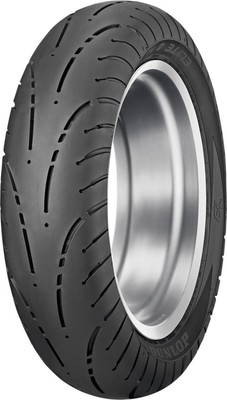
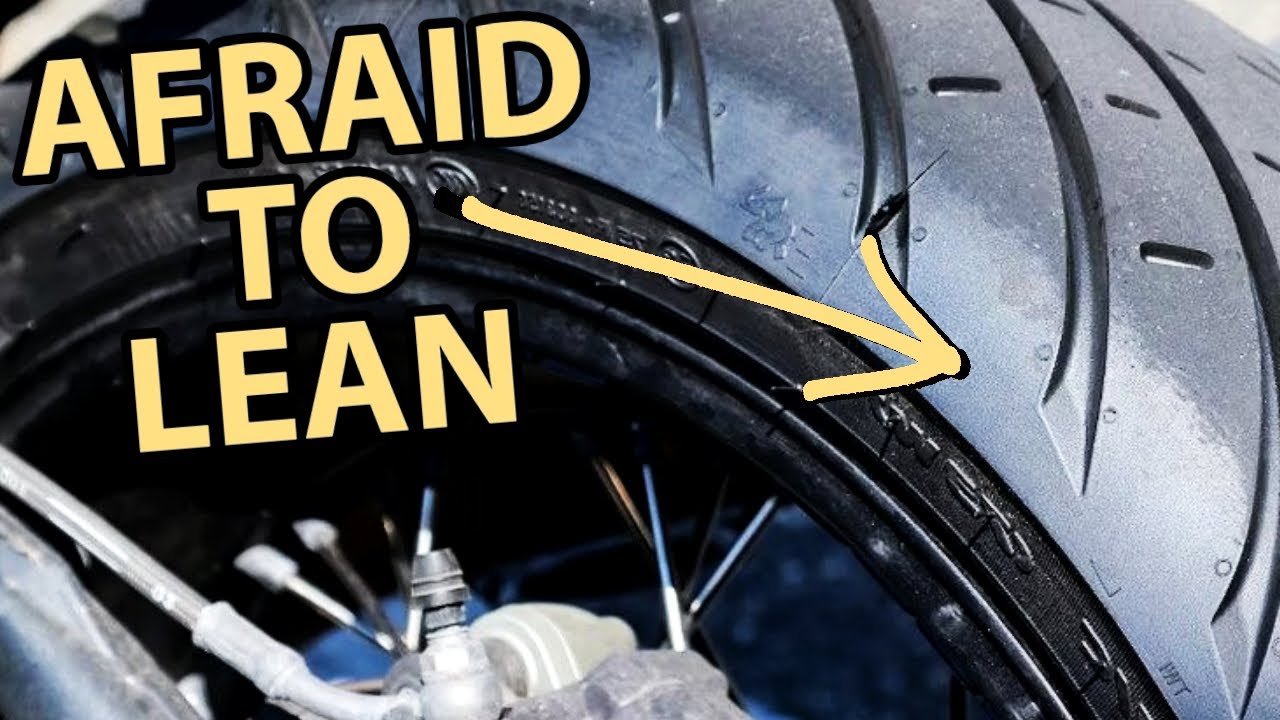
Chicken strips are those narrow bands on the outer edges of your motorcycle tires that remain unworn. They appear because the tire hasn’t been leaned enough to make contact with the road. Essentially, they show how much you lean your bike while cornering.
Think of them as a badge of your riding habits. A wider strip might suggest you’re more cautious in corners, while a narrower one could indicate you’re more aggressive. But don’t stress too much about their width—it’s not a competition.
Origin Of The Term
The term “chicken strips” comes from the idea that riders are “chicken,” or scared to lean their bikes fully in turns. It’s a playful jab at those who may not push their bikes to the limits.
Years ago, seasoned riders would tease newbies about their wide chicken strips, encouraging them to gain confidence in cornering. It’s become a part of the biking culture, a light-hearted way to gauge and motivate riders.
Have you looked at your tires lately? What do your chicken strips say about your riding style? Whether you’re a cautious cruiser or a daring speedster, these strips can tell a story about your road adventures.
Tire Anatomy
Understanding tire anatomy helps you grasp the concept of chicken strips. Motorcycle tires have unique designs tailored for safety and performance. These components work together to ensure a smooth ride. From the outer tread to the inner layers, each part plays a role.
Structure Of Motorcycle Tires
The structure of motorcycle tires includes several layers. The outer layer is the tread. It provides traction and grip. Beneath the tread is the carcass. This layer gives the tire its shape and strength. Inside, you’ll find the bead. It secures the tire to the wheel rim. Each layer contributes to overall tire performance. These elements work together to enhance riding experience.
Importance Of Tread Patterns
Tread patterns are crucial for tire safety. They help channel water away. This reduces the risk of slipping on wet roads. Patterns also improve grip on different surfaces. Some tires have deeper grooves for off-road use. Others have smoother patterns for racing tracks. The right tread pattern can affect ride quality. It’s essential for ensuring a safe and comfortable journey.
Formation Of Chicken Strips
Chicken strips on motorcycle tires are common. They appear as untouched edges of the tire. These strips form due to certain riding habits. Riders often show varied behaviors on different terrains. This variation affects tire usage.
Understanding the formation helps in improving riding skills. It also ensures better tire performance. The following sections explore the factors influencing chicken strips.
Riding Behavior And Lean Angles
Riding behavior greatly impacts chicken strips. Lean angles are crucial here. Beginners usually maintain a straight position. This leads to larger chicken strips. Experienced riders lean more during turns. Their tires show minimal untouched areas.
Leaning helps in better cornering. It uses more of the tire surface. Riders who avoid leaning create wider strips. Observing lean angles offers insights into riding proficiency.
Impact Of Riding Style
Riding style plays a key role in strip formation. Aggressive riders often have narrow strips. This is due to frequent sharp turns. Smooth riders maintain wider strips. Their riding style is relaxed and controlled.
Consistent practice can change riding style. It can reduce the size of chicken strips. Riders should focus on balanced maneuvers. This ensures even tire wear and better grip.
Credit: www.youtube.com
Misconceptions And Myths
Many riders have heard about chicken strips on motorcycle tires. These strips often spark debates and discussions among bikers. Misconceptions and myths surround these tire marks. Some believe they indicate riding skill. Others think they reflect a lack of adventure. Let’s dive into some common misunderstandings.
Safety Implications
Many riders associate chicken strips with safety. They assume wider strips mean cautious riding. This belief can create undue pressure to eliminate them. Narrow strips don’t guarantee better riding skills. Safety depends on many factors. Riding conditions, experience, and tire quality play crucial roles. Chicken strips alone don’t determine a rider’s safety level.
Performance Misunderstandings
Performance myths also surround chicken strips. Some riders think thinner strips mean better handling. This isn’t always true. Handling depends on the tire’s design and the bike’s setup. The rider’s skill greatly influences performance. Chicken strips don’t directly affect speed or agility. Proper tire maintenance is more crucial for optimal performance.
Influence On Riding Culture
Motorcycle culture is rich with unique terms. One such term is “chicken strips”. These are the unworn edges on motorcycle tires. They indicate how far a rider leans their bike during turns. In riding culture, these strips hold significant meaning. They tell stories of skill, caution, and style.
Perception Among Riders
Chicken strips often lead to debates. Riders see them in different lights. Some view them as badges of caution. They believe safety comes first. Others see them as signs of inexperience. These riders often boast thinner strips. This perception fuels friendly competitions. Riders compare their tire wear proudly.
Impact On Rider Confidence
Chicken strips affect rider confidence deeply. New riders may feel pressured. They might worry about judgment. Experienced riders feel empowered. Thin strips boost their confidence. They signify skill in cornering. This confidence impacts overall riding style. It encourages more daring maneuvers. Yet, safety remains crucial.
Credit: www.reddit.com
Reducing Chicken Strips
Chicken strips on motorcycle tires are the unworn edges indicating a rider’s lean angle. Reducing them showcases enhanced cornering skills, reflecting increased confidence and experience on the road.
Reducing chicken strips on motorcycle tires is a pursuit many riders are familiar with. These untouched strips of rubber on the edges of your tires are often seen as a badge of inexperience. But more than that, reducing them can mean you’re maximizing the performance and handling capabilities of your bike. The journey to lean further into those corners is both an art and a skill, and it’s one that requires patience and practice. So, how do you get those chicken strips to shrink and your confidence to grow?Techniques For Improved Lean
Improving your lean angle doesn’t happen overnight, but there are specific techniques that can help. Start with your body position. Keep your body relaxed and lean with the bike, rather than just moving the bike under you. Try to look through the corner, not at it. This helps your body naturally follow your head and eyes. Consider taking a professional riding course. These courses can provide personalized feedback and coaching, which can be invaluable.Role Of Practice And Experience
Experience is a powerful teacher when it comes to reducing chicken strips. Regular practice helps you understand your bike’s limits and your own comfort levels. Gradually increase your speed and lean angle in a controlled environment, like a track day. This allows you to safely explore the capabilities of your machine. Think back to when you first started riding. Remember how each ride built your confidence? The same applies here—each ride, each corner, is a step toward improvement. Are you ready to take your riding to the next level? Remember, it’s not just about the chicken strips. It’s about becoming a more skilled and confident rider.Expert Opinions
Motorcycle tires often display unused tread, called “chicken strips,” a term reflecting cautious cornering by riders. Experts suggest these strips indicate a rider’s comfort level and confidence, impacting how much they lean during turns. Understanding tire wear patterns helps riders improve skills and safety.
When it comes to motorcycle tires, especially those on sportbikes, you’ve likely heard the term “chicken strips.” These refer to the unworn edges of a tire, indicating how far a rider leans the bike during turns. While some riders take pride in having minimal chicken strips, others see it as a sign of aggressive riding. But what do the experts say about this? Let’s dive into some expert opinions to understand the significance of chicken strips on motorcycle tires.Insights From Professional Riders
Professional riders often view chicken strips as a learning tool rather than a status symbol. They emphasize that these strips can offer valuable insights into your riding style and comfort level with leaning the bike. For instance, a wide chicken strip might suggest that you’re not leaning into corners as much as you could. This could be due to a lack of confidence or unfamiliarity with your bike’s capabilities. On the other hand, riders like to point out that having no chicken strips isn’t always a good thing. It might mean you’re pushing your bike too hard on public roads, which could be unsafe.Advice For Beginners
If you’re new to motorcycling, don’t stress too much about chicken strips. The focus should be on building your skills and confidence gradually. Experienced riders suggest starting with small, controlled leans in safe environments to understand your bike’s dynamics. One beginner rider shared that he initially obsessed over his chicken strips, trying to eliminate them as quickly as possible. However, he soon realized that this mindset was risky and shifted his focus to improving his cornering technique. Consider asking yourself: Are you riding safely and comfortably? Are you focusing on the road rather than the width of your chicken strips? Remember, every rider’s journey is unique. Use chicken strips as a guide for improvement, not as a measure of your riding prowess. Engage with your bike and enjoy the ride; the chicken strips will take care of themselves.
Credit: www.bertsmegamall.com
Frequently Asked Questions
What Causes Chicken Strips?
Chicken strips are made by cutting chicken breast into thin pieces. They are then breaded and fried or baked. This creates a crispy exterior and juicy interior, making them a popular meal or snack. Quality ingredients and proper cooking techniques ensure delicious chicken strips.
What Does “chicken Strips” Mean?
Chicken strips are breaded and fried or baked slices of chicken breast. They’re popular as snacks or meals. Often served with sauces, they’re crispy outside and tender inside. Perfect for dipping, chicken strips are loved by kids and adults alike.
Enjoy them at restaurants or make them at home.
Is It Bad To Put Tire Shine On Motorcycle Tires?
Applying tire shine on motorcycle tires is risky. It can make tires slippery, reducing grip and increasing accident chances. Use products designed for motorcycle tires to ensure safety and performance. Proper tire care enhances traction and longevity, ensuring a safe ride.
Always prioritize safety over aesthetics.
What Are Balancing Beads For Motorcycle Tires?
Balancing beads are tiny ceramic or glass spheres. They automatically balance motorcycle tires while riding. These beads distribute evenly inside the tire, ensuring a smooth ride. They improve tire longevity and reduce vibration. Balancing beads are easy to install and require no special equipment.
Conclusion
Chicken strips on motorcycle tires tell a story. They reveal riding habits and skill levels. Beginners often have larger strips. More experienced riders leave smaller ones. Safety comes first, though. Riders shouldn’t push limits just to reduce strips. Practice safe riding techniques.
Understand your bike and its capabilities. Enjoy the ride, whether you’re a newbie or a pro. Learning is ongoing in motorcycling. Embrace it. Respect the journey, and the road. Chicken strips serve as a reminder. Ride smart, stay safe, and have fun.
Each ride offers a chance to improve and learn.

Colin Radner is an automotive enthusiast with a deep passion for cars and welding. With over five years of hands-on experience in welding, Colin brings a unique perspective to the automotive world. His expertise in welding, combined with his love for all things car-related, allows him to write insightful and informative blog posts that resonate with automotive lovers and DIY mechanics alike. When he’s not writing, you can find him working on car repairs, restoring vintage models, or exploring the latest trends in the automotive industry. Colin’s dedication to the craft and his ability to break down complex topics makes him a trusted voice in the automotive blogosphere.