When Should You Have Your Headlights on?
Have you ever found yourself driving in low visibility and wondered if your headlights are on? Knowing when to use your headlights isn’t just a matter of law—it’s a crucial aspect of road safety.
It’s about protecting yourself, your passengers, and everyone else on the road. Imagine navigating through foggy conditions or a sudden downpour without the reassurance of your headlights guiding the way. Sounds risky, right? We’re going to illuminate the details on when to have your headlights on.
You’ll discover the best practices for different driving conditions and learn how proper headlight usage can dramatically increase your safety. Stick around, because by the end of this read, you’ll be better equipped to make smart decisions on the road, ensuring a safer journey for everyone.
Daytime Driving
Daytime driving can sometimes be tricky. You might think headlights are just for nighttime, but they play a crucial role even when the sun is up. Imagine driving on a cloudy day or through dense fog—visibility is key. Using your headlights in the daytime can make a huge difference in safety.
Cloudy Weather
Cloudy weather can significantly dim your surroundings. Have you ever driven on a gloomy day, feeling like the sky is pressing down? Turning on your headlights helps other drivers see you clearly. It’s not just about your visibility—it’s also about ensuring others can spot you.
Think about how often clouds obscure your vision, making everything seem a shade darker. Next time, try flipping on your headlights. Notice how it cuts through the murk, making your vehicle stand out. It’s a simple action but can prevent accidents.
Foggy Conditions
Fog can be deceptive. You might think you see clearly, but fog can hide obstacles and other vehicles. Have you ever been surprised by a car appearing out of nowhere in foggy conditions? That’s why headlights are essential.
In dense fog, rely on your headlights to improve visibility. Somecars have fog lights specifically for this reason. Do you use them when needed? If not, test them out next time. You’ll find they help you navigate through the haze safely.
Rainy Days
Rain can turn the roads into a slippery, unpredictable mess. Have you noticed how rain diminishes visibility? Headlights can cut through the rain, helping you see what’s ahead and ensuring others see you.
Consider how rain affects your vision and others’. Do you turn on your headlights when the sky opens up? If not, try it next time. You’ll notice a difference in how visible you are to others. It’s a small step that can make a big impact on road safety.
So, next time you’re driving during the day, ask yourself: are your headlights on? Even when the sun is up, they can be your best ally.
Nighttime Visibility
Driving at night can be challenging, especially when visibility is compromised. It’s crucial to know when to switch on your headlights to ensure you see clearly and others can see you. Proper use of headlights not only enhances your ability to navigate the roads but also keeps everyone safe. Let’s dive into different scenarios where turning on your headlights is essential for nighttime visibility.
Twilight Hours
Twilight can be misleading. The sky might still be lit, but shadows cast by trees and buildings can make it difficult for others to see you. This is a prime time to turn on your headlights. Think about the times you’ve driven during sunset; the changing light can play tricks on your eyes.
By using your headlights during these hours, you’re not just seeing better; you’re being seen. It’s about making sure your presence is felt on the road. Have you ever noticed how cars without headlights seem to disappear in the dusk?
Rural Roads
Rural roads often lack streetlights, making headlights a necessity. Driving in the countryside can be serene, but when the sun sets, it’s a different story. Animals, sharp curves, and unmarked paths pose unexpected challenges.
Your headlights illuminate potential hazards and give you more time to react. Remember the last time you encountered unexpected wildlife crossing the road? Those few seconds of visibility make all the difference.
Urban Areas
City driving might seem well-lit, but headlights still play a crucial role. They help distinguish your vehicle from the sea of lights around you. Streetlights can create confusing shadows, and intersections become tricky.
By keeping your headlights on, you’re not only improving your view but also signaling your presence to others. Consider the busy intersection where pedestrians and cyclists share the space; every bit of visibility counts.
So, when do you find yourself switching on your headlights? Could using them more often change your driving experience for the better?
Adverse Weather Conditions
Turn on your headlights during rain, fog, or snow to improve visibility. Dusk and dawn also require headlights for safety. It’s essential for both seeing the road and being seen by other drivers.
Adverse weather conditions can transform a simple drive into a daunting task. Proper lighting plays a crucial role in ensuring your safety on the road. Whether you’re caught in a downpour, navigating snowy roads, or driving through a dust storm, knowing when to use your headlights can make all the difference.
Heavy Rainfall
Driving in heavy rain reduces visibility significantly. The rain can blur your windshield, and other vehicles become harder to see. In such conditions, turning on your headlights ensures that you are visible to other drivers, reducing the risk of accidents. Most cars today have automatic headlights, but don’t rely solely on them. If rain clouds darken the sky, manually switch on your headlights. Remember, it’s not just about seeing but also being seen.
Snow And Ice
Snow and ice can reflect light, creating a whiteout effect. Headlights can help cut through this glare, providing a clearer view of the road ahead. Always use your low beams in snowy conditions to avoid blinding other drivers with reflected light. You might think daytime snow doesn’t require headlights. However, snow flurries can reduce visibility quickly. Keep your headlights on to help other drivers spot you amidst the white landscape.
Dust Storms
Dust storms are unpredictable and can engulf your vehicle in minutes. They create an environment where visibility is nearly zero. In such situations, headlights are essential for signaling your presence to other drivers. Consider this: if you can barely see the car in front of you, they probably can’t see you either. Use your headlights to maintain a visible profile, and if the storm becomes too intense, safely pull over until visibility improves. When was the last time you checked if your headlights were working properly? Regular maintenance ensures that they are ready when you need them most.
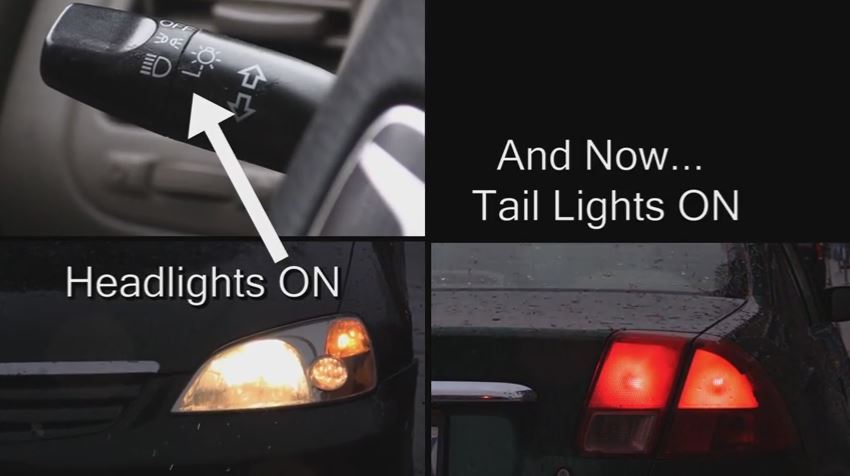
Credit: www.tranbc.ca
Legal Requirements
Understanding when to use your headlights is crucial for safe driving. It is not only about safety but also about following the law. Each region has specific rules for headlight use. Breaking these rules can lead to penalties. Let’s explore the legal requirements for using headlights.
State And Country Laws
Each state or country sets its own headlight laws. In many places, headlights must be on from sunset to sunrise. Others require them during rain, fog, or poor visibility. Some areas also mandate daytime running lights. Check your local laws to stay compliant.
Penalty For Non-compliance
Ignoring headlight laws can lead to fines. Penalties vary by region. Some regions issue warnings first. Others may impose hefty fines or points on your license. Repeated offenses can increase penalties. Always ensure your headlights work properly. This avoids unnecessary fines.
Safety Considerations
Having your headlights on is crucial for safety, yet many drivers often overlook this simple practice. Whether it’s daytime or nighttime, using your headlights effectively can make a significant difference in your driving experience. It’s not just about seeing; it’s about being seen and preventing unforeseen incidents.
Improving Visibility
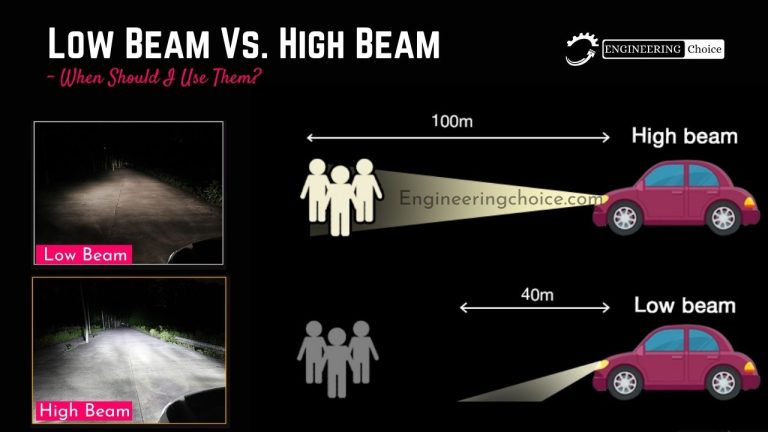
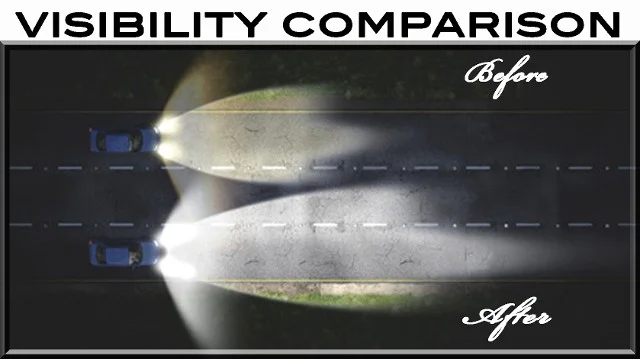
When visibility drops, your headlights become your best friend. They help you spot potential obstacles on the road, from pedestrians to unexpected wildlife. Imagine driving through a dense fog; your headlights cut through the murkiness, allowing you to navigate safely.
Think about those rainy days when water splashes up from the road. Your headlights can penetrate the haze, providing clarity and direction. It’s a simple action that makes a huge difference in maintaining awareness on the road.
Preventing Accidents
Did you know that using your headlights during the day can reduce the risk of accidents? They make your vehicle more noticeable to other drivers, helping prevent collisions. If you’ve ever driven in heavy traffic, you understand the importance of standing out.
Consider the early morning hours when the light is just beginning to change. Your headlights enhance your presence, alerting other drivers to your approach. Why take a risk when a simple switch can enhance your safety?
Have you ever questioned if your lights are bright enough for nighttime driving? This is a good time to check your headlights. Ensuring they are functioning correctly can prevent accidents and save lives.
So, when do you turn your headlights on? Next time you’re behind the wheel, think about the conditions around you and make the choice that keeps you and others safe. Your actions could be the difference between a safe trip and a dangerous one.

Credit: www.wikihow.com
Environmental Factors
Understanding when to turn on your headlights can improve driving safety. Environmental factors play a crucial role in this decision. They affect visibility and can change rapidly. Being aware helps ensure you are seen on the road.
Sunrise And Sunset
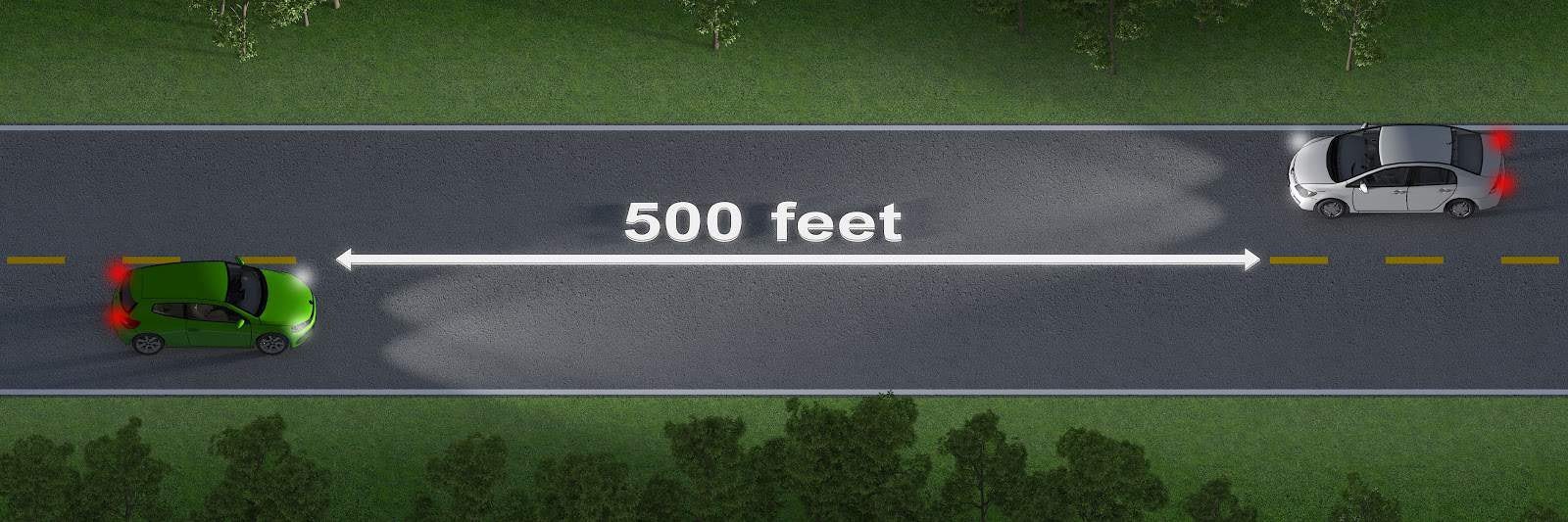
During sunrise and sunset, visibility decreases. Sunlight can create glare on windshields. This makes it harder to see the road. Turning on headlights helps other drivers see you. It’s a simple step to increase safety. The changing light can catch you off guard. Prepare by using your headlights during these times.
Changing Seasons
Seasons change the amount of daylight available. In winter, darkness comes earlier. This requires headlights to be on sooner. Weather conditions vary with seasons too. Rain, snow, and fog reduce visibility significantly. Headlights help you see and be seen by others. Spring and fall bring unpredictable weather changes. Stay alert and adjust your headlight use accordingly.
Credit: zutobi.com
Frequently Asked Questions
When Should You Turn On Headlights?
Turn on headlights during low visibility, at night, and in bad weather like rain, fog, or snow. Always use them in tunnels or when driving through shaded areas. Ensure headlights are on when driving at dawn or dusk. Proper usage improves safety and visibility on the road.
When Should Headlights Be Active?
Headlights should be active during low visibility conditions such as fog, rain, or snow. Use them at dusk, dawn, or nighttime. Turn on headlights when driving through tunnels or shaded areas. Always ensure headlights are clean and functional to enhance road safety.
Are You Supposed To Have Headlights On All The Time?
You don’t need headlights on all the time. Use them during low visibility, night, or adverse weather conditions. Some regions mandate daytime running lights for safety. Always follow local traffic laws to ensure compliance.
What Time Do You Have To Put Headlights On?
Turn on headlights between sunset and sunrise. Use them in poor visibility conditions like rain, fog, or snow.
Conclusion
Driving safely means using your headlights properly. They are crucial for clear vision. Always turn them on during low visibility. This includes rain, fog, and nighttime. Also, use them in tunnels and dimly lit areas. It keeps you visible to others.
Remember, headlights are not just for you. They alert others to your presence. Stay cautious and be proactive. Proper headlight use helps prevent accidents. It ensures safer journeys for everyone. So, keep this guide in mind. Stay safe on the road.
Happy driving!

Automotive Specialist & Expert Mechanic
Noah Brooks is a skilled automotive expert with a passion for both the technical and creative aspects of the automotive world. With years of experience in repairing, restoring, and enhancing vehicles, Noah is known for his deep knowledge of car mechanics, parts, and accessories. His expertise extends to welding, troubleshooting, and offering advice on the latest car technologies and trends. Whether it’s diagnosing complex issues or guiding readers through DIY car repairs, Noah’s blog posts are filled with hands-on insights that appeal to both novice and experienced car enthusiasts. When he’s not writing, Noah is working on his own car projects, continually learning and sharing his automotive passion with the world.