How Long Should Tires Last on a Brand-New Car Toyota?
Imagine cruising down the road in your brand-new Toyota, the smooth ride and pristine interiors making every drive a delight. You can almost feel the envy of other drivers as you glide past.
But amidst the excitement of owning a new car, a question nags at the back of your mind: “How long should the tires last? ” This query isn’t just about planning your next tire purchase; it’s about ensuring every journey is safe, efficient, and cost-effective.
Understanding the lifespan of your Toyota’s tires will empower you to make informed decisions, avoid unexpected expenses, and maintain peak performance. Dive in to discover the secrets that will keep your ride rolling smoothly and safely for years to come.

Credit: www.boucher.com
Factors Influencing Tire Longevity
Understanding the factors that influence tire longevity on your brand-new Toyota can save you time, money, and ensure safety. Tires are not just rubber circles; they are complex pieces of engineering that respond to various conditions. Knowing what affects their lifespan can help you make informed choices and extend their life.
Driving Habits
Your driving habits have a massive impact on how long your tires last. Aggressive driving, like fast acceleration and hard braking, can wear your tires down quickly. Consider your driving style—are you a calm cruiser or a speed demon?
Regularly checking tire pressure and alignment also plays a role. Keeping your tires properly inflated and aligned prevents uneven wear. A simple habit of monthly checks can add years to your tire life.
Road Conditions
The roads you drive on daily can either nurture or destroy your tires. Smooth, well-maintained roads are a tire’s best friend. However, potholes and rough terrains can lead to premature wear and tear.
Think about the routes you take most often. Are they riddled with obstacles or generally smooth? If rough, consider altering your route or driving more cautiously to preserve your tires.
Climate Impact
Climate plays a subtle yet significant role in tire longevity. Extreme temperatures, whether hot or cold, affect the rubber compound of your tires. This can lead to cracking or hardening, decreasing their lifespan.
Consider the climate of your area. Do you experience scorching summers or freezing winters? If so, investing in seasonal tires or storing your car in a garage can protect them from harsh conditions.
Your Toyota’s tires are more than just a necessity; they’re an investment in your safety. By understanding and adjusting your habits according to these factors, you can ensure that they last as long as possible. What changes will you make today to extend the life of your tires?
Tire Quality And Manufacturing
When you buy a brand-new Toyota, you expect the tires to last a decent amount of time. Tire quality and manufacturing play a crucial role in determining how long those tires will serve you well. From the materials used to the design of the tread, each aspect impacts the longevity and performance of your tires.
Material Composition
Have you ever wondered what your tires are made of? The material composition of a tire is vital to its durability. Modern tires combine rubber, fabric, and steel to create a strong yet flexible structure. These materials help the tire withstand various road conditions and maintain traction.
Rubber is the primary component, providing flexibility and shock absorption. Steel belts enhance strength, allowing the tire to hold shape against pressure. Quality tires balance these materials to offer optimal performance. Consider checking the material specifications of your Toyota’s tires; it might be a game-changer in understanding their lifespan.
Tread Design
Look closely at the tread design next time you’re admiring your car. Tread design is not just about aesthetics; it significantly affects tire longevity and road grip. The grooves and patterns in the tread are engineered to improve traction, channel water away, and reduce noise.
For example, deeper grooves might improve traction on wet roads but could wear faster if you drive mainly on dry surfaces. Similarly, a more intricate tread pattern could enhance grip but may also wear quickly if not suited to your usual driving conditions. Ask yourself: Is your tire’s tread design optimal for your driving style?
Knowing about tire quality and manufacturing might save you from unexpected tire troubles down the road. It’s about making informed choices that benefit your driving experience and your wallet. So next time you’re checking your tires, remember the importance of material composition and tread design. You might just find yourself more informed and ready to make better tire decisions.
Toyota’s Tire Specifications
Toyota cars come with specific tire features that ensure safety and performance. These specifications depend on the model and intended use. Understanding these details helps maintain tire longevity and optimal driving experience.
Standard Tire Types
Toyota equips its vehicles with standard tire types suitable for everyday use. All-season tires are common on models like the Corolla and Camry. They provide balanced performance in various weather conditions. Some models may come with summer tires for enhanced traction.
Performance Vs. Economy Tires
Performance tires offer better handling and grip. They are usually found on sports models such as the Toyota Supra. These tires may wear faster due to softer rubber compounds. Economy tires focus on fuel efficiency and longer lifespan. Models like the Prius often use these to maximize mileage. Choosing the right tire depends on your driving needs and conditions.

Credit: tulsaautofactory.com
Maintenance Practices
Keeping your Toyota’s tires in top shape extends their life. Regular maintenance ensures safety and performance. Consistent care can prevent costly replacements. Let’s explore key practices to maximize tire life.
Regular Inspections
Check tires for wear and damage monthly. Look for cracks and punctures. Early detection helps avoid bigger issues. Use a flashlight to see all tire surfaces. A thorough inspection can save you money.
Proper Inflation
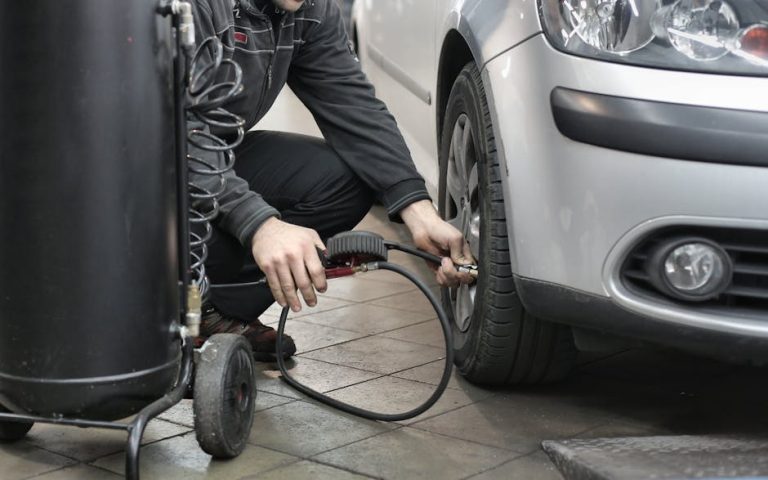
Maintain correct tire pressure for safety and durability. Under-inflated tires wear unevenly. Over-inflated tires can burst. Check pressure with a gauge every two weeks. Follow the manufacturer’s guidelines for optimal pressure.
Wheel Alignment
Ensure wheels are aligned for even tire wear. Misalignment causes tires to wear quickly. It can also affect handling and fuel efficiency. Get alignment checked during regular service appointments. Proper alignment keeps your ride smooth and safe.
Signs Of Tire Wear
Understanding tire wear is crucial for safety. New Toyota cars have durable tires. But even the best tires wear out. Recognizing signs of wear helps avoid accidents.
Tread Depth Indicators
Tread depth tells you a lot. It’s the grooves on the tire surface. Deep grooves mean good traction. Shallow grooves mean less grip. Use a penny to check depth. Insert the penny into the tread. If Lincoln’s head is visible, the tread is worn. This means the tire needs replacing. Regular checks keep you safe.
Sidewall Damage
Sidewall damage weakens the tire. It’s the outer part of the tire. Look for cuts or bulges. These signs mean danger. They can lead to blowouts. Check for cracks too. Cracks can cause air leaks. If you see damage, replace the tire. Healthy sidewalls ensure a smooth ride.

Credit: www.lexdanauto.com
When To Replace Tires
Tires play a crucial role in a car’s safety and performance. Knowing when to replace them ensures a smooth and safe drive. For a brand-new Toyota, understanding tire lifespan is essential. Regular checks can prevent unexpected issues. Let’s explore key factors to consider.
Mileage Benchmarks
Tire lifespan often depends on the miles driven. Most tires last between 25,000 to 50,000 miles. For a brand-new Toyota, this is a good starting point. Check your odometer regularly. It helps track tire usage. Regular rotation extends tire life. This distributes wear evenly. Always consult your Toyota’s manual for guidelines.
Environmental Considerations
Environmental factors greatly impact tire longevity. Extreme temperatures can cause tires to wear faster. Hot climates may lead to quicker degradation. Cold areas might cause tire cracking. Road conditions also matter. Rough, unpaved roads can reduce tire life. Urban driving with frequent stops can increase wear. Regular inspection is key. It helps spot environmental damage early.
Expert Recommendations
Tires on a brand-new Toyota typically last between 50,000 to 70,000 miles. Factors like driving habits and road conditions affect longevity. Regular maintenance ensures optimal performance and safety.
When you drive off the dealership lot in your brand-new Toyota, you’re likely filled with excitement about the journey ahead. However, amidst the thrill, you may wonder, “How long should these tires actually last?” Getting expert recommendations can offer clarity and peace of mind. Knowing what professionals suggest about tire longevity can help you plan better and maintain the safety and performance of your vehicle.
Professional Insights
Experts agree that several factors impact the lifespan of your car tires. Most standard tires on a brand-new Toyota should last between 40,000 to 60,000 miles. However, driving habits, road conditions, and climate can significantly influence this range. For instance, frequent highway driving can wear tires differently compared to city driving. It’s crucial to perform regular checks. Make it a habit to inspect your tires monthly for tread wear and proper inflation. This simple routine can help catch potential issues early.
Brand-specific Advice
Toyota emphasizes the importance of following the maintenance schedule outlined in your owner’s manual. Their vehicles are designed to provide optimal performance when the tires are in top condition. Toyota dealerships often provide specific guidance tailored to your model. For example, they might suggest rotating your tires every 5,000 to 7,000 miles. This practice can help distribute wear evenly across all tires, extending their life.
Consider engaging with your local Toyota service center. They can offer insights based on regional road conditions and seasonal changes, which can affect tire longevity. Have you ever thought about how your daily routes might impact tire wear? Taking a moment to reflect on your driving patterns can lead to smarter decisions about tire care and replacement. By staying informed and proactive, you can ensure that your tires perform well throughout their expected lifespan. This not only enhances safety but also maximizes the value you get from your investment in a new Toyota.
Frequently Asked Questions
How Long Do Factory Tires Last On A New Car?
Factory tires on a new car typically last between 25,000 to 50,000 miles. Tire lifespan varies due to driving habits and road conditions. Regular maintenance, such as rotations and proper inflation, can maximize their durability. Check tire tread depth frequently to ensure safety and optimal performance.
Do Tires On New Cars Wear Out Faster?
Yes, tires on new cars often wear out faster. Manufacturers prioritize comfort and performance over longevity. Original equipment tires may not last as long as replacement ones. Proper maintenance and regular checks can extend tire life. Always consult your vehicle’s manual for tire care recommendations.
What Brand Of Tires Does Toyota Use?
Toyota uses various tire brands including Bridgestone, Michelin, and Goodyear. Tire choice depends on the model and region. Always check your Toyota’s manual or consult a dealer for specific recommendations. Quality and performance remain top priorities in tire selection.
How Often Should I Change The Tires On My Toyota?
Change your Toyota’s tires every 25,000 to 50,000 miles. Check the tread depth and condition regularly. Rotate tires every 5,000 to 7,500 miles to ensure even wear. Replace sooner if you notice damage or reduced traction. Always consult your owner’s manual for specific recommendations.
Conclusion
Tire lifespan on a new Toyota varies. Factors include driving habits and road conditions. Regular checks extend tire life. Rotate and balance tires often. Use correct tire pressure. Inspect for damage frequently. Keep alignment proper for even wear. Replace tires when tread wears thin.
Safe tires mean safer journeys. Enjoy smooth rides with well-maintained tires. Always prioritize safety over everything.

Automotive Specialist & Expert Writer
Tyler Kingston is a passionate automotive writer with a wealth of knowledge in all things cars. With years of experience in the automotive industry, Tyler specializes in everything from vehicle maintenance to the latest car technologies and innovations. He is known for his ability to break down complex automotive concepts into easily digestible, engaging content for both novice and experienced car enthusiasts. Whether it’s detailing car repair techniques, reviewing new car models, or diving into the world of auto accessories, Tyler’s articles provide valuable insights to readers. His hands-on experience, combined with a genuine love for cars, allows him to deliver expert advice, tips, and news that keeps readers coming back for more.