How to Adjust Carburetor on Stihl Weedeater: Easy Guide
Are you tired of your Stihl weedeater sputtering or not performing at its best? You’re not alone.
Many users experience this, and the solution often lies in a simple adjustment of the carburetor. By learning how to tweak this small but crucial component, you can enhance the efficiency and lifespan of your tool. Imagine the satisfaction of having your weedeater purring smoothly and cutting through the toughest weeds with ease.
In this guide, we’ll walk you through each step of adjusting the carburetor, ensuring you get the most out of your machine. Don’t let a poorly tuned weedeater slow you down. Read on and discover how a few minor adjustments can make a world of difference in your garden maintenance routine.
Tools Needed
Adjusting the carburetor on your Stihl weedeater requires a few specific tools. Having the right tools on hand is crucial. It ensures a smooth and efficient adjustment process. This guide lists the essential tools needed. So, you can get your weedeater running optimally.
1. Screwdriver Set
A screwdriver set is essential for this task. The carburetor screws require precise adjustments. Use a flathead or Phillips screwdriver, depending on your model. Ensure the screwdriver fits well. This prevents damage to the screw heads.
2. Tachometer
A tachometer helps monitor engine speed. It’s vital for accurate adjustments. Use it to measure RPMs. This ensures the engine runs smoothly. A steady RPM indicates a well-adjusted carburetor.
3. Cleaning Supplies
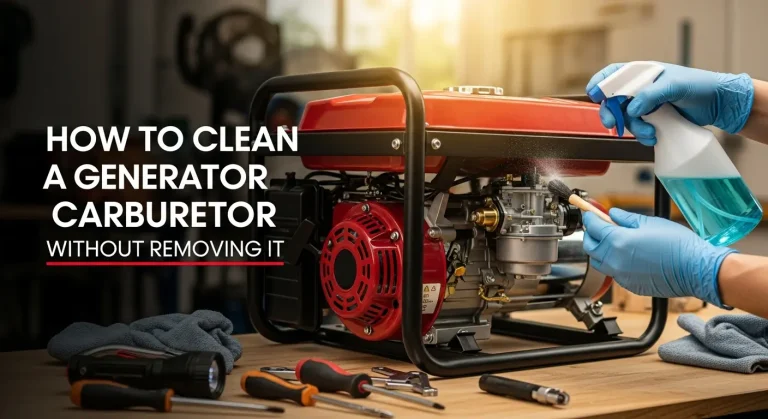
Keep cleaning supplies handy. Dust and debris can affect performance. Use a clean cloth to wipe away dirt. A small brush can help reach tight spots. Ensure the carburetor is clean before adjusting.
4. Safety Gear
Safety gear is important. Wear gloves to protect your hands. Eye protection shields against debris. Ensure you’re safe while working on the weedeater.
5. Instruction Manual
Refer to the instruction manual. It provides specific guidance for your model. Follow the steps carefully. The manual ensures proper adjustment techniques.
Safety Precautions
Always prioritize safety when adjusting a Stihl weedeater carburetor. Wear safety goggles and gloves. Ensure the equipment is off and cool before starting adjustments.
Adjusting the carburetor on your Stihl weedeater can enhance its performance significantly. However, taking the right safety precautions is crucial to ensure both your safety and the longevity of your equipment. Understanding these safety measures can prevent accidents and equipment damage, making the adjustment process smooth and efficient.Wear Protective Gear
Before you start, gear up with appropriate safety equipment. Wearing safety goggles will protect your eyes from debris. Use gloves to shield your hands from sharp tools and engine heat. Additionally, consider wearing ear protection to guard against the loud noise of the weedeater.Work In A Well-ventilated Area
Operating your weedeater in an open space is essential. The exhaust fumes can be harmful if inhaled, so ensure you’re in a well-ventilated area. A garage with the door open or an outdoor setting is ideal for this task.Check For Fuel Leaks
Before adjusting the carburetor, inspect the weedeater for any fuel leaks. A leak can lead to fires or engine damage. If you notice any leaks, fix them before proceeding with your adjustments.Disconnect The Spark Plug
Safety first: disconnecting the spark plug prevents accidental startups. This simple step can save you from unexpected injuries. Always ensure the weedeater is turned off and cooled down before touching any engine parts.Use The Right Tools
Using the correct tools makes the adjustment process safer and easier. A specialized carburetor adjustment tool will fit perfectly and prevent slipping, reducing the risk of injury. If you find yourself improvising with unsuitable tools, pause and get the right equipment.Keep A Fire Extinguisher Handy
It’s always wise to have a fire extinguisher nearby when working with fuel-powered equipment. In the rare event of a fire, you’ll be prepared to act quickly. This precaution is not just about safety but about peace of mind. — Have you ever underestimated the importance of safety precautions, only to find yourself in a tricky situation? By taking these safety steps seriously, you not only protect yourself but also ensure your Stihl weedeater runs smoothly and efficiently.Identifying Carburetor Parts
To adjust the carburetor on your Stihl weedeater, understanding its parts is crucial. Knowing each component helps ensure proper functioning and efficiency. This guide highlights the essential parts of a carburetor.
Identifying The Air Filter
The air filter cleans the air entering the carburetor. It prevents dirt from entering the engine. A clean air filter ensures optimal performance. Regularly check and clean or replace it.
Understanding The Primer Bulb
The primer bulb pumps fuel into the carburetor. It aids in starting the engine. Press it several times before starting. If damaged, replace it immediately.
Locating The Throttle Lever
The throttle lever controls engine speed. It connects to the carburetor through a cable. Ensure it moves freely. Adjust the cable if needed for smooth operation.
Spotting The Adjustment Screws
Adjustment screws fine-tune the fuel and air mixture. There are usually two screws: high and low speed. They help in achieving the right balance. Always adjust them carefully.
Identifying The Fuel Inlet
The fuel inlet connects the fuel line to the carburetor. Ensure it is not blocked. A clear fuel inlet allows smooth fuel flow. Check for cracks or leaks regularly.
Examining The Float Chamber
The float chamber holds fuel before mixing with air. It maintains fuel level in the carburetor. Ensure it’s clean and free from debris. A blocked chamber can cause engine issues.
Preparing The Weedeater
Adjusting the carburetor on your Stihl weedeater may seem daunting, but with the right preparation, it becomes a straightforward task. Before diving into the adjustment process, setting the stage is crucial for a smooth operation. Let’s explore how you can effectively prepare your weedeater to ensure it’s ready for carburetor tuning.
Inspect Your Weedeater
Before you adjust the carburetor, take a moment to inspect your weedeater thoroughly. Check for any visible signs of wear and tear or damage. A quick look can reveal loose screws, frayed cords, or a clogged air filter.
Addressing these minor issues upfront can save you time and effort later. Plus, it ensures your weedeater runs efficiently after the carburetor adjustment.
Gather Your Tools
Having the right tools at hand makes the process more efficient. You’ll need a screwdriver set, a clean cloth, and a small brush. These basic tools help you make precise adjustments and clean any debris.
Setting up a small workspace can also keep everything organized. It can be as simple as a table in your garage or backyard.
Clean The Weedeater
Cleaning is a vital step before adjustments. Use a clean cloth and brush to remove any dirt and grass clippings from the weedeater’s surface. Pay special attention to the air filter and the carburetor area.
Have you ever noticed how a clean tool just works better? Taking a few minutes to clean can prevent complications and improve the performance of your weedeater.
Check The Fuel
Old or contaminated fuel can affect the carburetor’s performance. Check the fuel level and replace it if necessary. Use fresh, high-quality fuel to ensure optimal operation.
Have you ever wondered why your weedeater sputters sometimes? Often, it’s due to stale fuel. Fresh fuel makes all the difference in performance.
Secure The Weedeater
Safety is paramount. Make sure your weedeater is stable and secure before starting the adjustment process. You can use a clamp or a stand to hold it steady.
This step prevents accidental falls and helps you focus on the task at hand. Have you ever skipped securing a tool and regretted it? Safety first is always a wise choice.
Now that you’ve prepared your weedeater, you’re ready to tackle the carburetor adjustment with confidence. What other preparations do you find helpful before adjusting your tools?
Adjusting Idle Speed
Adjusting the idle speed on your Stihl weedeater is crucial for ensuring optimal performance and longevity of your equipment. A properly adjusted idle speed keeps the engine running smoothly without stalling when not in use. This adjustment can be the difference between a frustrating gardening session and a seamless experience. Let’s dive into how you can adjust the idle speed effectively.
Locating Idle Screw
The idle screw is typically found near the carburetor, and it’s designed to control the engine speed when your weedeater is idling. You might find it labeled as ‘LA’. It’s usually in a position that’s easy to access without disassembling anything major.
Take a close look at your equipment’s manual or check online resources for your specific model. Knowing exactly where this screw is will save you time and prevent unnecessary frustration. Have you ever spent hours searching for something that was right in front of you?
Turning Screw For Optimal Speed
Once you’ve located the idle screw, the next step is to adjust it to achieve the desired idle speed. Start your weedeater and let it run. Use a screwdriver to turn the idle screw clockwise to increase the idle speed or counterclockwise to decrease it.
Listen to the engine. You want it to hum smoothly without shutting off or racing excessively. It should sound like it’s ready to work, not struggling to stay alive. Sometimes, all it takes is a small adjustment to make a big difference. Can you hear the improvement?
It’s essential to make incremental adjustments. If you turn the screw too much, you might end up with an engine that’s difficult to control or one that stalls easily. The key is finding that sweet spot where your weedeater feels responsive and ready.
Adjusting the idle speed is not just about functionality; it’s about making your gardening experience more enjoyable. With a well-adjusted carburetor, you can focus on shaping your garden rather than battling your equipment. Have you ever had a moment where everything just worked perfectly?
Adjusting Low-speed Circuit
Adjusting the low-speed circuit on a Stihl weedeater’s carburetor ensures smooth operation. Turn the low-speed screw clockwise until it stops, then slowly turn it counterclockwise. Listen for a steady idle. This fine-tuning optimizes fuel-air mix for performance.
Adjusting the low-speed circuit of a Stihl weedeater ensures smooth operation. This process fine-tunes the air and fuel mix during idle. Proper adjustment prevents stalling and enhances efficiency. Follow these steps to adjust the low-speed circuit effectively.Locating Low-speed Adjustment
First, locate the low-speed adjustment screw on the carburetor. This screw is often marked with an “L”. It’s usually near the high-speed and idle screws. Check your user manual for exact location details.Fine-tuning Low-speed Settings
Start the weedeater and let it idle. Turn the low-speed screw clockwise until the engine begins to sputter. Then, slowly turn it counterclockwise until the engine runs smoothly. Listen closely to the engine’s sound for best results. Keep the adjustments small. Quarter turns are best. If the engine stalls, adjust the screw slightly in the opposite direction. Repeat this process until the engine idles smoothly. This ensures optimal performance and longevity. Regularly check and clean the air filter. A clean filter supports proper carburetor function. Always perform these adjustments in a well-ventilated area. Safety first.Adjusting High-speed Circuit
Adjusting the high-speed circuit on your Stihl weedeater is crucial for optimal performance. This is where the magic happens, enabling your tool to run efficiently during demanding tasks. If you’ve ever struggled with uneven trimming or felt your weedeater lacking power, it might be time to focus on this adjustment. It’s simpler than you might think, and with a little patience, you can ensure your Stihl weedeater runs like a dream.
Locating High-speed Adjustment
First, locate the high-speed adjustment screw on your carburetor. It’s usually marked with an “H” to distinguish it from other adjustment screws. Check your manual if you’re unsure. It’s typically found near the throttle area, easily accessible for tweaking.
Once you find the “H” screw, you’re ready to make adjustments. Have your screwdriver ready. This tool is your best friend in adjusting the carburetor. It’s important to make precise turns to avoid disrupting the carburetor’s balance.
Testing High-speed Performance
Start your weedeater and let it warm up. A warm engine provides a more accurate test. Listen closely to the engine sound; it should be steady without sputtering.
Adjust the “H” screw slightly to tweak the engine speed. Turn clockwise to increase, counterclockwise to decrease. After each adjustment, test the weedeater in action. Does it cut smoothly? Is the engine stable?
Observe the grass trimming results. If you notice uneven cuts or the engine struggling, you may need to fine-tune. Ask yourself: is my weedeater performing at its best? This hands-on approach can transform your gardening experience.
Remember, adjustments are not a one-size-fits-all. Each tool has its quirks and specific needs. Your goal is a well-tuned machine that makes yard work a breeze. A little tweak here and there can make a world of difference.
What adjustments have you made that changed the way your weedeater performed? Share your insights and enhance your gardening toolkit!
Testing Adjustments
Testing adjustments on your Stihl weedeater ensures optimal performance. After adjusting the carburetor, it’s crucial to verify the changes. This step helps confirm that your engine runs smoothly and efficiently. The process involves running the weedeater and listening carefully to the engine. These actions reveal if further tweaks are needed.
Running The Weedeater
Start the weedeater in a safe area. Hold it securely to prevent accidents. Allow the engine to warm up for a few minutes. A warm engine gives accurate feedback on carburetor adjustments. This step is vital for precision.
Listening For Engine Changes
Pay close attention to the engine sound. Is the idle smooth and consistent? Listen for sputtering or stalling. These indicate incorrect settings. Adjust the screws slightly if needed. Your goal is a steady, even sound. This means your adjustments are effective.
Troubleshooting Common Issues
Is your Stihl Weedeater causing you headaches with a sputtering engine or overheating issues? You’re not alone. Many users face these common problems, often linked to carburetor settings. Understanding how to troubleshoot and adjust the carburetor can make a world of difference. Let’s dive into some frequent issues and how you can tackle them effectively.
Engine Dies At Idle
Imagine trying to clear your garden, but the engine dies every time you pause. Frustrating, right? This usually happens when the carburetor’s idle setting is off. You need to adjust the idle screw. Turn it clockwise to increase the idle speed. Test the engine afterward to see if it stays running.
Are you unsure if your adjustment is working? Listen closely to the engine. A steady hum indicates success. But be cautious—too high an idle can lead to other problems. Make small adjustments and test frequently to find the sweet spot.
Engine Overheats
Overheating can be a serious issue, potentially damaging your weedeater. This often occurs when the fuel mixture is too lean. Richen it by adjusting the carburetor’s main jet screw. Turn it counterclockwise to increase fuel flow.
While adjusting, keep an eye on the exhaust. Black smoke signals too rich a mixture. A light-colored exhaust is optimal. It’s a delicate balance, but with patience, you can prevent overheating and prolong your weedeater’s life.
Wondering if you’re making the right adjustments? Consider the temperature of the engine. If it feels excessively hot, your adjustment may need tweaking. Regular checks can prevent overheating and ensure smooth operation.
Have you experienced these issues before? Share your story and solutions in the comments below. Your insights could help fellow gardeners tackle similar challenges! Remember, proper carburetor adjustments can transform your gardening experience from frustrating to fulfilling.
Maintenance Tips
Adjusting the carburetor on a Stihl weedeater ensures optimal performance. Start by locating the adjustment screws. Use a screwdriver to turn them carefully, tweaking the fuel-air mix for smooth operation.
Maintaining your Stihl weedeater in top condition is essential for its longevity and optimal performance. Regular maintenance not only ensures your weedeater runs smoothly but also prevents unexpected breakdowns. Let’s delve into some crucial maintenance tips that can keep your carburetor in prime condition.Regular Cleaning
Keeping your weedeater’s carburetor clean is crucial for its efficient operation. Dust and debris can clog the carburetor, causing your engine to sputter or stall. A simple way to clean it is by using a carburetor cleaner spray. Spray the cleaner into the carburetor while the engine is off, then let it sit for a few minutes. This will loosen any built-up residue. After that, wipe it with a clean cloth. Have you ever noticed a sudden drop in your weedeater’s power? A dirty carburetor might just be the culprit.Checking Fuel Mix
The right fuel mix is vital for your weedeater’s performance. An incorrect mix can cause poor engine performance and even damage the carburetor. Always use the recommended fuel-to-oil ratio, which is typically 50:1 for Stihl weedeaters. Mix fresh fuel in a clean container. Shake it well to ensure proper blending. Pour the mixture into the fuel tank while the engine is cool. Have you ever thought about how much wear and tear a bad fuel mix causes? It’s more than you might expect. Regularly check your fuel mix if you notice your weedeater running rough. Adjusting it might just save you from costly repairs. Remember, a little attention to detail goes a long way in maintaining your equipment.Frequently Asked Questions
What Is The H And L Adjustment On A Stihl Carburetor?
The H and L adjustments on a Stihl carburetor control fuel mixture. “H” adjusts high-speed fuel mix, while “L” adjusts low-speed fuel mix. Proper adjustments ensure optimal engine performance and efficiency. Adjust carefully for best results.
How To Adjust Fuel And Air Mixture On A Carburetor?
Adjust the carburetor’s fuel and air mixture by locating the adjustment screws. Turn the screws slowly, clockwise to lean the mixture and counterclockwise to enrich it. Test engine performance and repeat adjustments as necessary for optimal balance. Ensure adjustments are made with the engine warm for accurate results.
What Are The Three Screws On A Stihl Carburetor?
The three screws on a Stihl carburetor are the high-speed screw (H), low-speed screw (L), and idle-speed screw (LA). These screws adjust fuel and air mixture, controlling engine performance. Proper adjustment ensures optimal engine efficiency and power. Always consult the manual for specific tuning instructions.
How Do You Adjust H And L Screws On A Carburetor?
Adjust the H screw for high-speed mixture by turning it clockwise for leaner or counterclockwise for richer. Adjust the L screw for low-speed mixture similarly. Ensure the engine runs smoothly and responds well to throttle changes. Always make small adjustments and test the engine performance.
Conclusion
Adjusting the carburetor on a Stihl Weedeater can be simple. Follow the steps carefully. Begin with the idle speed screw. Turn it slowly until the engine idles smoothly. Next, adjust the low-speed screw for better performance. Lastly, fine-tune the high-speed screw.
This ensures optimal power. Regularly check and clean the air filter. This keeps the engine running efficiently. Proper maintenance extends the life of your weedeater. Safety is important. Always wear protective gear. Now, you’re ready to handle any weedeating task.
Enjoy a well-maintained garden with ease.

Ethan Montgomery is the administrator of carweldhub.com and an expert in the automotive industry. With hands-on experience in welding and a deep understanding of automotive parts and accessories, Ethan brings a wealth of practical knowledge to his work. His passion for the automotive field extends to blog writing and editing, where he shares valuable insights and tips with enthusiasts and professionals alike. Whether you’re looking for detailed technical advice or the latest trends in automotive technology, Ethan’s expertise makes him a trusted resource in the automotive community.