How to Clean Briggs And Stratton Carburetor Without Removing It?
Are you frustrated with your Briggs and Stratton engine sputtering or not starting at all? A dirty carburetor might be the culprit.
But the thought of dismantling it feels overwhelming, right? Imagine being able to clean your carburetor without the hassle of taking it apart. You might think it’s impossible, but there’s an easy, effective method to tackle this problem. This guide is your ticket to restoring your engine’s performance without the technical headache.
Stick around to discover a simple technique that will save you time, energy, and maybe even a little money. You’ll be surprised at just how straightforward this process can be. Ready to give your engine the clean it deserves? Let’s dive in!
Essential Tools And Materials
Gather essential tools and materials to clean your Briggs and Stratton carburetor without removing it. Use carburetor cleaner, a small brush, and a clean cloth for best results. A flashlight helps spot dirt in hard-to-see areas.
Cleaning a Briggs and Stratton carburetor without removing it can be a game-changer for maintaining your lawn mower or other small engines. Before you dive into this task, having the right tools and materials at your disposal is crucial. They not only make the job easier but also ensure that you do it effectively and safely. Let’s explore what you’ll need to get started.Cleaning Solvent
A good quality carburetor cleaner is essential. This solvent will help dissolve the gunk and grime that builds up over time. Choose a spray can with a nozzle for easy application.Protective Gear
Safety first! Use gloves and safety goggles. The chemicals in the cleaning solvent can be harmful to your skin and eyes.Soft-bristle Brush
A small, soft-bristle brush is perfect for scrubbing away stubborn deposits. An old toothbrush can work wonders here too.Compressed Air
Having a can of compressed air handy is invaluable. It helps blow away loosened debris and ensures that no residue is left behind.Screwdrivers
Keep a set of screwdrivers nearby, especially flat-head and Phillips. You might need them to gently adjust or remove small parts for better access.Rags Or Paper Towels
These are great for wiping down surfaces and catching any drips. They also help in keeping your work area clean.Flashlight
A flashlight can be your best friend when trying to see into those dark, hidden corners of the carburetor. Ensure it’s a small, bright LED one for better visibility.Patience And Attention To Detail
Though not a physical tool, patience is crucial. Taking your time ensures you don’t miss any spots and that everything is thoroughly cleaned. Having these tools and materials at hand can make a seemingly daunting task much simpler and more efficient. Do you have these essentials ready, or is there something you need to add to your toolkit?Safety Precautions
Ensure safety by disconnecting the spark plug before cleaning the carburetor. Use a carburetor cleaner spray to remove dirt. Wear gloves and goggles to protect your hands and eyes from chemicals.
Cleaning your Briggs and Stratton carburetor without removing it is a practical approach that saves time and effort. However, ensuring your safety during this process is crucial. Before you start, take a moment to understand and prepare for the necessary safety precautions. This will not only protect you but also ensure the smooth operation of your equipment.Wear Protective Gear
Always wear safety goggles to protect your eyes from debris and cleaning solutions. Gloves are essential to safeguard your hands from chemical burns and sharp parts. Consider wearing a mask if you’re sensitive to fumes.Work In A Well-ventilated Area
Choose a location with plenty of airflow to avoid inhaling harmful fumes. An open garage or outdoor space works best. This precaution is particularly important if you’re using strong cleaning solutions.Disconnect Power Source
Ensure the engine is turned off and cooled down before cleaning. Disconnect the spark plug wire to prevent accidental engine start-ups. This simple step can prevent potential injuries.Keep Flammable Materials Away
Cleaning solutions are often flammable. Keep them away from heat sources and open flames. Store them in a safe location when not in use.Read Product Labels
Before using any cleaning solution, read the label for safety instructions. Follow the recommended usage guidelines to avoid mishaps. Some products require specific handling, so stay informed. Taking these precautions seriously can make your cleaning experience safer and more efficient. Have you ever overlooked a safety step and regretted it? Being mindful and prepared can prevent unwanted surprises.Locating The Carburetor
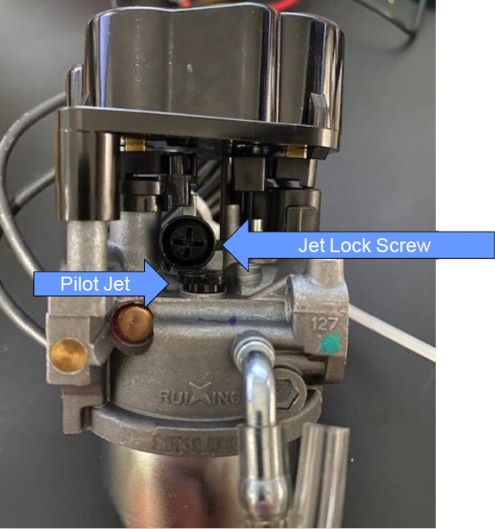
Locating the carburetor is the first step in cleaning it. It can seem challenging. But knowing where to look makes it easy. The carburetor is a crucial component. It ensures your Briggs and Stratton engine runs smoothly. Finding it will help you understand more about your engine.
Identifying The Engine Type
Briggs and Stratton engines come in various types. Check your engine’s manual. It will indicate the model and type. This helps in locating the carburetor. Different models have different designs. Identifying your engine type narrows down where to look.
Understanding The Engine Layout
Engines have distinct layouts. Familiarize yourself with your engine’s layout. The carburetor is often near the air filter. It connects to the fuel line and intake manifold. This knowledge helps in locating it quickly.
Spotting The Air Filter
The air filter is your guide. It’s usually on top or the side of the engine. Locate the air filter housing. The carburetor sits close by. This connection is key for airflow. Following this path leads you straight to it.
Examining The Fuel Line
The fuel line is another clue. It runs from the fuel tank to the carburetor. Trace this line carefully. It leads directly to the carburetor. This method is straightforward and effective.
Consulting The User Manual
The user manual is a helpful resource. It provides diagrams and instructions. Use it to locate the carburetor. Every engine has a unique setup. The manual gives precise information. It’s a reliable guide for engine maintenance.
Preparing The Engine
Cleaning a Briggs and Stratton carburetor without removal can be simple. Start by ensuring the engine is cool. Spray carburetor cleaner directly into the intake while operating the throttle to loosen debris.
Cleaning your Briggs and Stratton carburetor without removing it might seem like a daunting task. But with the right preparation, you can tackle it efficiently. Preparing the engine is crucial to ensure safety and effectiveness. It’s similar to setting the stage for a smooth performance. Let’s dive into the essential steps to get your engine ready.Turning Off The Fuel Valve
Before you begin, locate the fuel valve on your Briggs and Stratton engine. This small but significant step prevents fuel from flowing while you clean the carburetor. If you skip this, you risk spilling fuel, which can be both dangerous and messy. Think about the last time you tried to clean something without turning off its power source. It’s risky, right? Similarly, turning off the fuel valve is a safety precaution you don’t want to ignore.Disconnecting The Spark Plug
Next, it’s time to disconnect the spark plug. This step ensures that the engine won’t accidentally start while you’re working on it. Look for the spark plug wire and gently pull it off the spark plug. You might wonder why this step is necessary. Imagine trying to clean a moving car; it’s impractical and unsafe. Disconnecting the spark plug gives you peace of mind as you work. Have you ever skipped a safety step and regretted it? This simple action can save you from an unexpected jolt. Always prioritize your safety when working on machinery.Cleaning Solutions
Discover effective ways to clean a Briggs and Stratton carburetor without removal. Use carburetor cleaner spray to target clogged areas. Regular maintenance can enhance engine performance.
Cleaning a Briggs and Stratton carburetor without taking it apart might seem like a daunting task, but with the right cleaning solutions, you can tackle this job with confidence. Whether you’re a seasoned DIYer or a beginner trying to save some cash, understanding how these solutions work can make the process much easier. Imagine the satisfaction of hearing your engine purr smoothly after a thorough cleaning, all without the hassle of dismantling parts.Choosing The Right Cleaning Solution
The market is flooded with various cleaning products, but not all are suited for your carburetor’s needs. You want a solution that effectively dissolves grime and buildup. Look for spray cleaners specifically designed for carburetors. These often come with a straw attachment for precise application, allowing you to reach tricky spots without removing any components.Application Method
Using the spray cleaner is straightforward. With the engine off and cool, remove the air filter to expose the carburetor. Now, spray the cleaner directly into the air intake. Ensure you get into every crevice for a thorough clean. Give it a few moments to work its magic before starting the engine. As the engine runs, the solution helps clear any remaining residue. Cleaning solutions are often powerful. Protect your skin and eyes by wearing gloves and safety goggles. Work in a well-ventilated area to avoid inhaling fumes. If you’ve ever felt dizzy while using cleaning sprays, it’s likely because of inadequate ventilation.Why Not Diy Solutions?
You might wonder if homemade solutions like vinegar or baking soda can do the trick. While tempting, these DIY methods often lack the potency needed for engine-grade cleaning. The specialized cleaners are formulated to break down fuel residue effectively, ensuring your carburetor is spotless.Checking Your Results
After using the cleaning solution, start your engine and listen closely. Is it running smoothly without stuttering? If yes, you’ve done a great job. If not, consider repeating the process. Sometimes, stubborn grime requires a second round of cleaning. Have you ever tried cleaning your carburetor without removing it? What challenges did you face? Share your experiences and insights below, and let’s learn from each other!Cleaning The Exterior
Briggs and Stratton carburetors keep your engine running smoothly. Regular maintenance prevents performance issues. Cleaning the exterior is an essential step. It enhances functionality and extends engine life. Dirt and grime can accumulate over time. This affects engine efficiency. A clean exterior ensures better air flow. It also improves fuel efficiency. Follow these steps for a cleaner carburetor.
Removing Dirt And Grime
Begin by inspecting the carburetor. Look for visible dirt and grime. Use a soft brush to remove loose particles. A toothbrush works well for this task. Brush gently to avoid damaging parts. Pay attention to corners and crevices. These areas often collect more dirt. Once brushed, use a clean cloth. Wipe the surface to remove remaining debris. This prepares the carburetor for the next step.
Applying Cleaner
Choose a carburetor cleaner for best results. Spray it evenly on the exterior. Focus on areas with stubborn grime. Let the cleaner sit for a few minutes. It helps break down tough residues. Use a clean cloth to wipe off the cleaner. Repeat if necessary for persistent dirt. Ensure the cleaner does not enter internal parts. Proper application ensures effective cleaning. Maintain the carburetor’s exterior regularly.
Cleaning The Interior
Easily clean your Briggs and Stratton carburetor without removing it. Use a carburetor cleaner spray for efficient results. Direct the spray into the carburetor’s throat to dissolve dirt and grime. Repeat if necessary for optimal performance.
Cleaning the interior of a Briggs and Stratton carburetor without removing it might sound challenging, but it’s entirely doable and can save you a lot of hassle. You don’t need to be a mechanic to get your hands dirty and make your engine run smoother. By focusing on key areas like spraying cleaner and dislodging deposits, you can ensure your lawn mower or outdoor equipment runs efficiently. Imagine the satisfaction you’ll feel when your engine purrs to life after a thorough cleaning. Let’s dive into the practical steps that will make this task easier for you.Spraying Cleaner
Start by selecting a carburetor cleaner that suits your needs. Many are available in spray form, making the application straightforward. Aim the nozzle at the air intake and spray generously. The cleaner works to dissolve gunk and grime that accumulate over time. Remember to wear safety goggles and gloves. Protect yourself from the cleaner’s strong chemicals.Dislodging Deposits
After spraying, let the cleaner sit for a few minutes. It needs time to penetrate and break down stubborn deposits. Use a soft brush or a toothbrush to gently scrub the interior. This helps dislodge any remaining dirt and debris. Rinse with a small amount of water to wash away loosened particles. A clean cloth can help wipe away excess cleaner. Cleaning your carburetor can feel like giving your engine a fresh start. Does it surprise you how simple steps can lead to effective results? Keep your equipment running smoothly with regular maintenance, and you’ll enjoy hassle-free mowing and gardening.Reassembling And Testing
Putting the carburetor back together and testing it is crucial after cleaning. Ensure all components are in their correct places. Start the engine to check if it runs smoothly, indicating a successful cleaning.
Reassembling the carburetor after cleaning is crucial for engine performance. Proper assembly ensures smooth functionality and prevents future issues. Testing the engine confirms the effectiveness of your cleaning process. Here’s how to reassemble and test without removing the carburetor.Reconnecting Components
Start by reattaching the air filter securely. Ensure all screws and bolts are tight. Connect the fuel line to the carburetor. Make sure it fits snugly to prevent leaks. Reattach any wires or hoses you disconnected earlier. Double-check each connection for tightness. This prevents air and fuel leaks. Properly reconnecting ensures optimal engine performance.Running The Engine
Once everything is reconnected, start the engine. Listen for any unusual sounds. Watch for smoke or vibrations. These indicate potential issues. Let the engine idle for a few minutes. Observe its behavior. A steady idle signifies effective cleaning. Test the throttle response. Ensure it is smooth and immediate. This confirms the carburetor is clean and functioning well.Maintenance Tips
Keeping your Briggs and Stratton carburetor clean is key for engine performance. Use carburetor cleaner spray to clear dirt and debris. Spray into the air intake and around the linkage. This helps maintain smooth operation without disassembly. Regular cleaning ensures your engine runs efficiently and reduces the risk of problems.
Taking care of your Briggs and Stratton carburetor is crucial for keeping your lawn mower or other equipment running smoothly. Regular maintenance can prevent future problems and save you time and money. A clean carburetor ensures efficient fuel combustion, leading to better performance and longevity of your engine. Let’s explore some practical maintenance tips to keep your carburetor in top shape without removing it.Inspect Fuel Quality
First things first, always check your fuel quality. Dirty or old fuel can clog the carburetor, causing issues. Make sure you’re using fresh, clean fuel. Old gas can leave deposits that affect performance. If you’re storing fuel for a long time, consider using a fuel stabilizer.Use Carburetor Cleaner Spray
Carburetor cleaner spray is your best friend for non-invasive cleaning. Spray it into the carburetor throat while the engine is running. This helps dissolve buildup and removes debris. It’s quick and effective, and you don’t need to take anything apart.Check And Replace Air Filters
A clean air filter prevents dust and debris from entering the carburetor. Regularly check the air filter for dirt and damage. Replace it if necessary. A clogged air filter can lead to a rich fuel mixture, harming engine performance.Regularly Inspect Fuel Lines
Fuel lines can degrade over time, leading to leaks and clogs. Inspect them for cracks or wear regularly. Replace any damaged lines immediately. This ensures a smooth fuel flow to the carburetor.Keep The Exterior Clean
Dirt and grime on the outside of the carburetor can eventually make their way inside. Use a clean cloth to wipe down the exterior surfaces. Keeping it clean helps you spot any potential issues early on. Remember the time when your equipment suddenly stopped working in the middle of a task? It’s frustrating, right? Regular maintenance can prevent such surprises. Are you taking the steps to keep your equipment running smoothly?Frequently Asked Questions
Can You Clean A Lawn Mower Carburetor Without Removing It?
Yes, you can clean a lawn mower carburetor without removing it. Use carburetor cleaner spray directly. Target the air intake and choke valve areas. Ensure the engine is off and cool. This method helps remove minor debris and buildup, improving performance.
Regular maintenance prevents future issues.
How Do You Clean The Carburetor On A Briggs & Stratton?
To clean a Briggs & Stratton carburetor, remove it, disassemble the parts, and soak them in carburetor cleaner. Use a brush or compressed air to remove debris. Reassemble the carburetor and reinstall it. Ensure all connections are secure. Regular cleaning helps maintain engine performance.
How To Clean A Gummed Up Carburetor Without Removing It?
To clean a gummed-up carburetor without removing it, use a carburetor cleaner spray. Spray directly into the carburetor’s throat while the engine runs. Ensure good ventilation. Regularly rev the engine to prevent stalling. This process dissolves deposits, improving performance without disassembly.
Does Wd-40 Work As A Carb Cleaner?
WD-40 is not designed as a carb cleaner. It can remove grime and some residue, but specialized carb cleaners are more effective. Always use products specifically formulated for carburetor cleaning to ensure optimal results and avoid potential damage.
Conclusion
Regular carburetor cleaning keeps your engine running smoothly. Dirt buildup hinders performance. Simple maintenance steps save time and effort. Use carburetor cleaner spray. Reach small spaces without dismantling. Follow safety precautions. Wear gloves and goggles. Check for visible debris. Spray and wipe clean.
Repeat if necessary. Regular checks prevent major issues. Keep your tools handy. Enjoy a well-maintained engine. Optimal performance ensures reliability. Extend your engine’s lifespan. Save on repairs. Cleaning your carburetor is easy. It benefits your Briggs and Stratton engine. A clean engine delivers better results.

Ethan Montgomery is the administrator of carweldhub.com and an expert in the automotive industry. With hands-on experience in welding and a deep understanding of automotive parts and accessories, Ethan brings a wealth of practical knowledge to his work. His passion for the automotive field extends to blog writing and editing, where he shares valuable insights and tips with enthusiasts and professionals alike. Whether you’re looking for detailed technical advice or the latest trends in automotive technology, Ethan’s expertise makes him a trusted resource in the automotive community.