How to Clean Spark Plug Hole Without Compressed Air?
If you’ve ever needed to clean the spark plug hole but don’t have compressed air, you know how tricky it can be. Dirt and debris stuck inside can cause serious engine problems if not removed properly.
But don’t worry—there are simple, effective ways to clean that space without special tools. You’ll discover easy methods you can do right now to keep your engine running smoothly. Keep reading, and you’ll learn how to tackle this task safely and quickly, saving you time and money.
Credit: www.lightningrodder.com
Tools Needed
Cleaning a spark plug hole without compressed air requires the right set of tools to get the job done effectively. Having the proper supplies on hand can prevent dirt and debris from falling into the engine and causing damage. Before you start, gather all necessary items to ensure a smooth and safe cleaning process.
Basic Cleaning Supplies
- Soft-bristled brush:Ideal for loosening dirt and grime without scratching the spark plug hole.
- Vacuum cleaner with a narrow nozzle:Helps suck out loosened debris carefully.
- Rags or microfiber cloths:Useful for wiping away dust and cleaning tools between uses.
- Isopropyl alcohol or carburetor cleaner:Effective for breaking down stubborn deposits.
- Thin wire or a plastic pick:To gently remove any stuck particles.
These supplies are easy to find and inexpensive. You might already have most of them in your garage or home. Have you ever tried cleaning without compressed air and found yourself struggling without the right tools?
Alternative Equipment Options
Sometimes, standard cleaning supplies aren’t enough. In those cases, consider using household items that can serve as substitutes.
- Handheld vacuum with a crevice tool:An excellent alternative for removing dirt from tight spaces.
- Blower bulb (like those used for camera lenses):Provides gentle air pressure to clear debris without risk.
- Silicone grease:Applied sparingly, it can help trap dust particles for easy removal.
- Compressed air cans:Although not the same as a compressor, they offer a temporary air blast.
Have you thought about what common household items could replace professional tools in your next spark plug cleaning? Finding alternatives can save money and make your project less intimidating.
Preparing The Area
Clear the area around the spark plug hole to prevent dirt from falling inside. Use a clean cloth or brush to remove loose debris carefully. Ensure the engine is cool before starting the cleaning process.
Cleaning a spark plug hole without compressed air might seem challenging, but with the right preparation, you can achieve excellent results. The key is to ensure that the area is adequately set up to prevent any debris from falling into the engine. This preparation not only safeguards your engine but also makes the cleaning process more efficient and straightforward. Let’s dive into the crucial steps to get your workspace ready for action.Remove Spark Plug Carefully
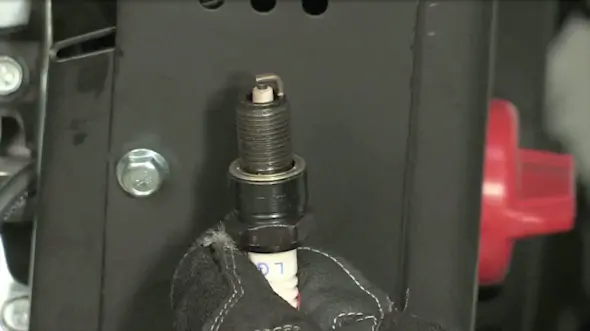
Begin by carefully removing the spark plug. Use a socket wrench to gently unscrew it. Take your time to avoid damaging the threads. Once removed, inspect the spark plug for any signs of damage or wear. This is a great opportunity to check if a replacement is needed. Consider using a spark plug boot puller for a secure grip. It minimizes the risk of breaking the plug or damaging the wire.Protect Surrounding Components
Cover surrounding areas with a clean cloth or plastic sheet. This prevents dirt and debris from settling into sensitive parts. Ensure that any open parts of the engine are covered. This can prevent unintentional debris entry during the cleaning process. If you have some painter’s tape, use it to secure the covering in place. This simple step can save you from potential headaches later on. Preparing your workspace might seem like an extra step, but it makes a world of difference. Have you ever skipped this step and regretted it? Taking a few moments now could save you hours later.Cleaning Techniques
Cleaning spark plug holes without compressed air requires careful methods to avoid debris falling into the cylinder. Proper cleaning ensures better engine performance and easier spark plug installation. Several simple tools can help clean the hole effectively.
Using A Vacuum Cleaner
A vacuum cleaner with a narrow nozzle can remove loose dirt and dust from the spark plug hole. Use a small attachment or create a tight seal around the hole to improve suction. Move the nozzle gently inside the hole to avoid damage.
This method helps remove light debris quickly. It is safe and keeps dirt from entering the engine cylinder. Repeat the process several times for best results.
Applying A Brush And Rags
Use a small, soft brush to loosen dirt inside the spark plug hole. A toothbrush or a specialized spark plug cleaning brush works well. Gently scrub the hole’s interior to dislodge grime.
After brushing, use a clean, lint-free rag to wipe away loosened dirt. Wrap the rag around a thin stick or screwdriver to reach deep inside. This technique cleans stubborn deposits without causing scratches.
Using A Flexible Wire Tool
A flexible wire tool helps remove stubborn debris stuck inside the spark plug hole. Choose a tool thin enough to fit but strong enough to scrape gently. Avoid using hard or sharp wires that might damage the threads.
Insert the wire carefully and twist or pull debris out slowly. Combine this with brushing or vacuuming for a thorough clean. This tool is useful for hard-to-reach areas and tight spaces.
Preventing Debris Entry
Keeping debris out of the spark plug hole is crucial when cleaning it without compressed air. Even small particles can cause engine problems later, so taking precautions is key. You might think it’s a simple task, but without proper protection, dirt and dust can easily sneak inside.
Covering The Hole During Cleaning
One effective way to prevent debris entry is by covering the spark plug hole as you clean around it. You can use your fingers or a clean cloth to shield the opening. This simple action blocks dirt from falling inside while you work.
Try to keep the cover steady and avoid moving it too much. You want to create a barrier that stays in place, especially if you’re scraping or brushing nearby. Have you noticed how easy it is to lose small particles during cleaning? A cover stops them right at the entrance.
Using Tape Or Cloth Barriers
Another practical option is to use tape or a cloth barrier. Wrap a piece of masking tape or electrical tape over the hole, or place a small cloth patch secured around the edges. This keeps out dust and grime effectively.
Make sure the tape or cloth fits snugly and doesn’t leave gaps. If you use tape, peel it off carefully to avoid pulling out any debris stuck to it. Have you ever tried this and found it tricky? Experiment with different materials until you find what works best for your engine type.
Final Steps
After cleaning the spark plug hole without compressed air, the final steps ensure proper engine function. Taking time to inspect and reinstall the spark plug carefully prevents future issues. These steps help maintain engine performance and avoid damage.
Inspecting The Spark Plug Hole
Look inside the spark plug hole for any dirt or debris left behind. Use a flashlight for a clear view. Clean out any remaining particles with a small brush or vacuum. Make sure the threads are not damaged or worn out. A clean, undamaged hole ensures a tight seal and proper spark plug fit.
Reinstalling The Spark Plug
Place the spark plug gently back into the hole. Turn it by hand to avoid cross-threading. Tighten the spark plug with a wrench until snug. Do not overtighten; this can strip the threads or break the plug. Check the spark plug gap before final installation for correct engine firing.
Credit: www.cx500forum.com
Maintenance Tips
Maintaining the spark plug hole without compressed air requires consistent attention and the right approach. Proper care not only extends the life of your engine components but also saves you from costly repairs. Let’s look at some practical tips that help keep your spark plug hole clean and functional.
Regular Cleaning Schedule
Set a routine to clean your spark plug hole regularly. Dirt and debris can build up quickly, especially if you drive on dusty roads or in harsh conditions.
Cleaning every few months prevents stubborn buildup that is harder to remove later. You might find it helpful to check the spark plug hole each time you change your oil or perform other regular maintenance.
Keeping a small toolkit ready with brushes and cleaning fluid makes the process smoother. Have you noticed how much easier maintenance feels when you don’t delay these small tasks?
Avoiding Common Mistakes
One common error is using too much liquid cleaner, which can cause moisture to seep inside the engine. Use only a small amount and wipe the area dry immediately with a clean cloth.
Another mistake is pushing debris further into the hole instead of removing it. Use soft-bristled brushes or a vacuum designed for tight spaces to gently extract dirt.
Avoid using metal tools that can scratch or damage the spark plug threads. Instead, opt for plastic or nylon brushes to protect the delicate surfaces.
Have you ever struggled with stubborn dirt because you didn’t prepare the right tools? Preparing beforehand makes cleaning less frustrating and more effective.

Credit: www.reddit.com
Frequently Asked Questions
How Can I Clean Spark Plug Hole Without Compressed Air?
You can use a vacuum cleaner with a narrow nozzle or a small brush to remove debris. Ensure the engine is off and cool before cleaning. Avoid pushing dirt deeper into the hole to prevent engine damage.
What Tools Work Best For Cleaning Spark Plug Holes?
A small wire brush, a vacuum cleaner, and a clean rag work well. Soft brushes prevent damage, while a vacuum helps remove loose debris efficiently without compressed air.
Is It Safe To Clean Spark Plug Holes Manually?
Yes, manual cleaning is safe if done carefully. Avoid using excessive force to prevent damage. Always ensure the engine is cool and disconnected before starting the cleaning process.
How Often Should I Clean Spark Plug Holes?
Clean spark plug holes during every spark plug replacement or if you notice dirt buildup. Regular cleaning helps maintain engine performance and prevents misfires caused by debris.
Conclusion
Cleaning spark plug holes without compressed air is simple and effective. Use a small brush and vacuum or a clean cloth to remove dirt. Take your time and be gentle to avoid damage. Regular cleaning helps your engine run better and last longer.
Keep these easy steps in mind for quick maintenance. Spark plug care doesn’t need special tools to do well. Try these methods next time for a clean and smooth engine.

Automotive Specialist & Expert Writer
Tyler Kingston is a passionate automotive writer with a wealth of knowledge in all things cars. With years of experience in the automotive industry, Tyler specializes in everything from vehicle maintenance to the latest car technologies and innovations. He is known for his ability to break down complex automotive concepts into easily digestible, engaging content for both novice and experienced car enthusiasts. Whether it’s detailing car repair techniques, reviewing new car models, or diving into the world of auto accessories, Tyler’s articles provide valuable insights to readers. His hands-on experience, combined with a genuine love for cars, allows him to deliver expert advice, tips, and news that keeps readers coming back for more.