How to Troubleshoot Honda 2014 AC: Restore Cold Air Fast
Is your 2014 Honda’s AC leaving you hot and bothered instead of cool and comfortable? You’re not alone.
Many Honda owners face this frustrating issue, especially during sweltering summer days when a reliable air conditioner feels like a lifeline. But don’t worry—help is at hand! In this guide, we’ll walk you through simple steps to troubleshoot your Honda’s AC system, ensuring you get back to enjoying a refreshing breeze in no time.
Whether it’s a minor glitch or something more complex, understanding what’s wrong is the first step toward a cooler ride. So, let’s dive in and reclaim your comfort on the road!
Common Ac Issues In Honda 2014
Dealing with an AC system that’s not working properly in your 2014 Honda can be frustrating, especially during the hot summer months. Understanding the common issues can save you a trip to the mechanic and possibly some money. Let’s dive into some typical AC problems you might face with your Honda 2014.
Weak Airflow
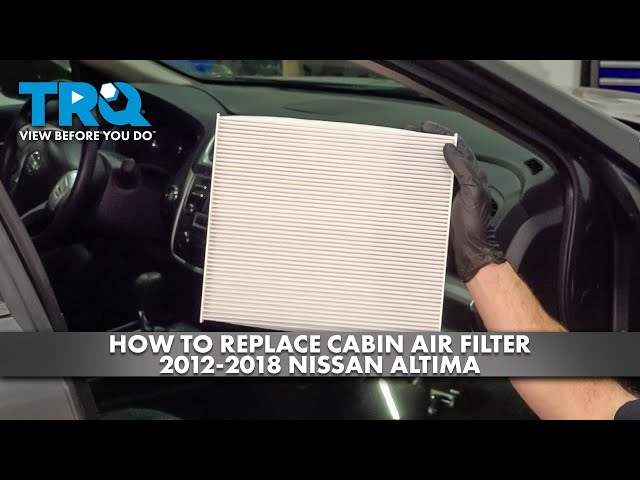
One common issue is weak airflow. You might notice that the air isn’t blowing as strongly as it used to. This could be due to a clogged cabin air filter or a failing blower motor. Changing the air filter is a simple fix you can do yourself. Have you checked it recently?
Warm Air Blowing
Nothing is more disappointing than turning on your AC only to feel warm air. This often points to low refrigerant levels, possibly due to a leak. Inspecting the AC lines for any signs of leakage can help diagnose the issue. A recharge might be necessary, but ensure there’s no leak before doing so.
Strange Noises
Hearing strange noises when you turn on the AC can be alarming. This could be due to debris in the blower fan or a failing compressor. I once found leaves causing a ruckus in my AC system, which was a quick fix. Have you noticed any peculiar sounds lately?
Unusual Odors
If you detect a musty smell coming from the vents, it could be due to mold or mildew in the AC system. This often happens when moisture accumulates in the evaporator. Cleaning the AC system and using an antibacterial spray can help eliminate these odors. Have you experienced any unusual smells while driving?
These common issues are often easy to troubleshoot and fix. Regular maintenance checks can help prevent most problems. Stay proactive, and your Honda’s AC will keep you cool whenever you need it.
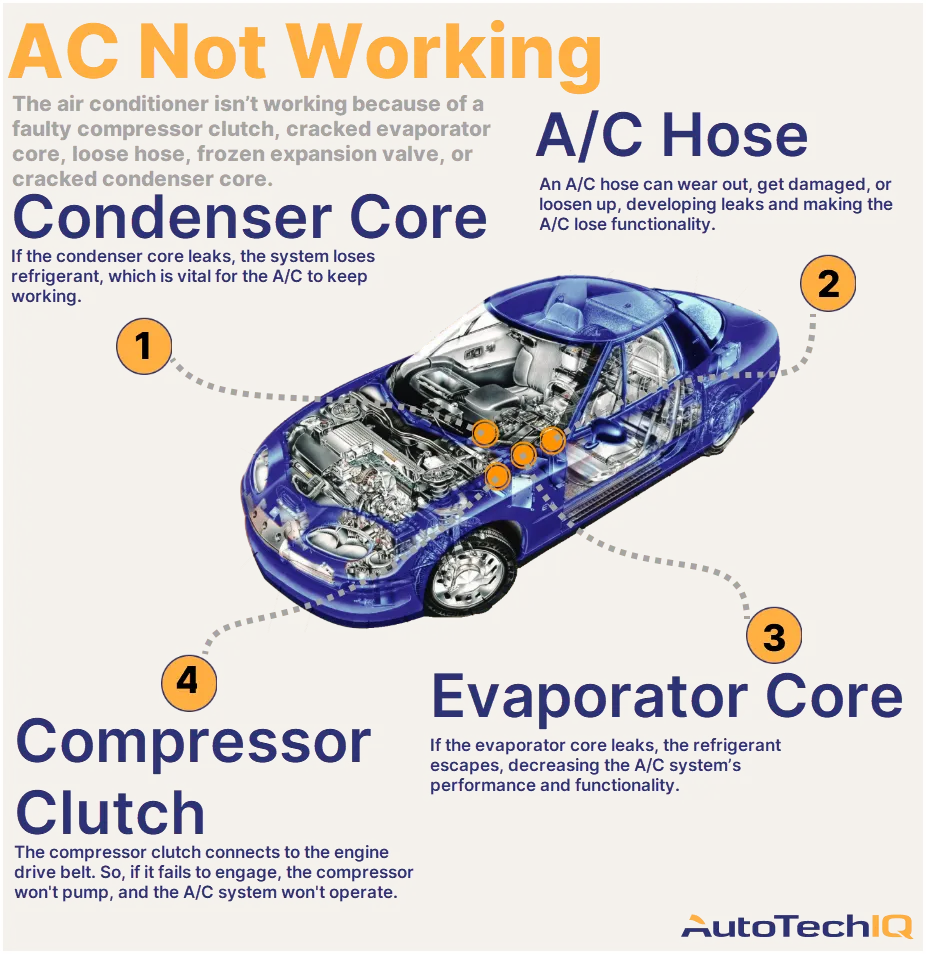
Credit: www.autotechiq.com
Initial Checks And Diagnostics
Experiencing a hot car ride in your 2014 Honda with the AC not blowing cold air can be frustrating. Before you rush to a mechanic, there are a few initial checks and diagnostics you can perform yourself. These steps might just save you time and money, and get you back to enjoying a cool drive.
Inspect Ac Settings
Begin with the basics by examining your AC settings. Is the AC actually turned on? Ensure the temperature dial is set to the coldest setting and the fan is on. Sometimes, the solution is as simple as adjusting a misplaced setting.
Check For Blocked Vents
Blocked vents can restrict airflow, making it seem like your AC isn’t working. Look around the car for any objects or debris that might be obstructing the vents. Clearing these can immediately improve airflow and cooling efficiency.
Examine Air Filters
A clogged air filter can dramatically affect your AC’s performance. If you notice reduced airflow, it might be time to inspect and replace the air filter. A clean filter ensures optimal air circulation and cooling.
Assess Refrigerant Levels
Low refrigerant levels could be the culprit behind your AC woes. You can purchase a refrigerant gauge at an auto parts store to check the levels. If they are low, it might indicate a leak, which requires professional attention.
Have you ever fixed a simple car issue yourself and felt like a hero? Troubleshooting your AC might be another opportunity to build your DIY confidence. Remember, these initial steps are simple yet powerful in diagnosing the problem.
Systematic Troubleshooting Steps
Diagnose a Honda 2014 AC not blowing cold air by checking refrigerant levels and inspecting the compressor. Examine the AC condenser for blockages and ensure all electrical connections are secure. Regular maintenance can prevent common issues, keeping your vehicle’s air conditioning system efficient and reliable.
When your Honda 2014 AC is not blowing cold air, it’s easy to feel frustrated, especially on a hot day. But don’t worry, a systematic approach to troubleshooting can help you identify and fix the issue. Let’s dive into the key steps you can take to diagnose the problem and get your car’s AC back to blowing cool air.Test The Compressor
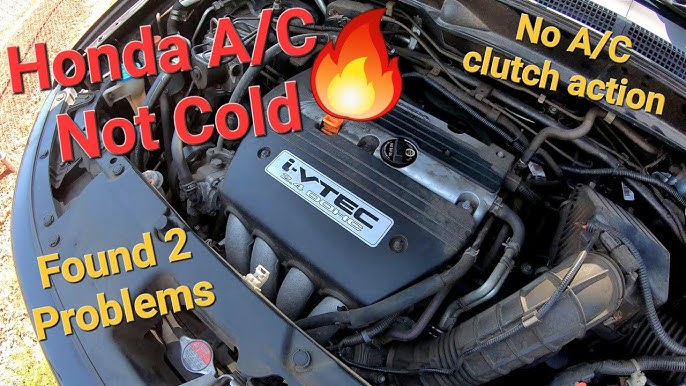
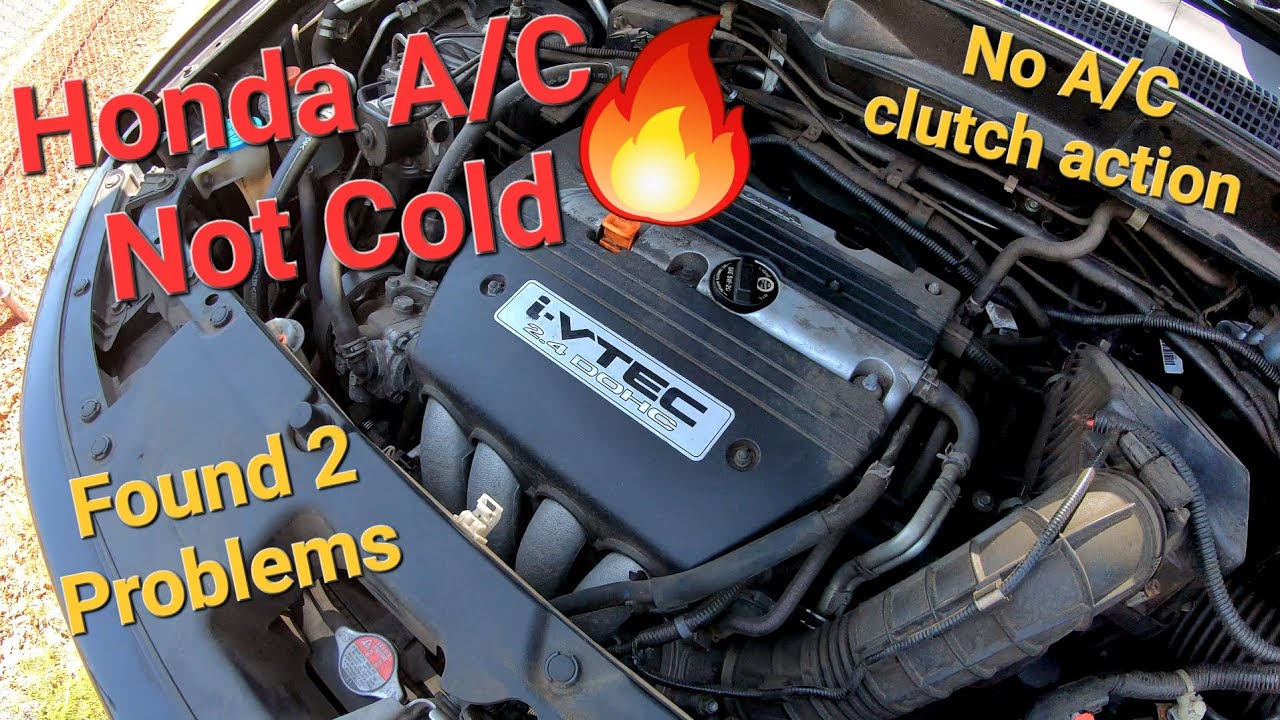
The compressor is the heart of your AC system. It circulates the refrigerant and helps in cooling the air. Start by turning on your AC and listening closely for any unusual noises from the compressor area. Check if the clutch on the compressor is engaging. If it isn’t, it might need a replacement or a recharge of refrigerant. A personal tip: once, my Honda’s compressor wasn’t engaging because of a blown fuse. Sometimes it’s the simplest things that get overlooked.Inspect The Condenser
The condenser’s job is to cool down the refrigerant. Look at the front of your car to inspect this component. Is it blocked by debris like leaves or dirt? A clean condenser can make all the difference. Gently clear any obstructions and ensure it has proper airflow. Imagine driving through a dusty trail; those particles can easily block the condenser.Evaluate The Evaporator
The evaporator is located inside your car and is responsible for cooling the air. Check the evaporator’s condition by feeling the air vent’s output. Is it cold or just slightly cool? Sometimes, mold or ice can form on the evaporator. This restricts airflow and reduces cooling efficiency. Regular maintenance can prevent this. Consider how often you clean your home’s air filters; your car needs similar care.Check For Leaks
Leaks are a common culprit in AC issues. Examine all visible hoses and connections for signs of wear or damage. Are there oily spots or residue around these areas? Using a UV dye kit can help identify leaks that are hard to see. I once found a leak in a hidden spot under my car using this method. It’s like playing detective with your car’s AC system. By systematically following these steps, you can pinpoint the issue with your Honda 2014 AC not blowing cold air. Have you encountered any challenges while troubleshooting your car’s AC system? Share your experiences and let’s learn together.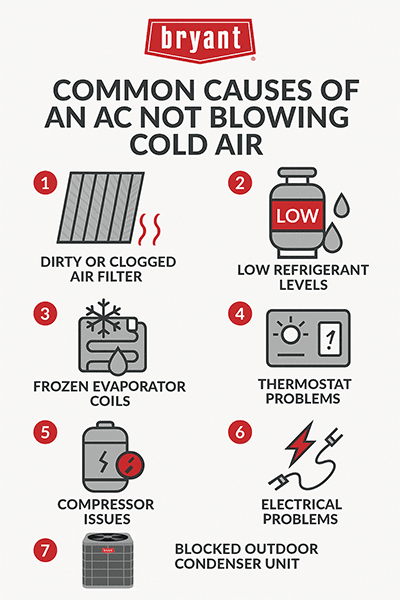
Credit: www.bryant.com
Diy Fixes And Repairs
Fixing a Honda 2014 AC not blowing cold air involves checking the refrigerant level and inspecting the compressor. A clogged cabin filter might also cause the issue. Checking these components can restore cool air efficiently.
Is your Honda 2014 AC failing to blow cold air? Don’t worry; you can tackle this issue yourself with some simple DIY fixes and repairs. Whether you’re a seasoned car enthusiast or just starting out with vehicle maintenance, these straightforward steps can help you restore comfort to your drive. You might find yourself asking, “Can I really fix my car’s AC?” The answer is yes. With the right tools and a bit of patience, you can get your AC working like new. Let’s dive in!Replace Air Filters
The air filters in your Honda’s AC system play a crucial role. They keep dirt and debris out, ensuring smooth airflow. Over time, these filters can get clogged, hindering performance. Replacing them is often a simple fix. All you need is a new filter and a screwdriver. Check the owner’s manual for the filter location. Typically, it’s behind the glove box or under the dashboard. Once located, remove the old filter and replace it with a new one. Feel the cool breeze returning!Clean The Condenser
The condenser’s job is to cool the refrigerant, making it vital for cold air output. Dirt and debris can accumulate on it, reducing efficiency. Cleaning it can make a big difference. Start by locating the condenser—it’s near the front of the car, behind the grille. Use a hose to gently wash away dirt. Be careful not to bend the delicate fins. A clean condenser can drastically improve your AC’s performance, bringing relief on those hot days.Seal Refrigerant Leaks
Leaking refrigerant is a common culprit behind AC issues. If you notice reduced cooling, check for leaks. You might spot oily residue around AC components, indicating a leak. A refrigerant leak sealer can help. Apply it following the instructions on the product. This can seal minor leaks and restore your AC’s cooling power. Remember, larger leaks might need professional attention. A little DIY effort can go a long way in keeping your AC efficient.Recharge The Ac System
Sometimes, the AC system just needs a recharge. Over time, refrigerant levels can drop, leading to poor cooling. Recharging can be straightforward if you follow the right steps. You’ll need a refrigerant recharge kit. Attach it to the low-pressure port—usually marked in blue. Follow the kit’s instructions to add the refrigerant. This process can rejuvenate your AC, making your drives comfortable again. Always ask yourself, is the AC’s cooling power up to par? If not, a recharge might be the answer. By tackling these DIY fixes, you not only save money but also gain confidence in maintaining your vehicle. Have you tried any of these methods before? Share your experiences and see how these tips can make a difference in your Honda’s AC performance.When To Seek Professional Help
If your Honda 2014 AC is not blowing cold air despite your best efforts, it may be time to seek professional help. You’re not alone; many car owners face this challenge. Knowing when to turn to an expert can save you time, money, and frustration. Let’s explore the scenarios where professional intervention is necessary.
Persistent Issues
You’ve checked the basics—freon levels, filters, and settings—but the problem persists. You’ve tried everything, yet your car remains a sauna. It’s time to consider expert assistance. Professionals can quickly identify underlying issues that DIY methods might overlook. Don’t let stubborn problems drain your energy.
Major Component Failures
Imagine driving on a sweltering day and your AC compressor suddenly quits. This isn’t just an inconvenience; it’s a major component failure. Such failures require specialized tools and knowledge. An expert can diagnose and repair components like the compressor, condenser, or evaporator, ensuring your AC runs smoothly again.
Complex Electrical Problems
Your AC isn’t just about cooling; it’s a complex system involving electrical wiring. Have you noticed flickering lights or strange noises when you turn on the AC? These could be signs of electrical issues. Tackling electrical problems without proper expertise can lead to further damage. Professionals can pinpoint and resolve wiring issues safely.
Warranty Considerations
Is your Honda still under warranty? Attempting repairs on your own might void it. Professionals ensure repairs comply with warranty terms. They document the work, safeguarding your investment and potentially saving you from unexpected costs. Are you willing to risk losing warranty coverage for DIY fixes?
When deciding whether to seek professional help, weigh the risks and benefits. Sometimes, expertise is worth every penny. Why struggle alone when a professional can offer a swift solution?
Preventive Maintenance Tips
Regular maintenance can keep your Honda 2014 AC in top condition. Proactive care prevents costly repairs. It also ensures a comfortable driving experience. These simple tips will help you maintain your AC system efficiently.
Regular System Inspections
Check your AC system every few months. Inspect hoses, belts, and connections for wear. Replace any damaged parts immediately. This prevents bigger issues from arising.
Schedule Seasonal Tune-ups
Book AC tune-ups at the start of summer and winter. Professional checks can spot hidden problems early. Technicians can test refrigerant levels and system pressure. This keeps your AC running smoothly.
Maintain Cleanliness
Keep the AC vents clean and free from debris. Dust and dirt can block airflow. Use a vacuum to clean the vents regularly. A clean system works more efficiently and lasts longer.
Monitor Performance Regularly
Pay attention to any changes in your AC’s performance. Unusual noises or weak airflow may signal problems. Address these issues quickly to avoid larger repairs. Regular monitoring ensures your AC remains effective.
Credit: www.youtube.com
Frequently Asked Questions
Why Is My 2014 Honda Accord Ac Not Blowing Cold Air?
Your 2014 Honda Accord AC might not blow cold air due to low refrigerant levels or a faulty compressor. Check for leaks, inspect the condenser, and ensure the AC’s electrical system is functioning properly. Regular maintenance can prevent these issues and keep your air conditioning efficient.
Why Is My Honda Ac Not Blowing Cold Air?
Your Honda AC might not blow cold air due to low refrigerant levels, a faulty compressor, or a blocked condenser. Check for leaks or electrical issues. Consult a professional mechanic for accurate diagnosis and repair to restore cooling efficiency. Regular maintenance can prevent future AC problems.
Why Is My Ac Running But Not Getting Cold?
Your AC might not cool due to low refrigerant, dirty filters, or a faulty thermostat. Check for blocked vents and ensure the outdoor unit is clean. Regular maintenance can prevent these issues and improve efficiency. Always consult a professional for accurate diagnosis and repair.
Why Does My Ac Engage But No Cold Air?
Your AC might engage without cooling due to refrigerant leaks, compressor issues, or clogged filters. Check for blocked vents or dirty coils. Regular maintenance can prevent these problems and ensure efficient cooling. If issues persist, consult a professional for a thorough inspection and repair.
Conclusion
Fixing your Honda 2014 AC can seem tough, but it’s doable. Start by checking the basics like the AC settings. Look at the refrigerant levels too. Low refrigerant can cause warm air. Inspect the AC compressor and belts for issues.
A faulty compressor won’t cool effectively. Cleaning or replacing the cabin air filter can also help. If all else fails, visit a professional. They have the tools to diagnose deeper problems. Regular maintenance prevents many AC issues. Keep your car cool and comfortable with these simple steps.
Your Honda deserves the best care.

Automotive Specialist & Expert Mechanic
Noah Brooks is a skilled automotive expert with a passion for both the technical and creative aspects of the automotive world. With years of experience in repairing, restoring, and enhancing vehicles, Noah is known for his deep knowledge of car mechanics, parts, and accessories. His expertise extends to welding, troubleshooting, and offering advice on the latest car technologies and trends. Whether it’s diagnosing complex issues or guiding readers through DIY car repairs, Noah’s blog posts are filled with hands-on insights that appeal to both novice and experienced car enthusiasts. When he’s not writing, Noah is working on his own car projects, continually learning and sharing his automotive passion with the world.