How to Turn off Ford Explorer Interior Lights: Quick Guide
You’ve just parked your Ford Explorer after a long day, but there’s one small issue — those pesky interior lights just won’t go off. It’s more than just a minor inconvenience; leaving your interior lights on can drain your battery faster than you might think.
But don’t worry, you’re not alone. Many Ford Explorer owners find themselves baffled by this tiny yet crucial detail. In this guide, you’ll discover the simple steps to turn off your Ford Explorer’s interior lights, ensuring peace of mind and a fully charged battery.
Dive into the secrets of your vehicle’s lighting system, and never let a small oversight turn into a big problem. Ready to take control? Let’s get started!
Credit: www.fordservicecontent.com
Identify The Interior Light Controls
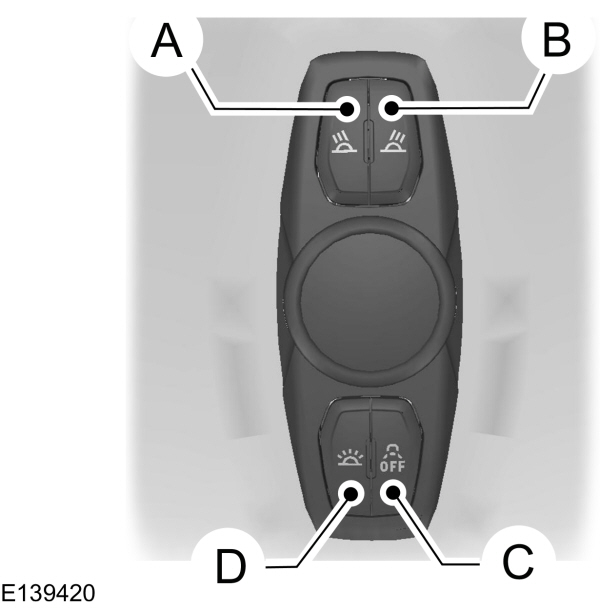
Locate the switch near the overhead console to turn off Ford Explorer interior lights. Adjust the dimmer switch downward until the lights go off. This simple step ensures a distraction-free drive at night.
Identifying the interior light controls in your Ford Explorer can make a world of difference, especially when you’re trying to avoid those pesky battery drains or want to ensure a peaceful drive without distractions. Imagine driving home late at night, and your interior lights are glaringly bright, making it hard to focus on the road. Knowing exactly where and how to control these lights can be a game-changer. Let’s dive into the specifics.Location Of Controls
First, you’ll need to locate the controls. In most Ford Explorer models, the interior light controls are conveniently placed on the overhead console. Just above your rearview mirror, you should see a panel with several buttons. These are often positioned for easy reach, so you won’t have to stretch or search around while driving. Having this setup ensures your attention remains on the road. Can you recall a time when you fiddled with controls, and it became a distraction? This design aims to prevent that.Understanding Control Symbols
Now that you’ve found the controls, understanding the symbols is crucial. Typically, these buttons are marked with icons that indicate their function. A common symbol is a light bulb or a sun, representing the interior lights. These symbols are intuitive, designed to be easily recognizable. When you press the button with the light bulb icon, the interior lights should turn on or off. If you notice other symbols, like a half-filled circle, it might indicate dimming options. It’s always a good idea to refer to your vehicle’s manual for any symbols you’re unsure about. This way, you ensure you’re pressing the right button for your needs. Have you ever pressed the wrong button and ended up with unexpected results? Knowing these symbols can prevent such mishaps. By mastering these controls, you can ensure a more comfortable and safer driving experience. So next time, instead of fumbling in the dark or being blinded by light, you’ll have the confidence to manage your Ford Explorer’s interior ambiance effortlessly.Manual Control Of Interior Lights
Are you tired of fumbling in the dark, struggling to find the right button or switch to turn off your Ford Explorer’s interior lights? Understanding how to manually control these lights can make your driving experience smoother and more enjoyable. Whether it’s the dimmer switch or the overhead lights, knowing how to manage them effectively can save you time and hassle. Let’s dive into the simple steps you can take to control your Explorer’s interior lights manually.
Using The Dimmer Switch
The dimmer switch is your go-to for adjusting the brightness of your dashboard and interior lights. Located on the dashboard near the steering wheel, it’s easy to access while driving.
Imagine you’re on a long road trip at night; the bright lights can be distracting. Use the dimmer switch to reduce glare and create a more comfortable environment.
Simply rotate the switch clockwise or counterclockwise to adjust the brightness. It’s intuitive and helps maintain your focus on the road.
Switching Off Overhead Lights
Overhead lights can be a nuisance when you’re trying to enjoy a quiet drive or need complete darkness to see better. Often located above you or on the ceiling console, these lights can be controlled with a simple press.
If you’ve ever had trouble finding the right button in the dark, you’re not alone. Explore the ceiling console when the car is stationary to familiarize yourself with the button’s location.
Press the button to turn the overhead lights off. If you have passengers, remind them of this feature to keep the interior dark when needed.
Have you ever thought about how controlling these lights could enhance your driving experience? By understanding these simple controls, you can ensure a more pleasant journey for yourself and your passengers.
Automatic Light Settings
The Ford Explorer’s automatic light settings are designed to enhance your driving experience by providing optimal illumination without manual intervention. This feature ensures that your vehicle’s interior lights adjust according to ambient lighting conditions. However, knowing how to control these settings can add convenience and prevent unnecessary distractions.
Adjusting Auto Light Functions
Have you ever found the interior lights staying on longer than you’d like? Adjusting the auto light functions can solve this issue. Begin by locating the light control switch, usually positioned near the steering wheel or on the dashboard.
Turn the dial or press the button to cycle through the available options. You can typically choose between automatic, off, or manual settings. Selecting ‘off’ will ensure your interior lights don’t illuminate unless manually activated.
Experiment with these settings while parked to find what suits your needs. Do you prefer the lights to activate only when necessary? Fine-tuning these options can make a difference in your daily commute.
Programming Light Delay Options
Programming the light delay options can further enhance your control over the interior lighting. This setting allows you to specify how long the lights remain on after you exit the vehicle.
To adjust this, refer to your vehicle’s manual for specific instructions related to your Ford Explorer model. Typically, you’ll find these settings in the vehicle’s infotainment system or dashboard menu.
Would you like the lights to fade out quickly after closing the door? Or perhaps you need them on longer for better visibility when gathering belongings? Set the delay timer according to your preferences.
These adjustments not only provide a customized experience but also help conserve battery life. By understanding and utilizing these settings, you enhance your driving comfort and efficiency.

Credit: www.tiktok.com
Troubleshooting Light Issues
Troubleshooting light issues in your Ford Explorer can be tricky. Interior lights should function smoothly, but sometimes they don’t. This guide helps address common problems. It also highlights when to seek expert advice. Understanding these issues can save time and stress. Let’s dive into some frequent light problems.
Common Problems
Interior lights may stay on due to a faulty switch. A door sensor might fail, keeping lights active. Sometimes, a blown fuse is the culprit. Wiring issues can cause intermittent light problems. Checking these components can solve many problems.
When To Seek Professional Help
If troubleshooting doesn’t work, it might be time for expert help. Unresolved wiring issues need professional attention. Complex electrical problems require specialized tools. If unsure, consult a mechanic for a thorough diagnosis. Seeking help ensures safety and prevents further damage.
Tips For Managing Interior Lighting
Managing interior lighting in your Ford Explorer is crucial for both energy efficiency and passenger comfort. Whether you’re driving at night or taking a break during the day, knowing how to handle the interior lights can make your journey smoother and more enjoyable. Below are some practical tips to help you manage your interior lighting effectively.
Energy Saving Tips
Turning off the interior lights when they’re not needed is a simple way to save energy. You might be surprised how much battery power you conserve just by being mindful. If you’re parked and chatting with a friend, consider switching off the lights. This can prevent battery drain and ensure your car is ready to go when you are.
Think about using dimmer settings. If your Ford Explorer has adjustable interior lighting, keep it on a lower setting. It’s a small change, but it can extend your battery life significantly. Experiment with these settings during different times of the day to find what works best for you.
Regularly check the auto-off feature. Some Ford Explorers come equipped with this function, which automatically turns off the interior lights after a certain period. Make sure this feature is activated to avoid unnecessary energy loss.
Ensuring Passenger Comfort
Think about how lighting affects the atmosphere inside your car. Bright lights can be harsh on the eyes, especially during long drives. Adjust the lights to a softer glow to create a relaxing environment for your passengers. This can turn a routine drive into a pleasant experience.
Consider your passengers’ needs. If someone wants to sleep during a long journey, ensure the lights are turned off or dimmed. This small gesture can make all the difference in their comfort level.
Control the lights in specific zones. Ford Explorers often allow you to manage lighting in different sections of the car. Tailor the brightness to suit everyone’s preferences, ensuring a comfortable ride for all. How do you usually manage your car’s interior lighting to keep everyone happy?
By taking these steps, you not only enhance the driving experience but also ensure your vehicle is energy-efficient. Remember, the small decisions you make about interior lighting can have a big impact on both your car’s performance and your passengers’ comfort. What strategies do you use to maintain an ideal lighting environment in your vehicle?

Credit: www.youtube.com
Frequently Asked Questions
Why Won’t My Interior Lights Turn Off When I Close The Door?
Interior lights may stay on due to a faulty door switch, timer settings, or wiring issues. Check door latches and switches for proper function. Adjust settings in the vehicle’s manual if needed. If problems persist, consult a professional mechanic.
How Do I Turn Off Ambient Lighting On My Ford Explorer?
Access the vehicle’s settings menu on your Ford Explorer’s touchscreen. Select “Ambient Lighting” and turn it off.
How Do You Turn Off The Interior Lights On A Car With The Door Open?
To turn off interior lights with the door open, locate the dome light switch on the dashboard or overhead console. Adjust the switch to the “off” position. If your car has an automatic setting, ensure the interior lights are manually turned off to prevent automatic activation when the door is open.
How Do You Turn Off The Running Lights On A Ford Explorer?
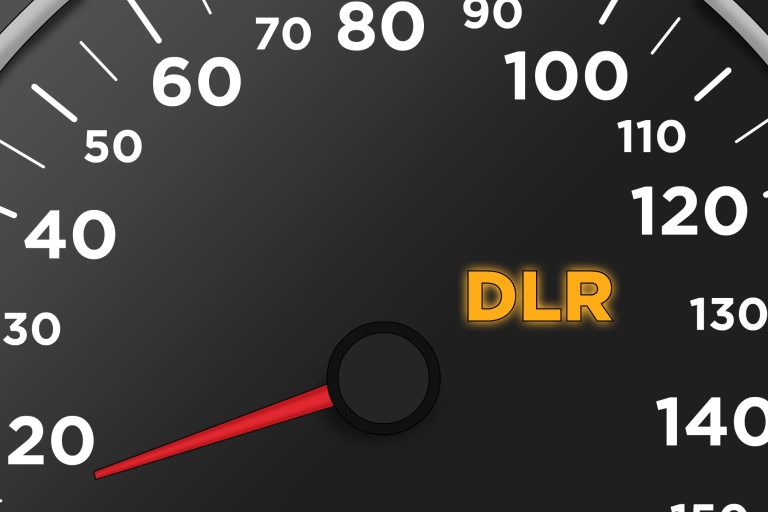
To turn off the running lights on a Ford Explorer, use the headlight control switch. Rotate it to the “Off” position. For models with automatic lights, consult the vehicle settings on the dashboard screen to disable daytime running lights. Ensure your actions comply with local traffic laws.
Conclusion
Turning off Ford Explorer interior lights is simple. Follow these steps carefully. Locate the light control switch. It’s usually near the dashboard. Rotate or press the switch to adjust. Ensure all doors are closed tightly. Some lights remain on if doors are ajar.
Check for the “auto” setting. This feature turns lights off automatically. Consult your owner’s manual for specifics. Each model may vary slightly. By mastering these steps, you keep your battery safe. Enjoy your ride without any lighting worries.

Ethan Montgomery is the administrator of carweldhub.com and an expert in the automotive industry. With hands-on experience in welding and a deep understanding of automotive parts and accessories, Ethan brings a wealth of practical knowledge to his work. His passion for the automotive field extends to blog writing and editing, where he shares valuable insights and tips with enthusiasts and professionals alike. Whether you’re looking for detailed technical advice or the latest trends in automotive technology, Ethan’s expertise makes him a trusted resource in the automotive community.