How to Adjust the Carburetor on a Mantis Tiller: Easy Guide
Are you frustrated with your Mantis Tiller not running smoothly? If your trusty garden companion is sputtering or refusing to start, the carburetor might be the culprit.
Knowing how to adjust the carburetor on your Mantis Tiller can make all the difference in achieving a flawless gardening experience. Imagine the satisfaction of a perfectly tilled garden, with each pass of your tiller creating the ideal soil for planting.
By mastering a few simple adjustments, you can unlock the full potential of your tiller, ensuring it purrs like a kitten and tackles any gardening task with ease. Keep reading to discover the step-by-step process that will transform your gardening tool into an efficient powerhouse.
Tools Needed
Adjusting the carburetor on a Mantis Tiller ensures optimal performance. Knowing the right tools for the task can make the job easier. This section highlights essential tools needed for a smooth adjustment process.
Flathead Screwdriver
A flathead screwdriver is crucial for turning the adjustment screws. It helps in fine-tuning the carburetor settings. Ensure it fits the screw size for better precision.
Phillips Screwdriver
The Phillips screwdriver is used for loosening and tightening screws. It provides grip and control during the adjustment. Choose a size that fits the carburetor screws.
Socket Wrench Set
A socket wrench set is needed to remove the tiller’s cover. It allows access to the carburetor. Different sizes might be required depending on the tiller model.
Clean Rag
A clean rag helps in wiping away dirt and debris. Keeping the area clean prevents contamination. It ensures the carburetor functions efficiently.
Safety Gloves
Safety gloves protect your hands from sharp edges. They provide grip and safety during the adjustment. Always wear gloves to prevent injuries.
Safety Precautions
Adjusting the carburetor on a Mantis Tiller can be a rewarding task, but it’s crucial to prioritize safety. Getting the engine to run smoothly is important, but ensuring your safety is even more vital. You don’t want a simple adjustment turning into a hazardous situation.
Wear Protective Gear
Before you start, make sure you’re wearing protective gear. Gloves will protect your hands from sharp parts and dirt. Safety goggles prevent any debris from getting into your eyes. It might seem over-the-top, but it’s better to be safe than sorry.
Work In A Well-ventilated Area
Carburetor adjustments may release fumes. Make sure you’re working in a well-ventilated area to avoid inhaling them. If you have a garage, leave the door open or work outside. Fresh air is your friend when dealing with engines.
Ensure The Tiller Is Off
Never attempt to adjust the carburetor while the tiller is running. Always turn off the engine before making any adjustments. This simple precaution can prevent serious injuries. Remember, safety starts with a switch.
Keep Tools Organized
Having your tools scattered can lead to accidents. Keep them organized and within easy reach. A cluttered workspace can lead to unnecessary risks. Do you really want to trip over a wrench while focusing on your carburetor?
Be Mindful Of Hot Parts
Engines can get hot, especially after use. Be careful when touching parts near the carburetor. Let the engine cool down if needed. It only takes a moment to protect yourself from burns.
Taking these precautions might seem tedious, but they ensure a safer and more efficient adjustment process. Have you ever skipped a safety step and wished you hadn’t? Learn from those moments and prioritize your safety.
Locating The Carburetor
Adjusting the carburetor of a Mantis tiller ensures optimal performance. The first step is locating the carburetor. This task might seem daunting, but with guidance, it becomes manageable. Understanding where to find the carburetor is key.
Understanding The Engine Layout
The carburetor sits near the engine of the Mantis tiller. Familiarize yourself with the engine layout. This helps identify the carburetor quickly. It is usually attached to the side of the engine.
Identifying The Carburetor
Look for a small, metal component. The carburetor has a distinct shape. It connects to the air filter and fuel line. You might see it connected to the throttle cable as well. This connection helps control the engine speed.
Checking The Air Filter Housing
The carburetor often sits behind the air filter housing. Remove the air filter cover gently. This gives you a clear view of the carburetor. Ensure you handle parts with care to avoid damage.
Recognizing The Fuel Line Connection
The carburetor connects directly to the fuel line. Spotting this connection helps confirm its location. The fuel line is usually a small rubber or plastic tube. Follow it to the carburetor.
Examining The Throttle Linkage
The throttle linkage connects to the carburetor. This linkage controls fuel and air flow. Understanding this connection is crucial. It aids in recognizing the carburetor’s function and position.
Understanding Carburetor Components
Adjusting the carburetor on a Mantis Tiller ensures smoother operation. Begin by locating the idle speed and mixture screws. Turn these screws slowly to find the perfect balance for optimal performance.
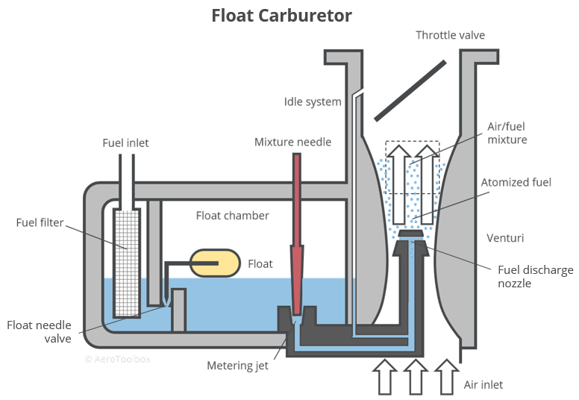
Understanding how a carburetor works is crucial for adjusting it properly. Each component plays a specific role. They work together to ensure the engine runs smoothly. This section will break down the key parts. It’s vital for anyone using a Mantis Tiller.Throttle Adjustment
The throttle controls the engine speed. It adjusts the flow of fuel and air. A well-set throttle ensures efficient operation. Check the throttle cable for tension. It should not be too loose or tight. Make small adjustments if needed. This helps maintain a steady engine speed.Idle Adjustment
The idle screw controls the engine’s idling speed. Adjust it to keep the engine running smoothly. The engine should idle without stalling. Turn the screw slowly. Listen to the engine’s sound. This helps find the perfect idle setting. Make sure the engine is warm when adjusting.Mixture Settings
Mixture settings affect fuel and air balance. A proper mix is essential for performance. Too much fuel can cause engine flooding. Too much air can lead to poor performance. Use the mixture screw for adjustments. Turn it slowly while the engine runs. Aim for a smooth, steady sound. Each adjustment impacts the engine differently. Understanding these components helps maintain your Mantis Tiller.Initial Preparation
Before adjusting your Mantis Tiller’s carburetor, you need proper preparation. This ensures the tiller runs smoothly and efficiently. Start by gathering all necessary tools and materials. Adequate preparation prevents mistakes during adjustment. Let’s dive into the essential steps for initial preparation.
Cleaning The Carburetor
First, ensure the carburetor is clean. Dirt and debris affect performance. Use a soft brush to remove loose particles. A carburetor cleaner spray can help. Spray the cleaner inside and outside the carburetor. Let it sit for a few minutes. Wipe the carburetor with a clean cloth. Ensure no residue remains. A clean carburetor improves engine function.
Inspecting For Damage
Look closely at the carburetor for any damage. Check for cracks or worn parts. Damaged components affect the tiller’s operation. Replace any broken parts immediately. Examine the gaskets and seals. Ensure they are intact and fit well. Proper inspection prevents future issues. A thorough check saves time and effort.
Step-by-step Adjustment
Adjusting the carburetor on a Mantis Tiller can improve its efficiency. This process ensures your tiller runs smoothly and consumes less fuel. Follow these simple steps to make the necessary adjustments.
Setting The Idle Speed
Start by locating the idle speed screw on the carburetor. Use a screwdriver to turn it clockwise. This increases the idle speed. Turn it counterclockwise to reduce the speed. Adjust until the engine runs smoothly without stalling. The tiller should idle without moving.
Adjusting The Mixture
Find the mixture screw on the carburetor. This screw controls the fuel-air mixture. Turn it clockwise to make the mixture richer. This adds more fuel. Turn it counterclockwise to lean the mixture. This adds more air. The engine should sound smooth and consistent. Adjust until you find the right balance.
Fine-tuning The Throttle
Locate the throttle screw on the carburetor. This controls the engine’s response. Turn the screw clockwise to increase throttle response. This makes the engine more responsive. Turn it counterclockwise to decrease the response. Fine-tune until the engine responds promptly to throttle changes.
Testing The Adjustment
Adjusting the carburetor on a Mantis Tiller ensures optimal performance. Begin by locating the adjustment screws on the carburetor. Fine-tune them to regulate air and fuel mixture, enhancing engine efficiency and tiller operation.
Testing the adjustment of your Mantis Tiller’s carburetor is crucial. It ensures your machine runs efficiently. Once you’ve made initial adjustments, it’s time to test them. Testing helps confirm the tiller operates smoothly. Here’s how to check the effectiveness of your adjustments.Checking Engine Performance
Start the tiller and let it idle. Observe the engine’s behavior. A well-adjusted carburetor will show steady performance. Watch for any stuttering or hesitations. These indicate further adjustments may be needed. Ensure the engine doesn’t stall during operation. This is a sign of proper adjustment.Listening For Engine Sounds
Pay attention to the sounds your engine makes. A smooth-running engine hums evenly. Listen for any unusual noises. Pops or sputters may signal issues. These sounds suggest improper carburetor settings. Adjustments might be necessary to fix them. Proper sound indicates balanced fuel and air mixture.Troubleshooting Common Issues
Adjusting the carburetor on your Mantis Tiller can be a straightforward task, but sometimes, issues may arise that require a bit of troubleshooting. Understanding these common problems can save you time and frustration, and ensure your tiller runs smoothly. Let’s dive into how you can address engine stalling, poor acceleration, and excessive smoke.
Engine Stalling
Is your tiller engine stalling unexpectedly? This can be frustrating, especially when you’re midway through a task. Check the idle speed first. A low idle speed might cause the engine to stall. Adjust the idle screw until you find the sweet spot where the engine runs steadily.
Also, consider the fuel mixture. Too much air can lead to stalling. Adjust the air-fuel mixture screw slightly to enrich the fuel mix. This ensures the engine has enough power to keep running.
Poor Acceleration
Poor acceleration can slow you down. Is your Mantis Tiller struggling to pick up speed? Start by cleaning the air filter. A clogged filter restricts airflow, affecting acceleration. Replace it if necessary.
Next, look at the throttle settings. Make sure they are correctly adjusted. If the throttle is too tight, the engine won’t accelerate properly. Loosen it slightly and test the tiller’s response.
Excessive Smoke
Excessive smoke can be alarming. It often points to a problem with the fuel mixture. If your tiller is producing too much smoke, the fuel mixture may be too rich. Adjust the mixture screw to lean it out a bit.
Another culprit could be old or poor-quality fuel. Check the fuel’s age and quality. Replacing it with fresh fuel might be all you need to reduce smoke.
Have you ever noticed how small tweaks can make a big difference in performance? By paying attention to these common issues, you can keep your Mantis Tiller running like a champ. What’s the most frustrating problem you’ve faced with your tiller? Share your experiences in the comments below.
Maintenance Tips
Keeping your Mantis Tiller in top shape ensures smooth operation. Regular maintenance enhances performance and extends the life of the carburetor. Follow these simple tips to keep your tiller running efficiently.
Regular Cleaning
Dust and debris can clog the carburetor. Clean it regularly to prevent this. Use a soft brush to remove dirt and particles. A clean carburetor ensures better air and fuel flow. This improves engine performance. Always clean it after heavy use.
Periodic Checks
Check the carburetor parts periodically. Look for signs of wear or damage. Ensure all screws are tight. Loose screws can affect performance. Inspect the gaskets for leaks. Replacing worn parts prevents bigger issues. A well-maintained carburetor reduces fuel consumption.
Frequently Asked Questions
How Do You Adjust The Carb On A Mantis Tiller?
Locate the carburetor adjustment screws on your Mantis tiller. Turn them gently clockwise to close, then counterclockwise to open slightly. Adjust until the engine runs smoothly. Ensure the tiller is off and cool before making adjustments. Check the manual for specific settings.
How To Adjust A Carburetor Air And Fuel Mixture?
Adjust the carburetor by turning the air mixture screw clockwise to lean and counterclockwise to enrich. Turn the fuel mixture screw to adjust idle. Ensure engine is warm and running at idle speed. Make small adjustments and test performance. Use a tachometer for precise settings.
Why Is My Mantis Tiller Bogging Down?
Your Mantis tiller might bog down due to clogged air filters, fuel issues, or worn spark plugs. Check for blockages in the fuel line and clean or replace filters. Ensure fresh fuel and inspect the carburetor for adjustments. Regular maintenance can help prevent these problems.
How To Know If Carburetor Is Adjusted Properly?
Check engine performance and smooth idling. Listen for steady RPMs and quick acceleration. Inspect spark plugs for soot.
Conclusion
Adjusting your Mantis Tiller carburetor can improve its performance. Following these steps ensures your tiller runs smoothly. Regular maintenance is key for longevity. Listen to your tiller’s sound. It tells you a lot. Use a screwdriver for precise adjustments. Pay attention to changes in engine behavior.
Don’t rush the process. Patience leads to better results. Double-check your work for safety. Make adjustments in a well-lit area. Keep your tools handy. Regular checks prevent bigger issues. Enjoy your gardening with a well-tuned tiller. Remember, practice makes perfect.
Happy tilling!

Ethan Montgomery is the administrator of carweldhub.com and an expert in the automotive industry. With hands-on experience in welding and a deep understanding of automotive parts and accessories, Ethan brings a wealth of practical knowledge to his work. His passion for the automotive field extends to blog writing and editing, where he shares valuable insights and tips with enthusiasts and professionals alike. Whether you’re looking for detailed technical advice or the latest trends in automotive technology, Ethan’s expertise makes him a trusted resource in the automotive community.